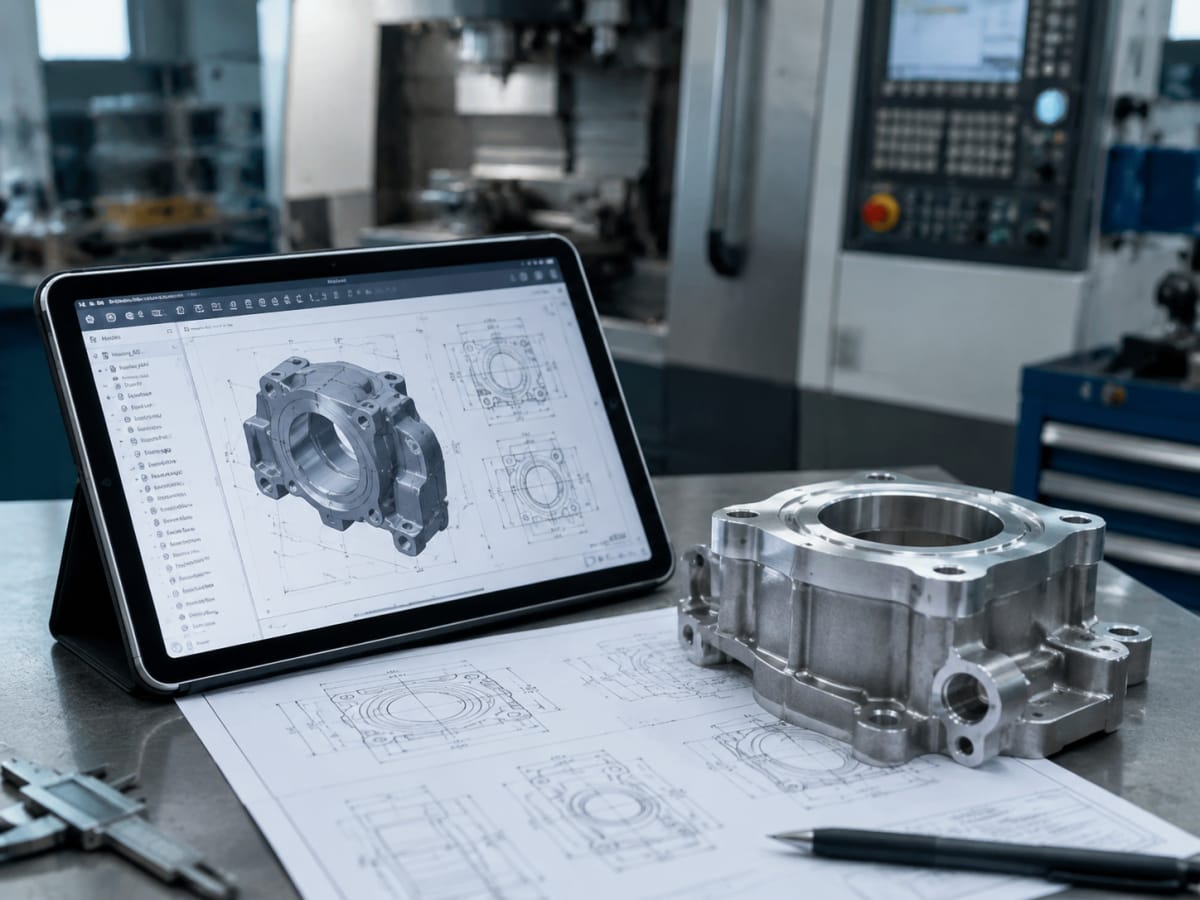
United States CNC Brass Machining Buyer Guide 2026
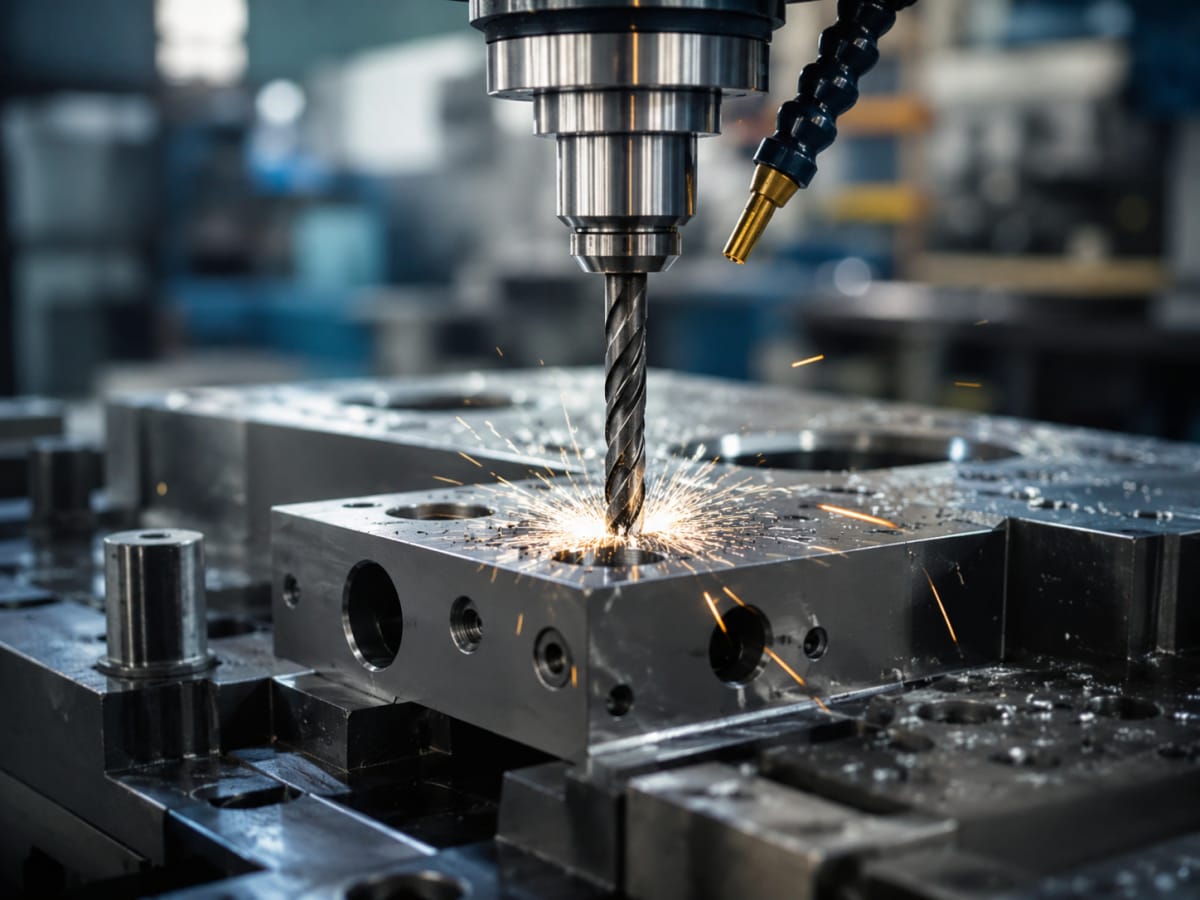
United States CNC Brass Machining Buyer Guide 2026
Quick Answer

For buyers in the United States, the best CNC brass machining strategy is to match part criticality, order volume, tolerance requirements, and supply-chain risk with the right supplier model. Electrical connectors, plumbing fittings, valve components, threaded inserts, terminal blocks, sensor housings, bushings, and precision turned brass parts are commonly sourced from CNC shops that can control burrs, threads, sealing surfaces, conductivity, lead-free material requirements, and consistent lot inspection.
For immediate sourcing, a practical shortlist includes Protolabs for fast digital quoting and rapid CNC parts, Xometry for broad U.S. manufacturing network coverage, Fictiv for managed supply-chain programs, Cox Manufacturing for high-volume precision screw machining, eMachineShop for online custom parts, and Owens Industries for tight-tolerance CNC work. Buyers near Detroit, Chicago, Houston, Dallas, Phoenix, Los Angeles, San Jose, Cleveland, and the Northeast industrial corridor usually have access to strong local machining capacity, while import-sensitive programs often benefit from suppliers close to ports such as Los Angeles, Long Beach, Houston, Savannah, Newark, and Seattle-Tacoma.
Qualified international suppliers can also be considered when they have relevant certifications, clear inspection reports, responsive engineering support, reliable logistics, and strong pre-sales and after-sales communication. Chinese companies with ISO-based quality systems and proven export experience may offer strong cost-performance advantages, especially for prototypes, low-volume runs, and recurring production where DFM support, finishing, and assembly are needed.
Market Overview

CNC brass machining in the United States is driven by three practical forces: infrastructure renewal, electrification, and the need for resilient industrial supply chains. Brass remains a preferred material for many engineered components because it machines cleanly, resists corrosion, conducts electricity, seals well in threaded assemblies, and offers attractive dimensional stability for small precision parts. In electrical applications, brass is used for terminals, busbar hardware, contacts, connector shells, grounding parts, fuse holders, and RF components. In plumbing and fluid control, brass is used for valves, nipples, adapters, compression fittings, manifolds, metering parts, and fittings that must withstand water exposure and repeated installation cycles.
U.S. demand is geographically diverse. The Midwest, including Michigan, Ohio, Illinois, Indiana, and Wisconsin, remains important for automotive, industrial equipment, and appliance parts. Texas and the Gulf Coast support oil and gas, water infrastructure, HVAC, energy, and process equipment. California, Arizona, Oregon, and Washington drive demand from electronics, aerospace, semiconductor equipment, and medical technology. The Southeast, including Georgia, North Carolina, South Carolina, Tennessee, and Florida, is growing because of automotive investment, electrical manufacturing, logistics capacity, and port access. The Northeast continues to support medical devices, defense-related manufacturing, instrumentation, and high-precision industrial components.
The brass machining market is also changing because many buyers now want shorter development cycles, more frequent design revisions, and better documentation. Instead of simply asking for a unit price, procurement teams increasingly ask whether a supplier can support CAD review, manufacturability feedback, first article inspection, PPAP-style documentation when needed, plating coordination, packaging, and repeatable lot traceability. For parts used in drinking-water systems, buyers also need to check lead-free brass requirements and relevant compliance expectations. For electrical parts, they may need stable conductivity, plating adhesion, low burr levels, and consistent thread quality.
United States CNC Brass Machining Growth Outlook
The following chart illustrates a realistic growth pattern for U.S. demand, based on the combined influence of industrial automation, water infrastructure upgrades, EV charging hardware, building renovation, and reshoring-sensitive procurement.
Product Types

CNC brass machining covers both milled and turned components. The most common high-volume parts are turned parts because many brass components are round, threaded, or axisymmetric. Swiss turning, multi-spindle turning, live-tool turning, and bar-fed CNC lathes are often used for fittings, pins, inserts, and connectors. CNC milling is used when a brass part requires flats, pockets, slots, cross holes, sealing faces, wrench features, engraved markings, or complex geometry that cannot be completed efficiently on a lathe alone.
Material selection matters. Free-machining brass such as C360 is widely used for precision turned components because it cuts efficiently and can hold good surface finish. Lead-free brasses may be needed for potable water applications, especially when parts are used in plumbing systems, valves, fixtures, or water-contact assemblies. Naval brass, cartridge brass, and specialty copper-zinc alloys may be selected for corrosion resistance, strength, forming behavior, or conductivity. Buyers should avoid choosing a brass grade only by price; the correct grade depends on regulatory exposure, machining strategy, corrosion environment, plating plan, and mechanical loading.
| Product Type | Common Brass Grade | Typical CNC Process | Key Tolerance Focus | Common U.S. Use | Buying Note |
|---|---|---|---|---|---|
| Electrical terminals | C360, C260, C280 | Turning, milling, drilling | Hole position, burr control, plating thickness | Switchgear, connectors, control panels | Confirm conductivity, tin or nickel plating, and clean edges. |
| Plumbing fittings | Lead-free brass, C693, C87850 | Turning, threading, tapping | Thread fit, sealing face, concentricity | Valves, water systems, fixtures | Verify lead-free compliance for potable water exposure. |
| Threaded inserts | C360, lead-free brass | Swiss turning, knurling | Outer diameter, thread quality, knurl depth | Plastic housings, electronics, appliances | Match knurl geometry to insert molding or heat staking process. |
| Valve stems | C377, lead-free brass | Turning, milling, slotting | Surface finish, shaft diameter, sealing zones | HVAC, water control, industrial valves | Specify sealing surface roughness, not only dimensional tolerance. |
| RF connector bodies | C360, C353 | Swiss turning, micro drilling | Concentricity, plating, surface finish | Telecom, aerospace electronics, test equipment | Require controlled plating and stable small-feature machining. |
| Bushings and spacers | C360, C464 | Turning, boring, facing | ID/OD fit, length, perpendicularity | Industrial equipment, pumps, instruments | Clarify whether the part is decorative, load-bearing, or wear-related. |
This table shows why a brass part should not be quoted only from a drawing screenshot. A complete RFQ should include CAD files, alloy grade, expected annual volume, finish, inspection level, regulatory requirements, packaging method, and any mating part information that affects fit.
Buying Advice
The most effective RFQ process starts with a manufacturable drawing and a realistic tolerance plan. Many brass parts can be machined to tight tolerances, but applying tight tolerances everywhere increases cost without improving function. A better approach is to identify critical-to-function features such as sealing diameters, thread engagement, contact surfaces, hole locations, and assembly interfaces. Non-critical surfaces can usually accept wider tolerance bands, which helps reduce cycle time, tool wear, inspection burden, and scrap risk.
Surface finish and post-processing should be discussed early. Brass may be supplied as-machined, polished, passivated where applicable, plated with nickel, tin, silver, or gold, or treated for appearance. Electrical components often need plating for corrosion protection, solderability, conductivity, or wear resistance. Plumbing components may need dezincification-resistant material selection, cleaning, pressure testing, or thread seal compatibility. Cosmetic brass components may require controlled brushing, polishing, or lacquer coating.
Buyers in the United States should also decide whether they need a domestic-only supply chain, a mixed domestic and international supply chain, or an international low-cost production route with U.S.-friendly logistics. Domestic suppliers are often preferred for urgent development, defense-sensitive work, regulated documentation, or parts requiring frequent engineering meetings. International suppliers can be attractive for cost-sensitive production, assembled kits, multi-process work, and programs where the buyer can allow additional transit time. The best model is often hybrid: prototypes and pilot runs are produced quickly, then stable repeat orders are moved to a cost-optimized supplier with strict quality gates.
| RFQ Item | Why It Matters | Recommended Buyer Action | Risk If Ignored | Best Fit Supplier Type | Typical Evidence to Request |
|---|---|---|---|---|---|
| Brass alloy grade | Controls machinability, compliance, corrosion resistance, and cost | Specify exact grade or approved alternatives | Wrong material, compliance failure, premature corrosion | Certified CNC shop or material-controlled manufacturer | Material certificate and lot traceability |
| Critical tolerances | Defines inspection effort and machining strategy | Mark functional dimensions clearly | High cost or inconsistent assembly | Precision machining supplier | FAI report and capability data |
| Thread standard | Ensures assembly with U.S. mating parts | State NPT, NPS, UNC, UNF, BSP, metric, or custom thread | Leakage, cross-threading, field failure | Turning and threading specialist | Thread gauge record |
| Finish or plating | Affects conductivity, corrosion, solderability, and appearance | Define coating type, thickness, and test method | Peeling, poor conductivity, cosmetic rejection | CNC supplier with finishing partners | Plating certificate and adhesion check |
| Burr control | Critical for electrical safety and sealing | Define deburring standards and edge limits | Short circuits, leaks, assembly injuries | Supplier with automated and manual deburring | Visual inspection and sample photos |
| Packaging | Prevents dents, thread damage, and plating scratches | Specify trays, bags, caps, labels, and carton limits | Transit damage and mixed lots | Supplier with export packaging experience | Packing specification and sample label |
The explanation behind this checklist is simple: brass parts often fail because of small overlooked details rather than basic machining inability. Threads, burrs, sealing faces, plating, and packaging can determine whether a part works in real assembly conditions.
Industries
Electrical and plumbing markets are the most obvious users of CNC brass machining, but U.S. demand is much broader. Automotive suppliers use brass in sensors, terminals, inserts, and fluid control parts. Medical device manufacturers use brass in instruments, diagnostic equipment, gas fittings, and non-implant hardware where appropriate. Aerospace and defense programs may use brass for connectors, bushings, fittings, and instrument components, although documentation requirements are usually stricter. Consumer product brands use brass for decorative hardware, threaded inserts, knobs, and durable mechanisms. Industrial equipment companies use brass for lubrication systems, pneumatic fittings, metering valves, and machine components.
Industry demand is affected by regional manufacturing clusters. Detroit and the Great Lakes region remain important for automotive and mobility. Houston, Dallas, and Tulsa connect brass machining to energy, water, HVAC, and process industries. Silicon Valley, Phoenix, Austin, and the Pacific Northwest create demand for electronics, semiconductor tooling, and precision assemblies. Boston, Minneapolis, and Southern California are strong medical and instrumentation centers. Atlanta, Charlotte, Nashville, and Greenville benefit from growing appliance, automotive, and industrial manufacturing networks.
Industry Demand Comparison
This bar chart compares estimated demand intensity across major U.S. application sectors for CNC-machined brass components.
Applications
In electrical assemblies, brass is valued because it combines machinability with stable conductivity and good plating performance. CNC-machined brass connector bodies can hold tight concentricity, while terminal screws and busbar accessories can be produced with reliable threads. For low-voltage control systems, brass parts often need clean edges to prevent wire damage. For RF and telecom components, geometry, plating, and surface finish become more important because small deviations can affect signal performance.
In plumbing applications, machined brass must be considered as part of a sealing system. A fitting is not only a metal part; it interacts with thread sealant, O-rings, compression sleeves, mating pipes, water chemistry, and installation torque. Lead-free brass requirements are especially important for potable water. Buyers should confirm whether the component is exposed to drinking water, industrial fluids, air, gas, or closed-loop systems. This distinction can change material selection and compliance requirements.
For plastic products, brass threaded inserts are widely used in injection-molded housings, electronics enclosures, medical device cases, and appliance assemblies. Insert performance depends on geometry, knurl pattern, installation method, and plastic material. A part designed for heat staking may not perform the same way in ultrasonic insertion or insert molding. When the same supplier can review the plastic part and the brass insert together, assembly risk is reduced.
For product developers who also need plastic housings, overmolded assemblies, or molded enclosures, it can be efficient to connect brass insert design with custom injection molding support so that insert retention, boss geometry, and assembly torque are evaluated before tooling investment.
| Application | Functional Requirement | Common Machining Feature | Likely Finish | Inspection Method | U.S. Buyer Priority |
|---|---|---|---|---|---|
| Breaker and switchgear components | Conductivity and mechanical reliability | Tapped holes, milled flats, contact faces | Tin or nickel plating | Dimensional report and plating check | Stable electrical performance and burr-free edges |
| Water valve adapters | Leak resistance and corrosion control | NPT threads, sealing faces, hex features | Cleaned or plated as required | Thread gauge and pressure test | Lead-free compliance and repeatable sealing |
| Sensor housings | Dimensional stability and clean assembly | Bores, shoulders, external threads | Nickel plating or as-machined | CMM or optical inspection | Consistent fit with electronics and seals |
| Threaded inserts | Pull-out and torque resistance | Knurling, internal threading, chamfers | As-machined or passivated appearance | Thread gauge and sample insertion test | Compatibility with plastic material and installation process |
| Gas fittings | Controlled flow and leak prevention | Precision orifices, threads, cones | Cleaned and protected | Leak test and visual inspection | Safety, traceability, and tight process control |
| Decorative hardware | Appearance and durability | Engraving, turning, polishing | Polished, brushed, lacquered, plated | Cosmetic standard and dimension check | Consistent finish across visible surfaces |
The table highlights that inspection must match the application. A cosmetic knob, a potable-water fitting, and an electrical terminal may all be brass, but their quality risks are very different.
Case Studies
A U.S. electrical equipment manufacturer in Ohio needed a brass terminal block component for a control-panel product. The original drawing applied tight tolerance to nearly every surface, which pushed quotes higher than expected. After DFM review, the supplier separated functional dimensions from non-critical clearance surfaces. Threaded holes and conductor contact faces remained tightly controlled, while exterior non-contact surfaces were relaxed. The final process used CNC milling, drilling, tapping, deburring, and tin plating. The buyer reduced cost without sacrificing assembly reliability.
A plumbing brand serving distributors in Texas and Florida needed a lead-free brass fitting for a water-control assembly. Early samples passed dimensional inspection but showed inconsistent sealing performance under installation torque. The issue was traced to a combination of surface finish and thread geometry. The corrected design added a clearer sealing-face requirement, better thread gauge control, and improved packaging to prevent small dents during transit. The project demonstrated why plumbing parts should be validated under realistic installation conditions, not only measured on a bench.
A consumer electronics startup in California needed brass inserts for a molded enclosure. The first insert design was copied from a generic catalog part, but pull-out testing showed weak retention in the selected plastic. The machining supplier and molding partner revised the knurl profile, adjusted insert length, and recommended boss geometry changes. The improved insert supported repeated screw assembly during product testing. This case shows why CNC brass machining is often connected to plastic part engineering, especially for housings, covers, and handheld devices.
A medical device equipment company in Massachusetts sourced small brass gas-control components. The project required clean machining, burr control, lot traceability, and careful packaging. Instead of prioritizing the lowest unit price, the buyer selected a supplier with documented inspection and cleaning capability. The decision reduced incoming inspection issues and prevented assembly delays. For regulated or semi-regulated equipment, supplier discipline can be more valuable than a small price reduction.
Local Suppliers
The United States has many capable CNC brass machining suppliers, but buyers should evaluate them by fit rather than reputation alone. A digital manufacturing platform may be ideal for early prototypes. A screw machine specialist may be better for high-volume turned fittings. A precision machining company may be preferred for aerospace, medical, or RF components. A managed supply-chain partner may be useful when the project includes machining, finishing, inspection, kitting, and recurring releases.
| Company | Service Region | Core Strength | Key Offerings | Best Fit Projects | Buyer Consideration |
|---|---|---|---|---|---|
| Protolabs | United States, strong digital access nationwide | Fast quoting and rapid CNC production | CNC milling, CNC turning, prototyping, low-volume production | Urgent prototypes, design validation, short lead times | Good for speed; review material and finish options for brass-specific needs. |
| Xometry | Nationwide U.S. manufacturing network | Broad supplier network and online procurement workflow | CNC machining, sheet metal, injection molding, finishing | Flexible sourcing, multi-process projects, repeat purchasing | Confirm inspection requirements and supplier documentation level. |
| Fictiv | United States with managed global manufacturing options | Program management and supply-chain coordination | CNC machining, tooling, molding, quality management | Engineering teams needing managed production support | Useful when project coordination matters as much as machining. |
| Cox Manufacturing | Texas and nationwide shipment | Precision screw machining and high-volume turned parts | Swiss machining, CNC turning, multi-spindle machining | Brass fittings, inserts, pins, connectors, bushings | Strong fit for repeat turned components and volume programs. |
| eMachineShop | U.S. online ordering and custom part supply | Accessible custom machining for engineers and individuals | CNC milling, turning, design software, prototypes | Custom one-off brass parts and small batches | Good for accessible ordering; specify detailed drawings for critical parts. |
| Owens Industries | Wisconsin and nationwide precision markets | Tight-tolerance and complex CNC machining | 5-axis machining, EDM, micromachining, precision components | Medical, aerospace, instrumentation, high-precision brass parts | Better for complex or demanding work than commodity fittings. |
| Swiss Precision Machining | Illinois and national industrial customers | Swiss-style precision machining | Small turned components, complex precision parts, quality inspection | Connector parts, medical hardware, small brass components | Strong choice for small-diameter precision parts. |
| Pioneer Service Inc. | Illinois and U.S. customers | Swiss machining and CNC turning | Precision turned parts, production machining, secondary operations | Electrical pins, fittings, inserts, small industrial components | Review volume expectations and documentation needs during RFQ. |
This supplier table is intended as a practical starting point, not a universal ranking. Buyers should request current capability confirmation, brass alloy availability, lead times, inspection plans, and sample approval before releasing production orders.
Supplier Model Comparison
This comparison chart shows how different supplier models typically perform across speed, cost control, engineering support, documentation, and scalability.
Our Company
TEAM Rapid supports U.S. buyers that need CNC brass machining as part of a broader product development and production pathway, combining ISO 9001:2015 quality management, in-house machining and tooling capability, and an integrated manufacturing resource network across China to deliver prototypes, precision metal parts, tooling, molded components, finishing, assembly, packaging, procurement support, limited warehousing, and direct shipping for projects ranging from one prototype to 100,000-plus parts; for brass components such as electrical terminals, threaded inserts, fittings, bushings, connector bodies, and valve-related parts, the company’s CNC capability covers milling, turning, EDM, wire EDM, polishing, plating, painting, anodizing where applicable, and inspection with tight tolerance capability down to 0.01 mm, while its DFM reports help U.S. engineers reduce tooling risk, improve part performance, control material consumption, and shorten development cycles. TEAM Rapid works with end users, distributors, dealers, brand owners, startups, established manufacturers, and individual innovators through flexible OEM/ODM, wholesale, retail, regional distribution partnership, prototype, low-volume, and scalable production models, and it provides EPC/Turnkey and customer-owned plant solutions rather than BOO or on-site bulk supply services. Although the company profile emphasizes China-based manufacturing rather than claiming a separate U.S. warehouse or subsidiary, TEAM Rapid has documented experience serving customers in the USA and other Western markets, supports communication across Asian and Western business cultures, responds within a few hours through one-to-one engineering support, and protects overseas buyers with online pre-sale engineering review, after-sale communication, inspection documentation, coordinated packaging, and direct shipping; this combination of more than 10 years of experience, customers in more than 25 countries, over 500 satisfied customers, and more than 6,000 delivered projects gives U.S. buyers a practical cost-performance option when they need reliable brass machining, plastic-and-metal integration, or a fast path from prototype to market-ready production.
For buyers who want to understand the company’s background and operating model, the TEAM Rapid company profile explains its experience in rapid manufacturing, engineering support, and international project delivery. For part-specific RFQs, the CNC machining service page is the most relevant starting point because it covers machining processes, material options, finishing support, and prototype-to-production capability. Buyers with active projects can also contact the engineering team with CAD files, drawings, material requirements, order quantities, and inspection expectations.
2026 Trends
Several trends will shape CNC brass machining decisions in 2026 and beyond. The first is design-for-compliance. Lead-free brass requirements, environmental expectations, and customer-specific material restrictions will continue to influence plumbing and water-contact parts. Buyers should expect more material documentation requests and more careful alloy selection for potable-water applications.
The second trend is electrification. EV charging, energy storage, grid equipment, smart buildings, and industrial automation all require conductive components, connectors, grounding hardware, sensor parts, and control-system fittings. Brass will remain relevant because it bridges mechanical strength, machinability, and electrical performance. However, buyers will increasingly compare brass with copper, bronze, aluminum, and plated alternatives depending on conductivity, weight, and cost targets.
The third trend is sustainability and resource efficiency. Brass is recyclable, but machining still creates chips, coolant use, energy consumption, and logistics emissions. Suppliers that segregate chips, improve cycle efficiency, reduce scrap, and consolidate shipments can help customers meet sustainability goals. For large programs, buyers may ask about recycled content, waste handling, packaging reduction, and process yield.
The fourth trend is more digital quality communication. U.S. buyers increasingly expect digital inspection reports, photos, material certificates, shipment tracking, and clear nonconformance response. This is especially important when using international suppliers. The supplier that communicates clearly before production usually prevents more problems than the supplier that only reacts after delivery.
Trend Shift in CNC Brass Sourcing
The area chart below shows how procurement attention is shifting from unit price alone toward combined cost, documentation, sustainability, and supply-chain resilience.
How to Choose
Start by classifying the part. If it is a simple spacer, bushing, or decorative item, online quoting may be enough. If it is a sealing component, electrical safety part, medical equipment component, or high-volume insert, treat it as a controlled engineering item. The more the part affects safety, leakage, conductivity, or field reliability, the more documentation and supplier review you need.
Next, evaluate volume. For one to 50 pieces, setup cost and fast lead time matter most. For 100 to 5,000 pieces, process stability, fixture strategy, finishing, and inspection efficiency become more important. For 10,000-plus pieces, bar stock utilization, cycle time, automated loading, tool life, statistical control, and packaging design can dominate total cost. A supplier that is excellent for five prototypes may not be the best supplier for 50,000 turned fittings.
Then review geography. If your engineering team is in the United States and needs daily iteration, a domestic supplier or U.S.-managed platform may be convenient. If your design is stable and the purchase is cost-sensitive, a qualified international supplier can be competitive. If your product launch is time-sensitive, consider splitting the program: use rapid domestic production for validation and a cost-optimized production source for repeat orders. Always protect the transition with sample approval, inspection criteria, and clear revision control.
Finally, evaluate communication. Good suppliers ask questions before cutting metal. They clarify thread standards, surface finish, tolerance stack-ups, plating thickness, packaging, and inspection plans. A supplier that simply accepts every drawing without comment may still produce acceptable parts, but it may not protect you from design or process risks. For CNC brass machining, proactive engineering support is often the difference between a smooth launch and repeated troubleshooting.
FAQ
What is CNC brass machining?
CNC brass machining is the use of computer-controlled milling, turning, drilling, tapping, boring, threading, and finishing processes to produce custom brass parts from bar stock, billets, or blanks. It is commonly used for electrical, plumbing, automotive, medical, industrial, and consumer product components.
Which brass grade is best for CNC machining?
C360 is widely used because it machines efficiently and produces good surface finish, but it is not always suitable for potable-water applications. Lead-free brass grades or dezincification-resistant materials may be required for plumbing and water-contact parts. The best grade depends on compliance, corrosion exposure, conductivity, strength, and cost.
Can CNC brass machining hold tight tolerances?
Yes. Skilled suppliers can hold tight tolerances on brass, especially for turned parts, bores, threads, and precision faces. However, tight tolerances should be applied only to functional features. Over-tolerancing non-critical surfaces increases cost and may slow production without improving performance.
Is domestic U.S. machining better than international sourcing?
Domestic U.S. machining is often better for urgent prototypes, engineering collaboration, sensitive projects, and short lead times. Qualified international sourcing can be better for cost-performance, recurring production, multi-process programs, and projects that need machining, finishing, assembly, and packaging together. The best choice depends on risk, schedule, volume, and documentation needs.
What information should be included in a CNC brass machining RFQ?
A strong RFQ should include 3D CAD files, 2D drawings, brass grade, quantity, annual forecast, tolerance requirements, thread standards, surface finish, plating, deburring expectations, inspection level, regulatory requirements, packaging needs, and delivery location. If the part mates with another component, include assembly context.
How do I reduce the cost of machined brass parts?
Use standard brass sizes when possible, avoid unnecessary tight tolerances, simplify deep pockets and small holes, allow practical radii, reduce cosmetic requirements on hidden surfaces, consolidate secondary operations, and ask for DFM feedback before finalizing the drawing. For higher volumes, optimize cycle time and material utilization.
Are brass parts suitable for electrical applications?
Yes. Brass is commonly used for terminals, connectors, grounding parts, contact hardware, sensor housings, and switchgear components. Buyers should specify conductivity needs, plating type, burr limits, thread quality, and cleanliness requirements to ensure reliable electrical performance.
Are brass parts suitable for plumbing applications?
Yes, but plumbing parts require careful material and compliance review. For potable-water systems in the United States, lead-free requirements may apply. Buyers should also control thread standards, sealing surfaces, pressure testing, dezincification resistance, and packaging that protects sealing areas.
What lead time should I expect?
Simple prototypes may be completed in a few days by rapid CNC suppliers, while production orders with plating, inspection, and shipping may require several weeks. International projects can still be fast when files are complete and communication is clear, but transit time and customs planning should be included.
Why choose a supplier that also offers molding or assembly?
Many brass parts are used inside larger products, especially plastic housings, valves, electrical assemblies, and consumer devices. A supplier with machining, tooling, molding, finishing, and assembly support can identify fit issues earlier, reduce supplier coordination, and help move from prototype to production more smoothly.

About the Author : Team Rapid Manufacturing Co., Ltd.
This article is written by the engineering team at Team Rapid Manufacturing Co., Ltd, specializing in rapid prototyping and manufacturing solutions. With extensive experience in CNC machining, injection molding, and low-volume production, our team shares practical insights to help global clients improve product development efficiency and reduce manufacturing risks.
Share
Post Category
Related Insights
-
CNC Milling Sourcing Guide in the United States
CNC milling service is a precision manufacturing process that uses computer-controlled cutting tools to remove material from a solid block and create custom parts with repeatable dimensions, engineered features, and production-ready quality. For buyers in the United States, CNC milling is one of the most practical ways to make prototypes, bridge tooling parts, low-volume production components, and highly complex custom geometries in both metals and plastics. Whether a team is sourcing from Detroit, Houston, Chicago, Los Angeles, San Jose, Boston, or Phoenix, the main purchasing questions are usually the same: what machine configuration is needed, what materials are suitable, what tolerances are realistic, and which supplier can deliver on time without quality surprises.
In the current U.S. market, CNC milling demand is being driven by reshoring discussions, shorter product life cycles, medical device innovation, EV development, aerospace qualification needs, robotics, and the growth of fast-turn prototyping. Buyers increasingly want suppliers that can provide more than machine time. They look for engineering review, design-for-manufacturing feedback, clear inspection plans, finishing support, and dependable logistics through major trade routes connected to ports such as Los Angeles, Long Beach, Savannah, Houston, Seattle, and New York/New Jersey.
This guide explains the practical differences between 3-axis, 4-axis, and 5-axis milling, reviews material choices, outlines tolerance and surface quality expectations, and shows how to compare CNC milling suppliers for complex custom components. It also highlights what a capable manufacturing partner should offer when a project must move from concept to prototype to production with speed and cost control. Readers who want a detailed overview of machining capabilities can also review custom CNC milling services as part of their sourcing research.
CNC milling service refers to the outsourced production of parts using computer numerical control machines that move cutting tools along programmed toolpaths. The machine removes material from stock such as aluminum, stainless steel, brass, copper, ABS, POM, nylon, acrylic, or engineering composites. The process can create flats, slots, pockets, holes, contours, bosses, threads, engraved details, and sculpted surfaces depending on machine capability.
For U.S. buyers, CNC milling service is commonly used in three situations. First, it is used for prototype development when engineers need functional parts quickly for fit, assembly, and validation. Second, it is used for low-volume or bridge production when injection molds or die-casting tools are not yet justified. Third, it is used for end-use parts that require precision geometry, metal strength, or lower annual volume. Typical applications include fixtures, housings, brackets, manifolds, robotic end effectors, impellers, electronics enclosures, medical instrument parts, vehicle interior components, and aerospace support hardware.
The strongest CNC milling suppliers do more than quote a print. They review CAD geometry, check radii, wall thickness, tool access, material availability, tolerances, surface finish expectations, and inspection points before cutting metal or plastic. This reduces rework and helps buyers avoid expensive design assumptions. In the United States market, where speed often affects product launch timing, that engineering layer can matter as much as machine capability.
Another important sourcing factor is process fit. Not every part needs 5-axis machining. Some components are more cost-effective in 3-axis milling plus a secondary setup. Others become cheaper overall in 5-axis because fewer fixtures, fewer setups, and less manual repositioning reduce cumulative error and lead time. Understanding that tradeoff helps procurement teams compare quotes more intelligently.
3-axis CNC milling is the most common machining configuration. The cutting tool moves in the X, Y, and Z directions, making it suitable for many standard prismatic components. If a part mainly requires top-side machining, flat surfaces, drilled holes, side pockets, counterbores, and straightforward contouring, 3-axis is often the most economical choice.
Common 3-axis parts include mounting plates, brackets, covers, base blocks, sensor holders, heat sinks, electronics frames, and simple housings. In prototype programs across cities such as Austin, Minneapolis, and San Diego, many custom parts fall into this category because engineers need speed and moderate complexity rather than full multi-face machining.
The advantages of 3-axis milling include broad availability, lower setup cost, simpler programming, and competitive pricing. The limitations show up when the part has deep cavities, undercuts, compound angles, or multiple faces that must hold tight positional relationships. In those cases, extra setups may be required, which can increase labor, fixture cost, and variation risk.
3-Axis Feature TypeTypical DifficultyCommon MaterialsBest Use CaseCost LevelNotesFlat facesLowAluminum, ABSPrototype platesLowFastest and easiest to machineOpen pocketsLowAluminum, POMHousings and traysLowTool access usually straightforwardDrilled and tapped holesLowSteel, aluminum, brassAssembly partsLowCheck thread depth and edge distance2.5D contoursMediumAluminum, nylonPanels and bracketsLow to mediumWell suited for most standard fixturesShallow cavitiesMediumAluminum, acrylicEnclosuresMediumWatch corner radiiSimple side featuresMediumStainless steel, POMMachined blocksMediumMay require additional setupsThe table above shows why 3-axis milling remains the baseline for many custom parts. Buyers should not assume that a more advanced machine is always better. For standard features, a well-run 3-axis process often provides the best balance of speed, cost, and repeatability.
4-axis CNC milling adds a rotary axis, usually called the A axis, allowing the part to rotate during machining. This is useful for cylindrical or partially rotational geometries and for parts that need machining on multiple sides with better positional control than repeated manual refixturing. U.S. buyers in oil and gas, industrial equipment, motorsports, and automation often use 4-axis machining for shafts, couplings, valve bodies, cams, indexed housings, and side-machined features around a central axis.
The main value of 4-axis machining is reduced handling. Instead of taking the part out and re-fixturing several times, the machine can index the workpiece into new positions. That improves efficiency and often improves consistency across multiple faces. It also helps when hole patterns or milled flats must align accurately around a diameter.
For sourcing teams, 4-axis is especially relevant when a part is too complex for efficient 3-axis production but does not truly require simultaneous 5-axis contouring. In that middle ground, 4-axis can offer a strong cost-performance result.
Part StyleWhy 4-Axis HelpsTypical IndustrySetup ReductionPrecision BenefitBuying TipShaft with flatsRotary indexing around diameterIndustrial equipmentHighGood angular consistencyConfirm concentricity toleranceValve bodyMultiple side featuresEnergyMediumBetter port positioningCheck sealing surface finishCylindrical housingFeatures around circumferenceAutomationHighImproved alignmentRequest datum strategy in inspectionCam profile partControlled rotation during cuttingMachineryMediumImproved profile accuracyReview toolpath capabilityIndexed manifoldMulti-face drilling and millingFluid systemsHighBetter hole relationship controlSpecify pressure test if neededRound fixture componentFast multi-side accessToolingMediumBetter positional repeatabilityAsk about fixture design approachThe table makes clear that 4-axis milling is not only about shape complexity. It is also about how to maintain positional accuracy while reducing labor and setup time.
5-axis CNC milling is designed for parts with complex surfaces, compound angles, deep geometry, and tight relationships across multiple faces. The machine moves in three linear axes plus two rotary axes, allowing the tool or the part to tilt during machining. This enables access to difficult surfaces, better cutting angles, and fewer setups.
Industries in the United States that commonly require 5-axis milling include aerospace in Seattle and Wichita, medical devices in Minneapolis and Irvine, defense manufacturing, EV programs in California and the Midwest, semiconductor equipment in Arizona, and high-end robotics in Boston and the Bay Area. Typical components include impellers, orthopedic instrument parts, turbine-like forms, lightweight structural brackets, optical mounts, ergonomic housings, and intricate mold components.
5-axis milling can reduce overall cost on difficult parts even when hourly rates are higher. That is because the part may be finished in one setup instead of three or four. Fewer setups mean less accumulation of error, less fixture complexity, and faster total throughput.
However, 5-axis machining only creates value if the supplier has the right CAM programming skill, machine calibration discipline, and inspection capability. A buyer should ask whether the supplier uses indexed 5-axis, simultaneous 5-axis, in-process probing, and true position verification on critical features.
Complexity Factor3-Axis Result4-Axis Result5-Axis ResultMain Benefit of 5-AxisWhen It Is Worth ItCompound anglesPoor efficiencyLimitedExcellentDirect tool accessMulti-angle aerospace partsDeep cavitiesTool chatter riskModerateGoodShorter effective tool reachPrecision housingsSculpted surfacesSlowLimitedExcellentSmooth contouringMedical and consumer productsOne-setup machiningRareSometimesCommonReduced cumulative errorHigh-tolerance partsUndercut-like accessNot possiblePartialOften possibleExpanded geometry freedomComplex functional partsLead time on hard partsLongerMediumOften shorterLess fixturing and handlingUrgent prototype launchesFor complex parts, 5-axis milling is often the best route when geometry, tolerance stack-up, and finish quality all matter at the same time. Buyers should compare total process efficiency rather than just machine hourly rate.
Material selection affects machinability, strength, corrosion resistance, dimensional stability, cosmetic finish, and total part cost. In the U.S. market, aluminum remains one of the most widely used CNC milled materials because it balances machinability, weight, and performance. Stainless steels are preferred where corrosion resistance or strength is critical. Engineering plastics are commonly selected for electrical insulation, low friction, or faster low-cost prototyping.
It is good sourcing practice to separate “design material” from “launch material.” Some teams prototype in 6061 aluminum or ABS, then move to 7075, 17-4 PH, PEEK, or other production-grade materials after validation. This staged approach can reduce early iteration cost.
MaterialCategoryKey AdvantagesCommon ApplicationsMachinabilityCost PositionAluminum 6061MetalLightweight, versatile, anodizableBrackets, housings, fixturesExcellentLow to mediumAluminum 7075MetalHigher strengthAerospace, performance partsVery goodMediumStainless Steel 304MetalCorrosion resistantMedical, food-adjacent, enclosuresModerateMediumStainless Steel 17-4 PHMetalHigh strength and hardnessIndustrial and aerospace partsModerateMedium to highBrassMetalExcellent machinability, electrical useConnectors, fittingsExcellentMediumPOM/AcetalPlasticLow friction, stableGears, sliders, precision plastic partsExcellentLow to mediumABSPlasticEconomical, easy to machinePrototype enclosuresVery goodLowNylonPlasticTough, wear resistantFunctional prototype partsGoodLow to mediumThis material table helps buyers align engineering requirements with sourcing realities. Material cost is only one variable. Availability, certification, finishing compatibility, and machining cycle time may matter just as much.
In many projects, suppliers with broad in-house or networked material access can respond faster, especially when an order must ship quickly into the United States through established logistics channels. That matters for customers facing compressed launch windows or frequent design updates.
Tolerances in CNC milling depend on material, part size, geometry, wall thickness, machine capability, workholding strategy, and inspection method. Tight tolerances are possible, but not every dimension should be held to the same standard. Over-tolerancing increases machining time, inspection burden, and scrap risk.
For many general machined parts, standard tolerances are acceptable for non-critical dimensions. Critical bores, mating surfaces, and location features may need tighter control. Surface quality also varies according to cutting strategy, material, and finishing. A cosmetic consumer part may require smoother post-machined appearance than an internal industrial bracket.
TEAM Rapid’s CNC machining capability includes milling, turning, wire EDM, EDM, polishing, anodizing, painting, plating, and other finishing options, with tight tolerance capability down to 0.01 mm for suitable features and process conditions. For U.S. buyers, this matters because one supplier can often coordinate the full sequence from raw machining to finished, inspected, ready-to-assemble parts.
Requirement TypeTypical ExpectationBest PracticeCost ImpactInspection NeedCommon RiskGeneral dimensionsStandard machining toleranceUse title block defaultsLowBasic inspectionOver-specifying all featuresCritical hole sizeTighter controlIdentify as functional featureMediumPin gauges or CMMIgnoring tool wear effectsTrue positionDepends on assembly needDatum-based drawingMedium to highCMM preferredWeak datum definitionFlatnessSurface dependentLimit only where neededMediumSurface plate or CMMDistortion after machiningSurface roughnessProcess and finish dependentSpecify Ra only on key areasMediumProfilometer if requiredConfusing visual finish with RaThread qualityClass fit dependentMatch fastener requirementLow to mediumThread gaugesInsufficient engagement depthThe main lesson is that tolerance strategy should follow functional need. Buyers who communicate critical-to-function features clearly usually get better cost and delivery outcomes.
var ctx1 = document.getElementById(‘lineChartMarket’).getContext(‘2d’);var chart1 = new Chart(ctx1, {type: ‘line’,data: {labels: [‘2021’, ‘2022’, ‘2023’, ‘2024’, ‘2025’, ‘2026’],datasets: [{label: ‘U.S. CNC Milling Demand Index’,data: [82, 88, 94, 101, 108, 116],borderColor: ‘rgb(54, 162, 235)’,backgroundColor: ‘rgba(54, 162, 235, 0.15)’,fill: false,tension: 0.3}]},options: {responsive: true,maintainAspectRatio: false}});The line chart above illustrates the realistic growth trend in CNC milling demand in the United States, supported by aerospace, EV, medical devices, automation, and shorter product development cycles.
Good CNC design reduces cost before a buyer ever requests a quote. The best part designs respect tool access, avoid unnecessary deep cavities, use realistic corner radii, minimize thin unsupported walls, and apply tight tolerances only to critical features. Engineers in fast-moving product teams often save more by improving geometry than by negotiating unit price.
Several design rules are especially important. Internal corners should include radii because end mills are round. Deep pockets should not be much deeper than necessary, since long tools can vibrate and slow the process. Threads should be sized according to actual fastening need, not habit. Features on multiple faces should be considered in relation to setup strategy. Cosmetic faces should be identified early if tool marks or fixture marks are unacceptable.
Design for manufacturing review is one of the strongest indicators of supplier quality. Rather than merely accepting files and quoting fast, a capable partner will flag risk areas before cutting begins. TEAM Rapid supports customers with detailed DFM reports and manufacturability analysis, helping identify design risks, improve part performance, reduce quality problems, and shorten development cycles. That engineering-first approach is particularly valuable when designs are still changing or when a prototype is likely to become a low-volume production item.
Design GuidelineWhy It MattersImpact on CostImpact on QualityImpact on Lead TimeRecommendationUse internal radiiMatches cutter geometryLowerHigher consistencyFasterAvoid sharp internal corners unless essentialLimit deep narrow pocketsReduces tool deflectionLowerBetter finishFasterOpen geometry where possibleControl wall thicknessPrevents vibration or distortionLower scrap riskBetter stabilityShorter rework cycleAvoid overly thin wallsSpecify functional tolerances onlyPrevents over-machiningLowerFocuses quality controlFaster inspectionMark critical features clearlyStandardize hole sizesSimplifies toolingLowerBetter repeatabilityFaster setupUse common drill and thread sizesIdentify finish-critical areasAvoids cosmetic issuesBalancedHigher visual qualityBetter planningCall out appearance zones on drawingThese guidelines are not theoretical. They directly influence setup time, cycle time, inspection burden, and yield. In practical sourcing, better design almost always creates better commercial results.
var ctx2 = document.getElementById(‘barChartIndustry’).getContext(‘2d’);var chart2 = new Chart(ctx2, {type: ‘bar’,data: {labels: [‘Aerospace’, ‘Medical’, ‘Automotive’, ‘Electronics’, ‘Industrial’, ‘Robotics’],datasets: [{label: ‘Share of U.S. Custom Milling Demand (%)’,data: [22, 16, 19, 13, 18, 12],backgroundColor: [‘#4e79a7′,’#f28e2b’,’#e15759′,’#76b7b2′,’#59a14f’,’#edc948′]}]},options: {responsive: true,maintainAspectRatio: false}});The bar chart shows how demand is spread across key sectors. Aerospace and automotive remain major consumers, but medical, industrial, and robotics continue to expand their share as precision product cycles accelerate.
Choosing a CNC milling supplier is not only about unit price. Buyers in the United States should compare suppliers across technical capability, manufacturing capacity, communication quality, quality assurance, logistics performance, and flexibility for change. A low quote can become expensive if the supplier lacks process control or engineering depth.
Start with capability fit. Does the supplier actually run the machine type your part requires? Can they handle metals and plastics? Do they offer 3-axis, 4-axis, and 5-axis options, secondary finishing, and inspection reporting? Next, review manufacturing capability. Can they support one prototype, 50 bridge parts, or 500 repeat units without changing the quality system? Then assess service capability. Are responses quick? Is DFM feedback meaningful? Are lead times realistic rather than optimistic?
TEAM Rapid is relevant here because its technological capabilities, manufacturing capabilities, and service capabilities are integrated rather than isolated. On the technology side, it supports CNC milling, turning, EDM processes, and a range of surface finishing methods for precision custom parts. On the manufacturing side, it can handle projects from a single prototype to 500-plus machined parts, while also connecting customers to rapid tooling, injection molding, die casting, sheet metal fabrication, and assembly when a product grows beyond machining. On the service side, it emphasizes one-to-one engineering support, quick responses, DFM-based risk reduction, ISO 9001:2015 quality management, and a practical path from concept validation to market launch.
This broader model is useful for U.S. companies that do not want to manage separate vendors for prototyping, pilot quantities, finishing, packaging, and shipment. It is especially attractive when a product roadmap may start with CNC machined prototypes and then transition to molding or other processes as volume increases.
Supplier Comparison FactorWeak SupplierAverage SupplierStrong SupplierWhy It MattersWhat Buyers Should AskEngineering reviewQuote onlyBasic commentsDetailed DFM feedbackPrevents costly design mistakesWill you review manufacturability before production?Machine rangeLimited setupsStandard machines only3-axis to 5-axis optionsMatches process to part complexityWhat machine type will run this part?Inspection controlVisual onlyBasic measurementsStructured inspection planSupports repeatabilityCan you provide dimensional reports?Finishing supportOutsourced ad hocLimited choicesIntegrated secondary processesReduces handling riskWhat finishes are available in the same project flow?Lead time reliabilityUnclearVariablePlanned and transparentAffects launch schedulesWhat is the realistic production and shipping timeline?ScalabilityPrototype onlySome repeat capacityPrototype to production bridgeReduces supplier changesCan you support growth after validation?This comparison framework helps buyers move beyond headline pricing. Strong suppliers reduce total risk, not just quoted cost.
var ctx3 = document.getElementById(‘areaChartTrend’).getContext(‘2d’);var chart3 = new Chart(ctx3, {type: ‘line’,data: {labels: [‘2021’, ‘2022’, ‘2023’, ‘2024’, ‘2025’, ‘2026’],datasets: [{label: ‘Share of Orders Requiring DFM and Fast Iteration (%)’,data: [34, 39, 45, 52, 58, 64],borderColor: ‘rgb(75, 192, 192)’,backgroundColor: ‘rgba(75, 192, 192, 0.25)’,fill: true,tension: 0.3}]},options: {responsive: true,maintainAspectRatio: false}});The area chart reflects a major shift in sourcing behavior: more buyers now expect engineering collaboration, not just machining capacity. That trend is likely to accelerate through 2026.
The U.S. CNC milling market is shaped by regional manufacturing specialization. California remains strong in medical, electronics, aerospace, and EV-related prototyping. Texas is important for energy, industrial systems, and fast-growing electronics manufacturing. The Midwest, including Michigan, Ohio, and Indiana, remains central to automotive, machinery, and tooling. The Northeast supports robotics, defense, instrumentation, and medical products. The Southeast is growing in aerospace, logistics equipment, and consumer product manufacturing.
Product types sourced through CNC milling vary widely. Buyers commonly order prototype enclosures, test fixtures, jigs, brackets, connector blocks, manifolds, robotic grippers, battery component housings, adapter plates, covers, trays, sealing parts, and custom functional mechanisms. Some of these are one-time validation parts. Others become recurring low-volume production items for years.
Applications also differ by industry. In medical devices, parts may need smooth edges, cleanable surfaces, and traceable materials. In automotive and EV work, buyers often focus on lightweighting, fixture accuracy, and rapid design iteration. In aerospace, the emphasis may shift to documentation, dimensional verification, and complex geometry control. In consumer and commercial products, appearance and speed to market can become just as important as tolerance.
Local trade and shipping considerations should not be ignored. U.S. companies sourcing internationally often plan around customs, air freight urgency, and ocean routes connected to Los Angeles/Long Beach, Oakland, Seattle, Houston, Savannah, Norfolk, and Newark. Suppliers that understand these commercial rhythms can help reduce total launch friction.
Aerospace firms may require 5-axis aluminum or high-strength alloy parts with tighter process traceability. Medical device companies often need small, precise aluminum or stainless parts for instrument assemblies and pre-production validation. Industrial equipment makers typically value reliable multi-part batches, fixture consistency, and cost-effective materials. Electronics brands frequently source machined housings, heat sinks, and custom assembly hardware. Startups across the United States often prioritize fast communication and the flexibility to change files several times before freezing the design.
Consider three practical sourcing examples. First, a Boston robotics startup may need ten aluminum gripper bodies in one week for field testing. A supplier with quick DFM review and in-house finishing can outperform a cheaper supplier with slower communication. Second, a Houston industrial systems company may need 100 stainless valve-related components with side features and pressure-critical surfaces. In that case, 4-axis process control and inspection planning matter more than raw speed. Third, a Southern California medical device team may need ergonomic housings and precision internal interfaces in both plastic and aluminum across several iterations. Here, engineering support and the ability to bridge into other manufacturing processes become strategic advantages.
When comparing local U.S. suppliers versus global partners, buyers should evaluate total landed value. Local shops may offer easier same-time-zone collaboration and short domestic freight. Global partners may offer broader process integration and stronger price-performance, especially for prototype-to-production pathways. The right answer depends on urgency, complexity, documentation needs, and commercial targets.
var ctx4 = document.getElementById(‘comparisonChartSupplier’).getContext(‘2d’);var chart4 = new Chart(ctx4, {type: ‘bar’,data: {labels: [‘Price Performance’, ‘Engineering Support’, ‘Process Range’, ‘Scalability’, ‘Lead Time Flexibility’, ‘Finishing Integration’],datasets: [{label: ‘Typical High-Value Supplier Score’,data: [90, 92, 95, 88, 86, 91],backgroundColor: ‘rgb(153, 102, 255)’},{label: ‘Typical Basic Job Shop Score’,data: [72, 58, 54, 49, 63, 45],backgroundColor: ‘rgb(255, 159, 64)’}]},options: {responsive: true,maintainAspectRatio: false}});The comparison chart highlights the difference between a transactional machine shop and a more complete manufacturing partner. For complex components, broader capability often lowers total project risk.
For U.S. companies evaluating machining partners, TEAM Rapid stands out through a practical mix of technology, manufacturing depth, and service responsiveness. Technologically, the company supports CNC milling, turning, EDM-related processes, polishing, anodizing, painting, plating, and other finishing methods, making it easier to source precision metal and plastic parts in one coordinated workflow. Manufacturing-wise, it can support single prototypes, low-volume batches, and repeat orders, while also providing adjacent processes such as 3D printing, vacuum casting, rapid tooling, injection molding, die casting, aluminum extrusion, sheet metal fabrication, assembly, and packaging. This is useful when a part or product family evolves beyond machining alone.
Its service model is equally important. TEAM Rapid has more than a decade of experience, customers in over 25 countries, more than 500 satisfied customers, and over 6000 delivered projects. It provides quick response times, one-to-one engineering support, and DFM-based project review that helps buyers identify design risks early. Typical prototype lead times can be as short as 2 to 8 days, with some urgent custom prototype shipments possible in as little as 1 day depending on project requirements. For rapid tooling and molded part production, projects can move in approximately 5 to 25 days, which creates a useful bridge from validation to low-volume commercialization.
For American buyers balancing speed, budget, and quality, that combination is compelling. The company’s ISO 9001:2015 certification supports quality system discipline, while its experience serving Western and Asian business cultures helps reduce communication friction. This matters when teams in the United States need clear answers fast, especially during design changes or pre-launch pressure.
Another strong point is price performance. Buyers often look offshore to control cost, but they still need engineering review and dependable delivery. TEAM Rapid’s model is built around making custom plastic and metal parts easier, faster, and more affordable from early prototyping through low-volume and volume production. That is particularly relevant for startups, product designers, OEM development teams, and established manufacturers pursuing faster product release cycles.
Looking toward 2026, several trends are shaping CNC milling sourcing in the United States. The first is digital acceleration. Buyers increasingly expect instant quoting support, CAD-linked DFM review, clearer revision control, and machine planning that shortens prototype loops. The second is hybrid manufacturing strategy. More products will combine CNC machining with additive manufacturing, molding, casting, and sheet metal fabrication within the same supply plan.
The third trend is policy-driven supply chain evaluation. U.S. manufacturers are paying closer attention to sourcing resilience, tariff exposure, logistics flexibility, and regional manufacturing continuity. This does not automatically mean domestic-only purchasing. It means buyers want suppliers who can communicate clearly, document quality well, and fit changing trade conditions.
The fourth trend is sustainability. Material utilization, scrap reduction, smart fixture planning, optimized cycle times, recyclable packaging, and lower rework rates are becoming more meaningful purchasing factors. CNC milling is subtractive by nature, but better programming, nesting of stock sizes, and process planning can improve material efficiency. Customers are also more likely to ask whether a supplier can help reduce waste through DFM changes rather than simply machine the original design.
Finally, more companies will seek suppliers that can support the full commercialization path. A machining partner that also understands tooling, molding, die casting, finishing, assembly, and packaging can create a smoother route from prototype to market-ready product. That broader value proposition is likely to become even more important by 2026.
What is the best CNC milling option for a simple bracket or housing?For most standard brackets, plates, covers, and housings, 3-axis CNC milling is usually the most cost-effective choice.
When should I choose 4-axis machining?Choose 4-axis when the part has features around a cylindrical body or needs accurate multi-side machining with reduced refixturing.
When is 5-axis worth the extra cost?It is worth it when the part has complex geometry, compound angles, sculpted surfaces, or tight tolerance relationships across multiple faces.
What materials are most common for CNC milled parts?Aluminum 6061, 7075, stainless steel 304, 17-4 PH, brass, ABS, POM, and nylon are among the most common choices.
Can CNC milling be used for both prototypes and low-volume production?Yes. It is widely used for functional prototypes, bridge production, and recurring low-volume end-use parts.
How tight can CNC milling tolerances be?It depends on geometry and process, but capable suppliers can achieve very tight tolerances on critical features when specified appropriately.
How do I reduce CNC machining cost?Simplify geometry, avoid unnecessary deep pockets, use realistic radii, limit tight tolerances to critical features, and choose materials carefully.
What should I ask a supplier before placing an order?Ask about machine type, material sourcing, DFM feedback, inspection methods, finishing options, realistic lead time, and scalability after prototyping.
Why do some buyers prefer suppliers with multiple manufacturing processes?Because a part often starts as a machined prototype and later moves into tooling, molding, casting, or assembly. Process integration saves time and lowers supplier complexity.
Is international CNC milling sourcing practical for United States companies?Yes, if the supplier offers strong communication, engineering support, quality control, and reliable shipping coordination into the U.S. market.
For United States buyers, CNC milling service remains one of the most flexible and dependable ways to source complex custom components. The key is to match machine capability to geometry, choose materials based on real application needs, define tolerances intelligently, and work with a supplier that provides both engineering guidance and production reliability. When those pieces come together, CNC milling becomes not just a process, but a faster route from digital design to validated commercial part.
-
Low-Volume CNC Launch Strategies in the United States
Low-volume CNC machining is one of the most practical ways to move a product from prototype approval to real market launch without waiting for full-scale tooling. For companies in the United States, especially those developing medical devices, industrial equipment, electronics housings, automotive components, and commercial products, it creates a bridge between concept validation and scalable manufacturing. Instead of committing immediately to injection molds, die casting tools, or high minimum order quantities, manufacturers can produce functional parts in small batches with production-grade materials and tight tolerances.
This approach matters when a business needs 10, 50, 100, or 500 parts for pilot runs, customer testing, dealer samples, regulatory evaluation, service inventory, or first commercial shipments. In cities like San Jose, Austin, Boston, Detroit, Chicago, and Minneapolis, engineering teams often face the same problem: the design is close, demand is still being tested, and the risk of expensive tooling is too high. Low-volume CNC machining reduces that risk while keeping the product moving toward revenue.
In the United States market, speed is rarely the only concern. Buyers also care about repeatability, documentation, material traceability, finishing, quality control, logistics, and whether a supplier can support the next stage after the first batch. That is why low-volume CNC machining is most valuable when it is treated not as a standalone process, but as part of a launch pathway that may later include rapid tooling, injection molding, die casting, sheet metal fabrication, finishing, assembly, packaging, and direct shipping.
For startups and established OEMs alike, the core benefit is simple: low-volume CNC machining provides early production parts that look, fit, and function much closer to final commercial parts than many prototype-only methods. That makes it a strong option for bridge production, engineering change management, and controlled market entry.
var ctxLine = document.getElementById(‘lineChartUsGrowth’).getContext(‘2d’);var lineChartUsGrowth = new Chart(ctxLine, { type: ‘line’, data: { labels: [‘2021’, ‘2022’, ‘2023’, ‘2024’, ‘2025’, ‘2026’], datasets: [{ label: ‘U.S. Low-Volume CNC Demand Index’, data: [68, 74, 81, 89, 97, 108], borderColor: ‘rgb(54, 162, 235)’, backgroundColor: ‘rgba(54, 162, 235, 0.12)’, fill: false, tension: 0.3 }] }, options: { responsive: true, maintainAspectRatio: false }});The chart above reflects a realistic directional trend seen across American product development cycles: more companies are using low-volume CNC machining not only for prototypes, but also for pre-launch and early commercial supply. This is especially visible in technology corridors and manufacturing hubs where design changes happen fast and product life cycles are shorter than they were a decade ago.
Low-volume CNC machining refers to the production of a limited number of parts using computer numerical control milling, turning, EDM, or related subtractive processes. The batch size varies by product and industry, but it commonly ranges from one part to several hundred pieces. In many sourcing discussions, the phrase covers quantities too large for a pure prototype order but too small to justify dedicated hard tooling.
Unlike mass production methods that require significant upfront mold or die investment, CNC machining cuts directly from solid stock. That means the geometry can be updated quickly, revisions can be introduced without rebuilding a tool, and the time from CAD release to shipped parts can be measured in days instead of months. For U.S. engineering teams under pressure from investors, distributors, hospital buyers, or retail launch windows, this flexibility is often more valuable than the lower per-part cost of high-volume methods.
Small-batch CNC production is especially effective for:
The process usually involves CNC milling for prismatic components, turning for cylindrical parts, wire EDM or sinker EDM for hard-to-machine features, and finishing operations such as anodizing, painting, polishing, plating, bead blasting, or laser marking. The result is a part that often performs much more like a final production component than a cosmetic prototype.
Production MethodTypical QuantityUpfront Tooling CostDesign FlexibilityLead TimeBest Use CasePrototype CNC1-10 partsVery lowVery high1-7 daysEarly fit and function checksLow-volume CNC10-500 partsLowHigh3-20 daysBridge production and pilot launchVacuum Casting10-50 partsLow to moderateModerate7-15 daysPlastic appearance models and pilot setsRapid Tooling + Molding100-5,000 partsModerateMedium2-5 weeksMarket validation after design freezeProduction Injection Molding5,000+ partsHighLower after tool build4-10 weeks+Stable high-volume demandDie Casting500-10,000+ partsHighLower after tool build4-8 weeks+Repeatable metal productionThis comparison shows why low-volume CNC often occupies the most useful middle position. It gives buyers enough quantity for real deployment while preserving flexibility during a stage when product and market uncertainty are still high.
Bridge production makes sense when a product is not ready for full-volume tooling but is ready for real-world use. It fills the gap between prototype signoff and mass production readiness. In practical terms, bridge production supports companies that need to sell, test, certify, demonstrate, or distribute products before they are prepared to commit to larger capital investments.
In the United States, several business triggers commonly lead to bridge production:
Bridge production is also valuable when shipping disruptions or tooling revisions create delays. If a mold correction pushes delivery by four weeks, a low-volume CNC run can prevent a missed launch window. This matters at major trade and logistics points such as Los Angeles/Long Beach, Savannah, Newark, and Houston, where timing impacts inventory strategy, channel commitments, and cash flow.
ScenarioTypical QuantityWhy CNC FitsRisk AvoidedExample U.S. SectorUrgency LevelPilot market launch50-300No need to wait for moldsDelayed revenueConsumer techHighRegulatory testing20-200Production-grade materials availableInvalid test data from prototype materialsMedical devicesHighFleet or field trial30-150Fast revisions between batchesLocking wrong geometry into toolingAutomotive and mobilityHighTemporary supply gap10-500Short lead time supportLine stoppage or stockoutIndustrial equipmentCriticalSeasonal launch test100-400Controlled inventory exposureOverbuying stockRetail productsMediumAftermarket spare parts10-200Cost effective for low annual demandExcess inventory from mass productionMachinery and appliancesMediumThe main advantage of bridge production is financial timing. Companies can learn from actual customer use before paying for large tools and large inventories. That makes it attractive for startups protecting cash as well as large manufacturers managing portfolio risk.
var ctxBar = document.getElementById(‘barChartIndustryDemand’).getContext(‘2d’);var barChartIndustryDemand = new Chart(ctxBar, { type: ‘bar’, data: { labels: [‘Medical’, ‘Industrial’, ‘Consumer’, ‘Automotive’, ‘Robotics’, ‘Aerospace’, ‘Electronics’], datasets: [{ label: ‘Estimated U.S. Demand Share for Low-Volume CNC Projects’, data: [22, 19, 14, 16, 11, 8, 10], backgroundColor: [ ‘rgb(255, 99, 132)’, ‘rgb(54, 162, 235)’, ‘rgb(255, 206, 86)’, ‘rgb(75, 192, 192)’, ‘rgb(153, 102, 255)’, ‘rgb(255, 159, 64)’, ‘rgb(99, 255, 132)’ ] }] }, options: { responsive: true, maintainAspectRatio: false }});Industry demand in the U.S. remains diversified, but the strongest pull continues to come from sectors where design control, documentation, and launch timing matter more than pure piece-price minimization.
A strong workflow is what separates successful bridge production from expensive rework. The transition from prototype to low-volume manufacturing should not be treated as a simple reorder. The design may look finished, but the production environment introduces new requirements related to fixturing, inspection, finishing, assembly fit, batch consistency, and packaging.
A practical workflow usually follows these steps:
This stage is where engineering support becomes more important than simple machining capacity. TEAM Rapid, for example, supports customers with design for manufacturability review before cutting metal or plastic. That engineering-led approach helps detect risks early, such as over-specified tolerances, avoidable cosmetic issues, excessive resin demand in future molded versions, or geometry that would increase machining setups and cost. For U.S. buyers working across time zones, this kind of review can shorten the launch cycle and prevent late-stage changes.
On the technology side, effective low-volume manufacturing relies on more than milling alone. Projects often need CNC turning, EDM for detailed features, precision finishing, and inspection capability to hold tolerances as tight as 0.01 mm where required. When prototype shapes need to evolve into more repeatable pilot runs, access to multiple in-house or well-managed process options reduces handoff errors.
Workflow StageMain GoalCommon RiskRecommended ControlOutputDecision PointPrototype signoffValidate functionApproving cosmetic-only partsUse functional testingApproved CAD revisionMove to DFMDFM reviewReduce production riskIgnoring tool access limitsSupplier engineering feedbackOptimized design notesFreeze pilot geometryMaterial selectionMatch real applicationUsing nonrepresentative prototype stockApplication-based selectionMaterial specificationConfirm sourcingFirst articleVerify manufacturabilitySkipping dimensional approvalFAI and sample reviewApproved first piecesRelease batchPilot runSupply launch quantityDrift between setupsSetup sheets and inspection planCommercial pilot inventoryCollect market dataPost-run reviewPlan scale-upMissing field feedbackCross-functional reviewScale strategyCNC again or tool upOne of the biggest advantages of this workflow is that it creates a clean path from one part to hundreds or even into tooling later. Suppliers that can support prototype machining, low-volume production, and follow-on processes such as rapid tooling or molding reduce complexity because the same engineering knowledge can carry through the project.
Material selection for low-volume CNC parts should be driven by application, not habit. In early production, buyers often want parts that represent final-use performance closely enough to generate reliable test and market feedback. That means the chosen material must support mechanical loads, temperature, chemical exposure, wear, dimensional stability, and cosmetic expectations.
For plastic CNC parts, common choices include ABS, PC, POM, nylon, PMMA, PEEK, and HDPE. For metal parts, aluminum, stainless steel, brass, copper, and mild steel remain common. U.S. industries vary in preference: aerospace-adjacent projects in places like Wichita or Seattle may prioritize aluminum and engineering plastics with traceability; medical and laboratory equipment teams in Minneapolis or Boston often look for cleanable polymers, anodized aluminum, or stainless steel; EV and industrial automation programs in Detroit, Columbus, or Austin frequently need lightweight metals and wear-resistant plastics.
MaterialTypeKey BenefitTypical UseMachinabilityNotes for Low VolumeAluminum 6061MetalLightweight and versatileHousings, brackets, fixturesExcellentGreat for anodizing and fast turnaroundAluminum 7075MetalHigher strengthStructural performance partsVery goodUseful when stiffness matters more than costStainless Steel 304MetalCorrosion resistanceMedical, food, outdoor partsModerateLonger machining time than aluminumBrassMetalElectrical and cosmetic valueFittings, connectors, decorative piecesExcellentStable for smaller precision runsABSPlasticTough and economicalEnclosures, coversGoodCommon for consumer and commercial partsPOM/DelrinPlasticLow friction and stabilityGears, sliders, functional partsExcellentStrong option for repeat mechanical motionPCPlasticImpact resistanceProtective covers and device housingsGoodUseful when durability mattersPEEKPlasticHigh performanceMedical and industrial applicationsModerateHigher material cost, justified by demanding useThe right material can also influence the future production route. If a part is likely to move into injection molding later, selecting a CNC-machinable resin with comparable end-use behavior can improve validation quality. If the final version may become die cast, pilot aluminum machining can help confirm geometry and assembly before committing to the die.
This is one area where a one-stop partner can help. TEAM Rapid supports both plastic and metal part production across CNC machining, rapid tooling, molding, die casting, sheet metal fabrication, and finishing. That broader manufacturing capability helps buyers choose materials with an eye not only on the current batch, but also on the next manufacturing stage.
Small-batch CNC machining is cost-effective when managed correctly, but it becomes expensive when parts are overengineered or the supplier receives incomplete information. Cost control starts in design. Tolerances tighter than necessary, deep pockets, difficult internal corners, thin unsupported walls, and cosmetic standards that exceed functional need all increase cycle time and scrap risk.
In the United States, buyers often compare domestic machining with overseas options. The correct decision depends on timing, total landed cost, communication quality, and whether the supplier can consolidate services. A lower piece price means little if the project requires separate vendors for machining, finishing, inspection, packaging, and shipping. It also means little if engineering questions are answered too slowly for the launch schedule.
Cost control strategies include:
Cost DriverWhat Increases CostWhat Reduces CostImpact on Lead TimeImpact on QualityBuyer TipTolerancesApplying ±0.01 mm everywhereUse tight tolerance only on critical featuresHigher when overusedImproves only where neededMark key dimensions clearlyMaterialHigh-cost alloy without needSelect fit-for-purpose gradeCan extend sourcing timeBetter match to applicationMatch use conditions to materialGeometryComplex deep cavitiesSimplify inaccessible featuresLonger setups when complexMay reduce defect riskReview with machinist earlyFinishFull cosmetic finish on all sidesSpecify visible surfaces onlyAdds post-processing timeImproves market appearanceDefine appearance standardQuantity planningMultiple tiny reordersBundle realistic batch demandRepeated setup delaysCan improve consistencyUse forecast rangesDocumentationMissing or conflicting filesClean drawings and revision controlAvoids clarification delaysReduces error riskSend latest controlled revisionAnother cost factor is supplier breadth. TEAM Rapid is often attractive to customers that want more than standalone machining because it can combine CNC services with finishing, assembly, packaging, procurement support, limited warehousing, and direct shipment. For a U.S. company launching into multiple states, that service capability can lower internal coordination cost even if the part itself is only one line item in the project.
If you are sourcing early production parts, it is also helpful to review specialized small-batch CNC machining services that are structured specifically for low-quantity orders. Suppliers experienced in small-batch work usually quote and plan differently than vendors optimized only for mass production.
var ctxArea = document.getElementById(‘areaChartTrendShift’).getContext(‘2d’);var areaChartTrendShift = new Chart(ctxArea, { type: ‘line’, data: { labels: [‘2021’, ‘2022’, ‘2023’, ‘2024’, ‘2025’, ‘2026’], datasets: [{ label: ‘Share of Early Production Using Flexible Methods’, data: [31, 36, 42, 49, 55, 61], borderColor: ‘rgb(75, 192, 192)’, backgroundColor: ‘rgba(75, 192, 192, 0.25)’, fill: true, tension: 0.35 }] }, options: { responsive: true, maintainAspectRatio: false }});This trend shift illustrates how more product teams are favoring flexible manufacturing in the period before full-scale tooling. It is a practical response to shorter product cycles, uncertain demand, and the rising value of launch speed.
One challenge in low-volume CNC machining is not making the first good part. It is making the next batch match the first batch. Repeat orders are common when a product launches in phases or when customer demand grows gradually across regions such as California, Texas, Illinois, Florida, and New York. Quality consistency depends on process control, documentation, inspection discipline, and version management.
Critical controls include:
For repeat orders, inspection strategy should reflect the part’s function. A cosmetic cover may require visual standards and color consistency. A bracket may require dimensional checks on hole location, flatness, and thread quality. A medical device housing may require both dimensional inspection and traceability. Repeatability becomes easier when the supplier already understands the project history and the features that truly matter.
TEAM Rapid supports this type of continuity through ISO 9001:2015 quality management, detailed engineering communication, and practical experience across repeat programs for customers in multiple countries. That quality structure matters when a U.S. buyer needs confidence that the pilot batch sent to Austin will match the follow-up run delivered to Chicago or Atlanta two months later.
Quality ElementWhy It MattersCommon Failure Without ControlRecommended MethodApplies ToRepeat-Order BenefitRevision controlPrevents mixed versionsWrong geometry shippedControlled file releaseAll partsStable product baselineFirst article inspectionConfirms dimensional accuracyBatch errors multiplyFAI before full runCritical featuresFaster reorder approvalMaterial traceabilityEnsures performance matchSubstituted stock riskCerts and batch recordsMedical, industrial, aerospaceReliable compliance evidenceSurface finish standardProtects appearance and fitVisual inconsistencyApproved samples/photosConsumer and visible partsConsistent brand presentationPackaging controlAvoids damage in transitScratches and mix-upsLabeled protective packingFinished componentsLower field rejectionChange managementPrevents silent process shiftsUnexpected variationCustomer approval gatesRepeat programsPredictable long-term supplyRepeatability is especially important when low-volume CNC serves as a phased launch model. Many products do not jump from 50 pieces to 50,000 pieces immediately. They move through 50, then 200, then 500, while the business measures sales velocity and service feedback. Consistency across those reorders protects brand credibility and internal confidence.
One of the strongest reasons to choose low-volume CNC machining is tooling risk reduction. Hard tooling locks in assumptions. If those assumptions are wrong, the result may be expensive modifications, delayed product launches, or poor field performance. CNC bridge production allows a company to test geometry, assembly sequence, structural performance, serviceability, packaging, and user experience before finalizing molds or dies.
This matters for both startups and large manufacturers. A startup may simply not have the cash to absorb a bad mold. A larger OEM may have the budget, but still cannot justify wasting six weeks and tens of thousands of dollars on tooling that could have been improved through a controlled pilot run.
Low-volume CNC reduces tooling risk by:
For 2026 and beyond, this risk-reduction function will become even more important. Product cycles are compressing, sustainability expectations are rising, and policy shifts in supply chain resilience are pushing U.S. buyers to diversify sourcing and avoid waste. More companies are expected to use low-volume manufacturing to validate demand, reduce scrap from incorrect tools, and support regional launch strategies.
Technology trends are also changing the equation. Better simulation, digital inspection records, hybrid machining workflows, and more connected ERP-to-shop-floor systems will improve traceability and responsiveness. Sustainability trends will favor process planning that minimizes unnecessary tooling, excess inventory, and redundant freight. Policy and procurement trends in the United States may increasingly reward resilient supply chains, documented quality systems, and flexible manufacturing partners that can support domestic launch needs while managing global production economics.
var ctxCompare = document.getElementById(‘comparisonChartSupplier’).getContext(‘2d’);var comparisonChartSupplier = new Chart(ctxCompare, { type: ‘bar’, data: { labels: [‘Engineering Support’, ‘Process Range’, ‘Lead Time Flexibility’, ‘Cost Efficiency’, ‘Quality Control’, ‘Launch Support’], datasets: [{ label: ‘Integrated Low-Volume Supplier Score’, data: [92, 95, 88, 90, 91, 94], backgroundColor: ‘rgb(153, 102, 255)’ },{ label: ‘Single-Process Vendor Score’, data: [63, 48, 69, 72, 74, 51], backgroundColor: ‘rgb(201, 203, 207)’ }] }, options: { responsive: true, maintainAspectRatio: false }});The comparison above reflects a common sourcing reality: a supplier with integrated engineering, production, finishing, and launch support often provides more value than a shop that only cuts parts. This is particularly true when bridge production is part of a broader commercialization plan.
Selecting a supplier is not only about machine count. The best low-volume CNC supplier for the United States market should fit the product, the launch timeline, the documentation need, and the likely next step after the first batch. Buyers should ask whether the supplier can support engineering review, multi-material capability, finishing, repeat order control, packaging, and later-stage scale-up.
Here are practical buying criteria:
TEAM Rapid is relevant in this context because its model combines technological capabilities, manufacturing capabilities, and service capabilities in a way that suits bridge production. Technologically, it supports CNC milling, turning, EDM, wire EDM, polishing, anodizing, painting, plating, and other finishing methods, with tight tolerance capability for both plastic and metal parts. From a manufacturing standpoint, it can support projects from a single prototype to 500-plus machined parts, and then extend into rapid tooling, injection molding, die casting, aluminum extrusion, sheet metal fabrication, and assembly if the product scales. From a service perspective, it offers DFM analysis, one-to-one engineering communication, procurement support, packaging, limited warehousing, and direct shipping, which is useful for U.S. customers trying to simplify supply management.
Its broader experience serving customers in more than 25 countries and across industries such as automotive, medical devices, consumer products, industrial equipment, communication devices, and office systems also helps when project requirements involve both engineering complexity and launch speed. For buyers seeking competitive China-based pricing while still needing quality-focused execution and structured communication, that combination can be valuable.
Supplier Selection FactorWhat to AskStrong Answer Looks LikeWarning SignWhy It MattersPriority LevelEngineering reviewDo you provide DFM before production?Detailed risk feedback and suggestionsQuote only, no reviewPrevents avoidable cost and defectsHighProcess breadthCan you support follow-on production methods?CNC plus tooling/molding/finishingOnly one isolated processReduces supplier switchingHighQuality systemHow is repeat quality managed?ISO system, FAI, inspection recordsNo documented controlsProtects repeat ordersHighCommunication speedHow quickly do you respond?Hours, not several daysSlow quoting and unclear answersCritical during launchHighFinishing and assemblyCan you complete value-added work?Integrated finishing and sub-assemblyNeed multiple outside vendorsLowers coordination burdenMediumLogistics supportCan you package and ship directly?Managed export and delivery optionsParts only, no shipping clarityImproves launch executionMediumFor local sourcing strategy, U.S. companies often split needs between domestic shops and international partners. Domestic suppliers may be favored for urgent prototypes, highly regulated programs, or in-person collaboration near hubs like Detroit, Cleveland, Charlotte, Phoenix, or San Diego. International partners may be favored when broader process integration and cost performance are more important, especially for low-volume production that may later scale. The best answer is often not local versus global, but which supplier structure best fits the phase of the product.
There is no universal number, but many projects fall between 10 and 500 pieces. Some buyers use the term for anything above prototype quantity and below tooling-based mass production.
Not universally. CNC is usually better for early production, design flexibility, and lower tooling risk. Injection molding is better when demand is stable and volume is high enough to justify the tool investment.
Medical devices, robotics, industrial equipment, automotive, electronics, aerospace-adjacent programs, and commercial products all benefit when they need near-production parts before committing to larger-scale manufacturing.
Yes. Many products are sold commercially in small quantities using CNC-machined parts, especially premium devices, industrial systems, aftermarket components, and pilot-run products.
The most common mistake is treating a pilot run like a simple prototype reorder. Early production requires better revision control, inspection planning, finishing standards, and packaging discipline.
It supports faster iteration, reduced tooling waste, more resilient supply planning, smaller initial inventories, and better alignment with sustainability and policy pressure around supply chain flexibility.
In summary, low-volume CNC machining gives U.S. companies a disciplined way to move from approved design to market-ready production without overcommitting too early. It supports bridge production, protects cash, reduces tooling mistakes, and provides real commercial parts for launch, testing, and phased growth. When paired with strong engineering review, controlled quality systems, and a supplier capable of supporting future manufacturing stages, it becomes more than a machining method. It becomes a launch strategy.
-
CNC Quote Preparation Guide for Buyers in the United States
Getting a reliable CNC machining quote is not only about sending a 3D model and waiting for a price. In the United States, buyers often lose time and money when suppliers must chase missing details, interpret incomplete drawings, or guess production intent. A strong RFQ package helps machine shops quote faster, reduce risk, and align cost with actual manufacturing needs. If you want a machining quote that reflects real production conditions instead of rough assumptions, you need to prepare technical, commercial, and quality information in a clear format.
The most important items usually include the correct CAD files, readable 2D drawings, realistic tolerances, clearly marked critical dimensions, material callouts, required surface finishes, order quantity, target lead time, delivery destination, inspection expectations, and any supporting quality documents. When these items are complete, suppliers can evaluate machining complexity, setup time, tooling needs, raw material sourcing, finishing, inspection planning, and shipping more accurately. This leads to fewer revisions, faster supplier feedback, and better comparison across multiple bids.
For U.S. buyers sourcing domestically or internationally through hubs such as Los Angeles, Chicago, Houston, Seattle, Long Beach, Newark, and Atlanta, quote preparation also affects logistics decisions, landed cost, and production timing. Whether you are buying prototype housings, fixture components, medical device brackets, aerospace fittings, or low-volume production parts, the quote quality depends heavily on the information you provide upfront.
This guide explains what buyers should prepare before requesting CNC pricing, what mistakes to avoid, how DFM input improves quote accuracy, and what to do after you receive a quotation. It also reflects how engineering-led manufacturers such as TEAM Rapid support U.S. customers with machining, finishing, inspection, and scalable production planning through a single manufacturing partner.
The 3D CAD file is usually the first document a machinist reviews. It helps the supplier understand part geometry, machining direction, feature accessibility, undercuts, wall thickness, corner radii, hole depth, threads, and likely setups. Common accepted formats include STEP, STP, IGES, IGS, Parasolid, X_T, and sometimes native files from SolidWorks, Creo, NX, or Fusion 360. Among these, STEP is often the safest neutral format for quote sharing because it preserves geometry clearly across systems.
For U.S. buyers, the goal is not just to send any file, but to send the file that best reflects the release status of the part. A quote based on outdated geometry leads to delays, requoting, and unnecessary engineering discussion. Every file should be named with revision control, part number, and date if possible. If you have assemblies, include only the relevant part files unless mating relationships or interface context affects machining decisions.
In prototype buying, many teams in Boston, San Jose, Austin, Minneapolis, and Detroit move quickly and sometimes send unfinished models. That can work for budgetary estimates, but it should be stated clearly. If the part is still changing, label the RFQ as a preliminary quote request and explain which dimensions or features may move. Suppliers can then provide a provisional price with design assumptions instead of treating the file as fully released.
It is also helpful to include notes about intended process choices. For example, if a part could be made by 3-axis milling, 5-axis milling, turning with live tooling, or EDM, the buyer should explain whether function, budget, or speed matters most. In this area, CNC machining services for U.S. product teams are often more effective when the supplier understands whether the part is for concept validation, engineering testing, pilot production, or end-use deployment.
File TypeBest UseQuote ValueCommon RiskBuyer TipPrioritySTEP/STPGeneral 3D geometry exchangeHighWrong revision sentUse release-controlled filenameEssentialIGES/IGSLegacy CAD transferMediumSurface gaps on importVerify model integrityHighParasolidPrecise geometry sharingHighVersion mismatchConfirm software compatibilityHighNative CADFeature-rich design reviewMediumSoftware access issuesAlso send neutral formatRecommendedPDF DrawingDimensional controlVery HighConflicts with modelMatch revision to 3D fileEssentialDXF/DWG2D profiles or sheet detailsMediumMissing scale or unitsMark units clearlyConditionalThe table above shows why a solid quote package usually combines a neutral 3D model with a controlled 2D drawing. The 3D file explains shape, while the drawing defines what must actually be held, checked, and approved.
A 3D model alone is often not enough for an accurate production quote. CNC suppliers need to know which dimensions matter most, how tightly they must control them, and what inspection burden is expected. This is where 2D drawings become essential. A drawing communicates tolerances, datums, geometric dimensioning and tolerancing, thread notes, chamfers, break-edge requirements, finish zones, and inspection-critical features.
In the United States, many buyers use ASME Y14.5-based drawing practices. If your drawing follows GD&T conventions, make sure feature control frames are legible and datums reflect how the part functions in assembly. Suppliers will price differently if a bore position tolerance requires specialty fixturing, probing, or multiple inspection stages. The tighter the requirement, the more time is usually needed for setup, in-process checks, and final verification.
Critical dimensions should be clearly identified rather than buried among general dimensions. If only a handful of features drive assembly fit, sealing, alignment, or motion, call them out directly. This helps the supplier distinguish between important dimensions and nominal non-critical geometry. Without that distinction, some suppliers may quote too high to cover uncertainty, while others may quote too low and later discover that your expectations exceed the original assumptions.
It is also important to use realistic tolerances. Applying ±0.001 inch to every feature might look safe on paper, but it often increases cost dramatically with little functional benefit. Many prototype and general industrial parts can use looser defaults except for fit-critical areas. A mature RFQ should show intentional tolerancing, not blanket tight limits.
Drawing ElementWhy It MattersEffect on CostEffect on Lead TimeCommon ProblemBest PracticeOverall dimensionsDefines stock and machine envelopeMediumMediumMissing unitsState inch or mm clearlyCritical dimensionsControls fit and functionHighHighNot identifiedMark as critical or key characteristicGD&T controlsSets geometric accuracyHighHighUnclear datum schemeAlign with assembly functionThreadsImpacts tooling and verificationMediumLowIncomplete calloutsInclude standard and classSurface notesDefines machining or post-process needsMediumMediumApplies to whole part accidentallySpecify local zones if neededGeneral tolerance blockSets default tolerance policyMediumMediumToo tight by defaultUse functional tolerance levelsThe table shows that tolerances are not just technical notes. They directly influence quote price, inspection scope, and delivery risk. Buyers who define only what truly matters usually receive more competitive and more realistic offers.
var ctxLine = document.getElementById(‘lineChart’).getContext(‘2d’);var lineChart = new Chart(ctxLine, { type: ‘line’, data: { labels: [‘2021’, ‘2022’, ‘2023’, ‘2024’, ‘2025’, ‘2026’], datasets: [{ label: ‘U.S. CNC RFQ Volume Growth Index’, data: [100, 108, 117, 129, 140, 154], borderColor: ‘rgb(75, 192, 192)’, backgroundColor: ‘rgba(75, 192, 192, 0.15)’, fill: false, tension: 0.25 }] }, options: { responsive: false, maintainAspectRatio: false }});The line chart illustrates a realistic upward trend in CNC quote activity in the United States as reshoring, accelerated prototyping, and low-volume production continue to expand. As quote volume rises, clear drawings and tolerances become even more important because suppliers are prioritizing RFQs that are easier to review and less risky to manufacture.
Material selection is one of the most frequent sources of quote variation. Buyers should state not only the material family but the exact grade whenever possible. For example, saying “aluminum” is not enough if the part must be machined from 6061-T6, 7075-T651, MIC-6, or 2024. The same applies to stainless steels, engineering plastics, copper alloys, brass, and tool steels. Different grades affect machinability, strength, corrosion resistance, cost, availability, and lead time.
In the U.S. market, some industries require traceable material certifications, domestic preferences, or compliance with internal approved vendor lists. Aerospace programs in Wichita or Seattle, medical buyers in Irvine or Minneapolis, and industrial OEMs in Ohio or North Carolina may require mill certificates, material heat data, RoHS declarations, REACH considerations, or special resin and metal sourcing documentation. If these are required, mention them at quote stage rather than after award.
Surface finish requirements also need precision. A quote will change depending on whether the buyer needs as-machined edges only, cosmetic bead blasting, anodizing, hard anodizing, chem film, polishing, electroless nickel, zinc plating, passivation, powder coating, painting, brushing, or special masking. Even simple statements such as “cosmetic appearance important on front face” help the supplier plan workholding and post-processing more effectively.
TEAM Rapid supports both plastic and metal CNC parts with secondary finishing options such as polishing, anodizing, painting, plating, EDM-related processes, and other value-added operations. That matters to buyers who prefer a single supplier that can quote machining and finishing together instead of splitting work between separate vendors.
Material/Finish ItemExampleQuote ImpactAvailability RiskInspection NeedBuyer AdviceAluminum grade6061-T6MediumLowStandard certsSpecify temperHigh-strength aluminum7075-T651Medium to HighMediumMaterial verificationUse only if function requires itStainless steel303 or 316HighMediumCerts often neededCall out corrosion needsEngineering plasticPOM, PEEK, NylonMedium to HighMediumLot traceability possibleState grade and colorAnodizingType II blackMediumLowColor/coverage checksDefine cosmetic facesTight surface roughnessRa 1.6 µmHighLowSurface measurementApply only where neededThe table above explains why material and finish details should never be left vague. A supplier can only compare manufacturing routes accurately when grade, temper, certification needs, and post-processing requirements are clearly stated.
Quantity has a major influence on how a machining quote is structured. A one-piece prototype is priced very differently from a 25-piece engineering build, a 200-piece bridge order, or a recurring annual release. Setup time, fixture investment, tooling strategy, batch inspection, and even whether a different process should be considered all depend on volume. Buyers should provide the immediate order quantity and, if available, the annual forecast or likely follow-on volume.
Lead time matters just as much. If you need parts in five calendar days for testing in San Diego, that is a different manufacturing situation than a standard three-week delivery to Columbus or a planned monthly schedule into Dallas. Urgent schedules may require overtime, priority machine allocation, expedited material procurement, and faster shipping through airports or ports such as LAX, O’Hare, DFW, the Port of Long Beach, the Port of Houston, or the Port of Newark. These factors affect quote price.
Shipping details should include destination ZIP code, preferred Incoterms if relevant, whether the part must be individually packed, export-labeled, barcoded, or moisture-protected, and whether consolidated shipment is acceptable. If the order supports a pilot build or regulated product launch, receiving windows and packaging controls may matter almost as much as machining.
TEAM Rapid’s manufacturing model is useful here because it can support projects from one prototype to high-mix low-volume production and larger repeat quantities through an integrated machining and broader manufacturing resource network. For U.S. buyers, that flexibility helps when a project starts as a prototype order and later expands into staged production.
Commercial InputExampleWhy Supplier Needs ItCost EffectSchedule EffectBest Buyer ActionPrototype quantity2 piecesDefines setup allocationHigh per pieceFast possibleState if iterative testing expectedPilot quantity25 piecesMay justify light fixturingLower per pieceModerateAsk for price breaksProduction quantity250 piecesMay change process routeLower total unit costPlannedShare annual demandRequired ship date10 business daysSets priority levelMay increaseCriticalDifferentiate need from wishDelivery locationAustin, TXCalculates logisticsMediumMediumProvide ZIP codePackaging needsIndividually wrappedImpacts labor and packingLow to MediumLowList special handling earlyThis table shows that quote accuracy is not only technical. Commercial and logistics inputs shape the final price, delivery promise, and feasibility of expedited supply.
var ctxBar = document.getElementById(‘barChart’).getContext(‘2d’);var barChart = new Chart(ctxBar, { type: ‘bar’, data: { labels: [‘Medical’, ‘Aerospace’, ‘Automotive’, ‘Electronics’, ‘Industrial’, ‘Robotics’], datasets: [{ label: ‘Estimated U.S. CNC Quote Demand by Industry’, data: [72, 68, 81, 77, 84, 63], backgroundColor: [ ‘rgb(255, 99, 132)’, ‘rgb(54, 162, 235)’, ‘rgb(255, 206, 86)’, ‘rgb(75, 192, 192)’, ‘rgb(153, 102, 255)’, ‘rgb(255, 159, 64)’ ] }] }, options: { responsive: false, maintainAspectRatio: false }});The bar chart compares realistic RFQ demand levels across major U.S. sectors. Industrial equipment, automotive programs, and electronics continue to generate heavy machining demand, while medical and aerospace remain highly specification-driven and documentation-sensitive.
Quality expectations should be disclosed early. Many quote delays happen because the supplier assumes standard dimensional inspection, but the buyer later requests first article inspection, PPAP-style documentation, CMM reporting, ballooned drawings, material certs, plating certs, CoC, FAIR packages, or traceability records. These documents add labor, planning, and quality system activity, so they belong in the original RFQ.
For buyers in regulated sectors, documentation can be as important as machining itself. Medical device companies in California and Minnesota may need detailed dimensional reports for validation builds. Aerospace buyers may require first article documentation aligned with internal forms. Automotive and electronics programs may need batch traceability, lot marking, or sampling plans. Even consumer product teams may want inspection data to validate critical fit before releasing tooling or downstream production.
TEAM Rapid operates with ISO 9001:2015 quality management practices and supports complete inspection for many project types. For customers that want engineering-backed manufacturing instead of simple transactional order taking, that quality structure helps reduce misunderstandings between drawing intent and production output.
Quality DocumentTypical UseAdded Quote CostWhen to RequestCommon OversightRecommended ApproachCertificate of ConformanceBasic shipment approvalLowMost production ordersNot requested upfrontInclude in RFQ notesMaterial CertificateGrade traceabilityLow to MediumMetals and regulated partsExact cert type unclearSpecify mill cert if neededDimensional ReportFeature verificationMediumCritical prototype partsNo feature list definedMark measured dimensionsCMM ReportComplex geometry validationMedium to HighTight tolerance partsUsed when simpler report worksRequest only for key partsFirst Article InspectionInitial production approvalHighLaunch or regulated buildsFormat not alignedSend template if requiredPlating/finish certCoating complianceLow to MediumFinished metal partsFinish standard omittedSpecify process standardThe table makes one point clear: quality documents are part of the product requirement, not an afterthought. The earlier you specify them, the more accurate and comparable your quotes become.
One of the most common buyer mistakes is submitting inconsistent files. The model may show one geometry while the drawing shows another revision. Another common error is asking for “best price and fastest lead time” without identifying what is actually flexible. Suppliers need to know your priority: cost, speed, cosmetic finish, tolerance control, or long-term scalability.
Another frequent mistake is over-tolerancing. Buyers sometimes apply unnecessarily tight tolerances across entire drawings due to habit or caution. This often causes inflated pricing, reduced supplier interest, and longer cycle times. A better approach is to tighten only the dimensions that affect function, sealing, alignment, load, or mating relationships.
Missing material grades, vague finish notes, omitted thread standards, no shipping destination, and no quantity forecast are also common. These omissions force estimators to make assumptions, and assumptions drive quote variation. If you later correct those assumptions, the price and lead time may change substantially.
Some U.S. teams also compare supplier quotes without checking scope alignment. One supplier may include anodizing, dimensional reports, and expedited freight, while another quotes machining only. The cheapest number is not always the lowest total procurement cost. Buyers should normalize scope before comparing bids.
Quote MistakeWhat HappensCost RiskSchedule RiskQuality RiskPreventionWrong revision sentRequote or scrap riskHighHighHighUse controlled file namesNo critical dimensions markedSupplier guesses importanceMediumMediumHighFlag key features clearlyMaterial too vaguePrice mismatchHighMediumMediumSpecify exact gradeFinish not definedMissing secondary processMediumMediumMediumCall out finish standardUnrealistic lead timePremium charges or refusalMediumHighLowSeparate ideal and required dateScope comparison mismatchBad supplier selectionHighMediumMediumCompare quotes line by lineThis table shows that most quote problems begin before machining starts. Better RFQ discipline reduces avoidable back-and-forth and helps buyers identify the most suitable supplier, not just the lowest apparent price.
var ctxArea = document.getElementById(‘areaChart’).getContext(‘2d’);var areaChart = new Chart(ctxArea, { type: ‘line’, data: { labels: [‘2021’, ‘2022’, ‘2023’, ‘2024’, ‘2025’, ‘2026’], datasets: [{ label: ‘Shift Toward Complete RFQ Packages’, data: [38, 44, 51, 60, 68, 76], borderColor: ‘rgb(75, 192, 192)’, backgroundColor: ‘rgba(75, 192, 192, 0.25)’, fill: true, tension: 0.25 }] }, options: { responsive: false, maintainAspectRatio: false }});The area chart reflects a realistic trend toward more complete RFQ packages as buyers adopt stronger sourcing practices, digital quality workflows, and supplier collaboration. This shift is expected to continue through 2026 as lead-time pressure and cost accountability increase.
Design for Manufacturability feedback makes CNC quotes better because it turns a pricing exercise into an engineering decision. Instead of only stating what a part costs, a good supplier explains why it costs that amount and what changes could reduce risk, cycle time, or secondary operations. DFM feedback may suggest larger corner radii, more standard drill sizes, simplified thread depths, more accessible tool paths, revised stock thickness, alternative materials, or a better orientation for fixturing.
This is especially valuable for startups, design firms, and engineering teams in fast-moving U.S. development centers such as San Francisco, Austin, Denver, Raleigh, and New York. In early stages, parts often evolve quickly. A supplier that reviews manufacturability can help avoid hidden cost traps before the buyer freezes the design for repeated builds.
TEAM Rapid’s technology capabilities are relevant here. The company combines in-house machining capability with engineering review and broader manufacturing process knowledge across CNC machining, 3D printing, vacuum casting, tooling, molding, die casting, sheet metal fabrication, finishing, and assembly support. That means the DFM conversation can go beyond “can this be machined?” and into “is machining still the best path if your volume grows or geometry changes?”
Its manufacturing capabilities also matter for quote quality. Because the business supports everything from one-off prototypes to recurring production quantities and can handle plastic and metal components with tight tolerance capability down to 0.01 mm, the quoting process can reflect both immediate build needs and future scaling options. For buyers, this reduces the risk of choosing a short-term solution that becomes expensive later.
Its service capabilities are equally important. Quick engineering response, experience with international customer communication, quality-focused project handling, packaging, procurement support, and direct shipping all influence how smoothly an RFQ becomes a delivered order. A quote is stronger when the supplier understands not just machining, but the complete supply chain path from concept file to final receipt in the United States.
DFM feedback is also becoming more strategic as 2026 approaches. Three trends are shaping the market. First, digital quoting systems are improving, but human engineering judgment remains critical for parts with complex tolerances and mixed finishing requirements. Second, sustainability is affecting material yield, energy use, and process selection, especially when buyers want to reduce scrap or choose more efficient production routes. Third, policy and supply-chain shifts, including reshoring incentives, tariff sensitivity, and documentation expectations, are driving buyers to favor suppliers who can explain both technical and commercial tradeoffs clearly.
Once you receive a CNC quote, the next step is not to approve the lowest number immediately. First, confirm that the supplier quoted the correct revision, quantity, material grade, finish, tolerance basis, documentation package, and shipping assumptions. Then review any exceptions or clarifications. A professional quote often includes assumptions such as deburring standard only, no certification unless noted, or cosmetic finish on visible surfaces only. These details matter.
Next, compare commercial structure. Check unit price, tooling or fixture charges, setup cost, NRE, inspection adders, packaging fees, and freight terms. If you requested multiple quantities, review the price breaks carefully. In some cases, increasing order quantity modestly can reduce unit cost enough to justify extra stock, especially for pilot programs or service-part planning.
Then evaluate supplier fit, not just price. Ask whether the supplier has experience in your industry and part type. Medical, aerospace, industrial automation, consumer electronics, and automotive parts do not all carry the same documentation, cosmetic, and traceability expectations. A supplier that understands your application often prevents downstream delays more effectively than a cheaper but less aligned vendor.
For local supplier evaluation in the United States, buyers often compare domestic machine shops in regions such as Southern California, the Midwest, Texas, and the Southeast against international partners that offer stronger cost performance. The decision usually depends on speed, budget, confidentiality, engineering support, and logistics model. Many companies use domestic shops for urgent iterations and international partners for broader prototype-to-production continuity, especially when the supplier can support multiple manufacturing routes under one program.
A practical next step is to request a brief technical review meeting before placing the order. Use it to confirm datums, material substitutes if needed, finish expectations, critical inspection features, and packaging details. If the supplier provided DFM suggestions, decide whether to revise the design before release. In many cases, one short engineering discussion saves more cost than extended price negotiation.
var ctxCompare = document.getElementById(‘comparisonChart’).getContext(‘2d’);var comparisonChart = new Chart(ctxCompare, { type: ‘bar’, data: { labels: [‘Engineering Support’, ‘Process Range’, ‘Lead-Time Flexibility’, ‘Quality Documentation’, ‘Cost Efficiency’, ‘Scalability’], datasets: [{ label: ‘Typical Buyer Evaluation Score’, data: [88, 91, 84, 86, 90, 89], backgroundColor: ‘rgb(153, 102, 255)’ }] }, options: { responsive: false, maintainAspectRatio: false }});The comparison chart highlights the supplier capabilities that often matter most after the quote arrives. Buyers increasingly evaluate suppliers on engineering depth, documentation control, scalable process options, and overall cost efficiency rather than price alone.
What is the minimum information needed for a CNC machining quote?At minimum, buyers should send a 3D CAD file, quantity, material requirement, and delivery location. For a reliable production quote, add a 2D drawing, tolerances, finish requirements, and quality document expectations.
Do I always need a 2D drawing?For simple prototype pricing, sometimes a 3D model is enough for a rough estimate. For accurate production quoting and controlled inspection, a 2D drawing is strongly recommended.
How should I mark critical dimensions?Use your normal drawing standard, such as key characteristic flags, notes, or clear dimensional prioritization. The supplier should be able to tell immediately which features affect function and acceptance.
Can I ask for multiple quantities in one RFQ?Yes. This is often the best way to understand scale effects. Ask for prototype, pilot, and low-volume production breaks if your program is likely to grow.
Why does DFM feedback matter before I place an order?Because small geometry changes can reduce machining time, simplify fixturing, lower inspection burden, and shorten lead time without affecting function.
What should I do if two quotes are very different?Compare scope first. Make sure both suppliers included the same material, finish, certifications, freight assumptions, and inspection requirements before comparing price.
For buyers in the United States, a faster and more accurate CNC quote starts with preparation. Send controlled CAD files, clear 2D drawings, sensible tolerances, marked critical dimensions, exact material grades, finish requirements, realistic quantities, delivery details, and any quality documentation expectations from the beginning. This reduces uncertainty, improves supplier response quality, and shortens the path from RFQ to approved order.
When suppliers add DFM insight, the quote becomes even more valuable because it helps buyers balance function, speed, quality, and cost before releasing parts. That is where an engineering-led partner can make a real difference. TEAM Rapid supports U.S. customers with CNC machining, finishing, inspection, and broader prototype-to-production manufacturing pathways, helping teams move from digital concept to functional parts with greater speed and confidence.
-
CNC Machining Near Me in the United States Guide
If you are searching for cnc machining near me in the United States, the most reliable approach is to shortlist suppliers that match your part size, tolerances, material requirements, lead time, and inspection standards rather than choosing only by distance. For buyers in major manufacturing corridors such as Chicago, Detroit, Houston, Los Angeles, Phoenix, Charlotte, and the Northeast aerospace belt, practical options include Xometry, Protolabs, Fictiv, Owens Industries, Pioneer Service, and local precision job shops with strong inspection capability. For urgent prototypes, digital quoting platforms and rapid machining specialists are often the fastest choice. For complex tight-tolerance parts, established precision shops with strong quality systems are usually better. Qualified international suppliers can also be worth considering, especially when they offer documented quality systems, responsive engineering communication, and dependable after-sales support. In particular, cost-performance-focused manufacturers in China can be attractive for prototype-to-production programs when the buyer needs lower total cost without losing engineering feedback or quality control.
The U.S. CNC machining market remains highly active because domestic manufacturers need short lead times, transparent quality control, and dependable communication across prototyping, bridge production, and repeat manufacturing. Search demand for terms such as cnc machine shop near me, local CNC machining services, precision machining near me, and custom machined parts near me is especially strong in regions with dense industrial clusters. These include the Midwest around Chicago, Milwaukee, Cleveland, and Detroit; the South around Houston, Dallas, Nashville, and Charlotte; the West around Los Angeles, San Diego, Phoenix, and Seattle; and the Northeast around Boston, Hartford, and Pittsburgh.
Several forces shape supplier selection in the United States. First, OEMs increasingly want lower supplier risk and shorter development cycles. Second, reshoring and nearshoring continue to influence sourcing strategies, particularly for defense, medical, industrial automation, and energy products. Third, buyers now compare local and international supply options more carefully, balancing freight, tariffs, inventory exposure, engineering support, and piece-part cost. Fourth, sustainability expectations are gradually affecting supplier evaluations, especially when customers ask about scrap reduction, energy efficiency, recyclable packaging, and process planning that minimizes rework.
Local proximity still matters, but it is not the only factor. A machine shop two hours away with poor communication may create more delays than a supplier across the country with disciplined quoting, DFM input, and stable production planning. Likewise, an overseas manufacturing partner with strong project management and inspection discipline can outperform a loosely managed domestic option on repeatability and cost for suitable part programs. That is why U.S. buyers increasingly look at the total sourcing model rather than a map radius alone.
The line chart below illustrates a realistic market growth pattern for CNC machining demand in the United States from 2021 through the projected 2026 period. The trend reflects ongoing activity in aerospace recovery, medical equipment demand, EV programs, automation investment, and broader use of rapid prototyping before production.
var ctxLine = document.getElementById(‘lineChartUsGrowth’).getContext(‘2d’);var chartLine = new Chart(ctxLine, { type: ‘line’, data: { labels: [‘2021’, ‘2022’, ‘2023’, ‘2024’, ‘2025’, ‘2026’], datasets: [{ label: ‘U.S. CNC Demand Index’, data: [78, 84, 91, 98, 108, 118], borderColor: ‘rgb(75, 192, 192)’, backgroundColor: ‘rgba(75, 192, 192, 0.12)’, fill: false, tension: 0.25 }] }, options: { responsive: true, maintainAspectRatio: false }});In the United States, buyers typically define a good CNC supplier using six practical filters: quoting speed, manufacturability support, machining capability, quality assurance, on-time delivery, and responsiveness after shipment. For example, a medical device startup in Minneapolis may value prototype speed and design feedback more than bulk capacity. An oil and gas buyer in Houston may prioritize large-format machining, alloy familiarity, and traceability. An aerospace supplier in Wichita may care most about tight tolerances, process control, and documentation discipline.
Another important factor is whether the shop can support the full pathway from concept validation to serial supply. Many companies can machine one-off parts. Fewer can support pilot builds, tolerance stack reviews, fixture development, finishing coordination, packaging, and repeat purchasing with stable revision control. Buyers should also evaluate whether the supplier can manage secondary operations such as anodizing, plating, painting, heat treatment, grinding, EDM, and inspection reporting without creating hidden schedule risk.
CNC machining in the United States covers a broad range of part categories. These include aluminum housings, stainless brackets, shafts, manifolds, heat sinks, jigs and fixtures, custom enclosures, valve components, impellers, medical instrument parts, mold inserts, and low-volume end-use assemblies. Depending on industry, shops may specialize in high-mix low-volume work, long-run turned parts, complex 5-axis contour machining, or precision small-part production.
Product TypeTypical MaterialsMain ProcessTypical Tolerance NeedBest Fit IndustriesNotesPrototype housingsAluminum 6061, ABS-like plastics, POM3-axis and 5-axis millingMedium to tightElectronics, medical, consumer devicesOften needs cosmetic finishing and fast iterationPrecision shaftsStainless steel, alloy steel, brassCNC turning and grindingTightAutomation, pumps, aerospaceConcentricity and surface finish are criticalManifoldsAluminum, stainless steelMulti-axis millingTightFluid control, robotics, test equipmentLeak testing may be requiredJigs and fixturesAluminum, steel, engineering plasticsMilling, drilling, tappingMediumManufacturing, automotive, aerospaceSpeed and usability matter more than cosmeticsMedical instrument partsStainless steel, titanium, PEEKTurning, milling, EDMVery tightMedical devicesTraceability and cleanliness are importantMold componentsTool steel, aluminumMilling, EDM, wire EDMTightTooling, injection moldingRequires heat treatment coordination and polishingLow-volume end-use bracketsSteel, aluminum, stainless steelMilling, turning, sheet metal hybridMediumIndustrial, EV, commercial productsOften a bridge before casting or moldingThis table shows why the phrase cnc machining near me covers many different needs. A shop that performs well on simple brackets may not be the right choice for titanium medical parts or complex hydraulic manifolds. Buyers should match supplier specialization to the part family, not just the ZIP code.
Different industries drive machining demand at different intensities. The chart below compares relative demand from key U.S. sectors that frequently purchase machined parts.
var ctxBar = document.getElementById(‘barChartIndustryDemand’).getContext(‘2d’);var chartBar = new Chart(ctxBar, { type: ‘bar’, data: { labels: [‘Aerospace’, ‘Medical’, ‘Automotive’, ‘Energy’, ‘Industrial Automation’, ‘Electronics’], datasets: [{ label: ‘Relative U.S. Machining Demand’, data: [92, 76, 88, 69, 84, 63], backgroundColor: [ ‘rgb(54, 162, 235)’, ‘rgb(255, 99, 132)’, ‘rgb(255, 206, 86)’, ‘rgb(75, 192, 192)’, ‘rgb(153, 102, 255)’, ‘rgb(255, 159, 64)’ ] }] }, options: { responsive: true, maintainAspectRatio: false }});When evaluating cnc machining near me in the United States, start with your drawing package. Good sourcing decisions depend on how clearly the part requirements are defined. Buyers should specify material grade, quantity, surface finish, tolerances, inspection expectations, coating requirements, and any functional testing that matters. If the print is incomplete, quotes may look competitive at first but turn costly later through change orders, scrap, or nonconforming deliveries.
Ask suppliers the following practical questions. Can they quote from 3D files and 2D drawings together? Do they provide DFM feedback before machining? What measuring equipment do they use? Can they manage lot traceability? Which finishing processes are performed in-house, and which are outsourced? How do they handle revisions? Can they support emergency remakes? Do they package delicate surfaces properly for domestic freight or export? Clear answers often tell you more than a polished sales presentation.
Lead time should also be broken down. Some shops quote one total number, but buyers should understand engineering review time, raw material procurement time, machining queue time, finishing time, inspection time, and shipping time. This matters especially if the parts are heading to a port city, distribution center, or final assembly site such as Long Beach, Savannah, Houston, Newark, or Chicago.
Buying FactorWhat to CheckWhy It MattersRisk if IgnoredBest Buyer ActionTypical PriorityQuoting accuracyMaterial, finish, tolerances, revisionsPrevents hidden cost changesBudget overrunRequest full scope confirmationVery highDFM supportTool access, wall thickness, corner radiiImproves manufacturabilityDelays and scrapAsk for pre-production reviewVery highInspection capabilityCMM, gauges, reports, traceabilitySupports compliance and repeatabilityUndetected defectsReview sample quality documentsVery highCapacity fitPrototype, low volume, repeat supplyEnsures scheduling stabilityLate deliveriesMatch supplier to order patternHighSecondary processesAnodizing, plating, heat treat, grindingReduces handoff complexityLonger total lead timeConfirm managed finishing chainHighCommunication speedResponse time and engineering accessSpeeds problem resolutionProject driftTest responsiveness during RFQHighLogistics planningPackaging, freight mode, warehouse deliveryProtects schedule and partsDamage and confusionDefine Incoterms and receiving rulesMedium to highThis buying table is useful because CNC projects often fail from process gaps, not machining capability alone. A supplier may cut metal accurately but still struggle with document control, finishing coordination, or revision clarity. The most successful U.S. buyers evaluate the whole supply chain workflow.
Manufacturing demand is distributed across many U.S. sectors. Aerospace buyers often need aluminum and titanium parts with strong documentation. Medical companies frequently require stainless, PEEK, and fine-feature components. Automotive and EV programs demand prototype speed and cost discipline. Industrial automation buyers value repeatable brackets, bases, housings, and motion-related hardware. Energy clients need durable alloy parts, valve components, and service-friendly designs. Electronics companies regularly purchase enclosures, heat sinks, mounts, and connector-related components.
These sectors are concentrated in practical regional hubs. Aerospace machining is strong in Washington, Kansas, Connecticut, and Southern California. Medical machining is active in Minnesota, Indiana, Massachusetts, and California. Automotive remains anchored in Michigan, Ohio, Tennessee, Kentucky, and the South. Energy-related machining is especially relevant in Texas, Oklahoma, Louisiana, and parts of Pennsylvania.
The application range for CNC machining is broad because the process supports both development and production. Engineers use machined parts for fit checks, engineering validation, functional testing, field trials, and bridge production before casting or molding tools are ready. Procurement teams use CNC machining for service parts, low-volume product launches, and aftermarket demand where expensive hard tooling is not justified. Manufacturers also rely on machined components for internal production aids, assembly fixtures, calibration tools, and maintenance spares.
In practical terms, this means a buyer searching for cnc machining near me may need only one prototype today, ten pilot units next month, and two hundred production parts after design freeze. The best suppliers can support that scaling path without forcing the customer to restart qualification at each stage.
The area chart below shows how many U.S. buyers are shifting from purely local sourcing toward a balanced model that combines domestic speed with selective international cost optimization. This is especially common for companies that prototype in the United States and then compare low-volume or repeat production options globally.
var ctxArea = document.getElementById(‘areaChartTrendShift’).getContext(‘2d’);var chartArea = new Chart(ctxArea, { type: ‘line’, data: { labels: [‘2021’, ‘2022’, ‘2023’, ‘2024’, ‘2025’, ‘2026’], datasets: [{ label: ‘Hybrid Sourcing Adoption’, data: [22, 28, 36, 44, 53, 61], fill: true, borderColor: ‘rgb(99, 132, 255)’, backgroundColor: ‘rgba(99, 132, 255, 0.22)’, tension: 0.3 }] }, options: { responsive: true, maintainAspectRatio: false }});A Chicago-based industrial controls company may need machined aluminum enclosures for a pilot product launch. A local rapid machining partner can deliver first articles quickly for electrical and assembly validation. Once the design stabilizes, the customer may continue with a U.S. supplier for urgent demand while qualifying a cost-efficient secondary source for larger recurring lots.
A Houston fluid systems integrator may require stainless manifolds with threaded ports, sealing surfaces, and leak-sensitive geometry. In this scenario, supplier selection depends on process discipline, deburring quality, and inspection reporting more than geographic proximity alone. A regional supplier with proven manifold experience will usually outperform a general-purpose machine shop.
A Boston medical startup may need instrument housings and test fixtures in small quantities under tight timelines. Here, engineering feedback matters because design revisions are frequent. The winning supplier is often the one that responds quickly with manufacturability advice and can support finishing, clean packaging, and consistent remake service if dimensions change after validation.
A Southern California consumer electronics brand may prototype locally for speed, then source low-volume production through a partner that can also handle finishing, assembly, and packaging. This hybrid model reduces launch risk while preserving cost flexibility during early market demand swings.
The supplier landscape in the United States includes digital manufacturing networks, established precision machine shops, and specialized regional providers. National platforms are useful when the buyer needs speed, broad process access, and easy RFQ handling. Traditional precision shops are often stronger when requirements are specialized, tolerances are demanding, or documentation needs are strict. Regional shops can also offer valuable face-to-face collaboration for first article reviews, fixture planning, and urgent shop-floor troubleshooting.
CompanyService RegionCore StrengthsKey OfferingsBest FitNotesXometryNationwide United StatesFast digital quoting and broad partner networkCNC milling, turning, sheet metal, finishingPrototype to low-volume multi-part sourcingStrong for speed and sourcing flexibilityProtolabsNationwide United StatesQuick-turn manufacturing and automated quotingCNC machining, injection molding, 3D printingUrgent prototypes and engineering iterationExcellent for rapid product developmentFictivNationwide United StatesManaged sourcing and production oversightCNC machining, finishing, quality workflowsTeams wanting supply-chain coordinationUseful for prototype-to-production handoffOwens IndustriesU.S. precision marketsUltra-precision machining and very tight tolerancesHigh-precision CNC parts and complex componentsAerospace, defense, medical, opticsBest for demanding dimensional controlPioneer ServiceMidwest and national customersPrecision machining and quality-focused productionCNC milling, turning, assemblies, specialty partsAerospace, medical, industrial sectorsPractical option for repeat precision workFathomNationwide United StatesIntegrated manufacturing servicesCNC machining, additive, molding, finishingCompanies needing multiple process pathsGood for program consolidationeMachineShopNationwide United StatesAccessible custom part ordering and CAD supportMachined parts, fabrication, prototypingSMEs, inventors, and simple custom partsSuitable for straightforward projectsThis comparison shows that “near me” can include both physically local shops and national U.S. suppliers with distributed capacity. Buyers should decide whether convenience, specialization, or program management is the top priority for the specific part family.
The comparison chart below summarizes realistic relative strengths among common sourcing models. It is not a ranking of absolute quality. Instead, it helps buyers understand which model aligns with speed, precision, volume flexibility, and cost optimization.
var ctxComp = document.getElementById(‘comparisonChartSupplier’).getContext(‘2d’);var chartComp = new Chart(ctxComp, { type: ‘bar’, data: { labels: [‘Rapid Turnaround’, ‘Tight Tolerance’, ‘Volume Flexibility’, ‘Cost Efficiency’, ‘Engineering Support’], datasets: [ { label: ‘Digital U.S. Platforms’, data: [92, 74, 88, 68, 77], backgroundColor: ‘rgba(54, 162, 235, 0.8)’ }, { label: ‘Precision Local Shops’, data: [70, 93, 61, 64, 82], backgroundColor: ‘rgba(255, 99, 132, 0.8)’ }, { label: ‘Qualified International Partners’, data: [72, 81, 90, 94, 85], backgroundColor: ‘rgba(153, 102, 255, 0.8)’ } ] }, options: { responsive: true, maintainAspectRatio: false }});If you are comparing quotes from a local machine shop in Ohio, a national manufacturing platform, and an international machining partner, use a scorecard rather than intuition. Rate each supplier on DFM quality, tolerance confidence, quality system evidence, finish control, lead time realism, communication speed, shipping reliability, and total landed cost. It is common for the lowest quote to become the most expensive option after rework, delays, or packaging damage. Likewise, the fastest quote may be unsuitable if the supplier lacks inspection discipline or material traceability.
Visit local shops when practical, especially for high-value or repeat work. Seeing machine capacity, inspection equipment, work-in-process control, and packaging methods often reveals whether a shop can support your expectations. For more distributed or international sourcing, request sample reports, process photos, and a clear point of engineering contact.
TEAM Rapid serves U.S. buyers as an engineering-led rapid manufacturing partner for CNC machining, tooling, molding, die casting, sheet metal, finishing, assembly, and turnkey customer-owned plant supply solutions rather than BOO or on-site bulk supply models. Its operational credibility comes from more than 10 years of manufacturing experience, over 500 customers, more than 6000 delivered projects, and service across more than 25 countries, including established work with customers in the United States. For product strength, the company operates under ISO 9001:2015 quality management, supports plastic and metal parts with machining tolerances down to 0.01 mm, and provides detailed DFM and manufacturability analysis before tooling or production, helping customers reduce risk, improve part performance, and control quality from prototype through low-volume and volume supply. For cooperation models, it supports OEM and ODM-style development, wholesale and repeat production, startup validation, distributor and brand-owner supply, and even individual innovators who need one prototype before scaling to 100000-plus parts through integrated machining, molding, casting, finishing, assembly, packaging, procurement, and direct shipping. For local service assurance, the company has proven experience serving U.S. programs with fast quotation response within hours, coordinated pre-sale engineering communication, and structured after-sales follow-up for design changes, quality questions, and repeat production planning, giving American buyers a practical partner already aligned with U.S. expectations for speed, documentation, and launch support. Buyers exploring custom CNC machining services, injection molding support, or direct project discussion through the contact page can use the company as a cost-performance alternative when local U.S. machining is too expensive or lacks integrated manufacturing depth.
The table below gives a more practical snapshot of supplier styles for U.S. buyers. It is designed to help you decide whether a domestic local shop, a national network, or a globally integrated manufacturing partner better fits your part program.
Supplier TypeService RegionTypical Lead TimeMain AdvantagePotential LimitationBest Use CaseNeighborhood machine shopSingle metro areaShort to mediumEasy in-person collaborationLimited capacity or process rangeFixtures, repairs, simple custom partsRegional precision shopMulti-state regionMediumBetter quality systems and specializationHigher pricing on rush workTight-tolerance industrial or medical partsNational digital platformNationwide United StatesShortFast quoting and broad scalabilityLess direct control over final shop choiceRapid prototyping and mixed part sourcingAerospace-focused specialistNational niche marketsMedium to longDocumentation and process rigorNot always cost-efficient for simple partsFlight-related or compliance-heavy projectsInternational engineering partnerU.S. buyers via export supplyMediumCost efficiency and integrated processesRequires shipping planningPrototype-to-production and low-volume supplyHybrid dual-source strategyU.S. plus overseasFlexibleBalances speed and landed costNeeds stronger supplier managementLaunch programs and risk diversificationThis table matters because many U.S. companies no longer use one supplier model for every project. Instead, they create a sourcing ladder: local for emergencies, national for speed, and international for cost-managed repeat programs.
By 2026, three major trends are likely to shape the CNC machining market in the United States. The first is deeper digital integration. Buyers increasingly expect instant or near-instant quote feedback, manufacturability alerts, live production status, and better revision tracking. The second is policy-driven sourcing change. Reshoring incentives, defense-related domestic sourcing requirements, and changing tariff considerations will keep influencing how OEMs split work between U.S. and offshore suppliers. The third is sustainability. More customers are asking about material utilization, coolant management, lower-scrap fixture strategies, recyclable packaging, and energy-efficient machine utilization.
Technology will also continue to improve. Shops are adopting more automation, pallet systems, in-machine probing, digital inspection workflows, and smarter scheduling. This should help reduce queue time and improve consistency. At the same time, labor constraints remain a real issue in many U.S. regions, which means buyers may continue to face capacity bottlenecks for specialized precision work. As a result, supplier diversification will remain important.
If your project is urgent and domestic freight time matters, start with a U.S.-based rapid machining supplier. If your part has very demanding tolerances or regulated documentation requirements, shortlist a specialized precision shop. If your program needs cost reduction across repeated low-volume batches, evaluate a qualified international partner with strong engineering communication and quality evidence. If your product is likely to move into molding, casting, or assembly later, consider a supplier that can support multiple manufacturing stages so your team does not need to re-source the project from scratch.
In many cases, the most reliable answer to cnc machining near me is not just one supplier, but a sourcing strategy that gives your business speed, technical confidence, and commercial flexibility.
Choose a local shop when face-to-face collaboration, urgent logistics, or specialized repeat work matters most. Choose a national platform when you want faster quoting, broader process access, and easier handling of multiple part types in one sourcing cycle.
Yes, especially for prototype-to-production programs, low-volume repeat parts, and buyers who need better cost performance. It becomes practical when the supplier provides strong DFM support, clear communication, stable quality control, and reliable shipping coordination.
That depends on geometry, material, and process. Many shops can hold standard commercial tolerances comfortably, while precision suppliers can support tighter ranges on critical features. Buyers should only apply very tight tolerances where function truly requires them because unnecessary precision adds cost and lead time.
Common choices include aluminum 6061 and 7075, stainless steels such as 303 and 304, mild steel, brass, copper, titanium, ABS, POM, nylon, acrylic, and engineering plastics such as PEEK for specialized applications.
Simple prototypes can sometimes be delivered within days, especially through rapid machining suppliers. More complex parts with finishing, heat treatment, or detailed inspection may take longer. Total lead time should include engineering review, material sourcing, machining, finishing, inspection, and shipping.
Switch when the annual volume, geometry, and unit-cost target justify tooling investment. Machining is ideal for prototypes, validation, bridge production, and lower-volume programs. Injection molding or die casting usually becomes more economical once demand stabilizes and the design is frozen.
The biggest mistakes are incomplete drawings, unclear finish requirements, unrealistic lead time expectations, over-tolerancing, and choosing only on price without evaluating communication, inspection capability, or revision control.
Trustworthy suppliers provide clear quotes, realistic lead times, measurable quality evidence, direct engineering contact, responsive problem handling, and a documented process for revisions, inspections, finishing, and shipment protection.