Material Guides
Knowledge Center

Knowledge Center
Elegir entre CNC y mecanizado convencional depende de la precisión requerida, el volumen de producción, la complejidad geométrica, la velocidad de entrega y el costo total del proyecto. En Estados Unidos, donde los plazos de desarrollo son cada vez más cortos y la presión por lanzar productos más rápido es alta, el CNC suele ser la mejor opción para piezas complejas, repetibles y con tolerancias estrictas. El mecanizado convencional sigue teniendo valor para reparaciones, trabajos unitarios simples, mantenimiento y operaciones donde la intervención manual y la experiencia del operario aportan flexibilidad inmediata.
Si su objetivo es fabricar piezas repetibles, complejas y con control dimensional estable, el CNC suele superar al mecanizado convencional en la mayoría de los proyectos industriales de Estados Unidos. Si necesita una pieza simple, una modificación puntual, un arreglo de mantenimiento o un trabajo de banco con bajo volumen y mínima programación, el mecanizado convencional todavía puede ser la opción adecuada.
En ciudades industriales como Detroit, Houston, Chicago, Charlotte, Los Ángeles y Phoenix, los compradores suelen preferir CNC para prototipos funcionales, piezas aeroespaciales, componentes médicos, utillajes, carcasas de aluminio, partes de automoción y lotes pequeños a medianos. El mecanizado manual se mantiene fuerte en talleres de reparación, mantenimiento industrial, educación técnica y algunos trabajos de herramienta y troquel.
De forma práctica, elija CNC cuando necesite tolerancias cerradas, repetibilidad, documentación digital, escalabilidad y menor dependencia del ajuste manual. Elija mecanizado convencional cuando la pieza sea sencilla, el presupuesto inicial sea muy limitado, el plazo de configuración de CNC no se justifique o el trabajo requiera intervención continua del maquinista.
Entre los proveedores relevantes para compradores en Estados Unidos destacan Xometry, Fictiv, Protolabs, Hubs, Cox Manufacturing y Pioneer Service. También conviene considerar fabricantes internacionales calificados con experiencia real en el mercado estadounidense, certificaciones aplicables y soporte sólido antes y después de la venta, porque pueden ofrecer una ventaja clara de costo-rendimiento en prototipos, lotes cortos y producción flexible.
El mercado estadounidense de mecanizado continúa creciendo por la relocalización parcial de cadenas de suministro, la expansión de la manufactura médica, la inversión en defensa, la electrificación automotriz y la demanda sostenida de componentes industriales personalizados. En este contexto, la comparación entre CNC y mecanizado convencional ya no es solo técnica; también afecta compras, planificación de inventario, tiempo de comercialización y riesgo operativo.
Los clústeres industriales del Medio Oeste, la Costa Oeste, Texas y el Sureste generan patrones de compra distintos. Detroit y sus alrededores valoran la consistencia para automoción y utillajes. Houston demanda componentes para energía, bombas, válvulas y reparación rápida. California mantiene un alto uso de CNC por su concentración en aeroespacial, dispositivos médicos, electrónica y startups de hardware. En puertos y hubs logísticos como Los Ángeles, Long Beach, Savannah y Houston, las empresas priorizan proveedores que combinen capacidad técnica con cumplimiento de plazos y trazabilidad.
Además, la escasez de mano de obra especializada está cambiando la ecuación. Muchos talleres estadounidenses están automatizando procesos porque depende menos de ajustes repetitivos del operario y permite atender más pedidos con equipos programables, sistemas CAD/CAM y control metrológico integrado. Eso da ventaja al CNC frente al mecanizado convencional en entornos donde la rotación laboral y el costo por hora son factores decisivos.
El mecanizado CNC utiliza instrucciones programadas por computadora para controlar movimientos, avances, trayectorias, velocidades y operaciones de herramientas. Esto permite fabricar piezas con alta repetibilidad, menos variación entre lotes y mejor integración con modelos CAD. El mecanizado convencional, en cambio, depende más del ajuste manual del operario sobre fresadoras, tornos y otras máquinas no automatizadas o semiautomatizadas.
La principal diferencia no es solo la automatización. También cambia la forma en que se controla la calidad, se calcula el costo, se reduce el desperdicio, se documenta el proceso y se escala la producción. Una sola pieza simple puede salir más rápido en un equipo convencional si el operario es experto y la geometría es básica. Pero a medida que aumentan la complejidad, el número de piezas o la exigencia de tolerancia, el CNC suele ofrecer una ventaja cada vez más fuerte.
AspectoCNCMecanizado convencionalQué significa para el compradorPrecisiónMuy alta y repetibleDepende mucho del operarioMejor para piezas críticas y lotes repetidosComplejidad geométricaAlta, especialmente en 3, 4 y 5 ejesLimitada en formas complejasCNC reduce operaciones secundariasVelocidad en producciónAlta tras programación y setupBuena en piezas simples unitariasConviene evaluar lote y frecuenciaCosto inicialMayor por programación y máquinaMenor en trabajos sencillosEl volumen cambia el costo realRepetibilidadExcelenteVariableImportante para auditorías y calidadDependencia del operarioModeradaMuy altaImpacta capacidad y consistenciaDocumentación digitalAmplia integración CAD/CAMLimitadaFacilita trazabilidad y cambios de diseñoEsta tabla muestra por qué el debate de cnc vs conventional machining suele resolverse a favor del CNC en industrias reguladas o de crecimiento rápido. Sin embargo, el mecanizado convencional conserva una ventaja económica y operativa en reparaciones, prototipos rudimentarios y piezas simples hechas con intervención directa del maquinista.
El CNC es especialmente adecuado para piezas de aluminio, acero inoxidable, latón, titanio, cobre, POM, nylon, ABS, PEEK y otros materiales de ingeniería cuando se necesita exactitud consistente. Es habitual en carcasas, brackets, componentes de automatización, piezas médicas, manifolds, moldes, electrodos, placas de fijación, piezas de drones y componentes estructurales ligeros.
El mecanizado convencional suele ser apropiado para ejes simples, bloques con operaciones básicas, ranuras sencillas, reacabados de mantenimiento, reparación de asientos, casquillos, bridas simples, trabajos de fresado manual, roscados puntuales y modificaciones en taller. En mantenimiento industrial, su gran fortaleza es la reacción inmediata, sin depender siempre de programación digital.
Tipo de piezaProceso recomendadoMotivo principalMateriales frecuentesCarcasa electrónica complejaCNCCavidades, bolsillos y repetibilidadAluminio, ABS, POMEje simple de reparaciónConvencionalRespuesta rápida y geometría básicaAcero al carbono, inoxidableComponente médico pequeñoCNCTolerancias estrictas y acabadoAcero inoxidable, titanio, PEEKUtillaje de producciónCNCPrecisión y repeticiónAcero herramienta, aluminioBrida plana sencillaConvencionalBaja complejidadAcero, latónPrototipo funcional iterativoCNCCambios CAD rápidos y consistentesAluminio, plásticos de ingenieríaModificación de pieza existenteConvencionalAjuste manual localMetales diversosLa elección correcta parte de la función de la pieza, no solo del precio por hora. Un comprador que escoge el proceso equivocado puede pagar menos por una primera pieza, pero perder mucho más en retrabajos, rechazo de lotes, retrasos de ensamblaje o fallas de campo.
La automatización del CNC aporta precisión estable, reducción de error humano repetitivo, mejor aprovechamiento del modelo digital y mayor facilidad para repetir la pieza semanas o meses después. En Estados Unidos, esto es especialmente valioso para empresas que trabajan con múltiples revisiones de ingeniería, cambios de proveedor o validaciones documentadas.
Otra ventaja central es la trazabilidad. El CNC se integra mejor con flujos de trabajo digitales, inspección por CMM, archivos CAM, listas de herramientas y estándares de proceso. Eso permite documentar revisiones, repetir configuraciones y reducir el riesgo cuando cambian los turnos o se amplía el volumen.
También mejora la escalabilidad. Una pieza que nace como prototipo CNC puede evolucionar hacia lotes bajos o medianos con menos fricción que una solución basada solo en mecanizado manual. Esto resulta útil para startups de hardware, fabricantes de dispositivos, laboratorios médicos y proveedores Tier 2 que necesitan una transición ordenada desde validación hasta producción.
El mecanizado convencional sigue siendo útil porque ofrece inmediatez, sensibilidad artesanal y un costo inicial reducido para trabajos muy simples. En talleres de mantenimiento, escuelas técnicas y pequeñas operaciones de reparación, la programación CNC no siempre compensa. Un tornero o fresador experto puede corregir una pieza desgastada, adaptar un soporte o rehacer un componente simple con rapidez.
Además, algunas piezas únicas o de emergencia pueden resolverse mejor con intervención manual directa, especialmente cuando no existe un archivo CAD confiable o cuando la pieza original debe copiarse desde una muestra física. En industrias como petróleo y gas, mantenimiento de plantas y reparación de maquinaria antigua, este tipo de trabajo sigue siendo relevante.
Comparar costos entre CNC y mecanizado convencional requiere analizar el costo total, no solo la tarifa de máquina. El CNC puede parecer más costoso al inicio por programación, fijación y tiempos de setup, pero suele compensar en repetibilidad, velocidad de ciclo, menor desperdicio y menos retrabajos. El mecanizado convencional puede ganar en una pieza simple de urgencia, pero perder en lotes donde la variación dimensional genera rechazos.
También influye la complejidad del plano. Cuantas más operaciones, superficies críticas, cavidades y tolerancias estrechas tenga la pieza, más se fortalece el caso a favor del CNC. Si se trata de un bloque simple con unas pocas operaciones abiertas, el mecanizado manual puede seguir siendo competitivo.
Escenario de compraProceso más convenienteRazón económicaRiesgo principal1 pieza simple de emergenciaConvencionalMenor setup inicialVariación por operario20 piezas con tolerancia cerradaCNCMenor retrabajo por repeticiónSetup inicial mayor100 piezas de aluminio complejoCNCCosto unitario baja con volumenProgramación incorrecta si no se validaReparación de eje desgastadoConvencionalIntervención rápidaDependencia del técnico disponiblePrototipo para prueba funcionalCNCMayor fidelidad al diseño CADSeleccionar mal el materialUtillaje repetitivo para líneaCNCConsistencia y trazabilidadSubestimar acabados requeridosPieza escolar o de formaciónConvencionalValor educativo y bajo costoMenor similitud con producción realLa tabla evidencia que la pregunta correcta no es qué proceso es siempre mejor, sino en qué condición operativa cada uno entrega el mejor retorno. En compras profesionales, el costo de no cumplir tolerancia o de atrasar un ensamblaje suele superar con facilidad la diferencia entre una opción y otra.
Las industrias con mayor uso de CNC en Estados Unidos incluyen aeroespacial, defensa, dispositivos médicos, automoción, electrónica industrial, energía, automatización, robótica y bienes de consumo premium. Estos sectores necesitan documentación, repetibilidad y materiales avanzados, por lo que la automatización del mecanizado es un requisito operativo más que una ventaja opcional.
El mecanizado convencional tiene presencia más fuerte en mantenimiento, reparación, educación técnica, talleres generales, maquinaria antigua, agricultura, servicios locales y manufactura de nicho donde predominan piezas simples o adaptaciones sobre la marcha.
var ctxIndustry = document.getElementById(‘industryDemandChart’).getContext(‘2d’);var industryDemandChart = new Chart(ctxIndustry, {type: ‘bar’,data: {labels: [‘Aeroespacial’, ‘Médico’, ‘Automoción’, ‘Energía’, ‘Electrónica’, ‘Mantenimiento’, ‘Robótica’],datasets: [{label: ‘Demanda relativa de mecanizado avanzado en EE. UU.’,data: [92, 88, 85, 76, 72, 58, 81],backgroundColor: [‘#2f80ed’, ‘#27ae60’, ‘#f2994a’, ‘#9b51e0’, ‘#eb5757’, ‘#56ccf2’, ‘#219653’]}]},options: {responsive: true,maintainAspectRatio: false,plugins: {legend: { display: true }},scales: {y: {beginAtZero: true,max: 100}}}});El gráfico muestra una concentración clara de demanda en segmentos donde los errores dimensionales, la trazabilidad y la repetibilidad tienen impacto directo en seguridad, regulación o desempeño del producto final. Es ahí donde el CNC domina de forma más contundente frente al mecanizado convencional.
En aplicaciones reales, el CNC se usa para placas de montaje de robots, carcasas de sensores, instrumentos médicos, componentes de transmisión, piezas de prueba, matrices, cavidades de moldes, prototipos de validación y lotes cortos de lanzamiento. La precisión constante permite montar piezas entre sí con menos ajuste en ensamble.
El mecanizado convencional se usa con frecuencia para rehacer una superficie dañada, fabricar una pieza de reemplazo no crítica, ajustar un soporte de maquinaria, mecanizar un canal básico o adaptar dimensiones de un componente existente. Es especialmente útil cuando el taller debe responder sin esperar cadena digital completa.
Una startup de hardware en Austin que necesita diez carcasas de aluminio anodizado con roscas, bolsillos internos y apariencia de producto para pruebas con clientes probablemente elegirá CNC. Un contratista de mantenimiento en Ohio que necesita rehacer un eje sencillo para restaurar una bomba antigua en el mismo día probablemente elegirá mecanizado convencional.
Un fabricante de dispositivos médicos en Minneapolis valorará más el CNC por documentación, repetibilidad y acabado. Un taller de reparación agrícola en Kansas puede seguir prefiriendo torno manual para resolver fallas de campo en piezas únicas. La diferencia está en el contexto de uso y el costo del error, no solo en la tecnología disponible.
var ctxMarket = document.getElementById(‘marketGrowthLine’).getContext(‘2d’);var marketGrowthLine = new Chart(ctxMarket, {type: ‘line’,data: {labels: [‘2021’, ‘2022’, ‘2023’, ‘2024’, ‘2025’, ‘2026’],datasets: [{label: ‘Índice de adopción de CNC en manufactura discreta de EE. UU.’,data: [61, 65, 69, 74, 79, 84],borderColor: ‘#2d9cdb’,backgroundColor: ‘rgba(45, 156, 219, 0.15)’,fill: false,tension: 0.3}]},options: {responsive: true,maintainAspectRatio: false,plugins: {legend: { display: true }},scales: {y: {beginAtZero: true,max: 100}}}});La tendencia de crecimiento refleja el cambio hacia procesos más automatizados, motivado por salarios crecientes, dificultad para contratar maquinistas experimentados, presión de calidad y necesidad de reducir tiempos de entrega. De cara a 2026, el avance de células automatizadas, monitoreo en tiempo real, gemelos digitales y control metrológico conectado reforzará aún más la posición del CNC.
var ctxTrend = document.getElementById(‘trendShiftArea’).getContext(‘2d’);var trendShiftArea = new Chart(ctxTrend, {type: ‘line’,data: {labels: [‘2021’, ‘2022’, ‘2023’, ‘2024’, ‘2025’, ‘2026’],datasets: [{label: ‘Participación de proyectos aptos para CNC’,data: [58, 61, 65, 69, 73, 77],fill: true,backgroundColor: ‘rgba(39, 174, 96, 0.25)’,borderColor: ‘#27ae60’,tension: 0.3},{label: ‘Participación de proyectos aptos para mecanizado convencional’,data: [42, 39, 35, 31, 27, 23],fill: true,backgroundColor: ‘rgba(242, 153, 74, 0.20)’,borderColor: ‘#f2994a’,tension: 0.3}]},options: {responsive: true,maintainAspectRatio: false,plugins: {legend: { display: true }},scales: {y: {beginAtZero: true,max: 100}}}});El desplazamiento de tendencia no implica la desaparición del mecanizado convencional. Lo que muestra es una reducción relativa en los trabajos donde sigue siendo la opción principal. A medida que más piezas nacen en CAD y pasan por validación digital, el CNC gana terreno de forma estructural.
Antes de elegir un proveedor o un proceso, conviene revisar seis factores: tolerancia crítica, volumen esperado, material real de uso, acabado superficial, requisitos de inspección y tiempo de entrega. Muchas decisiones equivocadas ocurren cuando se compra un prototipo pensando solo en precio unitario y no en su camino posterior hacia producción o certificación.
También es importante solicitar retroalimentación DFM. Un buen proveedor no solo acepta el archivo; señala radios imposibles, espesores problemáticos, riesgos de deformación, oportunidades de consolidar operaciones y maneras de reducir el costo de material o ciclo. Esto es especialmente relevante cuando la pieza puede pasar después a moldeo por inyección o a otro proceso productivo.
Si su prioridad es rapidez y repetición, revise opciones de servicios de mecanizado CNC que ofrezcan capacidad en plásticos y metales, acabados, inspección y soporte de ingeniería. Para proyectos que comienzan con prototipos y evolucionan a producción, es útil trabajar con un socio que entienda el puente entre mecanizado, tooling y fabricación en serie.
EmpresaRegión de servicioFortalezas principalesOferta claveXometryEstados Unidos y red globalAmplia red, cotización digital, múltiples procesosPrototipos, CNC, chapa, moldeo, producción bajo demandaFictivEstados Unidos con cadena globalGestión digital, control de calidad, velocidadCNC, inyección, fundición, cadena de suministroProtolabsEstados Unidos y EuropaEntrega rápida, manufactura digitalCNC, impresión 3D, moldeo por inyecciónHubsEE. UU. y red internacionalAcceso a red amplia y fabricación distribuidaCNC, 3D, chapa, moldeoCox ManufacturingEstados UnidosPiezas de precisión, experiencia industrialMecanizado de componentes complejos y repetitivosPioneer ServiceEstados UnidosMaquinado de precisión para sectores reguladosCNC de alta precisión, lotes repetidosTEAM RapidEstados Unidos y soporte internacionalRapidez, bajo volumen, puente a producciónCNC, prototipos, tooling, moldeo, fundición, acabadosEstas empresas representan modelos de servicio distintos. Algunas actúan como plataformas digitales con redes distribuidas; otras son talleres o fabricantes especializados. Para compradores en Estados Unidos, la elección depende de cuánto valoren rapidez de cotización, ingeniería DFM, control centralizado, coste por pieza y posibilidad de escalar a procesos como fundición o moldeo.
var ctxSupplier = document.getElementById(‘supplierComparison’).getContext(‘2d’);var supplierComparison = new Chart(ctxSupplier, {type: ‘bar’,data: {labels: [‘Xometry’, ‘Fictiv’, ‘Protolabs’, ‘Hubs’, ‘Cox’, ‘Pioneer’, ‘TEAM Rapid’],datasets: [{label: ‘Índice comparativo de flexibilidad costo-plazo’,data: [82, 84, 79, 76, 71, 73, 88],backgroundColor: [‘#1f77b4’, ‘#ff7f0e’, ‘#2ca02c’, ‘#d62728’, ‘#9467bd’, ‘#8c564b’, ‘#17becf’]}]},options: {responsive: true,maintainAspectRatio: false,plugins: {legend: { display: true }},scales: {y: {beginAtZero: true,max: 100}}}});Este gráfico resume una comparación orientativa para compras donde pesan rapidez, flexibilidad de proceso y costo-rendimiento. Los índices no reemplazan una RFQ formal, pero ayudan a entender por qué ciertos proveedores son más atractivos para prototipos, lotes pequeños o necesidades de transición hacia producción.
En Estados Unidos, muchos compradores prefieren proveedores con cercanía relativa a sus plantas o centros de distribución. Chicago y el corredor del Medio Oeste concentran fuerte capacidad de mecanizado para automoción, utillaje y maquinaria. Houston destaca por energía, válvulas y servicios industriales. California, especialmente Los Ángeles, Orange County y San Diego, agrupa proveedores ligados a aeroespacial, electrónica y dispositivos médicos. Charlotte y Greenville sirven bien a manufactura avanzada del Sureste. Phoenix y Dallas también ganan relevancia por crecimiento tecnológico y logístico.
La proximidad ayuda en validaciones, reuniones técnicas y logística doméstica, pero no siempre garantiza el mejor valor total. Por eso muchos compradores combinan proveedores locales para urgencias o primeras muestras y socios internacionales para optimización de costo en lotes más amplios.
TEAM Rapid opera como un socio de fabricación integral para clientes de Estados Unidos que necesitan pasar de concepto digital a prototipo funcional, pieza mecanizada de precisión y producción escalable sin gestionar varios proveedores separados. Su fortaleza de producto se apoya en certificación ISO 9001:2015, tolerancias de mecanizado de hasta 0,01 mm, experiencia en piezas plásticas y metálicas, acabados como anodizado, pintura, pulido, recubrimiento y procesos conectados que incluyen CNC, impresión 3D, vacuum casting, rapid tooling, moldeo por inyección, fundición a presión y chapa metálica, todo respaldado por análisis DFM y revisión de manufacturabilidad para reducir riesgos antes de fabricar. En cuanto a modelos de cooperación, atiende usuarios finales, startups, ingenieros, distribuidores, marcas y compradores industriales mediante esquemas flexibles de OEM/ODM, fabricación por encargo, lotes desde una sola pieza hasta más de 100000 unidades, apoyo para producción recurrente, ensamblaje, empaque y soluciones EPC/Turnkey o de planta propiedad del cliente, no modelos BOO ni suministro a granel en sitio. Como garantía de servicio local, la empresa ya trabaja con clientes en Estados Unidos y otros mercados occidentales, responde en pocas horas, ofrece acompañamiento técnico preventa y posventa, coordina envíos directos, soporte de ingeniería uno a uno y una red operativa madura orientada a reducir malentendidos entre equipos de Asia y Occidente, lo que demuestra presencia comercial sostenida en la región más allá de la figura de exportador remoto. Si desea revisar una solicitud específica, puede contactar al equipo para una evaluación técnica y comercial.
Una forma útil de decidir es responder estas preguntas: ¿la pieza requiere tolerancias estrechas? ¿Habrá repetición de lote? ¿El archivo CAD está definido? ¿El componente debe escalar a producción? ¿La geometría contiene cavidades, superficies compuestas o múltiples operaciones? ¿El fallo dimensional afectaría seguridad, montaje o rendimiento? Si la mayoría de respuestas es sí, el CNC suele ser la opción adecuada.
Si, por el contrario, se trata de una sola pieza simple, sin requisitos estrictos de repetibilidad, con necesidad de corrección manual o sin archivo digital completo, el mecanizado convencional puede ser más eficiente. Para muchas empresas, la mejor estrategia no es elegir un método de forma exclusiva, sino usar ambos según la etapa del proyecto.
De cara a 2026, la comparación entre cnc vs conventional machining en Estados Unidos estará cada vez más influida por tres fuerzas: automatización inteligente, presión regulatoria y sostenibilidad operativa. En tecnología, crecerán la simulación CAM avanzada, el control adaptativo, el monitoreo de herramientas por sensores, la inspección conectada y las células robotizadas. En política industrial, la manufactura nacional, la resiliencia de cadena de suministro y la trazabilidad digital seguirán impulsando inversiones en CNC.
En sostenibilidad, los compradores pedirán más datos sobre consumo energético, uso eficiente de material, gestión de viruta, reciclaje de metales y reducción de desperdicio. El CNC bien programado puede contribuir a procesos más previsibles y menos retrabajo, aunque también exigirá equipos eficientes y estrategias de corte optimizadas. El mecanizado convencional no desaparecerá, pero quedará más concentrado en mantenimiento, reparación y trabajos especializados donde la intervención humana siga siendo la ventaja central.
No. Puede tener un costo inicial mayor, pero en piezas complejas o repetidas suele reducir el costo total por menor retrabajo, mejor repetibilidad y ciclos más consistentes.
Conviene en reparaciones, piezas únicas simples, trabajos de emergencia, copiado manual de componentes existentes y operaciones donde no compensa programar una máquina CNC.
En general, el CNC ofrece mejor precisión y repetibilidad, especialmente cuando hay tolerancias cerradas, múltiples operaciones y necesidad de repetir lotes.
Para prototipos funcionales cercanos al diseño final, el CNC suele ser superior. Para un prototipo muy básico o un ajuste manual rápido, el mecanizado convencional puede servir.
Aluminio, acero inoxidable, latón, titanio y plásticos de ingeniería como POM, nylon, ABS y PEEK se trabajan habitualmente con muy buenos resultados en CNC.
La cercanía puede mejorar logística, reuniones técnicas y tiempos de validación, pero el valor total también depende de ingeniería DFM, capacidad, calidad y costo-rendimiento.
Sí. Muchas empresas usan CNC para prototipos y validación, luego migran a moldeo por inyección, fundición a presión o producción híbrida según volumen y costo objetivo.
Plano o archivo CAD, material, acabado, tolerancias críticas, cantidad, requisitos de inspección, plazo deseado y contexto de uso. Esto mejora la precisión de la propuesta técnica y comercial.
En la mayoría de los entornos productivos de Estados Unidos, el CNC supera al mecanizado convencional cuando la prioridad es precisión, repetibilidad, complejidad y escalabilidad. El mecanizado convencional sigue siendo valioso donde importan la reparación rápida, la simplicidad y la intervención manual experta. La mejor elección se basa en función, riesgo y costo total del proyecto. Para compradores que necesitan pasar de prototipo a producción con flexibilidad, conviene trabajar con proveedores capaces de unir ingeniería, mecanizado, acabados y procesos posteriores dentro de una misma estrategia de fabricación.
CNC steel machining in the United States is the practical choice when a part must carry load, resist wear, hold tight tolerances, or perform reliably in harsh industrial, automotive, medical, energy, defense, and construction environments. For strong structural part designs, buyers should begin by matching the steel grade to the job: 1018 or 1045 for general structural parts, 4140 or 4340 for higher strength, 17-4 PH stainless for corrosion resistance with strength, 304 or 316 stainless for chemical and marine exposure, and tool steels such as A2, D2, or H13 for dies, fixtures, and wear components.
The best sourcing path is to request quotes from proven U.S. machining providers such as Xometry, Protolabs, Fictiv, eMachineShop, Owens Industries, Cox Manufacturing, and local ISO-certified machine shops near manufacturing hubs such as Detroit, Chicago, Cleveland, Houston, Los Angeles, Dallas-Fort Worth, Minneapolis, and the Carolinas. Choose suppliers that can confirm material traceability, machining tolerances, inspection methods, finishing options, and realistic lead times before cutting steel.
For cost-sensitive projects, qualified international suppliers can also be considered, including Chinese companies with ISO 9001 systems, export experience, engineering support, and responsive pre-sales and after-sales service. This is especially useful when buyers need competitive pricing, rapid prototyping, low-volume production, finishing, assembly, and repeat orders, provided documentation, tolerances, material certificates, and communication standards are clearly controlled.
A strong buying decision should compare total delivered value, not only unit price. Review DFM feedback, machining strategy, heat treatment capability, coating options, inspection reports, logistics through ports such as Los Angeles, Long Beach, Houston, Savannah, and New York-New Jersey, and the supplier’s ability to support revisions from prototype through production.
The United States remains one of the world’s most demanding markets for machined steel components because domestic buyers require performance, compliance, traceability, short response times, and consistent documentation. CNC steel machining supports industries that rely on strong mechanical parts: automotive systems in Michigan and Ohio, aerospace and defense clusters in Southern California, Washington, Texas, Arizona, and Florida, oil and gas operations around Houston and the Gulf Coast, agricultural and heavy equipment production in the Midwest, robotics and industrial automation in California and Massachusetts, and medical device manufacturing in Minnesota, Indiana, and New England.
Steel machining demand is shaped by reshoring, supply chain risk reduction, infrastructure investment, energy transition projects, and the need for more durable industrial equipment. Buyers increasingly want suppliers that can handle both quick-turn prototypes and repeat production. A startup may need one functional prototype made from 4140 steel for load testing, while an established OEM may need thousands of stainless brackets, shafts, housings, mounting plates, or hardened wear blocks with inspection records and stable delivery schedules.
Unlike plastics or softer metals, steel requires careful process planning. Cutting forces are higher, tool wear is more significant, heat generation can affect dimensional stability, and workholding must be rigid. Good machine shops use the correct combination of carbide tooling, coolant, toolpath strategy, machine rigidity, fixturing, inspection, and post-machining processes. For precision structural parts, the difference between an average supplier and an expert supplier is often visible in flatness, hole position, edge quality, thread accuracy, finish consistency, and repeatability across batches.
U.S. buyers often select domestic suppliers when speed, ITAR sensitivity, on-site collaboration, or local quality audits matter. International suppliers become attractive when cost-performance, large production capacity, finishing integration, or multi-process manufacturing is required. The strongest sourcing approach is not domestic versus overseas; it is matching the project risk profile with the supplier’s proven capability.
var ctx = document.getElementById(‘lineMarketGrowth’).getContext(‘2d’);var lineMarketGrowth = new Chart(ctx, {type: ‘line’,data: {labels: [‘2021’, ‘2022’, ‘2023’, ‘2024’, ‘2025’, ‘2026’],datasets: [{label: ‘Estimated U.S. CNC Steel Machining Demand Index’,data: [82, 88, 94, 101, 109, 118],borderColor: ‘rgb(37, 99, 235)’,backgroundColor: ‘rgba(37, 99, 235, 0.12)’,fill: false,tension: 0.3}]},options: {responsive: true,maintainAspectRatio: false,scales: {y: {beginAtZero: false}}}});This line chart reflects a realistic demand trend driven by reshoring, industrial automation, infrastructure maintenance, energy equipment, and defense-related precision manufacturing. The index does not represent a single public statistic; it is a practical planning model for buyers comparing procurement pressure and supplier capacity through 2026.
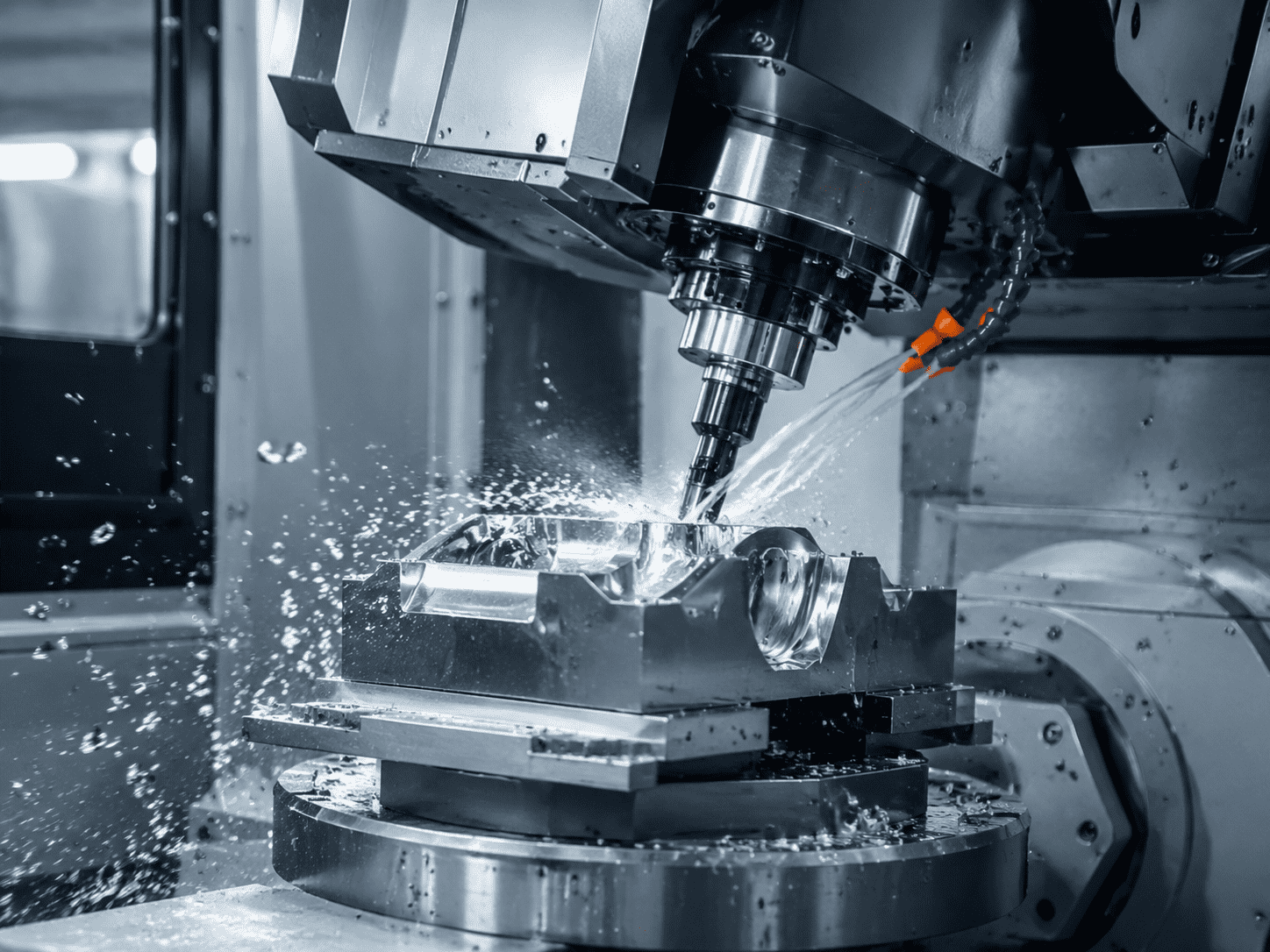
CNC steel machining covers a wide range of part types. The correct process depends on geometry, steel grade, tolerance, surface finish, quantity, and downstream treatment. Structural components often use milling for plates, blocks, brackets, housings, and frames. Turning is used for shafts, bushings, pins, threaded connectors, hydraulic parts, and round spacers. Multi-axis machining helps reduce setups for complex parts with angled features, intersecting holes, and tight positional requirements.
Material selection is the first engineering decision. Low-carbon steels are cost-effective and easy to machine, but they may need coating or plating for corrosion resistance. Alloy steels provide higher strength and fatigue resistance, especially after heat treatment. Stainless steels resist corrosion but can work harden and may require experienced machinists. Tool steels are hard, wear-resistant, and excellent for tooling, dies, molds, and fixtures, but they demand careful tool selection and sometimes pre-hard or post-hard machining strategies.
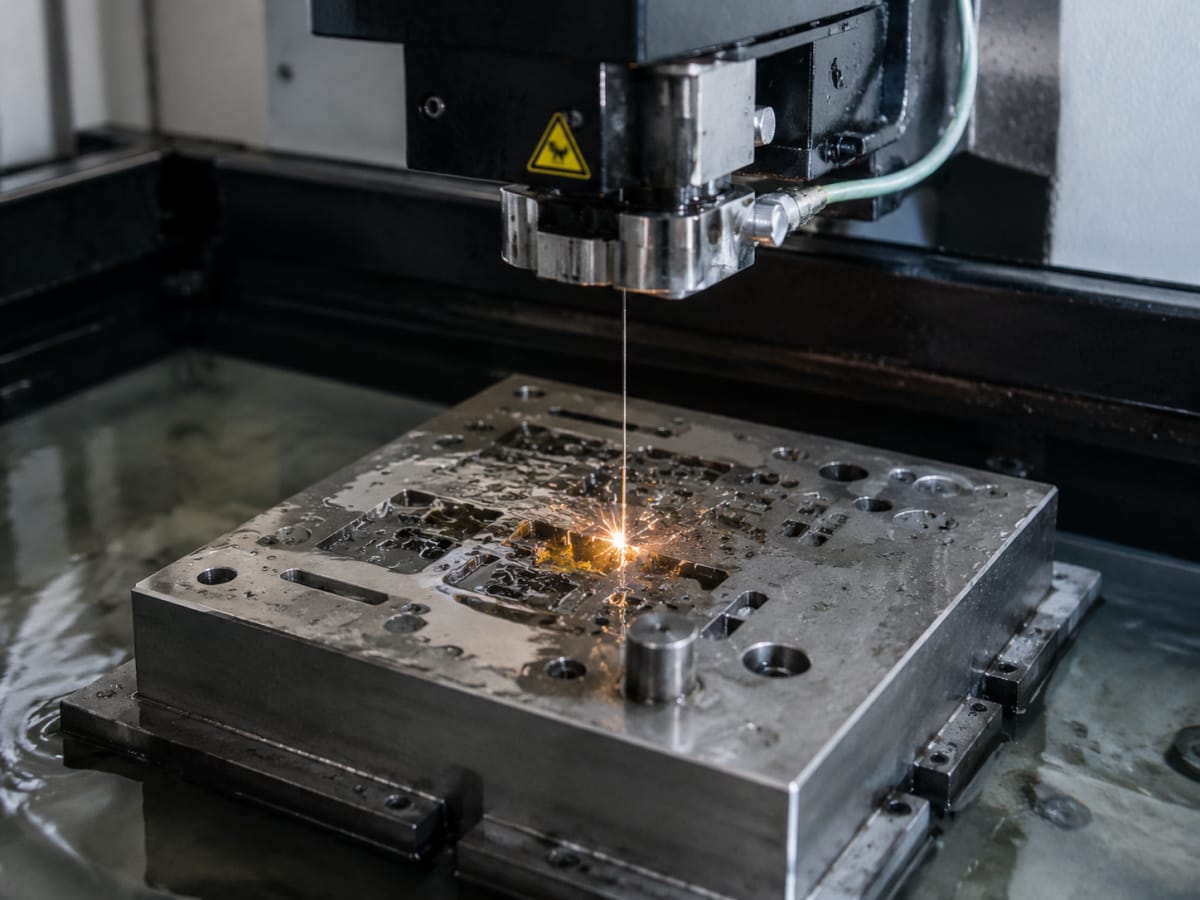
Steel CategoryCommon GradesBest UsesMachining NotesTypical FinishingBuyer CheckpointLow-carbon steel1018, A36Mounting plates, brackets, spacers, simple structural partsGood machinability and economical for prototypes and low-volume runsZinc plating, black oxide, powder coating, paintingConfirm corrosion requirements and dimensional stabilityMedium-carbon steel1045, 1144Shafts, pins, machine elements, higher-load componentsBetter strength than mild steel with manageable machining behaviorBlack oxide, induction hardening, phosphate coatingCheck strength, hardness, and post-machining treatmentAlloy steel4140, 4340High-strength structural parts, gears, tooling supports, drive componentsCan be machined annealed, pre-hard, or after heat treatment depending on toleranceHeat treatment, nitriding, black oxide, platingDefine final hardness and inspection sequence earlyStainless steel304, 316, 303Medical, food equipment, marine hardware, corrosion-resistant housingsRequires controlled speeds and feeds to reduce work hardeningPassivation, polishing, bead blasting, electropolishingConfirm corrosion environment and surface finish standardPrecipitation-hardening stainless17-4 PH, 15-5 PHAerospace, defense, shafts, strong corrosion-resistant partsOffers high strength with predictable heat treatment responsePassivation, heat treatment, precision grindingSpecify condition such as H900 or H1025Tool steelA2, D2, H13, O1Dies, punches, molds, fixtures, wear plates, cutting toolsOften requires staged machining, heat treatment, and grindingHardening, tempering, nitriding, coatingPlan tolerance after heat treatment, not before onlyThis table shows why buyers should not treat steel as one material. The same drawing can perform very differently depending on grade, heat treatment, surface protection, and inspection method. If the part is safety-critical, ask the supplier to confirm material certificates, lot traceability, hardness testing, and dimensional inspection before shipment.
Buying CNC machined steel parts is easier when requirements are translated into measurable specifications. A good RFQ package should include 3D CAD files, 2D drawings, tolerances, critical features, steel grade, finish, quantity, annual demand, target lead time, inspection requirements, and any industry compliance needs. If the part is only at concept stage, request manufacturability feedback before locking the design.
For structural parts, pay special attention to wall thickness, inside corner radii, deep pockets, thread engagement, edge breaks, weldment interfaces, and tolerance stacking. Steel is strong, but machining unnecessary material removal increases time and cost. Designers can reduce cost by allowing larger radii, avoiding excessive depth-to-diameter hole ratios, using standard tooling sizes, relaxing non-critical tolerances, and selecting stock sizes that minimize waste.
When comparing quotes, low price should be balanced against process control. A quote that excludes inspection, material certificates, heat treatment, or finishing may look attractive but create risk later. Ask whether the supplier uses CMM inspection, optical measurement, thread gauges, surface roughness testing, hardness testing, or first article inspection. For production orders, request a control plan and clear nonconformance handling process.
Lead time depends on material availability, machine capacity, part complexity, finishing, inspection, and shipping route. In the United States, quick-turn steel prototypes may ship in a few business days if geometry is simple and material is available. Complex steel parts with heat treatment, grinding, coating, and full inspection can require several weeks. For overseas manufacturing, add time for export documentation, customs, ocean or air freight, and final delivery.
Buying FactorWhy It MattersRecommended ActionRisk if IgnoredU.S. Buyer ExampleBest Evidence to RequestMaterial certificationConfirms steel grade and traceabilityRequest mill certificates with shipmentWrong strength, corrosion failure, audit problems316 stainless medical bracket in MinneapolisMTR, lot number, supplier declarationTolerance reviewPrevents overpricing and scrapMark critical-to-function dimensions clearlyHigher cost or parts that do not assemble4140 shaft for Detroit powertrain testingDFM notes and inspection planHeat treatmentChanges hardness, strength, and dimensionsDefine final condition and test methodDistortion or inconsistent mechanical properties4340 load pin for heavy equipmentHardness report and heat lot recordSurface finishAffects friction, corrosion, sealing, and appearanceSpecify Ra value or finish standardLeaks, poor fit, premature wearHydraulic manifold sealing surface in HoustonSurface roughness reportSupplier capacityDetermines delivery reliabilityCheck machine types, shifts, and production historyMissed launch dates or inconsistent batchesMonthly stainless enclosure order for California OEMCapacity statement and past project examplesCommunication speedControls revision and launch timingUse suppliers with engineering response within hours or one business daySlow design loops and unclear responsibilityStartup prototype iteration in AustinNamed project contact and response commitmentThis buying table turns a quote comparison into a risk review. For steel components, quality is often proven through documentation as much as appearance. A well-machined part should arrive with the right material, right dimensions, right finish, and a clear record of how those requirements were verified.
CNC steel machining is important because many U.S. industries cannot replace steel with plastic, aluminum, or cast materials when strength, hardness, fatigue resistance, and durability are required. In automotive engineering, steel remains essential for fixtures, drivetrain parts, test rigs, brackets, tooling, and production support equipment. In aerospace and defense, high-strength stainless and alloy steels are used for brackets, fastener-related components, structural fittings, actuator parts, and ground support equipment. In oil and gas, steel parts must resist pressure, wear, and field abuse. In medical and laboratory equipment, stainless steel is favored for corrosion resistance and cleanability.
Demand also comes from the modernization of U.S. factories. Robotics, automated conveyors, packaging lines, semiconductor support systems, and battery manufacturing equipment all use machined steel parts. When a line goes down, buyers need quick replacements. When a new machine is launched, engineers need prototypes that survive real load testing. CNC machining is often faster than casting, forging, or stamping for early production and lower-volume precision needs.
var ctx = document.getElementById(‘barIndustryDemand’).getContext(‘2d’);var barIndustryDemand = new Chart(ctx, {type: ‘bar’,data: {labels: [‘Automotive’, ‘Aerospace’, ‘Energy’, ‘Medical’, ‘Industrial Equipment’, ‘Construction’],datasets: [{label: ‘Relative Demand for Machined Steel Parts in 2026’,data: [88, 82, 76, 61, 93, 58],backgroundColor: [‘rgb(59, 130, 246)’,’rgb(16, 185, 129)’,’rgb(245, 158, 11)’,’rgb(239, 68, 68)’,’rgb(99, 102, 241)’,’rgb(107, 114, 128)’]}]},options: {responsive: true,maintainAspectRatio: false,scales: {y: {beginAtZero: true, max: 100}}}});The chart highlights strong demand from industrial equipment and automotive programs, with aerospace, energy, medical, and construction also contributing. Local supplier availability is especially strong near Detroit, Cleveland, Chicago, Houston, Dallas, Los Angeles, Phoenix, Seattle, and the Minneapolis medical device corridor.
Structural steel parts are designed to support load, maintain alignment, transfer force, or protect key systems. CNC machining is preferred when the part needs accurate holes, flat mounting surfaces, machined threads, tight fits, or repeatable assembly interfaces. Common examples include motor mounts, bearing blocks, clevises, brackets, shaft supports, lock plates, machine frames, actuator components, test fixtures, tooling bases, and reinforced connectors.
In field equipment, machined steel parts can outperform fabricated parts when precision matters. A welded bracket may be economical, but it can distort and require secondary machining. A machined bracket from solid stock may cost more initially, yet provide better alignment, cleaner assembly, and stronger repeatability. For low-volume production, CNC machining can also avoid the tooling investment required for casting, forging, or stamping.
Designers should account for stress concentrations. Sharp internal corners should be avoided where loads are high. Fillets, generous radii, and smooth transitions reduce crack initiation. Holes near edges should follow minimum distance rules. Threaded holes should have enough engagement for the load. If the part will be welded, coated, or heat treated after machining, these operations should be planned before finalizing tolerances.
For stainless structural parts, corrosion environment matters. 304 stainless is common and cost-effective, but 316 stainless is better for marine, chemical, and chloride exposure. For higher strength stainless applications, 17-4 PH can be an excellent option. For heavy machinery and impact loads, alloy steels such as 4140 and 4340 are common because heat treatment can produce high strength and toughness.
ApplicationSuggested SteelTypical ProcessCritical Tolerance AreaCommon FinishPractical Design TipLoad-bearing bracket1018, 1045, 41403-axis milling, drilling, tappingHole position and mounting flatnessZinc plating or powder coatingUse generous corner radii and avoid unnecessary tight cosmetic tolerancesDrive shaft1045, 4140, 4340CNC turning and grindingDiameter, runout, bearing seatBlack oxide or induction hardeningDefine bearing fits and final hardness on the drawingHydraulic manifold12L14, 4140, stainless steelMilling, deep drilling, threadingPort threads and sealing facesBlack oxide, plating, passivationConfirm deburring and internal cleanliness requirementsMedical equipment frame part304, 316 stainlessMilling and finishingAssembly interfaces and exposed edgesPassivation, polishing, bead blastingSpecify clean edges and surface finish for user-facing areasTooling insertA2, D2, H13Hard milling, EDM, grindingForm profile and wear surfaceHeat treatment, nitriding, coatingPlan machining allowance for heat treatment movementRobotic end-effector plate4140, 17-4 PHMulti-axis millingDatums, dowel holes, threaded holesBlack oxide or passivationUse datums that match robot assembly and inspection setupThis application table helps engineers select a practical starting point. Final decisions should reflect load calculations, environment, compliance needs, manufacturing volume, and available budget.
A Detroit-area engineering team needed a steel test fixture for a new drivetrain component. The first design used thick 4140 plates with deep pockets and tight tolerances on nearly every surface. A machining review identified that only the dowel holes, bearing surfaces, and mounting datum needed precision. By relaxing non-critical dimensions, increasing internal radii, and splitting the fixture into two bolted components, the team reduced machining time and improved inspection reliability. The final fixture used 4140 pre-hard steel, black oxide finish, and CMM inspection for the critical interfaces.
A medical device company near Minneapolis required corrosion-resistant brackets for a diagnostic instrument. The brackets needed clean edges, consistent appearance, and reliable fit during assembly. 316 stainless steel was selected because the part would be exposed to cleaning chemicals. The supplier recommended passivation and controlled deburring. Early DFM feedback removed sharp internal corners and replaced a custom slot with a standard cutter-friendly geometry. The result was a repeatable low-volume production part with fewer cosmetic rejects.
A Houston energy equipment service provider needed replacement wear blocks for field equipment. The original parts wore quickly and caused downtime. A revised design used D2 tool steel with heat treatment and post-machining grinding on the sliding face. The project required clear hardness verification and dimensional inspection after heat treatment. Although unit cost increased, service life improved, reducing emergency maintenance and freight costs.
A robotics startup in the Bay Area needed a strong end-effector plate for testing. Speed was more important than production cost in the first round. The supplier machined the part from 17-4 PH stainless and delivered a prototype for load testing. After testing, the team reduced unnecessary thickness, added relief pockets, and standardized threaded hole sizes. The second iteration lowered weight and machining time while preserving stiffness at the robot interface.
The United States has a deep base of CNC machining suppliers, from national digital manufacturing platforms to specialized precision shops. A buyer should shortlist suppliers based on material capability, part complexity, quality requirements, location, lead time, and production volume. For simple parts, a digital quoting platform can be efficient. For critical steel parts, a specialized shop with engineering review, inspection, and documented production controls may be safer.
SupplierService RegionsCore StrengthsKey OfferingsBest FitBuyer NotesXometryUnited States nationwide, with broad manufacturing networkFast online quoting, large supplier network, broad material accessCNC milling, turning, sheet metal, injection molding, finishingRapid quotes, prototypes, and distributed productionUseful for comparing pricing and lead times quicklyProtolabsUnited States, with major operations in Minnesota and digital support nationwideQuick-turn manufacturing, automated quoting, strong prototype workflowCNC machining, injection molding, 3D printing, sheet metalFast prototypes and early design validationGood when speed and process consistency are prioritiesFictivUnited States and global manufacturing networkManaged supply chain, engineering support, quality visibilityCNC machining, urethane casting, injection molding, 3D printingTeams needing program management and multi-process supportStrong option for startups and scaling hardware companieseMachineShopUnited States, based in New Jersey with online orderingAccessible quoting and custom part ordering for engineers and individualsCNC milling, turning, waterjet, laser cutting, finishingCustom parts, small batches, and straightforward machined componentsHelpful for buyers who need clear online part orderingOwens IndustriesUnited States, based in Wisconsin, serving precision industriesUltra-precision CNC machining and complex tight-tolerance work5-axis machining, micromachining, EDM, precision millingAerospace, medical, defense, and demanding tolerance projectsConsider for complex parts where precision outweighs lowest costCox ManufacturingUnited States, based in Texas, serving national OEMsHigh-volume precision screw machining and turningCNC turning, Swiss machining, production componentsRepeat production of turned steel partsGood fit for shafts, pins, fittings, and production turningTEAM RapidInternational supplier serving U.S. buyers from China-based manufacturing resourcesCost-performance, rapid prototyping, CNC machining, tooling, molding, finishing, assemblyCNC milling, turning, EDM, rapid tooling, injection molding, die casting, sheet metalPrototypes, low-volume parts, turnkey manufacturing support, and recurring productionBest evaluated with clear drawings, tolerance standards, inspection requirements, and logistics planThis supplier comparison is most useful when matched to project type. A single prototype for a university lab may need speed and convenience. A defense-related steel component may require domestic control and supplier qualification. A commercial product moving from prototype to low-volume production may benefit from a supplier that combines machining, finishing, assembly, packaging, and repeat production support.
var ctx = document.getElementById(‘comparisonSupplierChart’).getContext(‘2d’);var comparisonSupplierChart = new Chart(ctx, {type: ‘bar’,data: {labels: [‘Xometry’, ‘Protolabs’, ‘Fictiv’, ‘eMachineShop’, ‘Owens Industries’, ‘Cox Manufacturing’, ‘TEAM Rapid’],datasets: [{label: ‘Speed’,data: [86, 92, 82, 74, 68, 70, 84],backgroundColor: ‘rgba(37, 99, 235, 0.65)’}, {label: ‘Steel Precision Capability’,data: [78, 80, 79, 68, 95, 86, 82],backgroundColor: ‘rgba(16, 185, 129, 0.65)’}, {label: ‘Cost-Performance’,data: [76, 70, 74, 78, 62, 75, 90],backgroundColor: ‘rgba(245, 158, 11, 0.65)’}]},options: {responsive: true,maintainAspectRatio: false,scales: {y: {beginAtZero: true, max: 100}}}});The comparison chart gives a practical sourcing view rather than a universal ranking. Buyers should validate each supplier against their exact material, tolerance, documentation, compliance, and delivery needs.
TEAM Rapid supports U.S. customers that need CNC steel machining, rapid prototypes, low-volume production, and scalable manufacturing under an engineering-led model. With more than 10 years of manufacturing experience, ISO 9001:2015 certification, customers in more than 25 countries, over 500 satisfied customers, and more than 6000 delivered projects, the company combines in-house machining, tooling, molding, and an integrated manufacturing resource network across China to deliver one-stop support from one prototype to 100000-plus parts. Its CNC capability includes milling, turning, wire EDM, EDM, polishing, plating, painting, and other finishing options for metal and plastic parts, with tight tolerance capability down to 0.01 mm; its broader services include rapid tooling, injection molding, die casting, sheet metal fabrication, assembly, packaging, procurement support, limited warehousing, and direct shipping. TEAM Rapid works with end users, brand owners, product designers, engineers, startups, established OEMs, distributors, dealers, and individuals through flexible OEM/ODM, wholesale, retail, regional supply, and turnkey customer-owned product manufacturing models; it provides EPC/Turnkey and customer-owned plant or project solutions, not BOO or on-site bulk supply services. For U.S. buyers, its practical value is the combination of DFM reports, manufacturability analysis, fast engineering response, Western and Asian business communication experience, competitive China-based pricing, and online pre-sale and after-sale support that protects buyers through drawing review, material confirmation, production updates, inspection coordination, finishing, packaging, and shipping planning. Although the company profile does not claim U.S. warehouses or U.S. subsidiaries, it does show established experience serving international markets including the USA, the UK, France, Germany, and other regions, giving American customers a supplier that is not merely a remote exporter but a long-term manufacturing partner with proven export execution and structured buyer support.
For buyers evaluating TEAM Rapid, the best starting point is a complete RFQ package. Upload or send CAD files, 2D drawings, expected quantities, steel grade, tolerance requirements, heat treatment needs, surface finish, inspection expectations, and target delivery date. For projects that need early manufacturability input, review the company’s CNC machining service capability and request DFM feedback before finalizing drawings. If the steel machined part is part of a larger product that later needs molded housings or assembled components, buyers can also consider custom injection molding support as part of a connected launch plan.
The company’s strength is especially relevant when a U.S. buyer needs a bridge between design validation and commercial launch. A prototype may begin with CNC machining in steel or aluminum, move into rapid tooling for plastic or die-cast components, and then shift to low-volume or recurring production with finishing, packaging, and shipping support. This reduces the friction of managing multiple disconnected suppliers. Buyers can learn more about the organization through the TEAM Rapid company overview or discuss a project through the engineering and quotation contact page.
By 2026, CNC steel machining in the United States will be shaped by smarter manufacturing systems, tighter supply chain controls, and stronger sustainability expectations. Machine shops are adopting automated quoting, toolpath simulation, pallet systems, robotic loading, in-process probing, and digital inspection reporting. These technologies reduce setup time, detect errors earlier, and improve repeatability for steel parts that require tight tolerances.
Policy also matters. Reshoring incentives, Buy American preferences, defense supply chain controls, infrastructure spending, and medical device compliance all influence where parts are sourced. U.S. buyers may split sourcing strategies: domestic suppliers for regulated, urgent, or sensitive components, and qualified international suppliers for cost-effective prototypes, low-volume production, or non-sensitive commercial parts. The most resilient buyers maintain approved alternatives instead of relying on a single source.
Sustainability is becoming more practical and measurable. Buyers are asking about material yield, recyclable scrap handling, energy-efficient machining, coolant management, durable coatings, and design changes that reduce waste. A steel part that lasts longer may support sustainability by reducing replacement frequency, even if its initial material impact is higher than a lighter alternative. Good DFM work can also reduce material removal, cycle time, and scrap.
var ctx = document.getElementById(‘areaTrendShift’).getContext(‘2d’);var areaTrendShift = new Chart(ctx, {type: ‘line’,data: {labels: [‘2021’, ‘2022’, ‘2023’, ‘2024’, ‘2025’, ‘2026’],datasets: [{label: ‘Digital Quoting and Automated Review Adoption’,data: [35, 43, 52, 64, 73, 82],fill: true,borderColor: ‘rgb(14, 165, 233)’,backgroundColor: ‘rgba(14, 165, 233, 0.22)’,tension: 0.35}, {label: ‘Sustainability and Traceability Requirements’,data: [28, 34, 45, 55, 67, 78],fill: true,borderColor: ‘rgb(34, 197, 94)’,backgroundColor: ‘rgba(34, 197, 94, 0.18)’,tension: 0.35}]},options: {responsive: true,maintainAspectRatio: false,scales: {y: {beginAtZero: true, max: 100}}}});The area chart illustrates how digital workflow and traceability expectations are rising together. In practical terms, buyers should expect more suppliers to provide online quoting, DFM feedback, inspection data, and clearer production records.
The cost of CNC steel machining depends on material price, stock size, machine time, tool wear, setup complexity, tolerance, finishing, inspection, and order quantity. Steel is generally harder on tools than aluminum and many plastics, so machining time and tooling strategy matter. Deep pockets, thin walls, long-reach tools, tight flatness, small internal radii, and many tapped holes increase cost. Heat treatment can add cost and lead time, especially if distortion requires grinding or secondary finishing.
Quantity changes the economics. A single prototype carries setup and programming cost across one part. A batch of 50 or 500 spreads that setup cost and allows better fixture planning. However, buyers should not jump to high quantities before validating the design. A staged plan is often safer: prototype, test, revise, pilot batch, inspect, then production release.
Domestic U.S. lead times can be shorter for simple parts, especially near major manufacturing hubs. International production may offer lower unit cost, broader process integration, and strong low-volume manufacturing support, but buyers must plan shipping and customs. For urgent replacement parts, air freight may be justified. For planned production, ocean freight through Los Angeles, Long Beach, Houston, Savannah, or New York-New Jersey can reduce logistics cost.
To reduce cost, simplify geometry without weakening the part. Use standard material sizes, standard threads, accessible features, realistic tolerances, and finishes that match function. Avoid specifying stainless steel when coated carbon steel is sufficient. Avoid tool steel if 4140 can meet the load and wear requirements. Ask the supplier for alternatives, but make final decisions based on performance evidence.
Quality control for machined steel parts should be defined before production begins. A strong inspection plan identifies critical dimensions, measurement tools, sampling frequency, and acceptance criteria. For high-risk parts, first article inspection should be completed before full production. For repeat orders, trend data can identify tool wear or process drift before nonconforming parts reach assembly.
Material traceability is especially important in steel machining. The wrong alloy can look correct but fail under load, corrosion, or heat. Buyers should request material test reports when strength, compliance, or safety matters. If heat treatment is used, hardness results and process records should be reviewed. If coating or plating is required, coating thickness and adhesion may also need verification.
Surface finish should be measurable when it affects sealing, sliding, fatigue, or appearance. A note such as “smooth finish” is not enough for a precision supplier. Use Ra values or recognized finish standards. For sharp edges, define deburring requirements. For threaded holes, define thread class and gauge requirements. For parts with internal channels, define cleanliness expectations.
Packaging is part of quality. Steel parts can rust, scratch, dent, or contaminate during shipment. Suppliers should use rust prevention, part separation, protective wrapping, and clear labeling when required. For overseas shipments, packaging must handle longer transit time and humidity changes. A low-cost part that arrives rusted or mixed without traceability can become expensive quickly.
CNC steel machining is the controlled removal of material from steel using computer-guided mills, lathes, EDM equipment, drills, and other machine tools. It produces accurate parts from steel bar, plate, billet, or pre-machined stock. It is used when strength, precision, repeatability, and durability are required.
For general structural parts, 1018, A36, and 1045 are common. For higher strength, 4140 and 4340 are widely used. For corrosion resistance, 304 and 316 stainless are common, while 17-4 PH stainless is useful when both strength and corrosion resistance are needed. Tool steels such as A2, D2, and H13 are better for wear parts, dies, and tooling.
Many suppliers can hold general tolerances around ±0.005 inch for standard features, and tighter tolerances may be possible with the right geometry, machine, process, and inspection method. TEAM Rapid states tight tolerance capability down to 0.01 mm for CNC machining. Buyers should only apply very tight tolerances to critical features because unnecessary precision increases cost.
No. Domestic machining is often best for urgent, regulated, ITAR-sensitive, or highly collaborative projects. Qualified overseas suppliers can be valuable for cost-performance, integrated finishing, prototypes, low-volume production, and recurring commercial orders. The right decision depends on risk, documentation, lead time, communication, and total delivered cost.
Use standard material sizes, avoid excessive tight tolerances, increase internal radii, reduce deep pockets, standardize threads, simplify setups, and select the most appropriate steel grade. Request DFM feedback before production. For repeat orders, consider fixtures and batch planning to reduce cycle time.
Send 3D CAD files, 2D drawings, steel grade, quantity, tolerances, surface finish, heat treatment requirements, inspection needs, delivery address, and target lead time. If you are unsure about material or finish, ask the supplier to recommend options based on load, environment, wear, and budget.
Yes. CNC machining is excellent for one-off prototypes, functional testing, bridge production, and repeat manufacturing. It is especially useful before investing in casting, forging, stamping, or tooling. Suppliers with strong engineering support can help refine the part before production volumes increase.
Common options include black oxide, zinc plating, nickel plating, passivation for stainless steel, painting, powder coating, phosphate coating, polishing, bead blasting, nitriding, and heat treatment. The best finish depends on corrosion resistance, appearance, wear, friction, and assembly requirements.
DFM identifies design risks before production. It can reduce machining time, prevent tool access problems, improve strength, reduce scrap, and clarify tolerances. For steel parts, DFM is especially valuable because material removal, tool wear, heat treatment, and finishing can significantly affect cost and quality.
Check ISO certification, export experience, engineering response time, inspection capability, material traceability, communication quality, finishing support, packaging standards, and after-sales problem handling. Request sample reports or prototype orders before committing to production. A reliable supplier should provide clear technical feedback, not just a low quote.
CNC steel machining in the United States is a high-value manufacturing route for strong structural parts when buyers define the right steel grade, tolerances, inspection standards, and supplier expectations. Local U.S. suppliers offer speed, proximity, and strong support for regulated or urgent work. Qualified international suppliers such as TEAM Rapid can add cost-performance, engineering support, finishing integration, and flexible production capacity for prototypes through low-volume and recurring production. The best result comes from a disciplined RFQ, early DFM review, clear documentation, and supplier selection based on proven capability rather than price alone.
If you are sourcing injection molding packaging in the United States, the most practical options usually come from established custom molders and packaging specialists that can support food, medical, consumer, and industrial programs with repeatable quality, tooling support, and scalable output. For buyers that need dependable execution, five names commonly worth evaluating are Berry Global, Silgan Plastics, Comar, Aptar, and Rosti, depending on whether the program focuses on closures, rigid containers, healthcare packaging, dispensing systems, or custom molded components.
For regional sourcing, Midwest and Southeast manufacturing corridors remain especially important because they connect efficiently to distribution hubs such as Chicago, Atlanta, Dallas, Los Angeles, New Jersey, Savannah, and the Port of Long Beach. Buyers in the United States often prefer suppliers that can combine design for manufacturability, resin selection, mold maintenance, sampling, validation, and contract packaging support under one supply model.
Qualified international suppliers can also be a smart option when cost-performance matters. In particular, experienced Chinese manufacturing partners with strong engineering review, relevant certifications, and responsive pre-sales and after-sales support can help United States buyers reduce tooling and unit costs while still maintaining packaging quality, documentation discipline, and reliable launch schedules.
Injection molding packaging remains a core manufacturing route in the United States because it balances speed, precision, repeatability, and cost control across very large production volumes. The process is widely used for caps, closures, lids, jars, dispensers, inserts, trays, medical housings, tamper-evident features, measuring components, protective covers, and many secondary packaging parts. Compared with alternatives such as thermoforming, blow molding, or paper conversion, injection molding is especially attractive when the package requires tight tolerances, functional geometry, assembly compatibility, branding features, or durable wall sections.
In the United States market, growth is driven by several converging factors. Brand owners want lighter components that use less resin without sacrificing drop performance. Retailers want packaging formats that improve shelf impact and pallet efficiency. E-commerce companies need packaging components that survive longer distribution cycles. Food and personal care brands need closures and dispensers that deliver consistent user experience. Medical and laboratory buyers need high cleanliness, dimensional repeatability, and traceability. At the same time, purchasing teams continue to pressure suppliers for lower total landed cost, shorter lead times, and more resilient sourcing strategies.
Geographically, packaging injection molding activity is concentrated around manufacturing and logistics corridors that make supply chain execution easier. The Great Lakes region remains strong because of machinery access, skilled labor, resin logistics, and central distribution reach. The Southeast continues to gain share because of lower operating costs and excellent freight links through Atlanta, Charlotte, and Savannah. Texas remains important for industrial and consumer packaging due to resin availability, Gulf Coast logistics, and strong links to Mexico. California and neighboring Western states remain strategic for innovation-heavy packaging, premium consumer products, and fast-moving startup programs despite higher operating costs.
The United States also benefits from a deep resin and tooling ecosystem. Polypropylene, polyethylene, PET-compatible components, nylon, ABS, TPE, and engineering plastics remain widely available. Domestic and nearshore supply strategies have become more common after years of freight volatility and inventory disruption. Even so, overseas tooling and hybrid sourcing models still play an important role, especially where the buyer needs aggressive pricing, quick prototype iterations, or flexible low-volume to mid-volume scale-up before transferring demand into larger North American production.
var ctx1 = document.getElementById(‘lineChartMarket’).getContext(‘2d’);var chart1 = new Chart(ctx1, { type: ‘line’, data: { labels: [‘2021’, ‘2022’, ‘2023’, ‘2024’, ‘2025’, ‘2026’], datasets: [{ label: ‘U.S. Injection Molding Packaging Market Index’, data: [100, 106, 111, 118, 124, 131], borderColor: ‘rgb(54, 162, 235)’, backgroundColor: ‘rgba(54, 162, 235, 0.15)’, fill: false, tension: 0.3 }] }, options: { responsive: true, maintainAspectRatio: false }});The line chart above illustrates a realistic growth trajectory for the United States injection molding packaging market. It reflects continued demand from healthcare, food closures, personal care dispensers, and e-commerce-protective formats. Growth is not explosive, but it is durable, which is one reason buyers continue to invest in tooling, cavity optimization, hot runner systems, and automated inspection.
Injection molded packaging includes a wider range of products than many first-time buyers expect. Some are primary packaging parts that directly contact the product, while others are secondary or tertiary components used for handling, presentation, dosing, sealing, organizing, and protecting goods in transit. The right category depends on the product’s sensitivity, volume, retail channel, and compliance requirements.
Product Type Typical Materials Main Use Key Advantage Common U.S. Industries Notes for Buyers Caps and Closures PP, HDPE, LDPE Bottles, jars, pouches High-speed repeatability Beverage, food, home care Thread accuracy and sealing consistency are critical Dispensing Components PP, TPE, POM Pumps, flip tops, dosing parts Functional precision Personal care, pharma Assembly validation usually affects total cost Rigid Containers PP, PET blends, HDPE Jars, tubs, specialty containers Good branding surface Food, nutraceuticals Weight reduction must not weaken top load performance Medical Housings and Trays PC, ABS, PP, medical resins Diagnostic kits, handling trays Tight tolerances Medical devices, lab Validation, cleanliness, and traceability matter most Protective Inserts PP, HIPS, ABS Product retention and transport protection Dimensional stability Electronics, industrial goods Often paired with contract packaging and kitting Custom Functional Parts Wide material range Latches, covers, internal fittings Design freedom Consumer, industrial, automotive aftermarket DFM review strongly affects tooling successThe table shows why injection molding packaging is not limited to a single package format. United States buyers often combine several of these components into one finished SKU. For example, a healthcare product may require a molded tray, a closure, an internal insert, and a small functional housing. In those cases, sourcing from a supplier that can coordinate tooling, molding, finishing, assembly, and packaging can reduce vendor complexity and shorten launch timing.
Successful packaging procurement in the United States rarely depends on piece price alone. The larger cost drivers usually include tooling life, cycle time, cavity count, automation level, scrap rate, resin yield, quality fallout, packaging labor, and freight density. Buyers should therefore compare suppliers on total delivered value rather than only quoting a unit cost from a simple CAD model.
Start with the application. If the part will contact food, cosmetics, or medical products, confirm material compliance early and ask how the supplier manages incoming resin verification, process control, and contamination risk. If the package needs a specific tactile feel, snap-fit strength, hinge life, or sealing force, request engineering input before tool launch. Many expensive tooling corrections happen because the initial design was optimized for appearance rather than manufacturability.
Tooling strategy is equally important. For new programs, a phased approach often works best: prototype the concept, validate fit and function, launch rapid tooling or a bridge mold for market testing, then move to hardened multi-cavity production tooling once demand stabilizes. This approach helps startups and mid-sized brands avoid overinvesting too early. Larger consumer packaged goods brands, by contrast, may prefer immediate high-cavitation tooling when forecast confidence is high.
Domestic versus overseas sourcing should be evaluated case by case. Domestic suppliers usually offer easier plant visits, simpler communication, and lower logistics risk. International suppliers can offer lower tooling and production costs, especially when paired with strong project management and transparent validation. Hybrid models are increasingly common: tooling may be developed overseas for cost efficiency, while some later-stage production or regional distribution support occurs closer to the United States customer base.
Buying Factor Why It Matters Questions to Ask Risk If Ignored Best Fit Scenario Buyer Priority Level Material Compliance Protects product safety and legal access What resin documentation is provided? Regulatory failure Food, pharma, cosmetics Very High Tool Design Quality Drives cycle time and part consistency Is DFM included before cutting steel? Frequent mold rework New product launches Very High Cavity Strategy Affects unit cost and output How will demand scale over time? Capacity bottlenecks Retail and FMCG High Automation Level Improves consistency and labor efficiency What is automated in molding and packing? Higher labor variation High-volume programs High Quality System Supports repeatability and traceability What certifications and inspections apply? Customer complaints All serious programs Very High Freight and Warehousing Impacts landed cost and service level Can the supplier support stocking plans? Stockouts or excess inventory Nationwide U.S. supply Medium to HighThe buying table highlights an important reality: in packaging injection molding, engineering discipline and supply-chain planning are often more valuable than chasing the lowest nominal quote. Buyers that work with suppliers able to provide design feedback, sampling discipline, and replenishment planning usually see fewer launch disruptions.
Injection molded packaging supports a wide span of sectors in the United States. Food and beverage remain major users because closures, lids, measuring accessories, and rigid tubs demand repeatable molding. Personal care brands use the process for hinged caps, dispensers, jars, and presentation-oriented components. Healthcare and diagnostics rely on molded trays, housings, and precision plastic parts with clean processing controls. Consumer electronics and industrial products use molded inserts and protective packaging features that preserve products during shipping and shelf handling.
var ctx2 = document.getElementById(‘barChartIndustry’).getContext(‘2d’);var chart2 = new Chart(ctx2, { type: ‘bar’, data: { labels: [‘Food & Beverage’, ‘Personal Care’, ‘Medical’, ‘Household’, ‘Industrial’, ‘E-commerce’], datasets: [{ label: ‘Estimated U.S. Demand Share Index’, data: [92, 78, 74, 61, 55, 68], backgroundColor: [ ‘rgb(255, 99, 132)’, ‘rgb(255, 159, 64)’, ‘rgb(75, 192, 192)’, ‘rgb(54, 162, 235)’, ‘rgb(153, 102, 255)’, ‘rgb(201, 203, 207)’ ] }] }, options: { responsive: true, maintainAspectRatio: false }});The bar chart shows realistic relative demand across end-use sectors in the United States. Food and beverage lead because closures and lids run in enormous volumes, while personal care and medical continue to support premium and precision applications. E-commerce is increasingly important because brands want molded protective features that reduce damage and improve unboxing experience.
Applications vary widely even within a single industry. A beverage closure program emphasizes thread precision, torque consistency, and leak prevention. A nutraceutical jar may focus more on shelf appeal, child-resistance, and label compatibility. A medical tray may prioritize nesting behavior, dimensional repeatability, and clean handling. Understanding the exact use case is essential because it determines resin selection, wall thickness, venting, gate location, and post-molding inspection criteria.
In the United States, injection molding packaging is especially common for resealable consumer packaging, tamper-evident closures, retail presentation components, dosing features, laboratory consumables, warehouse handling inserts, refill systems, and industrial protective packaging. The process is often selected when the part needs integrated features that would be difficult or expensive to create by other methods. Living hinges, snap fits, threaded closures, precision channels, and multi-part assemblies are all examples where injection molding offers strong commercial value.
More brands are also using injection molding to support packaging differentiation. Textures, embossed logos, matte and gloss combinations, color management, and structural features can all enhance shelf presence. For premium personal care and home goods, these details matter because they influence user perception as much as functionality. For industrial and medical buyers, the focus tends to shift toward fit, traceability, sterility compatibility, and repeatable performance in downstream automation.
A common United States case is the fast-growing wellness brand that needs a custom closure and scoop retention system for a new powder product. The program starts with CAD concepting and a DFM review to reduce undercuts and improve moldability. Rapid prototypes validate user handling. A bridge tool supports pilot sales through regional distributors in California and Texas. Once demand proves stable, the design moves into higher-cavitation production with optimized cycle time and a stronger quality plan.
Another typical case involves a medical device manufacturer in the Northeast launching a diagnostic consumable tray. Here, precision is more important than cosmetic flexibility. The supplier must validate dimensions, reduce particulate risk, and maintain traceability by lot. The tooling may cost more than a consumer package, but the repeatability supports regulated production and consistent automation on the customer’s filling line.
A third case is an industrial parts supplier needing protective internal packaging for kits shipped through national e-commerce channels. The injection molded insert replaces a less stable foam arrangement. The result is lower damage rates, improved presentation, and easier assembly in distribution centers near Chicago and Dallas. Although the up-front tool investment is higher, the savings from reduced returns and faster pack-out often justify the project quickly.
The United States market includes large multinational packaging groups, healthcare-focused molders, and specialized custom injection molding companies. The best supplier depends on whether the buyer values scale, validation depth, turnkey assembly, or development flexibility. The following companies are practical names to evaluate for injection molding packaging programs in the United States.
Company Service Region Core Strengths Key Offerings Best For Notes Berry Global Nationwide U.S. and global Large-scale packaging production Closures, containers, rigid packaging High-volume consumer brands Strong for established programs with broad reach Silgan Plastics United States Rigid plastic packaging specialization Jars, containers, custom molding Food, healthcare, household goods Useful where domestic network coverage matters Comar United States with healthcare focus Medical and pharmaceutical packaging Precision molded packaging and components Diagnostics and healthcare buyers Strong fit for regulated applications Aptar U.S. and international Dispensing and drug delivery systems Closures, pumps, specialty dispensing Personal care and pharma brands Best when functionality drives package choice Rosti North America and global Complex custom molding and assembly Precision components, packaging parts Custom technical packaging Good for engineered multi-part solutions Tessy Plastics United States High-precision molding and contract manufacturing Medical, consumer, technical components Quality-critical packaging assemblies Often considered for advanced molding projectsThis supplier table is useful because it separates broad-volume packaging leaders from more specialized molders. Large groups like Berry Global and Silgan Plastics are often suited to mature, high-volume consumer programs. Companies such as Comar and Tessy Plastics are more relevant when precision, healthcare discipline, or controlled-process execution matter. Aptar stands out when dispensing function is central to the package experience.
When comparing suppliers, United States buyers should look beyond market reputation and review how each company aligns with the exact package design, target volume, logistics pattern, and compliance burden. Not every supplier that can mold plastic is a good packaging partner, and not every packaging giant is agile enough for a mid-volume custom launch.
Supplier Typical Volume Fit Engineering Support Assembly/Packaging Support Healthcare Suitability Cost Position Berry Global Very high Strong Broad Moderate to strong Competitive at scale Silgan Plastics High Strong Good Moderate Solid domestic value Comar Medium to high Very strong Good Very strong Higher value for regulated work Aptar Medium to very high Very strong Integrated function focus Strong Premium for specialty systems Rosti Medium to high Very strong Strong Moderate Good for engineered custom parts Tessy Plastics Medium to high Very strong Strong Very strong Value comes from precision and controlThe comparison table helps clarify positioning. For example, a fast-moving retail closure may fit Berry Global or Silgan Plastics well, while a regulated tray or technical molded housing may align better with Comar or Tessy Plastics. A dispensing-led beauty or healthcare product may benefit from Aptar’s system expertise.
var ctx3 = document.getElementById(‘areaChartShift’).getContext(‘2d’);var chart3 = new Chart(ctx3, { type: ‘line’, data: { labels: [‘2021’, ‘2022’, ‘2023’, ‘2024’, ‘2025’, ‘2026’], datasets: [{ label: ‘Share of Lightweight and Recyclable Packaging Programs’, data: [34, 39, 45, 52, 58, 65], borderColor: ‘rgb(75, 192, 192)’, backgroundColor: ‘rgba(75, 192, 192, 0.25)’, fill: true, tension: 0.35 }] }, options: { responsive: true, maintainAspectRatio: false }});The area chart shows a realistic trend shift in the United States toward lightweight and more recyclable injection molded packaging. This reflects resin optimization, mono-material strategies, design simplification, and retailer pressure for more sustainable packaging formats. By 2026, this shift is likely to influence both supplier selection and tool design choices more strongly than in the past.
var ctx4 = document.getElementById(‘comparisonChartSuppliers’).getContext(‘2d’);var chart4 = new Chart(ctx4, { type: ‘bar’, data: { labels: [‘Berry Global’, ‘Silgan Plastics’, ‘Comar’, ‘Aptar’, ‘Rosti’, ‘Tessy Plastics’], datasets: [{ label: ‘Supplier Capability Score’, data: [89, 84, 86, 90, 82, 85], backgroundColor: [ ‘rgb(153, 102, 255)’, ‘rgb(255, 205, 86)’, ‘rgb(54, 162, 235)’, ‘rgb(255, 99, 132)’, ‘rgb(75, 192, 192)’, ‘rgb(201, 203, 207)’ ] }] }, options: { responsive: true, maintainAspectRatio: false }});This comparison chart gives a practical visual view of overall supplier suitability based on broad factors such as scale, engineering depth, packaging specialization, and technical execution. It is not a ranking for every project. Instead, it shows that different United States suppliers have different strengths, and buyers should match them to the application rather than assume one company is best in all cases.
For United States buyers seeking a flexible partner for injection molding packaging, TEAM Rapid’s manufacturing profile is most relevant where speed, engineering feedback, and cost-performance need to work together. The company operates under ISO 9001:2015 quality management and combines in-house machining, tooling production, molding capability, and an integrated manufacturing resource network across China to support projects from a single prototype to more than 100000 parts, which is important for packaging programs that may begin with pilot quantities and then scale into repeat production. Its practical strengths for packaging include DFM-driven optimization, rapid tooling, injection molding, insert molding, over molding, custom plastic parts, finishing, assembly, and contract packaging support, all backed by documented manufacturability review that can reduce resin usage, improve cavity strategy, shorten cycle time, and limit quality risk before tooling release. In commercial terms, the company supports OEM, ODM, wholesale, repeat production, and customer-owned plant style turnkey manufacturing solutions rather than BOO or on-site bulk supply models, which makes it suitable for end users, distributors, dealers, brand owners, and product developers who need either custom launch support or recurring replenishment. For United States customers, its established export experience across more than 25 countries, record of over 6000 delivered projects, quick engineering responses within hours, limited warehousing, direct shipping, and ability to integrate injection molding services, CNC machining support, assembly, and packaging provide real pre-sale and after-sale assurance for buyers managing launches across American distribution networks. Companies that want to discuss local project needs can also contact the team directly for quote review, DFM input, and launch planning.
By 2026, injection molding packaging in the United States will be shaped by three major trends: smarter manufacturing, stricter sustainability expectations, and more regionally resilient sourcing. Smart manufacturing means broader use of cavity-pressure monitoring, inline vision inspection, data logging, predictive maintenance, and automated pack-out systems. These technologies help suppliers reduce scrap, stabilize dimensions, and improve traceability, which is especially important for healthcare and high-volume consumer packaging.
Policy and retailer pressure will also push sustainability further. Brands will be asked to justify resin choices, improve recyclability, reduce excess wall thickness, and simplify mixed-material packaging. More buyers will favor mono-material concepts and molded parts designed for easier separation or reprocessing. Lightweighting will remain one of the fastest ways to reduce both material cost and environmental burden, but it will need to be balanced carefully against top-load strength, hinge life, and shipping durability.
The third trend is sourcing diversification. United States companies will keep developing domestic capacity, but many will also preserve relationships with qualified international partners to manage cost, tooling flexibility, and contingency planning. Hybrid models that combine overseas tooling, U.S. inventory support, and regional assembly or packaging are likely to expand. For procurement leaders, the most effective suppliers in 2026 will be those that combine engineering depth, transparent quality systems, and supply-chain adaptability.
What is injection molding packaging best used for?It is best used for packaging parts that need precision, repeatability, functional geometry, and scalable output, such as caps, closures, trays, dispensers, jars, inserts, and custom protective components.
Is injection molding better than thermoforming for packaging?It depends on the application. Injection molding is usually better for complex geometry, tight tolerances, and durable functional features. Thermoforming can be more economical for simpler tray formats with lower structural demands.
What materials are common in injection molded packaging?Polypropylene, HDPE, LDPE, ABS, PET-related compatible materials, TPE, nylon, and specialty medical-grade resins are all commonly used depending on performance and compliance requirements.
How long does tooling usually take?Lead time varies by complexity, cavity count, and validation requirements. A bridge tool may move relatively quickly, while hardened multi-cavity production tooling takes longer, especially when qualification protocols are strict.
Can international suppliers serve United States packaging programs effectively?Yes, if they provide strong DFM support, clear quality processes, reliable logistics, and responsive communication. Many buyers use international suppliers for tooling, pilot production, or cost-sensitive custom packaging components.
What should I ask a supplier before placing an order?Ask about DFM review, material compliance, sampling process, tooling ownership, cavity strategy, automation level, quality inspection, packaging method, freight planning, and how engineering changes are handled after tool kickoff.
Why are local logistics hubs important?Because packaging demand is often tied to regional filling, assembly, and distribution. Suppliers that serve hubs such as Chicago, Atlanta, Dallas, New Jersey, Los Angeles, and Savannah can often support faster replenishment and smoother freight execution.
Can one supplier handle development through production?Yes. Many buyers prefer a partner that can cover prototype work, tooling, injection molding, assembly, and packaging because it reduces handoff risk and simplifies program management.
If you need CNC machining for oil and gas parts in the United States, the best choice depends on whether your priority is speed, ultra-tight tolerance, field-proven heavy components, or a scalable sourcing model. For fast quoting and broad national coverage, Xometry and Protolabs are practical options for prototypes and short runs. For complex precision work, Owens Industries is strong on tight-tolerance machining. For production-oriented turned components, Cox Manufacturing is a solid fit. For engineered industrial metal parts with fabrication depth, Fathom can be worth reviewing. In the Gulf Coast energy corridor, buyers in Houston, Midland, Odessa, Corpus Christi, and along Port Fourchon often shortlist suppliers that can document materials, hold repeatable tolerances, and support inspection packages suitable for upstream, midstream, and downstream use.
Recommended U.S.-focused shortlist: Xometry, Protolabs, Owens Industries, Cox Manufacturing, and Fathom. These companies are widely recognized for CNC capabilities, responsive quoting, or precision manufacturing support. For buyers balancing cost, lead time, and engineering support, qualified international suppliers can also be considered. Well-managed Chinese partners with ISO-certified quality systems, detailed DFM review, strong pre-sales and after-sales support, and experience shipping into the United States may offer meaningful cost-performance advantages for prototypes, bridge quantities, and repeat component programs.
The United States remains one of the most important markets for CNC-machined oil and gas components because it combines high drilling activity, complex refining infrastructure, LNG growth, pipeline modernization, and a large installed base of field equipment. Demand does not come from one single segment. It comes from shale plays in Texas and New Mexico, offshore activity linked to the Gulf Coast, processing equipment in Louisiana, compressor and pump systems across Oklahoma, and maintenance-driven replacement demand from Pennsylvania to Colorado. That diversity matters because CNC machining requirements differ widely across the sector. A mud pump fluid end, a valve body, a seal carrier, a precision sleeve, and a downhole sensor housing each call for different materials, tolerances, and inspection plans.
For U.S. buyers, the market has moved well beyond simply finding a machine shop with mills and lathes. Purchasing teams now expect traceable materials, documented process control, repeatability across batches, and suppliers that understand industry-specific challenges such as corrosion, erosion, sour service, pressure containment, and high-cycle fatigue. In practical terms, that means a supplier often needs to do more than cut metal. It may need to support material certification review, GD&T interpretation, first article inspection, PPAP-like documentation for internal quality systems, and secondary processes such as passivation, anodizing, plating, welding, assembly, or pressure-related finishing workflows.
The strongest regional buying centers are still clustered around Houston, Midland, Odessa, Dallas-Fort Worth, Tulsa, Denver, Pittsburgh, and the Louisiana corridor near Baton Rouge and New Orleans. The Port of Houston remains especially relevant because it acts as a logistics hub for domestic and international movement of industrial components, while Port Fourchon supports offshore-linked demand. These hubs influence supplier selection because proximity can reduce freight time, simplify engineering visits, and improve response speed when a maintenance outage or drilling schedule compresses the sourcing window.
Another defining feature of the U.S. market is the coexistence of two buying styles. One is highly local and relationship-driven, especially for repair, emergency replacement, and plant support. The other is digitally sourced and multi-region, where procurement teams compare CNC partners nationwide based on price, lead time, inspection depth, and historical performance. This is why both traditional regional machine shops and platform-driven manufacturers now compete in oil and gas machining.
In 2026, buyers are expected to place even greater emphasis on supply-chain resilience, domestic response capacity, energy-transition compatibility, and sustainable production practices. That does not remove the need for conventional oil and gas machinery. Instead, it raises the bar on machining efficiency, documentation, and lifecycle thinking. Components must last longer, waste less material, and fit into more disciplined maintenance and asset-management strategies.
var ctxLine = document.getElementById(‘lineChart’).getContext(‘2d’);var lineChart = new Chart(ctxLine, { type: ‘line’, data: { labels: [‘2021’, ‘2022’, ‘2023’, ‘2024’, ‘2025’, ‘2026’], datasets: [{ label: ‘U.S. Oil and Gas CNC Machining Demand Index’, data: [74, 81, 88, 94, 101, 109], borderColor: ‘rgb(34, 139, 230)’, backgroundColor: ‘rgba(34, 139, 230, 0.12)’, fill: false, tension: 0.25 }] }, options: { responsive: true, maintainAspectRatio: false }});The line chart above reflects a realistic demand trend rather than an official government index. It illustrates what many buyers have experienced in the field: a rebound from cyclical lows, followed by a shift toward more disciplined but steady spending on reliable machined components. Growth is less about volume alone and more about specification complexity, quicker replacement cycles, and tighter documentation requirements.
CNC machining for oil and gas covers a wide span of components, from simple turned bushings to multi-axis milled housings with strict concentricity and sealing surface requirements. Material choice and process route are critical because many parts operate under severe pressure, vibration, temperature swings, chemical exposure, or abrasive media. In the United States, common materials include 316 and 17-4 stainless steel, Inconel grades, duplex and super duplex stainless steels, carbon steel, aluminum for non-pressure support parts, brass for selected fittings, and engineering plastics such as PEEK, PTFE, UHMW, acetal, and nylon for wear, insulation, or sealing functions.
Machining methods commonly include CNC turning for cylindrical components, 3-axis to 5-axis milling for housings and blocks, wire EDM for intricate profiles, sinker EDM for harder-to-machine details, and grinding or polishing where sealing, wear, or mating surfaces matter. In oilfield use, even a relatively modest-looking part may require multiple operations plus careful deburring and inspection because burrs, tool marks, and edge break inconsistencies can affect sealing, fluid flow, or assembly reliability.
Common CNC-Machined Oil and Gas Parts in the United States Part Type Typical Materials Main Process Typical Use Critical Requirement Notes for Buyers Valve bodies 316 SS, duplex, carbon steel 3-axis or 5-axis milling Flow control systems Pressure integrity and sealing surfaces Ask about material traceability and finish control Pump sleeves 17-4 PH, hardened alloys CNC turning and grinding Pumps and rotating assemblies Concentricity and wear resistance Surface finish often affects service life Connector housings Stainless steel, aluminum Milling and tapping Instrumentation and controls Thread quality and dimensional stability Useful for upstream sensing packages Bushings and spacers Bronze, PEEK, stainless steel CNC turning Wear interfaces and supports Tolerance repeatability Simple geometry still needs accurate lot control Flanges and adapters Carbon steel, stainless steel Turning and milling Pipeline and process equipment Flatness and bolt pattern accuracy Review any coating or corrosion requirements Sensor enclosures Aluminum, stainless steel, PEEK Milling and turning Monitoring equipment Fit, environmental resistance, cable routing Often pairs with sealing or molded accessories Manifolds 316 SS, duplex, aluminum bronze Multi-axis milling Fluid routing systems Internal passages and leak control Complex parts benefit from DFM reviewThis table shows why oil and gas machining should not be treated as a generic buying category. Different parts require different process stability, secondary operations, and inspection logic. A buyer sourcing only by unit price can easily miss hidden risks such as poor finish on a sealing face, incorrect thread control, or insufficient documentation for a regulated customer environment.
When buying CNC machining for oil and gas in the United States, the safest method is to evaluate the supplier in four layers: engineering capability, production control, documentation discipline, and logistics support. Engineering capability matters because many issues should be addressed before machining starts. That includes corner radii that are difficult to tool, blind features that trap chips, unnecessary tolerance stacking, and material choices that drive cost without improving function. A good supplier asks questions early, not after scrap appears.
Production control matters because repeatability is usually more valuable than one good first piece. Oil and gas buyers often reorder over long service intervals, meaning a supplier must maintain process discipline even when production is intermittent. Documentation discipline matters because material certs, inspection records, and revision control can decide whether a part is accepted or rejected. Logistics support matters because many orders are urgent, especially around plant shutdowns or field repairs.
Lead time should also be interpreted carefully. A quote that looks fast can become slow if the supplier does not control outside processes such as heat treatment, plating, anodizing, or specialized inspection. For the same reason, a one-stop partner can outperform a cheaper machine-only vendor when schedules are tight. Buyers around Houston and the Gulf often value this integrated model because it reduces coordination overhead and lowers the risk of delays between machining and finishing.
Practical Buying Checklist for U.S. Oil and Gas CNC Machining Evaluation Point What to Ask Why It Matters Risk if Missing Best Fit Stage Buyer Tip Material traceability Can you provide mill certs and lot control? Confirms correct alloy and source Field failure or rejection Prototype to production Request cert format before order release Tolerance capability What dimensions are process-critical? Prevents overpromising on precision Assembly issues and scrap All stages Identify true critical dimensions only Inspection depth Do you support FAI or CMM reports? Validates complex geometry Undetected dimensional drift Qualification and launch Match inspection cost to part risk Secondary operations Are finishing processes managed in-house or outside? Controls timing and accountability Schedule slips Short-run and production Ask for total lead time, not machining time only DFM support Will you review the model before release? Reduces cost and machining risk Unnecessary complexity Early sourcing Use DFM to simplify noncritical features Volume flexibility Can you scale from prototypes to repeat lots? Avoids requalification later Supplier switching cost NPI and ramp-up Favor suppliers with bridge production experience Shipping support Can you pack for domestic and export transit? Protects finished surfaces Damage in freight All stages Specify rust prevention and labeling needsThe checklist above is useful because it shifts discussion from generic promises to measurable sourcing criteria. In oil and gas, a vendor that clearly answers these questions often performs better than one offering only a low quote and a broad capability statement.
var ctxBar = document.getElementById(‘barChart’).getContext(‘2d’);var barChart = new Chart(ctxBar, { type: ‘bar’, data: { labels: [‘Upstream’, ‘Midstream’, ‘Refining’, ‘LNG’, ‘Controls’, ‘MRO’], datasets: [{ label: ‘Relative Demand for Machined Parts’, data: [92, 74, 86, 68, 79, 95], backgroundColor: [ ‘rgba(255, 99, 132, 0.75)’, ‘rgba(54, 162, 235, 0.75)’, ‘rgba(255, 206, 86, 0.75)’, ‘rgba(75, 192, 192, 0.75)’, ‘rgba(153, 102, 255, 0.75)’, ‘rgba(255, 159, 64, 0.75)’ ] }] }, options: { responsive: true, maintainAspectRatio: false }});The bar chart highlights a practical purchasing reality: maintenance, repair, and replacement demand remains very strong even when capital expansion cycles soften. This is one reason why U.S. machining suppliers near major energy service regions often stay active despite fluctuations in new project spending.
Oil and gas machining in the United States serves more than drillers and refiners alone. It supports a broad industrial chain that includes OEMs, aftermarket service companies, EPC contractors, instrumentation firms, compressor packagers, pump manufacturers, valve makers, automation integrators, and maintenance teams at owner-operated facilities. A machine shop may therefore receive drawings from a large multinational operator one week and from a smaller regional service company the next.
Upstream work tends to emphasize ruggedness, wear resistance, and turnaround speed. Midstream buyers often prioritize connectors, valve-related hardware, metering support parts, and pipeline-associated assemblies. Downstream and refining buyers may focus more on corrosion resistance, dimensional repeatability, and compatibility with plant maintenance systems. LNG and gas processing applications increasingly need precise housings, manifolds, and structural support parts for instrumentation and control packages.
This diversity also explains why buyers sometimes combine machining with adjacent processes. A metal manifold may need machined ports and then testing support. A control enclosure may combine CNC metal parts with molded polymer pieces. For that reason, some procurement teams prefer suppliers that can bridge machining with other manufacturing services. For example, teams developing equipment housings, covers, trays, or cable-management components alongside metal parts may use a machining partner that also offers injection molding support for production accessories once prototypes are validated.
Applications for CNC-machined oil and gas parts in the United States can be grouped into flow control, pressure containment support, wear management, instrumentation, structural mounting, and maintenance replacement. Flow control includes valve blocks, manifolds, and adapter fittings where geometry and sealing performance directly affect system behavior. Pressure-related applications demand especially careful interpretation of drawing requirements, material choice, and finishing steps because scratches or mismatched threads may compromise reliability.
Wear management parts include sleeves, bushings, spacers, retainers, and liners that may look simple but are vital for uptime. In production environments, these parts are frequently ordered as repeat spares, making consistency more valuable than a one-time low price. Instrumentation-related applications include sensor housings, mounting plates, cable glands, and enclosures. These often require tighter cosmetic control, lighter materials, or combinations of metal and plastic. Structural applications include brackets, flanges, support blocks, bases, and fixture-like components used in skids, pumps, or package systems.
A growing application area is retrofitting existing industrial equipment with upgraded monitoring systems. That often requires custom machined adapter plates, electronics housings, and low-volume connector components. In these jobs, responsiveness and design-for-manufacture input matter because legacy equipment rarely matches ideal CAD assumptions.
var ctxArea = document.getElementById(‘areaChart’).getContext(‘2d’);var areaChart = new Chart(ctxArea, { type: ‘line’, data: { labels: [‘2021’, ‘2022’, ‘2023’, ‘2024’, ‘2025’, ‘2026’], datasets: [{ label: ‘Shift Toward Corrosion-Resistant and High-Performance Materials’, data: [38, 42, 47, 53, 59, 66], borderColor: ‘rgb(46, 204, 113)’, backgroundColor: ‘rgba(46, 204, 113, 0.25)’, fill: true, tension: 0.3 }] }, options: { responsive: true, maintainAspectRatio: false }});The area chart illustrates a trend many U.S. buyers already recognize: material expectations are shifting upward. As equipment owners push for longer service intervals, better corrosion resistance, and more stable lifecycle cost, suppliers capable of machining duplex alloys, hardened stainless grades, and engineering plastics gain an advantage.
A Houston-based fluid handling OEM needed short-run machined valve support components for a pilot build tied to a refinery upgrade. The challenge was not raw complexity but schedule compression. The engineering team changed the design twice after assembly review, which made a large-batch commitment risky. By using a supplier with rapid quoting, DFM feedback, and finishing coordination, the OEM secured a first production lot quickly and then rolled into a repeat order without changing drawings again. The key sourcing lesson was that engineering responsiveness mattered more than the absolute lowest unit price.
In Midland, a service company supporting field equipment required replacement bushings and sleeves for harsh operating conditions. The previous vendor had delivered dimensionally acceptable parts, but service life varied because of inconsistent finish and material handling. The company shifted to a supplier that documented material lots, controlled surface finish more tightly, and packaged parts with rust-prevention measures for storage. The result was more consistent replacement intervals and fewer emergency orders.
A Louisiana process facility needed custom sensor enclosure parts plus companion polymer covers for low-volume installation kits. Instead of splitting the project among multiple vendors, the buyer preferred a partner that could handle machined metal enclosures, finishing, packaging, and associated plastics planning. This reduced coordination time and simplified revision control. In these hybrid programs, teams often start with precision CNC machining services and then shift selected accessory parts into molding when annual demand becomes predictable.
A Pittsburgh engineering firm developing monitoring equipment for natural gas infrastructure faced a different challenge: they needed prototype housings in days, not weeks, and wanted design feedback before freezing the geometry. A responsive manufacturing partner reviewed thin wall areas, corner access, and thread engagement before cutting parts. The prototype cycle shortened, and the design entered field validation faster. This type of case shows how machining suppliers increasingly contribute to product development, not just part production.
The supplier landscape in the United States includes digital manufacturing platforms, precision specialists, and production-oriented machine shops with sector experience. The best choice depends on part geometry, material, quantity, documentation needs, and delivery urgency. Companies below are included because they are recognized names in CNC manufacturing or precision machining relevant to U.S. industrial buyers.
Shortlist of U.S.-Relevant CNC Machining Suppliers for Oil and Gas Buyers Company Service Region Core Strength Key Offerings Best Fit Buyer Note Xometry Nationwide United States Fast quoting and broad network access Prototype and production CNC machining Teams comparing lead time and supplier options Useful when flexibility and rapid sourcing matter Protolabs Nationwide United States Speed for prototype and low-volume parts CNC machining, quick-turn production Urgent validation builds Strong for compressed product development schedules Owens Industries National reach from Wisconsin Ultra-precision machining Tight-tolerance CNC milled and turned components Critical geometry and precision-intensive parts Evaluate for demanding fit and finish requirements Cox Manufacturing National reach from Texas Turned parts and repeat production Precision screw machining and CNC turning Fittings, bushings, pins, and repeat spares Well positioned for production-oriented metal parts Fathom Nationwide United States Integrated manufacturing services CNC machining, fabrication, finishing Programs needing multiple process support Good when sourcing extends beyond machining alone Pioneer Service National reach from Illinois Precision CNC and short-run support Milled and turned components OEMs with recurring industrial components Worth reviewing for precision industrial supply Hirsh Precision National reach from Colorado Complex machining and quality focus High-spec CNC components Complex assemblies and engineering-intensive jobs Relevant for buyers needing strong documentationThis shortlist is practical because each supplier tends to align with a different sourcing model. A procurement manager in Houston looking for same-week prototypes may not choose the same partner as a buyer in Tulsa seeking stable repeat runs of turned components. The table helps narrow the search based on use case rather than generic reputation alone.
Regional U.S. Buying Hubs and Supplier Priorities Region Main Cities Typical Demand Preferred Supplier Traits Freight Consideration Practical Sourcing Angle Gulf Coast Houston, Corpus Christi, New Orleans Refining, offshore support, valves, manifolds Fast turnaround and documentation discipline Strong port access via Houston and Louisiana Good for combined domestic and import supply chains Permian Basin Midland, Odessa Field replacement, wear parts, drilling support Urgency, rugged packaging, repeatability Ground freight responsiveness is important Focus on uptime and spare parts readiness Mid-Continent Tulsa, Oklahoma City Pumps, compressors, flow equipment Production consistency and industrial experience Balanced domestic distribution Often favors established industrial machine shops Rocky Mountain Denver, Casper Instrumentation, rugged components, service work Flexible batch sizes and strong engineering review Transit time can shape supplier selection Short-run and custom parts are common Appalachia Pittsburgh, Wheeling Gas infrastructure, monitoring hardware Precision and traceable quality Good access to eastern markets Useful for gas system OEM and retrofit programs California Energy and Process Bakersfield, Long Beach Process support and specialized components Quality systems and corrosion-resistant materials Port logistics can support hybrid sourcing Often values compliance and documentation depthThe regional view matters because a supplier that works well for a Gulf Coast refinery support program may not be the best match for a Permian spare-parts emergency. Geography still affects freight cost, engineering access, and risk response, even in a digital quoting environment.
var ctxComparison = document.getElementById(‘comparisonChart’).getContext(‘2d’);var comparisonChart = new Chart(ctxComparison, { type: ‘bar’, data: { labels: [‘Fast Quote’, ‘Tight Tolerance’, ‘Scale Flexibility’, ‘Integrated Finishing’, ‘Repeat Production’, ‘Engineering Support’], datasets: [{ label: ‘Typical Importance Score for Oil and Gas Buyers’, data: [88, 91, 85, 79, 90, 87], backgroundColor: ‘rgba(153, 102, 255, 0.75)’ }] }, options: { responsive: true, maintainAspectRatio: false }});The comparison chart summarizes what buyers commonly prioritize when choosing among machining suppliers. Tight tolerance and repeat production usually rank highest because component failure or drift in the field can be far more expensive than savings gained from a lower quote.
For U.S. buyers that want a qualified international manufacturing partner rather than a domestic-only option, TEAM Rapid is relevant because it combines measurable production capability with a service model that fits American procurement needs. The company operates under ISO 9001:2015 quality management, supports CNC machining down to 0.01 mm tolerance capability, and combines milling, turning, wire EDM, EDM, polishing, anodizing, painting, plating, and other finishing operations with documented engineering review, which helps prove that plastic and metal parts can be produced to internationally benchmarked standards rather than marketed through vague quality claims. Its offering is not limited to one customer type: it supports end users, OEMs, distributors, dealers, brand owners, startups, and individual developers through flexible OEM/ODM, prototype, wholesale, low-volume, recurring production, and regional supply arrangements, making it suitable for everything from a single validation component to 100000-plus parts. For industrial customers in the United States, the company also positions itself around turnkey manufacturing packages and customer-owned production solutions rather than BOO or on-site bulk supply models, which is a more appropriate structure for engineered component programs. Local service assurance comes from hard operating evidence already tied to the U.S. market: more than 10 years of manufacturing experience, service to customers in more than 25 countries, over 500 satisfied customers, more than 6000 delivered projects, direct shipping, limited warehousing support, procurement and material management assistance, one-to-one engineering communication with responses within hours, and demonstrated experience helping customers launch products in the United States with smoother cross-cultural execution. That combination gives American buyers practical pre-sale DFM support, documented manufacturability analysis, and post-order coordination that feels closer to an ongoing supply partner than a remote price-only exporter. Companies that want to compare requirements, share drawings, or request a manufacturability review can also contact the team directly for project discussion.
TEAM Rapid is especially useful when a U.S. buyer needs a bridge between prototype validation and commercial supply without managing separate vendors for machining, tooling, molding, finishing, assembly, and shipping. That integrated path can lower supplier complexity for energy equipment startups, instrumentation developers, aftermarket brands, and established OEM teams that need cost control but still require engineering-led production support.
Looking into 2026, the U.S. CNC machining market for oil and gas is likely to be shaped by three intersecting trends: technology, policy, and sustainability. On the technology side, more suppliers will use automated quoting, digital work instructions, in-process measurement, and better production traceability. Buyers will increasingly expect faster engineering feedback, especially for complex multi-axis components and mixed-material assemblies. Shops that cannot translate CAD data into reliable process plans quickly may lose ground even if their hourly rates appear competitive.
On the policy side, procurement teams are paying closer attention to supply-chain resilience, tariff exposure, domestic content preferences in selected projects, and the documentation burden linked to regulated industrial environments. This does not eliminate global sourcing, but it does raise the importance of transparent logistics, clear quality records, and suppliers that can communicate effectively with U.S. engineering and purchasing teams.
Sustainability is also moving from marketing language to practical sourcing criteria. In machining, that means reducing scrap, optimizing cycle time, choosing materials intelligently, using longer-life designs, and limiting rework through stronger DFM practices. Buyers increasingly ask whether a supplier can reduce waste through smarter process planning, not just whether it can cut a part to print. This matters in oil and gas because sustainability pressure often translates into lifecycle efficiency, leakage reduction, reliability improvement, and fewer emergency replacements. A part that lasts longer and fits correctly the first time supports both operational and environmental goals.
What is the best material for CNC-machined oil and gas parts?
There is no single best material. Stainless steels, duplex alloys, hardened grades, carbon steel, and high-performance plastics are all common. The right choice depends on corrosion exposure, pressure, wear, temperature, and whether the part is structural, sealing-related, or instrumentation-focused.
Should I choose a local U.S. machine shop or an international supplier?
If your project is urgent, field-critical, or requires frequent site visits, a local U.S. supplier may be the best fit. If you need a better cost-performance balance, strong engineering support, and scalable production from prototype to repeat supply, a qualified international supplier with proven U.S. experience can be a strong option.
How important is traceability in oil and gas machining?
It is very important. Material certification, revision control, and inspection records help reduce rejection risk and support reliability expectations. Even for non-pressure parts, traceability often improves consistency and simplifies vendor management.
Can CNC machining support both prototypes and production parts?
Yes. Many successful oil and gas programs begin with prototypes or pilot quantities and then move into repeat batches. It is often efficient to choose a supplier that can support this transition without forcing a full requalification later.
What lead time should I expect in the United States?
Lead time varies by geometry, material, quantity, and finishing. Simple parts may move quickly, while complex parts requiring special materials, surface treatment, or external inspection can take longer. Buyers should always ask for total lead time, not machining time alone.
Can machining suppliers also support molded or assembled accessory parts?
Yes. This is increasingly common for equipment housings, covers, cable-management parts, trays, and sealing-related accessories. Combining machined and molded sourcing under one coordinated partner can reduce schedule risk and simplify product launch management.
What is the main mistake buyers make when sourcing CNC oil and gas parts?
The most common mistake is choosing on unit price alone. A low quote can become expensive if documentation is weak, finishing is delayed, or the supplier does not control the dimensions and surfaces that actually matter in service.
For most U.S. buyers, the best sourcing path for CNC machining in oil and gas is to match the supplier model to the project stage. Use fast and responsive domestic options for urgent prototypes, qualification builds, and field-critical replacements. Use precision specialists when the geometry or tolerance stack is demanding. Use integrated partners when the program includes secondary operations, packaging, or molded accessory parts. And when cost pressure is real but quality cannot slip, keep qualified international suppliers with proven U.S. support in the comparison set. That balanced approach is what usually delivers the best mix of speed, reliability, and commercial value in the United States market.
Gas assist injection molding is one of the most practical molding methods for producing strong, lightweight, hollow or partially hollow plastic parts in the United States, especially when a part needs thick ribs, long flow paths, reduced sink marks, lower clamp force, and better surface appearance than conventional injection molding can deliver. The process injects molten resin into a mold, then uses controlled nitrogen gas pressure to core out selected sections, pack the part from the inside, and improve dimensional stability.
For U.S. buyers, the best approach is to start with a manufacturability review, confirm whether the part geometry is suitable for gas channels, compare domestic molders with proven engineering support, and request sample studies showing sink reduction, weight savings, cycle time, and tooling strategy. Strong local choices include Xcentric Mold & Engineering in Michigan, Protolabs in Minnesota, EVCO Plastics in Wisconsin, Nicolet Plastics in Wisconsin, Mack Molding in Vermont, Crescent Industries in Pennsylvania, The Rodon Group in Pennsylvania, and R&D Molders in Massachusetts. These companies are relevant for product teams in Detroit, Chicago, Minneapolis, Cleveland, Pittsburgh, Boston, Atlanta, Dallas, Los Angeles, and other manufacturing hubs.
Qualified international suppliers can also be considered when they have relevant certifications, strong DFM support, reliable pre-sales and after-sales communication, and a clear ability to serve U.S. buyers. Chinese companies with proven export experience may offer strong cost-performance advantages for rapid tooling, low-volume molding, and production transitions, particularly when projects need fast iteration and controlled tooling investment.
The United States market for gas assist injection molding is shaped by the demand for lighter, stronger, more attractive plastic components across automotive, medical, consumer, appliance, electrical, industrial, and transportation products. The technique is not simply a way to make hollow parts; it is a design and manufacturing strategy for reducing resin use, controlling warpage, improving cosmetic surfaces, and creating structural plastic parts that would otherwise require metal fabrication, foam filling, secondary assembly, or overly heavy solid molding.
U.S. manufacturers continue to focus on reshoring, dual sourcing, supply chain resilience, and shorter development cycles. This creates a practical role for gas assisted molding in both domestic production and globally coordinated sourcing. Product teams in Michigan, Ohio, Indiana, Illinois, Wisconsin, Pennsylvania, North Carolina, Texas, California, and Massachusetts often use this method for handles, frames, housings, brackets, panels, furniture components, appliance parts, recreational products, medical equipment shells, and automotive interior or under-hood components.
The process is especially useful when a part contains thick sections that would create sink marks if molded conventionally. Instead of packing the entire section with plastic, nitrogen gas forms a hollow channel through the melt core. This reduces mass while maintaining stiffness through the outer wall. For large parts, the method may also reduce required injection pressure and clamp tonnage, making the mold more production-friendly. In a U.S. cost environment where press time, resin price, and labor efficiency matter, these benefits can have a measurable impact on total part cost.
The strongest demand is found near transportation and industrial supply chains. Detroit and the wider Great Lakes region remain important for automotive interiors, handles, supports, ducts, seat components, and functional housings. Chicago, Milwaukee, and Minneapolis support appliance, medical, packaging equipment, and industrial product development. Pennsylvania and Ohio provide access to polymers, toolmaking, medical devices, and engineered manufacturing. Los Angeles, San Diego, San Jose, Austin, Dallas, Houston, and Phoenix contribute demand from electronics, aerospace support, consumer products, and hardware startups.
Ports and logistics corridors also influence sourcing strategy. Importers receiving tools or molded components from Asia often use Los Angeles-Long Beach, Seattle-Tacoma, Houston, Savannah, Charleston, New York-New Jersey, and Norfolk. Domestic buyers comparing U.S. and international suppliers should evaluate not only unit price, but also mold ownership terms, resin traceability, dimensional inspection, communication speed, shipping method, tariff exposure, and the supplier’s ability to support engineering change orders.
The following line chart shows a realistic directional view of U.S. demand growth for gas assisted injection molding applications, using an indexed demand model where 2021 equals 100. Growth is supported by lightweighting, part consolidation, improved resin efficiency, and renewed interest in durable domestic supply chains.
var ctx = document.getElementById(‘lineChart’).getContext(‘2d’);var chart = new Chart(ctx, {type: ‘line’,data: {labels: [‘2021’, ‘2022’, ‘2023’, ‘2024’, ‘2025’, ‘2026’, ‘2027’, ‘2028’],datasets: [{label: ‘U.S. Gas Assist Molding Demand Index’,data: [100, 108, 116, 126, 137, 149, 162, 176],borderColor: ‘rgb(28, 115, 190)’,backgroundColor: ‘rgba(28, 115, 190, 0.12)’,fill: false,tension: 0.3}]},options: {responsive: false,plugins: {legend: {display: true}},scales: {y: {beginAtZero: false}}}});Gas assist injection molding begins like standard injection molding. Plastic resin is melted in the barrel, injected into a closed mold, and directed through runners, gates, and cavities. The difference comes when nitrogen gas is introduced through a gas pin, nozzle, or controlled channel. The gas follows the path of least resistance through the still-molten center of the plastic, displacing resin and creating a hollow core. The gas pressure then continues to pack the part from inside while the outer plastic wall cools against the mold steel.
The result is a part with a dense outer skin and a hollow or cored internal section. Properly designed gas channels can reduce sink, lower molded-in stress, improve stiffness-to-weight ratio, and create cleaner surfaces. The gas does not mix chemically with the polymer; nitrogen is used because it is inert, dry, and controllable. The challenge is not the gas itself, but the balance of melt temperature, gas delay time, shot size, gate location, gas pressure, channel geometry, and venting.
There are several common process styles. Short-shot gas assist uses an incomplete resin shot, then gas pushes the melt to fill the cavity. Full-shot gas assist fills the cavity first, then gas cores out thick regions and pushes excess melt into overflow wells. External gas assist applies pressure to the outside surface for improved replication, although it is less common for classic hollow-channel production. Mold designers may also use spillover cavities, gas pins, gas needles, or runner-based gas entry depending on the part.
In practice, successful gas assisted molding depends on early collaboration between the product designer, tooling engineer, molder, and material supplier. A part that looks suitable may fail if gas flow is unstable, if channels race into thin sections, if weld lines appear in critical areas, or if gas traps create burn marks. That is why U.S. buyers should ask for DFM review, Moldflow or simulation support when appropriate, and clear sample validation before committing to production tooling.
Gas assist injection molding can produce many part categories, but it works best when the geometry includes thick structural sections, long handles, large panels, or areas where hollow channels can be hidden inside the part. It is less suitable for very thin precision parts, highly transparent optical components, or parts where internal channel location cannot be tolerated. The buyer should define whether the goal is weight reduction, sink control, surface quality, stiffness, lower press tonnage, or production cost improvement.
Product TypeTypical U.S. UseCommon MaterialsGas Assist BenefitDesign WatchpointBest Buyer FitAutomotive handles and trimDoor handles, seat handles, grab handles, interior supportsPP, ABS, PC/ABS, PAReduces sink and weight while keeping stiffnessGas channel must avoid visible cosmetic surfacesTier suppliers and mobility startupsAppliance housingsWasher, dryer, refrigerator, vacuum, and kitchen equipment partsABS, HIPS, PP, PC/ABSImproves surfaces on large molded shellsWall transitions require smooth flow controlAppliance OEMs and contract manufacturersMedical equipment panelsDevice covers, cart handles, diagnostic equipment shellsPC, ABS, PC/ABS, antimicrobial gradesCreates durable handles and cleanable surfacesMaterial compliance and validation must be documentedMedical device developers and equipment brandsIndustrial machine coversGuards, handles, trays, covers, control housingsPA, PBT, PP, ABSCombines rigidity with lower material usageRibs and bosses must not disrupt gas pathIndustrial equipment buildersFurniture and recreational partsChair arms, table frames, tool handles, sporting goodsPP, HDPE, ABS, glass-filled gradesEnables thick-looking parts without solid massImpact testing is important for field useConsumer durable brands and retailersElectronic enclosuresLarge covers, display frames, equipment housingsABS, PC/ABS, flame-retardant gradesControls warpage in broad plastic structuresUL requirements may affect resin selectionElectronics and communications companiesMaterial handling componentsBins, handles, trays, logistics accessoriesPP, HDPE, PAImproves durability and reduces resin costDrop testing and load testing are neededWarehousing, logistics, and packaging usersThis table shows why the process is not limited to one industry. The common pattern is a part that needs a strong exterior shape but does not need to be solid throughout. Buyers should identify the exact performance target before selecting gas assist, because a design optimized for sink reduction may not be identical to one optimized for maximum weight reduction.
The U.S. demand profile is broad, but automotive, medical equipment, appliance, and industrial applications usually lead because they combine functional requirements with high sensitivity to weight, appearance, and repeatable production cost.
var ctx2 = document.getElementById(‘barChart’).getContext(‘2d’);var chart2 = new Chart(ctx2, {type: ‘bar’,data: {labels: [‘Automotive’, ‘Medical Equipment’, ‘Appliances’, ‘Industrial’, ‘Consumer Goods’, ‘Electronics’, ‘Recreation’],datasets: [{label: ‘Estimated U.S. Demand Share’,data: [28, 17, 16, 15, 10, 8, 6],backgroundColor: [‘rgb(42, 120, 180)’, ‘rgb(70, 160, 120)’, ‘rgb(245, 166, 35)’, ‘rgb(140, 95, 190)’, ‘rgb(230, 90, 90)’, ‘rgb(90, 150, 210)’, ‘rgb(120, 120, 120)’]}]},options: {responsive: false,plugins: {legend: {display: true}},scales: {y: {beginAtZero: true, ticks: {callback: function(value){return value + ‘%’;}}}}}});Buying gas assist injection molding services is different from buying standard molded parts. The lowest unit quote may not be the best value if the supplier has limited gas channel experience, weak tooling review, or no ability to tune the process during sampling. A good supplier should explain where gas will enter, how it will travel, whether overflow wells are needed, how gas pressure will be controlled, and how the finished part will be inspected.
Start by sharing 3D CAD files, 2D drawings, annual volume estimates, target resin, cosmetic requirements, load requirements, regulatory needs, and production location preferences. If you do not know whether gas assist is the right process, ask the supplier to compare conventional molding, structural foam molding, water assist molding, extrusion blow molding, rotational molding, and assembly-based alternatives. For example, a hollow handle may be best made with gas assist, while a large hollow tank may be better suited to blow molding or rotational molding.
For domestic U.S. sourcing, check the supplier’s press range, toolroom access, gas assist equipment, quality system, resin purchasing capability, and location relative to your assembly operation. For cross-border or international sourcing, pay close attention to communication speed, export packing, shipping lanes, inspection reports, tool maintenance terms, and whether the supplier can support engineering changes without excessive delay. A supplier serving customers through Los Angeles-Long Beach, Savannah, New York-New Jersey, Houston, or Chicago rail corridors should understand U.S. documentation and packaging expectations.
Cost evaluation should include mold cost, engineering cost, resin cost, cycle time, scrap rate, secondary operations, freight, duties, inventory, and future design changes. Gas assist may reduce resin consumption but increase tooling complexity. The correct decision is based on total landed cost and project risk, not just quoted price per part. For early-stage product teams, a rapid tooling path can be useful because it allows real molded parts to be tested before committing to hardened production tooling.
Buying FactorWhat to AskWhy It MattersPreferred EvidenceRisk if IgnoredAction for BuyerPart suitabilityWhere will the gas channel run?Determines whether the process can be stableDFM report, flow simulation, marked CAD screenshotsGas fingering, short shots, burn marksRequest gas path review before toolingTooling strategyWill the mold use gas pins, overflow wells, or nozzle entry?Controls repeatability and maintenanceTool concept, gate plan, maintenance notesHigh scrap and difficult samplingApprove tool design milestonesMaterial selectionWhich resin grade has been tested for gas assist?Viscosity and shrinkage influence gas flowMaterial datasheet, UL file, prior molding recordsWeak walls or poor surface appearanceConfirm resin before mold steel is cutQuality controlHow are hollow channels and critical dimensions verified?Internal voids are not always visibleSection cuts, CT scan, weight checks, CMM reportsHidden structural defectsDefine inspection plan in the purchase orderProduction capacityCan the supplier support launch and repeat orders?Gas assist setup may require skilled techniciansPress list, production schedule, staffing planLate deliveries during ramp-upReview capacity before awarding the projectEngineering changesHow are design revisions priced and scheduled?Early designs often change after testingChange order procedure, tooling modification policyCost overruns and launch delaysKeep revision control disciplinedLogisticsWhere will final parts ship from?Freight affects total landed costShipping terms, packaging plan, IncotermsUnexpected costs and inventory gapsCompare domestic and imported landed costThis buying checklist helps U.S. teams move from concept to supplier selection without losing control of engineering risk. It is especially important for startups and brand owners that do not have in-house molding engineers, because the process details strongly influence final part quality.
Automotive is one of the largest U.S. users because the process supports lightweighting and improved interior appearance. Parts such as handles, armrests, seat structures, panels, ducting elements, and brackets often benefit from reduced sink and better stiffness. As electric vehicles grow, lightweight plastic structures continue to be important for range, cost control, and cabin design flexibility.
Medical device and medical equipment manufacturers use gas assist injection molding for equipment housings, carts, handles, diagnostic device covers, therapy equipment panels, and durable assemblies that must be easy to clean. The process can help create smooth surfaces with fewer visible sink marks, but medical buyers must pay close attention to material traceability, biocompatibility requirements where applicable, and validation documentation.
Appliance and consumer durable companies use the process for large parts that need a premium appearance without excessive material usage. Refrigerator handles, washer components, vacuum cleaner bodies, kitchen appliance housings, and floor-care products often contain thick transitions and structural ribs. Gas assist can reduce sink marks that would otherwise be visible on glossy or textured surfaces.
Industrial equipment companies use gas assist molding when metal replacement, ergonomic design, and impact resistance matter. Tool handles, machine guards, control housings, brackets, trays, and protective covers can be molded with integrated features. This can reduce assembly labor and simplify the supply chain compared with machining, welding, or multi-piece plastic assembly.
Consumer and recreational product companies value gas assist because it supports comfortable shapes, lighter weight, and visual quality. Sporting goods, outdoor equipment, furniture components, baby products, and hardware accessories can use thick-looking shapes without creating heavy, expensive, sink-prone plastic parts.
The most successful gas assist applications are planned from the beginning. Designers should avoid abrupt wall thickness changes, uncontrolled thick masses, dead-end gas paths, and cosmetic surfaces that cannot tolerate minor flow variation. The ideal geometry allows gas to travel through a predictable channel while the outer surface freezes against the cavity wall. Rounded transitions, balanced flow, and thoughtful gate placement are essential.
Gas channels should be designed as functional structures, not afterthoughts. They can often be placed inside handles, ribs, frames, and perimeter sections. Designers should use generous radii, maintain consistent outer wall thickness, and keep bosses or inserts away from critical gas flow unless the tooling plan accounts for them. If inserts are needed, insert molding may still be compatible, but the supplier must confirm that gas pressure will not shift the insert or create void instability.
Typical wall thickness depends on resin, part size, and structure. Many gas assist parts have nominal walls in the range of 2.5 mm to 4.0 mm, with thicker gas channel areas designed to allow coring. However, there is no universal rule. Glass-filled nylon behaves differently from ABS, PP, PC/ABS, or PBT. Material viscosity, cooling rate, shrinkage, and fiber orientation can all affect the gas path.
Surface finish should be discussed early. Textured surfaces can hide minor flow marks, while high-gloss surfaces require tighter process control. If the part is painted, plated, pad printed, laser marked, or assembled with other components, the supplier should know this before tool design. Secondary operations may affect gate placement, ejector pin location, and inspection criteria.
For U.S. buyers working under UL, FDA, ISO, automotive, or customer-specific standards, documentation matters. Ask for resin certificates, dimensional reports, first article inspection, process parameters, and packaging specifications. For critical parts, consider section cuts, weight consistency monitoring, pressure curve analysis, or CT scanning during validation.
The area chart below illustrates the shift from traditional solid thick-section molding toward more material-efficient molded structures in the U.S. market. The trend is influenced by resin price volatility, sustainability goals, transportation weight reduction, and pressure to reduce secondary assembly.
var ctx3 = document.getElementById(‘areaChart’).getContext(‘2d’);var chart3 = new Chart(ctx3, {type: ‘line’,data: {labels: [‘2021’, ‘2022’, ‘2023’, ‘2024’, ‘2025’, ‘2026’, ‘2027’, ‘2028’],datasets: [{label: ‘Material-Efficient Molding Adoption Index’,data: [34, 39, 45, 52, 60, 69, 78, 88],borderColor: ‘rgb(33, 150, 83)’,backgroundColor: ‘rgba(33, 150, 83, 0.22)’,fill: true,tension: 0.35}]},options: {responsive: false,plugins: {legend: {display: true}},scales: {y: {beginAtZero: true}}}});A U.S. appliance brand developing a premium refrigerator handle may use gas assist injection molding to eliminate visible sink marks across a thick grip area. In a conventional solid design, the handle would require long cooling time and could show surface depression where ribs meet the outer wall. By adding a controlled gas channel through the grip, the supplier can reduce mass, shorten cooling, and maintain a cleaner surface. The key validation steps would include pull testing, cosmetic inspection under showroom lighting, dimensional checks at mounting points, and packaging tests for long-distance distribution.
An automotive interior supplier in the Detroit region may use gas assisted molding for a seat adjustment handle. The part must feel rigid, withstand repeated pulling, match cabin appearance, and meet cost targets. A gas channel through the handle body can produce a strong outer shell with reduced resin. The tooling plan must avoid gas breakthrough near the cosmetic face and ensure that the gate vestige does not interfere with assembly. Testing may include heat aging, impact testing, cycle testing, and color matching.
A medical equipment company in Massachusetts may need a molded cart handle and monitor support housing. The part must be smooth, durable, cleanable, and dimensionally stable. Gas assist can create rounded ergonomic sections without excessive plastic mass. The buyer should specify cleaning chemical resistance, color requirements, flame rating if needed, and documentation for each production batch. First article inspection should include key mounting dimensions and confirmation that internal channels do not weaken screw boss regions.
An industrial tool company in Ohio may replace a metal welded handle with a glass-filled nylon gas assist molded component. The goal is to reduce assembly time, improve ergonomics, and integrate mounting features. Gas assist enables a thicker grip section while keeping weight reasonable. The validation plan should include torque testing, fatigue testing, drop testing, and environmental exposure. If the tool is used outdoors, UV-stabilized resin or coating may be required.
A consumer product startup in California may use rapid tooling to test a hollow ergonomic product housing before scaling. The team may not yet know annual demand, so a staged approach is useful: prototype for ergonomics, rapid mold for functional testing, then production mold after market validation. In this situation, a supplier offering both prototyping and injection molding can reduce handoff errors and accelerate launch.
Supplier selection should be based on engineering fit, production scale, tooling capability, and communication style. The companies below are real U.S.-relevant providers in injection molding, tooling, engineering, or custom molded parts. Buyers should confirm current gas assist capability directly because equipment, plant focus, and service scope can change.
CompanyService RegionCore StrengthsKey OfferingsBest FitPractical Buyer NoteXcentric Mold & EngineeringMichigan, Midwest, nationwide U.S.Rapid tooling, injection molding, engineering responsivenessPrototype molds, production molds, custom molded plastic partsProduct teams needing fast molded validationUseful for buyers near Detroit, Ann Arbor, and Midwest engineering hubsProtolabsMinnesota, nationwide digital manufacturingFast quoting, digital workflow, rapid injection moldingInjection molding, CNC machining, 3D printing, low-volume partsEarly-stage development and bridge productionStrong for speed, but complex gas assist designs should be reviewed carefullyEVCO PlasticsWisconsin, U.S., Mexico, global supportLarge-scale molding, engineering, global manufacturing footprintInjection molding, tooling, assembly, design supportOEMs needing production capacity and program managementRelevant for appliance, medical, industrial, and consumer programsNicolet PlasticsWisconsin, Midwest, nationwide U.S.Complex low-volume molding and engineering collaborationInjection molding, design support, tooling managementLow-volume complex parts and technical programsGood for buyers needing flexibility and hands-on engineeringMack MoldingVermont, East Coast, nationwide U.S.Large part molding, medical and industrial manufacturingInjection molding, contract manufacturing, assemblyMedical equipment, industrial, and large molded assembliesStrong fit when molded parts are part of a larger assembled productCrescent IndustriesPennsylvania, Mid-Atlantic, nationwide U.S.Medical molding, tooling, quality systemsInjection molding, mold building, assembly, validation supportMedical and regulated plastic componentsAppropriate when documentation and process control are centralThe Rodon GroupPennsylvania, East Coast, nationwide U.S.High-volume custom injection moldingTooling, molding, automated production, custom plastic componentsBrands needing domestic volume productionBest suited to stable designs with repeat demandR&D MoldersMassachusetts, New England, nationwide U.S.Custom injection molding and technical manufacturingPlastic molding, tooling support, secondary servicesNew England medical, industrial, and electronics buyersUseful for buyers wanting regional communication and project accessThis supplier table is a starting point, not a final vendor approval list. Buyers should request project-specific evidence such as sample photos, gas assist case experience, inspection reports, press capacity, mold maintenance practices, and production references. For highly cosmetic or safety-related components, a site visit or technical video review is worthwhile.
The comparison chart scores typical sourcing priorities on a 100-point scale. It compares domestic U.S. molding, qualified China-based rapid manufacturing, and hybrid sourcing where tooling, samples, or production stages are split by risk and volume. Scores are directional and should be adjusted to the exact project.
var ctx4 = document.getElementById(‘comparisonChart’).getContext(‘2d’);var chart4 = new Chart(ctx4, {type: ‘bar’,data: {labels: [‘Speed’, ‘Tooling Cost’, ‘Engineering Support’, ‘Local Access’, ‘Volume Scalability’, ‘Landed Cost’],datasets: [{label: ‘U.S. Domestic Supplier’,data: [82, 62, 84, 95, 80, 68],backgroundColor: ‘rgba(28, 115, 190, 0.75)’},{label: ‘Qualified China Supplier’,data: [78, 88, 82, 58, 86, 90],backgroundColor: ‘rgba(33, 150, 83, 0.75)’},{label: ‘Hybrid Sourcing Model’,data: [86, 82, 86, 78, 88, 84],backgroundColor: ‘rgba(245, 166, 35, 0.75)’}]},options: {responsive: false,plugins: {legend: {display: true}},scales: {y: {beginAtZero: true, max: 100}}}});TEAM Rapid is a practical option for U.S. buyers considering gas assist injection molding support as part of a broader rapid manufacturing and production launch pathway. The company brings more than 10 years of industry experience, has served customers in more than 25 countries, supported over 500 customers, and delivered more than 6000 projects, which gives it useful authority for international product development programs. Its strengths include in-house machining, tooling manufacturing, molding capability, and an integrated manufacturing resource network across China, supporting orders from one prototype to 100000 plus parts. For U.S. customers comparing domestic and qualified international suppliers, TEAM Rapid’s ISO 9001 2015 quality management, DFM reports, manufacturability analysis, material management, finishing, assembly, packaging, procurement support, limited warehousing, and direct shipping provide evidence-based safeguards rather than vague promises. Its service model fits end users, distributors, dealers, brand owners, startups, engineers, and individual innovators through flexible project structures such as OEM/ODM support, custom production, wholesale-style batch supply, retail-scale prototype orders, and regional distribution cooperation. TEAM Rapid provides EPC/Turnkey and customer-owned plant solutions for manufacturing programs, not BOO or on-site bulk supply services. For local service assurance in the United States, the company profile does not claim a U.S. subsidiary or U.S. warehouse; instead, it demonstrates a market-facing operating model through experience with Western business culture, established service to U.S. and other international customers, quick one-to-one engineering responses within a few hours, direct shipping, contract packaging, kitting, assembly, and ongoing pre-sale and after-sale technical communication that protect U.S. buyers from the risks of working with a distant order taker. Buyers can learn more about the company background through its manufacturing company profile, review related custom injection molding services, evaluate supporting CNC machining services, or request project feedback through the engineering contact page.
For gas assist injection molding and related molded plastic parts, a good project workflow begins with design review. TEAM Rapid’s DFM process can help identify thick sections, gas channel opportunities, sink risks, gate location issues, resin concerns, tolerance conflicts, and tooling constraints before steel is cut. This is particularly valuable for hollow handles, plastic enclosures, trays, fillers, covers, housings, and complex functional components where the product must look clean and perform reliably.
The company’s one-stop service model can support the entire launch process. A U.S. buyer may begin with SLA, SLS, CNC prototypes, or vacuum casting for ergonomic and visual testing. If the design passes early review, rapid tooling can be used for low-volume molded parts. After validation, the same project can move toward production tooling, injection molding, finishing, assembly, packaging, and shipping. This reduces the complexity of managing separate prototype shops, toolmakers, molders, finishers, and logistics contacts.
For projects that require tight tolerance features, CNC machining and EDM can support mold inserts, fixtures, or related metal parts. For assemblies that combine plastic and metal, TEAM Rapid can also support die casting, sheet metal fabrication, aluminum extrusion, finishing, and component assembly. This matters when a gas assisted molded housing must be delivered with brackets, inserts, screws, labels, gaskets, or packaging.
Lead time can be a major advantage. The company profile indicates rapid prototyping lead times as short as 2 to 8 days, with some custom prototypes shipped in as little as 1 day depending on requirements. Rapid tooling and molded part production can be supported in approximately 5 to 25 days. For U.S. teams racing toward investor demos, pilot builds, trade shows, retail line reviews, or engineering validation, this speed can be valuable when paired with clear specifications and prompt design feedback.
Cost-performance is another reason U.S. buyers evaluate qualified Chinese suppliers. Domestic production may be ideal for close technical access, regulated programs, or urgent local supply. International production may be attractive for tooling cost control, flexible low-volume manufacturing, or recurring parts with stable designs. The right choice may also be hybrid: prototype locally, build tooling internationally, mold first articles under close review, then decide whether production should remain offshore or move closer to final assembly.
Gas assist injection molding cost is affected by part size, material, gas control system, mold complexity, expected annual volume, surface finish, tolerances, validation requirements, and secondary operations. A simple handle may need a modest tool modification compared with standard molding, while a large cosmetic panel with multiple gas channels may require advanced tooling, simulation, and extensive sampling.
Material cost is often lower per part because the gas channel removes plastic from thick sections. However, the savings depend on the percentage of resin displaced and the effect on cycle time. If gas assist allows a lower clamp force or shorter cooling time, savings may be greater. If the part requires expensive tooling, complex validation, or high scrap during tuning, the economics may favor conventional molding unless the performance benefits are important.
Tooling cost should be viewed over the life of the product. For low-volume U.S. market testing, aluminum or rapid tooling may be enough. For high-volume production, hardened steel tooling with reliable gas hardware and maintenance access may be required. Buyers should ask whether the tool is customer-owned, where it will be stored, how it will be maintained, and how future revisions will be handled.
Cost DriverLow Impact ScenarioHigh Impact ScenarioTypical Buyer QuestionCost Control MethodQuality ImpactPart sizeSmall handle or compact housingLarge appliance panel or industrial coverWhat press size is required?Optimize wall thickness and flow lengthLarge parts increase warpage riskMaterial gradeCommodity PP or ABSGlass-filled, flame-retardant, medical, or specialty resinIs the resin proven in gas assist molding?Use validated grades when possibleWrong resin can destabilize gas flowGas channel designSingle predictable channelMultiple channels with complex flow balanceHow will gas paths be controlled?Use DFM and simulation before toolingPoor channels cause void defectsSurface finishMatte or textured industrial surfaceGlossy, painted, or Class A cosmetic surfaceWhere will flow marks appear?Adjust gate, texture, and gas timingCosmetic rejects can raise scrapAnnual volumeHundreds to a few thousand piecesTens or hundreds of thousands of piecesShould the tool be rapid or production grade?Match mold steel to real demandUnderspecified tools wear earlyInspection levelBasic dimensional and visual checksFirst article, CT scan, validation, traceabilityWhat documentation is required?Define inspection earlyLate quality requirements delay launchSecondary operationsNo finishing or simple assemblyPainting, plating, inserts, labels, packaging, kittingWho manages post-molding work?Use integrated manufacturing supportSecondary defects can hide molding gainsThis cost table shows that the best quotation is the one that explains assumptions. A supplier that simply gives a part price without reviewing gas path, resin, tooling, inspection, and logistics is leaving too much risk with the buyer.
By 2026, gas assist injection molding in the United States is expected to benefit from smarter process monitoring, more simulation-driven design, and broader interest in material-efficient manufacturing. Sensors in molds and presses can track cavity pressure, gas pressure, melt temperature, and cycle consistency. This data helps molders detect drift before parts go out of specification. For buyers in automotive, medical, and industrial markets, process data can become as important as dimensional inspection.
Sustainability will continue to influence design choices. Gas assist can reduce resin usage, but buyers will also ask about recycled content, bio-based polymers, lower-carbon materials, and design for disassembly. U.S. brands facing retailer sustainability scorecards or state-level packaging and material policies may prefer suppliers who can document resin usage reduction and scrap control. The process will not solve every environmental challenge, but it can support lightweighting and material efficiency when applied correctly.
Policy and supply chain strategy will also matter. Tariffs, port congestion, reshoring incentives, Buy America preferences, and customer-specific country-of-origin requirements can affect sourcing decisions. Some U.S. buyers will choose domestic molding for speed and compliance. Others will use qualified international suppliers to control tooling cost and maintain flexible production. The most resilient approach may be dual sourcing or staged sourcing, where prototype, tooling, sampling, and production locations are chosen based on risk and volume.
Technology will also expand design possibilities. Better Moldflow analysis, digital twins, automated gas pressure control, improved nitrogen delivery systems, and additive-manufactured conformal cooling inserts can make complex parts easier to mold. For product designers, this means gas assist should be considered earlier in the concept phase rather than after a conventional design fails. Early process planning can reduce expensive tool changes.
Material development will continue as well. High-flow engineering resins, reinforced polymers, flame-retardant grades, and recyclable compounds may improve the range of parts suitable for gas assisted molding. However, each new material must be tested because gas flow behavior depends heavily on melt characteristics. Buyers should avoid assuming that a resin used successfully in standard molding will automatically perform well in a gas assist process.
Gas assist injection molding is a plastic molding process that uses pressurized nitrogen gas to form hollow channels inside molded parts. It helps reduce sink marks, lower weight, improve stiffness, and control shrinkage in thick-section plastic components.
Yes. Many U.S. injection molders and toolmakers support gas assist molding or related engineering services. Strong supplier regions include Michigan, Wisconsin, Minnesota, Pennsylvania, Ohio, Massachusetts, North Carolina, Texas, and California.
The best parts include handles, frames, housings, panels, covers, appliance components, medical equipment shells, industrial guards, and automotive interior parts. The process is most useful when the design has thick sections that need strength without solid plastic mass.
Common materials include PP, ABS, PC/ABS, PA, PBT, HDPE, and selected glass-filled or flame-retardant grades. The right choice depends on strength, appearance, chemical resistance, heat resistance, regulatory requirements, and gas flow behavior.
Not always. It can reduce resin consumption and sometimes cycle time, but tooling is more complex. The process is most cost-effective when material savings, cosmetic improvement, structural performance, or lower reject rates justify the added engineering.
Compare total landed cost, tooling quality, engineering support, communication speed, inspection documents, shipping time, mold ownership, and after-sales support. A qualified Chinese supplier with ISO certification, DFM capability, and strong U.S. communication can be competitive for rapid tooling and low-to-volume production.
Sometimes, but not always. Gas assist is ideal for partially hollow structural injection molded parts. Blow molding is usually better for fully enclosed bottles, tanks, ducts, and containers. The correct process depends on geometry and performance requirements.
Send 3D CAD, 2D drawings, target material, annual volume, surface finish, color, tolerance requirements, load requirements, assembly details, regulatory needs, and photos or sketches showing cosmetic surfaces. Include your target launch location and shipping expectations.
Lead time depends on part complexity and supplier workload. Rapid tooling can sometimes support molded parts within weeks, while complex production tools take longer. TEAM Rapid’s profile indicates rapid tooling and molded part production can often be supported in approximately 5 to 25 days depending on the project.
The biggest risk is uncontrolled gas flow. If the gas path is poorly designed, the part may show fingering, blow-through, weak sections, short shots, or cosmetic defects. Early DFM and process planning are essential.
Startups should use gas assist when the part geometry and business case justify it. If the design needs a strong hollow handle, thick cosmetic structure, or reduced weight, it can be valuable. If the part is simple and thin-walled, standard injection molding may be more economical.
Begin with a design review and supplier discussion. Ask whether the part is suitable for gas channels, whether rapid tooling is practical, what material is recommended, and how the supplier will verify internal hollow sections. For international cost-performance options, contact a qualified supplier with DFM experience and documented export support.
If you need low volume cnc machining in the United States for prototype parts or bridge production, the best option depends on whether your priority is speed, precision, certification, material range, or total landed cost. For buyers who want domestic communication, shorter freight routes, and easier factory visits, strong U.S. options include Protolabs, Fictiv, Xometry, Pioneer Service, Owens Industries, and Astro Machine Works. These companies are widely used for prototype machining, small-batch machined parts, and engineering-driven production support across major manufacturing regions such as Minnesota, California, Illinois, Pennsylvania, and Wisconsin.
For practical sourcing, Protolabs is a fast choice for urgent prototype CNC work, Xometry and Fictiv are useful for distributed supplier access and broader process options, Owens Industries is well known for ultra-precision work, Pioneer Service is a solid fit for regulated sectors, and Astro Machine Works is relevant for custom industrial components. Qualified international suppliers can also be worth considering. A company such as TEAM Rapid can be attractive when buyers in the United States want better cost-performance, flexible batch sizes, and engineering support during prototype-to-production transfer, especially when the project also needs finishing, molding, assembly, or packaging support.
The U.S. market for low volume cnc machining remains strong because it sits at the intersection of prototyping, bridge manufacturing, aftermarket support, and custom production. Many buyers do not need tens of thousands of parts at the start. Instead, they need anywhere from a single functional prototype to a few hundred production-intent components for validation, pilot launch, or regional market testing. This is exactly where low volume CNC production has become strategically important.
Across the United States, demand is concentrated in advanced manufacturing corridors such as Southern California, the Midwest, Texas, the Northeast, and the Southeast. Cities including Chicago, Minneapolis, Detroit, Houston, San Diego, Phoenix, Boston, and Pittsburgh continue to generate demand for machined aluminum housings, stainless steel fixtures, plastic enclosures, medical components, aerospace brackets, robotics parts, and custom machine elements. Ports and logistics hubs such as Los Angeles, Long Beach, Houston, Savannah, New York/New Jersey, and Chicago intermodal facilities also influence sourcing decisions by affecting freight time and total procurement cost.
The reason low volume cnc machining remains popular is simple: it reduces tooling risk. Compared with injection molding or die casting, CNC machining allows engineering teams to verify geometry, tolerances, fit, thermal behavior, and assembly compatibility before committing to expensive hard tooling. It also supports product versions, design changes, aftermarket replacements, and low-demand SKUs that would not justify dedicated molds.
In the United States, buyers increasingly split orders between local and international sources. Domestic shops are often selected for high urgency, highly regulated applications, and programs requiring face-to-face engineering alignment. Offshore-qualified partners are often selected when cost control, mixed manufacturing processes, and broader production scaling are required. This dual-sourcing pattern is especially common in electronics, consumer products, industrial equipment, EV accessories, and medical device development.
The chart below illustrates a realistic view of the steady expansion of low-volume CNC demand in the United States, driven by reshoring discussions, faster product cycles, and more customized manufacturing requirements.
var ctxLine = document.getElementById(‘lineChartMarket’).getContext(‘2d’);var lineChartMarket = new Chart(ctxLine, { type: ‘line’, data: { labels: [‘2021’, ‘2022’, ‘2023’, ‘2024’, ‘2025’, ‘2026’], datasets: [{ label: ‘U.S. Low-Volume CNC Market Index’, data: [78, 84, 91, 98, 106, 115], borderColor: ‘rgb(54, 162, 235)’, backgroundColor: ‘rgba(54, 162, 235, 0.15)’, fill: false, tension: 0.25 }] }, options: { responsive: true, maintainAspectRatio: false }});In practical U.S. procurement terms, low volume cnc machining usually refers to batches from 1 part to about 500 parts, although some suppliers extend the range to 1,000 parts depending on geometry and repeatability requirements. Prototype CNC machining often covers one-off and first-article work, while low-volume production machining includes repeat builds with controlled revisions, quality documentation, and secondary finishing.
The process typically includes CNC milling, CNC turning, live-tool turning, EDM, wire EDM, drilling, tapping, and post-machining operations such as bead blasting, anodizing, powder coating, passivation, polishing, heat treatment, painting, and assembly. Buyers in the United States often request materials such as 6061 aluminum, 7075 aluminum, stainless steel 303 or 304, 17-4 PH, mild steel, brass, copper, Delrin, nylon, PEEK, polycarbonate, ABS, and PTFE.
Compared with sheet metal, molding, or additive manufacturing, CNC machining is often preferred for parts requiring tighter tolerances, stronger mechanical properties, better surface control, or exact replication of end-use materials. It is also the preferred route when a part must transition directly from functional prototype into limited market release without geometry changes.
Low volume CNC suppliers in the United States typically support a broad range of prototype and production-intent parts. The table below helps buyers match part categories to realistic machining needs.
Product TypeTypical MaterialsCommon VolumeWhy CNC Is UsedMain Buyer GroupsFunctional prototypesAluminum, ABS, Delrin, stainless steel1 to 20Fast design validation with end-use material behaviorStartups, R&D teams, product designersBridge production parts6061 aluminum, 7075, nylon, brass20 to 500Supports launch before hard tooling is readyOEMs, brand owners, contract manufacturersPrecision housingsAluminum, magnesium alternatives, plastics10 to 200Good dimensional accuracy and cosmetic finishingElectronics companies, device makersMedical componentsStainless steel, PEEK, acetal5 to 200Traceability and tolerance controlMedical device firms, lab equipment makersAerospace brackets and fixtures7075, titanium, stainless steel5 to 150High strength and repeatabilityAerospace suppliers, defense contractorsCustom machine partsTool steel, mild steel, bronze1 to 100Replacement and custom integration workIndustrial plants, maintenance teamsJigs and test fixturesAluminum, Delrin, steel1 to 50Quick support for manufacturing and QA linesFactories, automation integratorsThis table shows why the U.S. market does not treat low-volume machining as a narrow prototype service. It supports every stage from proof-of-concept and pilot build to aftermarket support and regulated-component validation.
Demand is not evenly distributed. Medical, aerospace, electronics, industrial automation, and automotive-related programs tend to generate more small-batch precision work than purely commodity sectors.
var ctxBar = document.getElementById(‘barChartDemand’).getContext(‘2d’);var barChartDemand = new Chart(ctxBar, { type: ‘bar’, data: { labels: [‘Medical’, ‘Aerospace’, ‘Industrial’, ‘Electronics’, ‘Automotive’, ‘Energy’, ‘Consumer’], datasets: [{ label: ‘Estimated U.S. Demand Share’, data: [22, 18, 19, 16, 12, 7, 6], backgroundColor: [ ‘rgb(255, 99, 132)’, ‘rgb(54, 162, 235)’, ‘rgb(255, 206, 86)’, ‘rgb(75, 192, 192)’, ‘rgb(153, 102, 255)’, ‘rgb(255, 159, 64)’, ‘rgb(99, 255, 132)’ ] }] }, options: { responsive: true, maintainAspectRatio: false }});Choosing the right low volume cnc machining supplier in the United States requires more than comparing price per part. The total decision should include manufacturability guidance, communication speed, quality system maturity, logistics fit, and scalability. Many projects fail not because of machine capability, but because the supplier did not help prevent design-for-manufacturing issues early enough.
When evaluating a supplier, ask whether they can review tolerances, suggest cost-down edits, identify over-machined features, and recommend when CNC should give way to molding, casting, extrusion, or sheet metal. A good prototype machining partner should not only quote the drawing but also explain the production path. This is particularly important when your U.S. launch may later expand to larger batch orders.
Buyers should also check whether the supplier supports both metal and plastic machining, and whether they can coordinate finishing, inspection, sub-assembly, packaging, and drop shipment. That matters because total program speed often depends on how many handoffs are eliminated between vendors.
Lead time is another major issue. For emergency engineering programs in the United States, domestic suppliers often win because they can ship by ground within days. But for less urgent work, international partners can provide significant savings. The real calculation should compare total landed cost, defect risk, engineering support level, and schedule tolerance rather than unit price alone.
Buying FactorWhy It MattersWhat Good Looks LikeRisk If IgnoredBest Fit ExampleDFM supportReduces machining complexity and wasteClear feedback before order releaseHigher cost and late redesignsPrototype-to-production programsTolerance capabilityControls fit and functionMeasured capability tied to inspectionAssembly failures and scrapMedical and aerospace partsMaterial availabilityAffects strength, compliance, and lead timeCommon U.S. and global grades in stockSubstitution delays or added costElectronics housings, fixturesFinishing optionsCritical for appearance and corrosion controlAnodizing, passivation, painting, platingExtra vendor handoffsConsumer and industrial productsBatch flexibilitySupports demand uncertaintyComfortable from 1 to 500+ partsOverbuying or frequent requotingBridge manufacturingRegional logisticsImproves delivery timingFast shipping to U.S. hubs and portsMissed launch windowsTime-sensitive pilot buildsQuality systemNeeded for repeatability and trustISO-based inspection controlInconsistent parts between lotsRegulated sectorsThis comparison highlights why serious buyers look at the full sourcing model, not just machine-hour rates. A slightly higher quotation can be justified if the supplier prevents redesign, compresses launch timing, or reduces supplier management workload.
In the United States, low volume machining is deeply tied to innovation-heavy sectors. Medical device firms use it for housings, test components, and instrument frames before FDA-driven design freezes. Aerospace companies use it for brackets, interior supports, fluid-handling parts, and development-stage components. Automotive and EV programs use it for battery fixtures, sensor mounts, prototype enclosures, and validation parts. Robotics teams need custom joints, frames, and actuator housings. Industrial OEMs use it for pilot runs, machine retrofits, and field-replacement components.
The appeal is that machined parts can reflect final-use material properties more accurately than many additive methods. That gives U.S. engineering teams better data for drop tests, thermal cycles, mechanical loading, and assembly verification. It also helps procurement teams postpone tooling investment until product-market fit is clearer.
Common applications include machined enclosures for electronics in Silicon Valley and Austin, stainless steel medical brackets in Minneapolis and Boston, automation fixtures for Midwest factories, aerospace development parts in Southern California, and custom energy components near Houston. Many of these applications share the same business problem: the buyer needs production-like parts quickly, but demand is not yet stable enough for hard tooling.
Low volume cnc machining is also valuable for spare parts. In the United States, many industrial operators need replacement components for legacy equipment in small quantities. CNC machining offers a realistic way to reproduce or upgrade those parts without redesigning the entire machine platform.
The chart below shows how U.S. buyers are increasingly shifting from pure rapid prototyping toward integrated prototype-plus-bridge-production strategies. This change favors suppliers that can support CNC machining along with adjacent processes.
var ctxArea = document.getElementById(‘areaChartShift’).getContext(‘2d’);var areaChartShift = new Chart(ctxArea, { type: ‘line’, data: { labels: [‘2021’, ‘2022’, ‘2023’, ‘2024’, ‘2025’, ‘2026’], datasets: [{ label: ‘Prototype-Only Orders’, data: [68, 64, 60, 56, 52, 49], fill: true, backgroundColor: ‘rgba(255, 99, 132, 0.20)’, borderColor: ‘rgb(255, 99, 132)’, tension: 0.25 }, { label: ‘Prototype + Bridge Production Orders’, data: [32, 36, 40, 44, 48, 51], fill: true, backgroundColor: ‘rgba(75, 192, 192, 0.20)’, borderColor: ‘rgb(75, 192, 192)’, tension: 0.25 }] }, options: { responsive: true, maintainAspectRatio: false }});A startup in California developing a smart industrial sensor may begin with five CNC-machined aluminum enclosures to validate board fit, heat dissipation, and sealing geometry. After investor approval, the team may need 150 parts for pilot customer deployment. Low volume machining handles both stages without waiting for mold fabrication.
A Midwest medical device company may require 40 PEEK and stainless steel components for assembly and sterilization testing. Because regulatory documentation and repeatability matter, the supplier’s inspection discipline is more important than rock-bottom pricing. In this type of project, a U.S. precision shop often works well, especially when revisions are likely.
A consumer hardware brand in Texas may choose a mixed sourcing strategy: urgent prototype housings from a U.S. machine shop, followed by a bridge batch from a qualified China-based manufacturing partner with CNC, finishing, and packaging capability. This hybrid model is common when a company wants to preserve launch speed while lowering cost before committing to injection molding.
Below is a practical supplier table focused on real companies relevant to the United States market. These companies differ in their operating model, response speed, precision focus, and ideal buyer profile.
CompanyPrimary Service RegionCore StrengthsKey OfferingsBest ForProtolabsUnited States nationwideFast quoting, rapid turnarounds, digital manufacturing workflowCNC machining, injection molding, 3D printing, sheet metalUrgent prototypes and early validationXometryUnited States nationwideLarge supplier network, broad material access, scalable sourcingCNC machining, turning, molding, sheet metal, finishingMulti-part sourcing and flexible volumesFictivUnited States with global supply supportProgram management, quality workflows, hybrid sourcingPrototype machining, low-volume production, finishingTeams needing supply chain coordinationPioneer ServiceMidwest and nationwide regulated industriesPrecision machining, medical and aerospace disciplineCNC milling, turning, Swiss machining, assemblyRegulated and tight-tolerance partsOwens IndustriesUnited States nationwideUltra-precision machining and complex tolerancesHigh-precision CNC, EDM, advanced inspectionExtreme accuracy applicationsAstro Machine WorksNortheast and nationwide industrial sectorsCustom industrial parts and engineering supportMachining, fabrication, assembly, repair workIndustrial OEMs and custom equipmentTEAM RapidUnited States customers via integrated global manufacturing supportCost-performance, DFM feedback, multi-process scalabilityCNC machining services, molding, die casting, finishing, assemblyPrototype-to-production programs needing flexibilityThis table matters because buyers often choose between two distinct supplier types: highly domestic, speed-focused machine shops and more integrated manufacturing partners that can carry the project beyond machining into tooling, molding, and product launch support. The right answer depends on whether your program ends with a prototype or continues into commercial production.
The next chart compares realistic strengths across supplier models. It does not claim exact public scoring, but it reflects common buyer experience in the United States when evaluating speed, scalability, cost-performance, and process breadth.
var ctxComp = document.getElementById(‘comparisonChartSuppliers’).getContext(‘2d’);var comparisonChartSuppliers = new Chart(ctxComp, { type: ‘bar’, data: { labels: [‘Fast Turnaround’, ‘Precision Depth’, ‘Cost Performance’, ‘Process Integration’, ‘Prototype to Production’], datasets: [{ label: ‘Domestic Rapid Supplier Model’, data: [93, 80, 62, 70, 74], backgroundColor: ‘rgb(153, 102, 255)’ }, { label: ‘Integrated Global Partner Model’, data: [78, 82, 91, 94, 95], backgroundColor: ‘rgb(255, 159, 64)’ }] }, options: { responsive: true, maintainAspectRatio: false }});Protolabs is often selected when time is the main variable. For U.S. engineering teams trying to move from CAD to parts in days, its digital workflow is attractive. It is especially useful when designers want quick manufacturability feedback and immediate prototype action.
Xometry is relevant when a sourcing manager wants access to a broad manufacturing network without onboarding multiple separate vendors. This model suits distributed supply and mixed requirements, especially when the buyer needs several process types through one interface.
Fictiv is often preferred by teams that need more supply-chain orchestration and project coordination. For hardware startups and product teams balancing domestic and international fulfillment, this kind of management layer can be valuable.
Pioneer Service and Owens Industries represent the more precision-intensive side of the U.S. market. These suppliers matter when documentation, ultra-tight tolerances, or high-spec materials are central to project success rather than optional.
Astro Machine Works is relevant for custom equipment, industrial systems, and engineered machine parts where practical manufacturing support matters as much as theoretical machining capability.
TEAM Rapid stands out for buyers who do not want a stand-alone machining quote but a broader manufacturing pathway. The company combines ISO 9001:2015 quality management, in-house machining and tooling capability, tolerance capability down to 0.01 mm, and experience across more than 6,000 delivered projects for over 500 customers in more than 25 countries, which gives U.S. buyers evidence of process maturity rather than marketing language alone. Its cooperation models are flexible for end users, distributors, dealers, brand owners, startups, and individual developers through OEM and ODM work, wholesale batch supply, custom prototype orders, and recurring production support, while also covering related needs such as injection molding services, die casting, finishing, assembly, packaging, procurement, and direct shipping. For the United States market, its service assurance is grounded in established experience serving American customers, fast engineering responses within hours, practical DFM reporting before production, and coordinated pre-sale and after-sale support that helps buyers manage design changes, approval cycles, and shipment planning as part of a customer-owned manufacturing solution rather than BOO or on-site bulk supply arrangements.
Domestic sourcing in the United States is usually the best fit when you need same-week delivery, highly iterative engineering meetings, strict regulatory oversight, or minimal freight complexity. International sourcing becomes more compelling when your batch is large enough for cost leverage, when your design has stabilized, or when you want one supplier that can later support molding, die casting, assembly, and packaging.
For many projects, the strongest strategy is hybrid. Prototype locally, then shift bridge production to a qualified global supplier once geometry and function are locked. This preserves speed early and reduces cost later. It also lowers the risk of committing too early to one production method.
Sourcing ModelMain AdvantageMain LimitationIdeal VolumeTypical Use CaseLocal U.S. machine shopFast communication and short domestic shippingHigher unit cost in many cases1 to 100Urgent prototypes and revision-heavy partsU.S. digital manufacturing platformFast quoting with broad process accessLess direct shop-floor visibility1 to 500Multi-part engineering programsSpecialty precision supplierHigh tolerance confidenceMay not be the lowest cost5 to 200Medical, aerospace, instrumentationIntegrated global manufacturing partnerStrong cost-performance and process breadthLonger freight planning required20 to 1000+Bridge production and scaled launchHybrid local + global modelBalances speed and costNeeds sourcing coordinationFrom prototype to productionGrowing products with uncertain demandTooling transition modelSupports shift from CNC to moldingRequires early roadmap planning50 to 100000+Products moving toward mass productionThis table is useful because it reframes the decision from “Who is cheapest?” to “Which sourcing architecture best fits the product’s current stage?” That is usually the more profitable question for U.S. buyers.
For buyers in the United States seeking low volume cnc machining with a realistic path to future production, TEAM Rapid is positioned as a manufacturing partner rather than a simple quotation desk. Its strength is not only CNC milling, turning, EDM, wire EDM, polishing, anodizing, plating, and painting for plastic and metal parts, but also the ability to connect prototype machining with rapid tooling, molding, die casting, sheet metal work, assembly, packaging, limited warehousing, and direct shipping. That matters when a U.S. customer wants to test parts today but also needs a manufacturing pathway for tomorrow. By combining engineering feedback, DFM analysis, one-to-one communication, and flexible production from one part to over 100000 pieces, TEAM Rapid helps American product teams reduce supplier fragmentation and move from development to market launch with fewer delays. Buyers who want to discuss a U.S.-focused project can contact the team here.
By 2026, low volume cnc machining in the United States will be shaped by three major forces: technology integration, procurement resilience, and sustainability pressure. On the technology side, more quoting systems will combine automated manufacturability checks with human engineering review. Shops using connected inspection data, tool-life analytics, and smarter scheduling will reduce lead times and improve repeatability. On the policy side, reshoring incentives, tariff considerations, and sector-specific domestic sourcing preferences may keep some categories of prototype and defense-adjacent work inside the United States even when offshore pricing is attractive.
Sustainability will also become more visible in buying decisions. While CNC machining is subtractive, buyers are increasingly asking about material yield, coolant management, scrap recycling, optimized nesting, and the use of bridge manufacturing to avoid overproduction. Lightweighting in EVs, reduced resin usage through better DFM, and selective transition from machined parts to molded parts will all affect project economics and environmental impact. Suppliers that can explain not only how to machine a part, but how to manufacture it more responsibly over its full lifecycle, will earn more trust.
Another trend is multi-process consolidation. U.S. buyers increasingly prefer suppliers that can guide them from CNC-machined prototype to pilot production and then to tooling or alternate manufacturing methods. This is why integrated partners are gaining relevance, especially in sectors where product windows are short and design revisions are frequent.
What is the typical batch size for low volume cnc machining in the United States?
It usually ranges from 1 part to about 500 parts, though some suppliers can support larger batches when the geometry is stable and fixtures are optimized.
Is CNC machining better than 3D printing for prototypes?
It depends on the purpose. CNC machining is generally better when you need production-grade materials, tighter tolerances, better threads, stronger mechanical performance, or cosmetic finishing closer to commercial parts.
When should I move from CNC machining to injection molding?
That usually makes sense when annual volume rises enough that tooling cost is offset by lower unit pricing, faster cycle times, and material efficiency. Many U.S. buyers use CNC for validation first, then shift to molding later.
How fast can U.S. suppliers deliver low-volume machined parts?
For simpler prototype parts, some U.S. providers can deliver in a few business days. More complex assemblies, specialty materials, or certified inspection needs will extend lead time.
Can international suppliers still be a good option for U.S. buyers?
Yes. If the supplier has strong engineering communication, clear quality controls, reliable shipping coordination, and proven export experience, international sourcing can offer excellent cost-performance for bridge production and mixed-process programs.
Which materials are most common for prototype CNC machining?
Common options include 6061 aluminum, 7075 aluminum, stainless steel, brass, copper, Delrin, nylon, ABS, polycarbonate, and PEEK, depending on the application and testing requirements.
How important is DFM in low volume cnc machining?
It is extremely important. Good DFM can reduce setup complexity, improve yield, shorten machining time, simplify fixturing, and prepare the part for future scaling into molding or larger-batch manufacturing.
Should I use one supplier for prototypes and another for production?
Sometimes yes, especially if you need local speed first and lower offshore cost later. But if one partner can support both stages effectively, supplier consolidation can simplify quality, documentation, and project management.
The best cnc machining speed and feed strategy in the United States is not a single RPM or chip load target. It is a controlled process that matches cutter diameter, flute count, coating, workpiece material, spindle power, tool stickout, coolant method, and part tolerance to a stable material removal rate. For most U.S. shops, the fastest gains come from verifying tool manufacturer data first, then adjusting feed per tooth based on chatter, spindle load, heat, chip color, burr formation, and surface finish rather than relying on generic shop-floor guesses.
For practical support, many buyers in the United States work with proven machining providers such as Protolabs, Fictiv, Xometry, Owens Industries, Pioneer Service, and Astro Machine Works when they need CNC parts, process guidance, and production feedback tied to real materials and deadlines. These companies serve different needs, from rapid prototypes to high-precision aerospace and medical production.
Qualified international suppliers can also be worth considering. In particular, well-organized Chinese manufacturers with ISO-certified quality systems, strong engineering review, responsive pre-sales and after-sales support, and dependable shipping routes into U.S. trade hubs such as Los Angeles, Long Beach, Houston, Savannah, and New York can offer strong cost-performance advantages for prototypes, bridge production, and recurring low-volume orders.
In the United States, speed and feed optimization has moved beyond a programming detail and become a business issue tied directly to cost per part, spindle utilization, tool life, quality risk, and lead time. Machine shops in manufacturing centers such as Detroit, Chicago, Charlotte, Houston, Phoenix, Wichita, and San Diego increasingly compete on how quickly they can move from CAD to stable production without burning tools, missing tolerances, or overloading operators with trial-and-error setup changes.
The market is being shaped by three simultaneous pressures. First, buyers want shorter quote-to-delivery cycles, especially for prototype aluminum components, stainless steel housings, medical fixtures, EV parts, and automation hardware. Second, material and labor costs in the United States continue to push shops to improve spindle uptime and reduce scrap. Third, more customers now expect DFM feedback before machining starts, including recommendations on corner radii, wall thickness, reachable depths, workholding strategy, and realistic cycle time assumptions.
As a result, optimized cutting parameters are becoming part of a broader digital manufacturing workflow. CAM systems can recommend starting parameters, but experienced shops still validate them through machine condition, holder balance, coolant delivery, and part geometry. A 3-axis machine cutting 6061 aluminum at high speed for consumer electronics behaves very differently from a 5-axis machine roughing Inconel for aerospace in Connecticut or a turning center finishing 17-4 PH shafts for oil and gas in Texas.
Across the U.S. market, the most successful machining suppliers do four things well. They use validated tooling data, monitor machine load consistently, tie process plans to actual customer tolerances, and communicate tradeoffs early. That matters because many buyers do not simply need “faster machining.” They need the right combination of cycle time, repeatability, documentation, and delivered cost.
var ctxLineMarket = document.getElementById(‘lineChartMarket’).getContext(‘2d’); var lineChartMarket = new Chart(ctxLineMarket, { type: ‘line’, data: { labels: [‘2021’, ‘2022’, ‘2023’, ‘2024’, ‘2025’, ‘2026’], datasets: [{ label: ‘Adoption of optimized speed and feed workflows (%)’, data: [38, 44, 51, 59, 67, 74], borderColor: ‘rgb(54, 162, 235)’, backgroundColor: ‘rgba(54, 162, 235, 0.15)’, fill: false, tension: 0.25 }] }, options: { responsive: true, maintainAspectRatio: false } });The line chart above shows a realistic growth trend in the adoption of formal speed and feed optimization workflows among U.S. machining businesses. The rise reflects wider use of digital CAM libraries, spindle monitoring, in-process inspection, and tool data standardization. By 2026, more shops are expected to integrate live process feedback into quoting, setup, and production control rather than treating cutting conditions as operator memory alone.
Speed usually refers to spindle speed, measured in revolutions per minute, while feed refers to how fast the tool advances through material, often described as inches per minute or feed per tooth. In practical machining, these values must work together. High RPM with low feed can rub and overheat a tool. High feed with insufficient speed can overload the edge and cause breakage. The goal is not just faster cutting. The goal is stable chip formation, predictable heat control, acceptable tool wear, and repeatable geometry.
For U.S. manufacturers working across aluminum, carbon steel, stainless steel, brass, titanium, acetal, nylon, PEEK, and other engineering materials, optimization usually starts with the cutter maker’s recommended surface footage and chip load. The next layer is machine reality: spindle horsepower, holder type, runout, coolant pressure, workholding rigidity, and whether the operation is adaptive roughing, slotting, side milling, drilling, turning, or finishing.
A common mistake is optimizing only one metric. Shops sometimes chase maximum metal removal without considering tool cost, spindle vibration, or downstream inspection failures. Others run overly conservative settings, which appear safe but actually create rubbing, built-up edge, poor finishes, and long cycle times. Mature optimization balances throughput with quality, especially for parts heading into regulated or performance-critical applications such as medical instruments, semiconductor hardware, motorsport housings, and flight components.
Different part categories require different speed and feed priorities. Thin-wall aluminum enclosures often prioritize chip evacuation, low radial engagement, and deflection control. Stainless manifolds may need more attention to work hardening and controlled heat. Titanium brackets demand stable engagement and premium tooling. Plastic parts need heat avoidance to prevent melting, dimensional drift, or poor edge quality.
Common CNC Part Types in the United States and Their Speed and Feed Priorities Part Type Typical Material Priority During Optimization Main Risk Best Process Focus Typical U.S. Industry Use Prototype enclosures 6061 aluminum, ABS, acetal Fast turnaround with clean finish Warping and cosmetic marks Light finishing passes and chip control Consumer devices, telecom, testing fixtures Medical housings 316 stainless, PEEK, Delrin Tolerance consistency and surface quality Burrs and heat damage Stable finishing parameters and inspection Surgical tools, handheld devices Aerospace brackets Titanium, 7075 aluminum, Inconel Tool life and dimensional control Chatter and rapid tool wear Adaptive roughing and rigid setup Aircraft interiors, structures, UAVs Automotive fixtures Tool steel, aluminum Cycle time reduction Tool overload and poor repeatability High-efficiency roughing and robust workholding Detroit and Midwest manufacturing lines Valve and fluid components Brass, 17-4 PH, 304 stainless Thread and sealing accuracy Work hardening and finish defects Controlled feed in drilling and threading Energy, industrial equipment Electronics heat sinks 6063, 6061 aluminum High spindle speed with burr control Thin-fin deformation Sharp tools and low radial load Power systems, control cabinetsThe table shows why a single speed and feed rule does not work across every product category. U.S. buyers should compare their part function, tolerance stack, cosmetic needs, and annual volume before selecting a machining partner or approving aggressive cycle-time targets.
If you are sourcing machined parts in the United States, ask suppliers how they establish their starting speed and feed values. Shops with mature process control usually reference toolmaker data, CAM libraries, previous cut history, and machine-specific adjustments. Ask whether they track spindle load, tool wear, scrap rates, and first-pass yield by material family. This gives a much better picture than a generic claim about “fast machining.”
It is also important to ask how the supplier handles design revisions. A part that works in CAD may need radius changes, stock allowances, or tolerance rationalization to support reliable cutting conditions. For example, deep pockets in 7075 aluminum can be machined quickly if tool reach is managed, but thin unsupported walls can force slower feeds and more rest machining. Stainless steel parts with unnecessary sharp internal corners often increase tool wear and create long cycle times without improving performance.
American buyers should also compare domestic versus overseas supply paths based on urgency, complexity, and logistics. If a part is needed the next day, a local supplier near Chicago, Dallas, or Los Angeles may be the best fit. If the project is a repeat low-volume order with stable drawings, a qualified international supplier can often reduce total cost while still meeting schedule through disciplined production planning and air or express freight into major U.S. ports and airports.
Checklist for Evaluating CNC Speed and Feed Capability Evaluation Point What to Ask Why It Matters Strong Supplier Signal Buyer Benefit Warning Sign Tool data source How are starting parameters chosen? Shows whether settings are validated Uses toolmaker data and internal history Lower setup risk Only “operator experience” with no records Machine monitoring Do you track spindle load and tool wear? Reveals process stability Monitors load, alarms, and wear intervals Better repeatability No measurable process tracking DFM support Will you suggest changes before machining? Improves manufacturability Provides practical DFM feedback Lower cost and shorter lead time Quotes without engineering review Material experience Which alloys and plastics are common for you? Material behavior changes cutting strategy Clear examples by industry Fewer surprises in production Vague answers about all materials Quality system What inspections back the process? Ensures speed does not hurt quality Documented inspection plans Reduced defect risk Only final visual checks Support model Who handles technical questions after shipment? Important for recurring orders Named engineering and customer support contacts Faster resolution Sales-only contact after purchaseThis checklist helps buyers move the conversation from price alone to process capability. A supplier that can explain how cutting parameters are chosen, monitored, and improved usually delivers more dependable results than one offering a lower quote without technical substance.
Demand for optimized cutting parameters is strongest in sectors where part complexity, material cost, and compliance expectations are high. Aerospace production around Wichita, Seattle, and Southern California rewards suppliers that can manage titanium and heat-resistant alloys without excessive scrap. Medical manufacturing in Minnesota, Indiana, and Massachusetts values clean finishes and stable dimensional control. Automotive, EV, and industrial automation clusters across Michigan, Ohio, Tennessee, and Texas focus on throughput and repeatability.
var ctxBarDemand = document.getElementById(‘barChartDemand’).getContext(‘2d’); var barChartDemand = new Chart(ctxBarDemand, { type: ‘bar’, data: { labels: [‘Aerospace’, ‘Medical’, ‘Automotive’, ‘Industrial Automation’, ‘Electronics’, ‘Energy’], datasets: [{ label: ‘Estimated U.S. demand for advanced parameter optimization’, data: [88, 82, 91, 79, 68, 74], backgroundColor: [ ‘rgb(75, 192, 192)’, ‘rgb(255, 159, 64)’, ‘rgb(54, 162, 235)’, ‘rgb(153, 102, 255)’, ‘rgb(255, 205, 86)’, ‘rgb(201, 203, 207)’ ] }] }, options: { responsive: true, maintainAspectRatio: false } });The bar chart compares relative demand by industry. Automotive and aerospace lead because even small improvements in cycle time or tool life can produce large savings over production runs. Medical and automation are close behind because consistent finishes and low process variation matter just as much as speed.
CNC speed and feed optimization affects a wide range of real-world applications in the U.S. market. In robotics, optimized parameters support lighter aluminum grippers and sensor mounts with shorter lead times. In semiconductor support equipment, better feeds and speeds help achieve cleaner pockets, flatness targets, and reduced burrs on critical assemblies. In oil and gas and process industries, correct cutting conditions improve thread quality, sealing surfaces, and tool life in tough materials.
For startups and product teams, the biggest value often comes during prototyping. Good parameter selection cuts lead time while still producing parts that can be assembled, tested, and revised quickly. For production buyers, the focus shifts to repeatability, fixture strategy, and process windows that remain stable across multiple lots and operators.
A Midwest automation customer producing aluminum fixture plates reduced cycle time by combining adaptive roughing, shorter stickout tools, and higher feed per tooth while keeping spindle load more consistent. The result was shorter machining time and less manual deburring. A medical device team in the Northeast improved cosmetic and dimensional consistency on stainless housings by lowering radial engagement, revising toolpath entry, and separating roughing from finishing tools instead of running a single compromise program. An energy equipment project in Texas extended drill life in 17-4 PH by improving coolant delivery and tightening peck strategy rather than simply slowing the spindle.
These examples reflect a common truth in American machining: the best optimization often comes from system changes, not just one parameter edit. Tool selection, holder rigidity, workholding, coolant, and part design all interact. Shops that understand this relationship usually outperform those chasing RPM alone.
Below are machining providers commonly considered by buyers in the United States when they need CNC support, production advice, and better process consistency. Their strengths vary from instant digital quoting to ultra-precision work and regulated-industry production.
Selected CNC Suppliers Relevant to the United States Market Company Primary Service Region Core Strengths Key Offerings Best Fit Practical Note Protolabs Nationwide United States Fast digital manufacturing and short lead times CNC machining, injection molding, 3D printing Rapid prototypes and urgent bridge production Strong for speed-sensitive development projects Fictiv United States with global network support Digital sourcing, supply chain coordination, DFM feedback CNC machining, molding, finishing, quality workflows Teams needing centralized vendor management Useful for multi-process product programs Xometry United States and North American buyers Large supplier network and broad material access Custom CNC parts, sheet metal, molding, casting Variable-volume sourcing and broad RFQ comparison Good when capacity flexibility matters Owens Industries United States, especially precision applications High-precision and complex tolerance work Advanced CNC machining and precision manufacturing Aerospace, medical, semiconductor components Best for demanding tolerance requirements Pioneer Service Midwest and nationwide U.S. service Swiss machining, turning, milling, production consistency Precision components for industrial and medical use Repeat parts and close-tolerance production Strong option for precision metal components Astro Machine Works East Coast and nationwide U.S. projects Complex assemblies and engineered industrial parts CNC machining, fabrication, assembly support Industrial systems and custom equipment Useful when machining links to assembly needsThis supplier table is meant to be practical rather than exhaustive. Buyers in the United States should match supplier choice to required lead time, material family, documentation level, and the need for engineering feedback. A digital platform may be ideal for rapid quoting, while a specialized precision shop may be better for hard materials, fine finishes, or regulated applications.
For buyers comparing domestic and international options, TEAM Rapid presents a credible manufacturing partner for the United States because it combines ISO 9001:2015 quality management, in-house machining and tooling capability, tight tolerance CNC work down to 0.01 mm, and broad support across plastic and metal part production, including machining, molding, die casting, sheet metal fabrication, finishing, assembly, packaging, procurement support, and direct shipping. From a product-strength standpoint, the company’s record of more than 10 years in operation, over 500 customers, service to more than 25 countries, and more than 6000 delivered projects provides concrete evidence of repeatable execution rather than marketing claims alone, while its DFM-based engineering review helps control manufacturability, cycle time, material use, and quality risk before production starts. From a cooperation-model standpoint, it supports end users, distributors, dealers, brand owners, product developers, startups, and individual innovators through flexible OEM and ODM-style manufacturing, prototype-to-production scaling, wholesale-style recurring supply, and practical regional partnership support, while clearly positioning its offering as customer-owned manufacturing solutions and turnkey project support rather than BOO or on-site bulk supply. From a local service assurance standpoint, the company has established experience serving U.S. customers with fast online response, one-to-one engineering support, shipping pathways into the American market, and service practices shaped by both Asian and Western business expectations, giving local buyers clearer communication, quicker pre-sales feedback, and dependable after-sales follow-up. U.S. teams seeking custom CNC machining services, bridge tooling, or coordinated manufacturing beyond one process often value this integrated approach because it reduces supplier handoffs while preserving speed and cost control. For programs that also move into molded parts, the company can extend support through injection molding services, and buyers wanting direct commercial discussion can use the contact page for project review.
Across the U.S. market, there is a visible shift away from static cutting recipes toward dynamic process windows. Shops increasingly use live spindle monitoring, better tool libraries, machine simulation, and closed-loop inspection to update feeds and speeds based on real process behavior. This is especially important where labor shortages make tribal knowledge harder to preserve.
var ctxAreaShift = document.getElementById(‘areaChartShift’).getContext(‘2d’); var areaChartShift = new Chart(ctxAreaShift, { type: ‘line’, data: { labels: [‘2021’, ‘2022’, ‘2023’, ‘2024’, ‘2025’, ‘2026’], datasets: [{ label: ‘Shops using dynamic optimization workflows (%)’, data: [24, 31, 39, 49, 58, 66], fill: true, backgroundColor: ‘rgba(75, 192, 192, 0.25)’, borderColor: ‘rgb(75, 192, 192)’, tension: 0.25 }] }, options: { responsive: true, maintainAspectRatio: false } });The area chart highlights the expected rise in dynamic optimization workflows. By 2026, more U.S. manufacturers are likely to connect CAM strategy, tooling data, machine health, and quality feedback into one continuous improvement loop. That reduces dependence on fixed spreadsheets and helps standardize results across shifts and facilities.
Different suppliers solve different problems. Some are best for speed, some for network capacity, and some for precision work. Buyers should compare providers against the real demands of the part, not just catalog breadth.
var ctxComparisonSuppliers = document.getElementById(‘comparisonChartSuppliers’).getContext(‘2d’); var comparisonChartSuppliers = new Chart(ctxComparisonSuppliers, { type: ‘bar’, data: { labels: [‘Rapid Delivery’, ‘Precision’, ‘Multi-Process Support’, ‘Engineering Feedback’, ‘Scalable Volume’, ‘Cost Efficiency’], datasets: [{ label: ‘Relative supplier evaluation benchmark’, data: [89, 84, 86, 81, 83, 78], backgroundColor: ‘rgb(153, 102, 255)’ }] }, options: { responsive: true, maintainAspectRatio: false } });This comparison chart provides a practical benchmark for how buyers often evaluate machining partners. No supplier leads equally in every category, so the best choice depends on whether your priority is same-week delivery, high-precision tolerances, supply chain simplification, or long-term cost balance.
By 2026, several trends are likely to reshape cnc machining speed and feed decisions in the United States. The first is wider use of AI-assisted CAM recommendations, especially for parameter starting points in complex geometries and mixed-material environments. The second is policy pressure around domestic manufacturing resilience, which may encourage more regionalized production planning, dual sourcing, and stronger audit trails for process capability. The third is sustainability. Shops are under greater pressure to reduce scrap, coolant waste, unnecessary air cuts, and excess energy use per finished part.
Tooling technology will also keep advancing. Expect stronger use of high-performance coatings, improved chipbreakers, and data-linked tool management systems that connect wear history to programming decisions. In addition, more American buyers will require suppliers to explain how machining strategy affects not just unit cost but carbon footprint, material yield, and shipping efficiency. In practice, this means the “best” feed and speed will increasingly be judged on total process performance, not only on cycle time.
Another important 2026 shift will be workforce adaptation. As experienced machinists retire, standardized digital process knowledge becomes essential. Shops that document stable process windows, tool life benchmarks, and material-specific lessons will be more resilient than those relying only on individual operator intuition.
The best starting point is the cutting tool manufacturer’s recommendation for the exact material, cutter diameter, coating, and operation type. After that, adjust using machine rigidity, spindle load, chatter, chip color, finish, and tolerance results.
Because machine age, holder quality, coolant delivery, workholding, CAM strategy, and operator process discipline vary widely. A parameter set that works in a rigid high-speed spindle in California may fail on a lighter machine in another shop.
No. Very aggressive settings can shorten cycle time but increase tool consumption, rework, or scrap. The cheapest part often comes from the most stable overall process window, not the highest RPM.
Choose a local supplier when design revisions are frequent, delivery is urgent, in-person collaboration is valuable, or compliance and inspection requirements are especially strict.
International suppliers are attractive for repeat low-volume production, cost-sensitive programs, and multi-process manufacturing where the supplier can combine machining with molding, finishing, assembly, and logistics under one project structure.
Ask for examples of how they change tooling, chip load, radial engagement, coolant use, and workholding to improve yield or cycle time. Specific process answers are a better signal than generic claims about quality or speed.
For the United States market, cnc machining speed and feed optimization is best approached as a full process discipline, not a spreadsheet shortcut. Buyers get the best results when they work with suppliers that combine real tooling data, machine-specific adjustments, DFM feedback, inspection discipline, and clear communication. Whether sourcing from a domestic provider or a qualified international partner, the winning strategy is to match cutting conditions to the actual part, the actual machine, and the actual commercial goal.
Injection molding gate types control how molten plastic enters a mold cavity, so the best choice depends on part geometry, cosmetic requirements, resin behavior, cycle time, and post-processing goals. For most projects in the United States, edge gates work well for simple housings and covers, submarine gates help automate degating for medium-volume consumer parts, fan gates improve flow into wide thin-wall components, pin gates are common in multi-cavity hot runner tools, and diaphragm or ring gates are useful for round parts that need balanced filling. If appearance is critical, place the gate where vestige marks are hidden. If warpage is the main risk, choose a gate that promotes balanced packing and short flow length.
U.S. buyers often source tooling and molding from domestic suppliers in manufacturing hubs such as Michigan, Ohio, Illinois, Texas, and California for speed and easier onsite collaboration. At the same time, qualified international suppliers can also be a smart option when they offer strong engineering review, clear communication, relevant quality certification, and dependable pre-sales and after-sales support. This is especially true for Chinese partners with proven export experience and strong cost-performance advantages.
In the United States, injection molding remains a core manufacturing process for automotive, medical devices, consumer goods, industrial equipment, electronics, and packaging. The choice of gate type has become more important as molded parts now demand tighter tolerances, better surfaces, lower scrap rates, and faster launch schedules. Whether a program runs in Detroit, Chicago, Houston, San Jose, or a contract manufacturing cluster near Atlanta, gating strategy directly affects fill balance, sink, weld lines, gate blush, trimming labor, and long-term tooling efficiency.
U.S. manufacturers also face a practical cost equation. Domestic molders may offer faster in-person support, lower freight risk, and easier pilot runs, while international partners may provide lower tooling and part cost with robust DFM feedback. For this reason, buyers increasingly compare not just resin price and machine rate, but also how well a supplier chooses gate position, gate size, venting, runner layout, and cooling. A poor gate decision can add hidden cost through scrap, cosmetic rejects, manual trimming, and slower cycles.
In many U.S. programs, gate selection is reviewed early during DFM because it influences mold steel layout, ejection strategy, cosmetic side protection, hot runner specification, and cavity count. A startup launching a handheld medical device in Boston may prioritize cosmetic control and low-volume flexibility, while an appliance supplier serving Tennessee or Ohio factories may focus on automation and cycle time. The gate type is not an isolated tooling detail; it is a commercial decision tied to quality, throughput, and warranty risk.
var ctxLine = document.getElementById(‘lineChart’).getContext(‘2d’);var lineChart = new Chart(ctxLine, { type: ‘line’, data: { labels: [‘2021’, ‘2022’, ‘2023’, ‘2024’, ‘2025’, ‘2026’], datasets: [{ label: ‘U.S. demand for precision molded components index’, data: [84, 89, 94, 101, 108, 116], borderColor: ‘rgb(54, 162, 235)’, backgroundColor: ‘rgba(54, 162, 235, 0.15)’, fill: false, tension: 0.3 }] }, options: { responsive: true, maintainAspectRatio: false }});The line chart shows a realistic demand growth pattern for precision molded parts in the U.S. market. This trend matters because rising demand usually pushes buyers to favor gate types and mold platforms that reduce labor, support automation, and protect repeatability over long production runs.
A gate is the small opening that connects the runner or nozzle path to the molded part. Even though it looks minor on a drawing, it determines how pressure, heat, and material flow enter the cavity. That means it strongly affects several part outcomes:
For example, a narrow gate may freeze quickly and shorten the packing window, leading to sinks or inconsistent weight. A gate placed in the wrong area may create cosmetic streaking on a customer-facing panel. A fan gate on a thin tray may prevent hesitation and reduce stress, while a tunnel gate on the same geometry may create a less stable fill pattern. Good gate design is always tied to resin, wall thickness, flow length, and the functional demands of the molded component.
Several gate styles are used in American molding programs. The right one depends on geometry, material, cavitation, volume, and finish requirements. The table below compares common options used across U.S. tooling and production environments.
Gate Type Best For Key Strength Main Limitation Typical U.S. Use Case Edge Gate Simple parts, medium walls Easy to machine and tune Visible vestige, manual trimming possible Industrial covers, housings, utility parts Tab Gate Stress-sensitive areas Reduces localized shear near entry Extra trim step Transparent or brittle engineering plastics Fan Gate Wide thin-wall parts Spreads flow evenly Needs more edge space Panels, trays, interior trim components Submarine Gate Automated production Automatic degating More difficult to tune for some resins Consumer goods, clips, small enclosures Pin Gate Hot runner, multi-cavity molds Good for balanced high-volume molding Small vestige may remain Caps, connectors, medical consumables Diaphragm Gate Round parts Uniform circumferential filling Tooling complexity Filter bodies, cylindrical housings Ring Gate Tubular or circular geometry Excellent flow balance Can complicate trimming Round containers and sleeves Direct Sprue Gate Large thick sections Strong packing capability Large mark, long cooling near gate Large structural molded partsThis comparison helps narrow the gate family, but not the final design. Once the broad type is selected, engineers still need to size the gate correctly and confirm gate location against fill simulation, knit line risk, venting, and post-mold handling.
Edge gate remains one of the most common options because it is economical, easy to adjust during sampling, and well suited to conventional runner systems. It is often used for boxes, covers, trays, and moderate-size functional parts. In U.S. low-volume production, it is attractive because mold modifications are straightforward if balancing changes are needed after T1 or T2 sampling.
Fan gate is a wider version of an edge-style gate. It lets the melt front enter over a broader area, which helps reduce jetting, hesitation, and orientation stress. This is especially useful on long, thin appliance panels, automotive trim, and shallow trays.
Submarine gate, also called tunnel gate, enters below the parting line and can automatically break from the part during ejection. This supports labor reduction in high-volume manufacturing in regions where automated part handling is used heavily, such as Midwest and Southeast production facilities serving automotive and consumer electronics.
Pin gate is common with hot runner molds because it creates a small controlled entry point and supports multi-cavity balancing. It is often selected for caps, closures, connectors, and medical parts where tight process consistency matters more than a slightly visible gate witness.
Diaphragm and ring gates are specialized but extremely valuable for circular parts. They help maintain a more even pressure profile around the part, which reduces asymmetric shrink and can improve roundness.
Direct sprue gating is less cosmetic but very effective for large or thick components that need sustained packing pressure. It can work well for structural housings or prototype tools when simplicity matters more than appearance.
Most gate decisions become easier when the team starts with the part requirement instead of the gate shape. The table below maps common project priorities to likely gate approaches.
Part Requirement Recommended Gate Approach Reason Common Resin Example Notes for U.S. Buyers Low tooling cost Edge gate or direct sprue gate Simpler machining and easier tuning PP, ABS Useful for pilot runs and bridge tooling Hidden vestige Submarine gate Gate can be placed on underside ABS, PC/ABS Check stress whitening risk during trimming Thin-wall flow Fan gate or film gate Improves flow spread and reduces hesitation PP, HIPS Common in trays and interior panels High cavitation Pin gate with hot runner Supports compact balanced feed PE, PP, POM Strong fit for caps and small parts Roundness control Diaphragm gate or ring gate Promotes uniform filling around part PA, PC Useful for cylindrical housings and filters Heavy packing need Direct sprue gate Maintains pressure into thick section Nylon, PC Not ideal for premium visible surfaces Brittle or transparent resin Tab gate Lowers concentrated shear at entry PMMA, SAN Useful when cosmetic flow marks are criticalThe explanation is straightforward: the gate must fit the part objective first, then be tuned for process stability. A tooling concept that is cheap to build but expensive to trim or unable to control sinks is rarely the best commercial choice.
When choosing a molder or toolmaker for a gate-sensitive project, U.S. buyers should ask practical questions early. The most useful suppliers do not just quote cavity steel and piece price; they explain the expected gate style, why it fits the resin, what cosmetic witness will remain, and whether gate freeze time will limit packing. That technical clarity often separates a real engineering partner from a simple order taker.
These questions matter whether the project is sourced in the United States or abroad. Teams moving programs through ports such as Los Angeles, Long Beach, Houston, Savannah, or Newark still need the same technical assurance because mold corrections and freight delays become expensive when gating errors are discovered late.
Different industries prioritize gate design differently. Automotive programs may emphasize dimensional stability and weld line control, medical products often care about consistency and material integrity, consumer electronics focus on visible surfaces, and industrial products prioritize robustness and cycle time. The chart below shows a realistic demand comparison by industry segment in the U.S. injection molding market.
var ctxBar = document.getElementById(‘barChart’).getContext(‘2d’);var barChart = new Chart(ctxBar, { type: ‘bar’, data: { labels: [‘Automotive’, ‘Medical’, ‘Consumer Electronics’, ‘Industrial’, ‘Packaging’, ‘Appliances’], datasets: [{ label: ‘Relative demand for optimized gate design’, data: [92, 88, 84, 76, 81, 73], backgroundColor: [ ‘rgb(255, 99, 132)’, ‘rgb(54, 162, 235)’, ‘rgb(255, 206, 86)’, ‘rgb(75, 192, 192)’, ‘rgb(153, 102, 255)’, ‘rgb(255, 159, 64)’ ] }] }, options: { responsive: true, maintainAspectRatio: false }});The bar chart highlights where gate selection has especially high commercial impact. Automotive, medical, and electronics applications often have lower tolerance for cosmetic defects, flash, weight variation, or warpage, which makes gate design a central engineering decision rather than a minor tooling detail.
Injection molding gate types appear across a wide range of U.S. product categories. Edge and fan gates are common in appliance trims, covers, and storage products. Submarine gates are often used in clips, latches, and small consumer housings. Pin gates dominate many cap, connector, and multi-cavity packaging parts. Ring and diaphragm gates help with cylindrical parts such as sleeves, filters, and fluid components.
For example, a medical handheld enclosure may use a hidden submarine gate if the exterior must stay clean, while an internal battery tray may be edge-gated for easier processing. An automotive under-hood bracket molded in glass-filled nylon may use an edge or tab gate to manage stress and reinforce packing into rib bases. A cosmetic faceplate in PC/ABS may benefit from a fan gate to improve flow front stability and reduce visible streaking.
Case study: thin-wall tray program near Chicago. A food equipment component originally quoted with a submarine gate showed hesitation and edge short shots during sampling. Redesigning to a fan gate improved fill balance, reduced local stress, and cut reject rates during production startup.
Case study: automotive clip supplier in Michigan. A small engineered resin clip moved from manual trimming with edge gates to submarine gating for automated degating. Labor per part dropped, output improved, and gate witness was relocated to a non-cosmetic underside surface.
Case study: cylindrical medical housing for a U.S. OEM. The first concept used a side gate that caused uneven shrink and roundness issues. Switching to a diaphragm-style entry produced a more balanced fill and reduced downstream assembly variation.
Case study: large equipment cover routed through Texas production. A direct sprue gate was selected during prototype tooling to maximize packing and simplify tool construction. Once geometry was validated, the production tool moved to a more refined edge-gated layout to improve appearance and reduce cooling imbalance.
U.S. buyers looking for support on gate-sensitive molded parts often shortlist both domestic molders and international partners with strong DFM capability. The table below lists concrete companies relevant to the U.S. market and summarizes where they fit best.
Company Service Region Core Strengths Key Offerings Best Fit Proto Labs United States nationwide Fast-turn tooling, digital quoting, rapid production support Injection molding, prototyping, low-volume runs Speed-driven development programs ICOMold by Fathom United States nationwide Online quoting, prototype to production transition Injection molds, molded parts, insert molding Startups and mid-volume buyers Mack Molding Northeast and broader U.S. Complex manufacturing, medical and industrial integration Molding, contract manufacturing, assembly Regulated and assembled products EVCO Plastics United States and North America Global scale, engineering support, custom molding Injection molding, tooling coordination, validation Custom engineered parts Nicolet Plastics Midwest and U.S. projects Design assistance, molding for technical components Tooling support, molding, finishing Collaborative DFM-driven work Rex Plastics Western United States Custom molding expertise, practical production support Custom injection molding, tooling coordination General industrial and consumer parts TEAM Rapid United States customers through China-based production and export support Rapid tooling, DFM review, low-volume to production flexibility Injection molding, CNC machining, 3D printing, die casting, assembly Cost-sensitive projects needing engineering responsivenessThis table is useful because supplier fit depends on program priorities. Domestic providers may lead on speed of local coordination and qualification support, while an experienced international manufacturer may be more competitive for bridge tooling, lower-volume production, or projects with frequent design changes.
Comparing suppliers only on unit price is risky when gate design affects scrap, manual handling, and long-term repeatability. The next comparison table focuses on practical purchasing criteria tied directly to gating and moldability.
Supplier Factor Why It Matters What Good Looks Like Warning Sign Impact on Gate Performance DFM depth Identifies gate risks before steel cut Written review with gate options and tradeoffs Only a generic quote sheet Reduces rework and cosmetic failures Flow analysis capability Supports location and sizing decisions Simulation for complex geometry No analytical support on difficult parts Improves fill balance and packing Tool modification speed Gate tuning often needs iteration Fast turnaround after T1 feedback Long engineering response cycles Shortens launch delays Resin experience Different materials react differently to shear Documented resin processing knowledge One-size-fits-all gate advice Protects material properties and cosmetics Automation compatibility Degating method affects labor cost Designs for robot pick and auto separation Relies on heavy manual trimming Improves piece cost and consistency Quality system Confirms process control discipline Traceable inspection and documented SOPs Limited process documentation Supports stable gating outcomes Communication speed Sampling feedback is time-sensitive Clear responses within hours or one business day Slow or incomplete technical answers Speeds up gate optimizationThe explanation here is practical: the supplier who understands gate behavior at the quoting stage is more likely to protect the launch schedule later. Good gate engineering lowers the total landed cost, even if the initial quote is not the absolute lowest.
For U.S. customers evaluating injection molding gate types and production strategy, TEAM Rapid positions itself as an engineering-led manufacturing partner rather than a remote order desk. The company operates under ISO 9001:2015 quality management, combines in-house machining, tooling manufacture, molding capability, and an integrated China manufacturing resource network, and supports projects from a single prototype to more than 100,000 parts with documented DFM analysis that helps reduce resin use, improve part performance, optimize cycle time, and prevent tooling risk before steel is cut. That capability supports not only molded housings, trays, covers, enclosures, and functional components, but also related processes such as precision CNC machining services, 3D printing, vacuum casting, die casting, finishing, and assembly under an EPC, turnkey, or customer-owned plant support model rather than BOO or on-site bulk supply. In commercial terms, the company works flexibly with end users, startups, brand owners, distributors, dealers, and product development teams through OEM, ODM, prototype, low-volume, repeat production, and regional supply cooperation models. For the U.S. market, its long record of more than 10 years in business, customers in more than 25 countries, more than 500 served customers, and over 6,000 delivered projects provides authority, while rapid response within a few hours, support for shipping into the USA, familiarity with Western business communication, and coordinated pre-sales and after-sales service give buyers practical assurance that they are working with a partner experienced in long-term U.S.-facing supply, not simply a factory shipping parts without accountability. Buyers wanting a more detailed review can explore its injection molding services or contact the engineering team for project-specific gate and DFM recommendations.
The U.S. market is gradually shifting from purely cost-based gate selection to value-based gate engineering. Buyers increasingly prefer solutions that support automation, lower scrap, and improve first-pass quality. The area chart below illustrates a realistic trend shift.
var ctxArea = document.getElementById(‘areaChart’).getContext(‘2d’);var areaChart = new Chart(ctxArea, { type: ‘line’, data: { labels: [‘2021’, ‘2022’, ‘2023’, ‘2024’, ‘2025’, ‘2026’], datasets: [{ label: ‘Share of projects prioritizing automation-friendly and low-scrap gate design’, data: [38, 43, 49, 56, 63, 71], fill: true, backgroundColor: ‘rgba(75, 192, 192, 0.25)’, borderColor: ‘rgb(75, 192, 192)’, tension: 0.3 }] }, options: { responsive: true, maintainAspectRatio: false }});This trend is driven by labor cost pressure, sustainability goals, and tighter launch windows. More U.S. programs now accept slightly higher tooling complexity if it reduces manual trimming, improves process stability, and cuts total scrap over the life of the tool.
Because gate priorities differ by application, the following comparison chart shows a realistic scoring model across product categories commonly sourced in the United States.
var ctxComparison = document.getElementById(‘comparisonChart’).getContext(‘2d’);var comparisonChart = new Chart(ctxComparison, { type: ‘bar’, data: { labels: [‘Edge Gate’, ‘Fan Gate’, ‘Submarine Gate’, ‘Pin Gate’, ‘Diaphragm Gate’, ‘Direct Sprue’], datasets: [{ label: ‘Relative preference score in mixed U.S. applications’, data: [86, 74, 82, 79, 58, 51], backgroundColor: [ ‘rgb(153, 102, 255)’, ‘rgb(255, 159, 64)’, ‘rgb(54, 162, 235)’, ‘rgb(255, 99, 132)’, ‘rgb(75, 192, 192)’, ‘rgb(201, 203, 207)’ ] }] }, options: { responsive: true, maintainAspectRatio: false }});The chart suggests why edge, submarine, and pin gates are seen so often in real commercial work: they offer a strong balance of manufacturability, performance, and production practicality across many industries.
By 2026, gate selection in the United States is likely to be shaped by three major themes: smarter process technology, policy and compliance pressure, and sustainability. On the technology side, more projects will use simulation earlier, including AI-assisted optimization of gate position, runner balance, and pack-hold windows. Electric molding machines, cavity pressure monitoring, and closed-loop process control will push manufacturers toward gate designs that are easier to repeat at scale.
On the policy side, reshoring incentives, medical traceability expectations, automotive quality demands, and broader supply-chain resilience planning will keep gate engineering tied closely to qualification strategy. Buyers will increasingly ask how a tool can be transferred, duplicated, or expanded without changing gate behavior and part approval outcomes.
On the sustainability side, gate design will matter more because scrap reduction is now a cost and ESG issue. Gate types that support better fill efficiency, lower cold-runner waste, and easier use of approved recycled or bio-based resins will gain attention. Hot runner systems, optimized fan and pin gating, and process windows tuned to lower energy use are all likely to become more common.
For a practical U.S. buying workflow, use this short checklist before approving tooling:
This kind of review is especially important for custom parts moving quickly from prototype into low-volume production, where early tooling shortcuts can become expensive constraints later.
What is the most common injection molding gate type?Edge gates are among the most common because they are simple, economical, and easy to modify during tooling trials.
Which gate is best for automatic degating?Submarine gates are often preferred because they can separate from the part during ejection, reducing manual trimming.
Which gate works best for thin-wall parts?Fan gates usually perform well because they spread the melt front over a wider area and reduce hesitation.
What gate is best for cosmetic parts?There is no universal answer, but hidden submarine gates or carefully placed fan or edge gates are common choices when vestige must stay out of sight.
Does gate size matter as much as gate type?Yes. A good gate type with poor sizing can still cause sinks, short shots, blush, or excessive shear. Type and dimensions must be engineered together.
Are hot runners always better?No. Hot runners can reduce waste and support high cavitation, but they add tooling cost and require good process control. Cold runner systems may still be better for some low-volume or resin-sensitive programs.
Should U.S. buyers choose domestic or overseas suppliers?It depends on speed, budget, engineering needs, and production scale. Domestic suppliers can offer easier local coordination, while strong international partners can provide excellent cost-performance when DFM, communication, and support are reliable.
How do I get gate advice for my specific part?Provide a 3D file, target resin, annual volume, cosmetic requirements, and any dimensional critical areas. A capable supplier can then recommend the best gate location, gate style, and mold concept.
For most buyers in the United States today, CNC machining is the better choice when parts must be repeatable, accurate, documented, and scalable. Manual machining still has a place for one-off repairs, very simple geometry, shop-floor adjustments, and legacy equipment support, but CNC is the preferred route for production parts, engineering prototypes, medical components, aerospace hardware, automotive fixtures, and complex housings where consistency matters as much as speed.
If you need parts with tighter tolerances, shorter cycle times, better repeatability across batches, and easier transition from prototype to low-volume or mid-volume production, go CNC. If your job is a single repair sleeve, a quick shaft modification, or a simple bracket requiring active machinist judgment at the machine, manual machining may still be more practical. In U.S. markets such as Chicago, Houston, Detroit, Los Angeles, Charlotte, and Phoenix, buyers usually choose CNC when delivery risk, inspection traceability, and labor efficiency are more important than the lower setup burden of manual work.
Local providers such as Protolabs, Fictiv, Xometry, Hubs, Owens Industries, and Pioneer Service offer strong CNC options for U.S. buyers. At the same time, qualified international suppliers can also be worth considering when cost-performance is critical. Chinese manufacturers with proven engineering review, ISO-based quality systems, responsive English-language support, and dependable pre-sales and after-sales coordination can be competitive, especially for prototype-to-production programs that need price control without sacrificing manufacturability.
The debate around cnc machining vs manual machining is no longer only about equipment preference. In the United States, it is tied directly to labor availability, reshoring pressure, quality documentation, production flexibility, and how quickly product teams need to move from CAD to validated parts. Manual machining remains respected because skilled toolmakers and repair machinists solve urgent problems every day. However, the U.S. market has shifted decisively toward CNC because buyers increasingly need digital repeatability, machine data, CAM-driven toolpaths, and predictable output across multiple batches and plants.
This trend is especially visible in manufacturing corridors linked to aerospace, defense, electronics, and medical devices. In Seattle, Wichita, and Southern California, tighter quality systems and part complexity favor CNC workflows. In Detroit and broader Michigan, automotive prototyping and fixture work demand short-cycle iteration that CNC handles well. In Texas hubs such as Houston and Dallas, energy, automation, and industrial equipment often require both large-part capability and repeatable accuracy, again tilting the decision toward CNC. Ports and logistics gateways such as Long Beach, Savannah, New York/New Jersey, and Houston also matter because sourcing decisions increasingly combine domestic production with globally coordinated supply chains.
Buyers asking whether manual machining is “better” usually mean one of three things: lower cost, faster turnaround, or more flexibility. In reality, each depends on geometry, batch size, tolerance, material, and the downstream need for inspection and repeatability. A manually machined aluminum spacer may indeed be faster and cheaper if only one is needed and no complex features are required. But as soon as the drawing includes multiple setups, close tolerances, pocketing, threading patterns, or future reorder risk, CNC usually wins.
The labor economics are also changing. A highly skilled manual machinist in the U.S. is valuable and increasingly scarce. CNC systems do not remove the need for expertise, but they shift labor toward programming, setup optimization, fixture design, process control, and inspection. That change supports better scaling. It also helps companies align with modern procurement expectations, including PPAP-style documentation, FAIR requirements, revision control, and digital manufacturing records.
var ctx = document.getElementById(‘lineChartMarket’).getContext(‘2d’);var chart = new Chart(ctx, { type: ‘line’, data: { labels: [‘2021’, ‘2022’, ‘2023’, ‘2024’, ‘2025’, ‘2026’], datasets: [{ label: ‘Estimated U.S. CNC Demand Index’, data: [68, 74, 81, 89, 97, 106], borderColor: ‘rgb(54, 162, 235)’, backgroundColor: ‘rgba(54, 162, 235, 0.15)’, fill: false, tension: 0.25 }] }, options: { responsive: true, maintainAspectRatio: false }});The chart above reflects a realistic market direction rather than an official government series. It illustrates how demand for CNC-oriented manufacturing capacity in the United States has been rising steadily as more procurement teams prioritize traceability, part consistency, and shorter new-product-introduction cycles. The main implication is simple: the strategic value of CNC keeps increasing even in cases where manual machining still solves urgent, niche, or maintenance-related jobs.
CNC machining uses programmed instructions to control machine motion and cutting conditions. Manual machining depends on direct machinist control through handwheels, levers, and conventional setup methods. Both can produce useful metal and plastic parts, but they differ in workflow, repeatability, documentation, labor profile, and scalability.
With CNC, the process begins with a CAD model or engineering drawing, then moves into CAM programming, tool selection, fixturing, simulation, setup, probing, machining, and inspection. With manual machining, the workflow is more dependent on operator judgment and hands-on adjustment at the machine. That can be an advantage for repair work, improvisational fitting, and legacy part recreation. It is usually a disadvantage when multiple identical parts must meet the same dimensions over time.
Another key difference is design freedom. CNC milling and turning can handle compound curves, fine pockets, repeated hole patterns, and controlled toolpath strategies that would be difficult, inconsistent, or uneconomical by manual means. This is why modern product development teams generally prefer CNC from the earliest prototype stage, especially when the end goal is eventual molded, cast, or mass-produced parts.
Manual machining is not obsolete. It remains practical in machine repair shops, maintenance departments, tool rooms, vocational training settings, and low-complexity one-off fabrication. In older factories across the Midwest and Southeast, manual lathes and mills are still used to modify shafts, make bushings, recut keyways, trim stock, drill basic patterns, or salvage parts where CAD data is incomplete.
It can also be cost-effective when setup time would dominate the job. If a plant in Ohio needs one simple spacer immediately, the machinist standing at a manual lathe may finish the work before a CNC setup would even begin. For emergency maintenance in paper mills, refineries, food plants, or municipal utilities, manual capability remains valuable because it prioritizes practical recovery over ideal digital workflow.
That said, manual machining becomes less attractive as soon as the same part must be remade consistently, approved by a quality team, or ordered again months later by a different buyer. At that point, the hidden cost of non-standardized process knowledge becomes clear.
FactorCNC MachiningManual MachiningBest FitRepeatabilityVery high across batches with stored programsOperator dependent and variableCNC for recurring productionSetup speed for one simple partCan be slower due to programming and fixturingOften faster for urgent simple jobsManual for basic one-offsComplex geometryHandles pockets, contours, and multi-axis features wellLimited for complex shapesCNC for engineered componentsTolerance controlExcellent when process is validatedGood in expert hands but less repeatableCNC for critical dimensionsDocumentation and traceabilityStrong digital control and revision managementLower documentation by defaultCNC for regulated industriesLabor efficiency at volumeHigh once setup is completeLow for repeated runsCNC for batches and scalingRepair and modification workUseful but not always the fastest optionHighly practical for on-the-spot changesManual for repair shopsThis comparison shows the core tradeoff clearly. Manual machining can win the first hour on a basic one-piece task, but CNC usually wins the full project once tolerances, duplication, inspection, and future reorders are considered. That is why U.S. buyers increasingly treat manual work as a specialty capability rather than the primary manufacturing path.
Cost comparisons between cnc machining vs manual machining often become misleading because buyers focus only on piece price. A better approach is to compare total landed and usable part cost. That includes programming, setup, scrap risk, quality inspection, finishing, lead time stability, and the cost of making the same part again next quarter.
For a single simple part, manual machining may cost less. For ten parts of the same item with moderate complexity, CNC frequently becomes competitive. For fifty, one hundred, or five hundred precision parts, CNC is usually the more economical choice because setup is amortized and process consistency reduces rework. The cost curve shifts even faster when tolerances tighten, materials become more difficult, or secondary operations must be repeated precisely.
Lead time is also nuanced. Manual machining can be very fast for a simple emergency component. CNC can be faster overall for engineered parts because programming, fixture planning, and unattended or semi-attended machine cycles reduce direct labor per part. Many U.S. prototype shops now turn around CNC parts in days rather than weeks, especially for aluminum, acetal, ABS, stainless steel, and common engineering plastics.
Quality is where CNC holds a major strategic advantage. Probing systems, preset tooling, standardized work offsets, and digital process storage create a repeatable quality environment. In regulated or audited sectors, that matters. If a buyer in Minnesota or North Carolina needs documented repeatability for medical, food equipment, or electrical enclosures, CNC is usually the safer commercial decision.
Order ScenarioTypical Manual AdvantageTypical CNC AdvantageLikely Better ChoiceOne simple bushingLow setup burdenOverhead may be unnecessaryManualOne complex aluminum housingDifficult and slow by handEfficient toolpaths and repeatable geometryCNCTen stainless bracketsPossible but labor intensiveConsistent hole patterns and edge qualityCNCEmergency shaft repairImmediate shop-floor flexibilityProgramming may add timeManualFifty inspection-critical partsHigher variation riskBetter batch control and CMM alignmentCNCPrototype for future productionMay not match future process pathSmooth transition to repeat ordersCNCPlastic fixture with multiple pocketsSlow and error-proneFast and highly repeatableCNCThe main lesson from this table is that buyers should evaluate not just the current order but the likely next order. If a part may evolve into a released product, CNC often saves time and money over the life of the program.
When U.S. buyers compare CNC and manual methods, they should also understand the main process families involved. CNC is not one single service. It includes 3-axis milling, 4-axis indexing, 5-axis machining, CNC turning, mill-turn work, EDM support, and post-processing such as anodizing, bead blasting, passivation, powder coating, and precision deburring. Manual work typically involves engine lathes, turret mills, drill presses, grinders, and bench fitting processes.
Common CNC part categories include enclosures, manifolds, brackets, heat sinks, jigs, fixtures, custom shafts, bushings, threaded adapters, sensor blocks, impellers, and prototype housings. Common manual part categories include spacers, repair collars, custom pins, simple sleeves, hand-fit tools, and replacement maintenance items. In short, the process choice is strongly linked to part type and lifecycle.
For engineers developing commercial products, CNC is especially useful because it aligns well with DFM improvement. The same digital model can be reviewed, modified, machined, measured, and then converted into tooling or low-volume production planning. That continuity is harder to maintain with manual-only workflows.
Demand for CNC machining is strongest where documentation, complexity, and precision create value. Aerospace and defense programs rely on repeatable metal components with clear revision control. Medical device buyers need validated process consistency. Electronics and robotics firms need rapid prototype iteration. Industrial OEMs require dependable low-volume supply for spare parts, pilot builds, and customized assemblies.
var ctx2 = document.getElementById(‘barChartDemand’).getContext(‘2d’);var chart2 = new Chart(ctx2, { type: ‘bar’, data: { labels: [‘Aerospace’, ‘Medical’, ‘Automotive’, ‘Industrial Equipment’, ‘Electronics’, ‘Energy’], datasets: [{ label: ‘Estimated U.S. CNC Demand Share Index’, data: [92, 85, 88, 81, 79, 74], backgroundColor: [ ‘rgb(255, 99, 132)’, ‘rgb(54, 162, 235)’, ‘rgb(255, 206, 86)’, ‘rgb(75, 192, 192)’, ‘rgb(153, 102, 255)’, ‘rgb(255, 159, 64)’ ] }] }, options: { responsive: true, maintainAspectRatio: false }});This chart highlights realistic relative demand by industry. Aerospace, automotive, and medical sectors rank high because they value dimensional control, material traceability, and reliable repeat ordering. Manual machining remains present in these sectors mostly through repair, tooling support, and one-off maintenance work rather than mainstream component production.
In aerospace, CNC is used for brackets, structural fittings, access panels, prototype tooling, and instrument housings. In medical manufacturing, CNC supports handheld devices, analyzer components, fluid-management parts, and custom equipment enclosures. In automotive, it serves prototype powertrain components, jigs, gauge blocks, brackets, and validation fixtures. In energy and industrial sectors, it is used for valve components, adapter plates, seal carriers, manifolds, and field-service replacement parts.
Manual machining remains strongest in municipal repair depots, maintenance shops, and older industrial campuses where immediate part salvage is more important than digital repeatability. For example, a refinery in Houston or a food plant in Wisconsin may still rely on manual turning for emergency sleeve repair. But if that same part becomes a stock item, buyers often shift it to CNC after the first incident.
If you are sourcing in the United States, start by defining the tolerance, annual volume, material, finish, and downstream risk. Then ask whether the part is likely to repeat. If yes, CNC is usually the safer path. Review whether the supplier can provide inspection reports, material certifications, revision control, and a clear plan for future repeat orders. Ask about in-process inspection, fixture strategy, deburring standards, and whether the same shop can support finishing and assembly.
Location still matters. A shop near your engineering team in Boston, Austin, San Jose, or Chicago may reduce iteration time. But global sourcing can make sense for cost-sensitive programs, especially when lead times are predictable and the supplier has strong communication and documented quality systems. Buyers importing through Los Angeles/Long Beach, Oakland, Savannah, or New York/New Jersey often blend domestic rush capacity with offshore cost optimization for repeatable batches.
Also consider whether the supplier can support adjacent processes. A prototype bracket may later require injection molding inserts, die-cast redesign, or sheet metal alternatives. Suppliers with broader manufacturing capability often help reduce redesign friction.
Buying QuestionWhy It MattersWhat Strong Suppliers Should ProvideWho Benefits MostCan you hold the required tolerance?Avoids fit and function failuresInspection plan and capability statementMedical, aerospace, electronics buyersCan you repeat the job next month?Reduces reorder riskStored programs, work instructions, fixturesOEMs and contract manufacturersCan you advise on manufacturability?Improves cost and lead timeDFM feedback before releaseStartups and design teamsCan you handle finishing?Simplifies supplier managementAnodizing, plating, painting, deburringProcurement and NPI teamsDo you support prototypes and production?Protects growth pathFlexible batch sizing and scaling planEmerging product brandsHow do you communicate issues?Prevents delay escalationNamed engineer, response SLAs, corrective actionsAll buyersDo you offer turnkey support?Reduces handoff complexityEPC/turnkey or customer-owned plant solution mindset, not BOOLarge sourcing programsThis buying framework helps separate low-price quoting from true manufacturing support. The best suppliers are not just machine owners. They are process managers that can reduce total project risk.
A California robotics startup needed twelve aluminum chassis components for field testing. The first instinct was manual machining because the quantity was low. But the parts included nested pockets, threaded features, and a mating alignment pattern. A CNC supplier delivered all parts with repeatable fit, reducing assembly time and preventing stack-up errors during iterative testing. The company later reordered the same geometry with a coating change, which would have been harder to reproduce from a manual-only process.
An Illinois maintenance team needed a one-off stainless shaft sleeve after unexpected wear on a line. Manual turning was the right answer because the part was simple, needed the same day, and the machine was already down. No drawing package was required beyond basic dimensions captured on site. This is a classic example where manual machining retains clear value.
A North Carolina medical device firm needed prototype housings and fixture blocks with controlled tolerances and cosmetic finishing. CNC was chosen because the engineering team expected multiple revisions, and the supplier could provide digital revision management plus inspection reports. The project moved faster because design changes could be incorporated directly into CAM and setup planning rather than relying on shop-floor interpretation.
A Texas industrial equipment OEM first sourced a manually machined replacement manifold for urgent validation. After the first build, the same design was revised for more ports and tighter flatness. The job then shifted to CNC, which reduced leak risk and created a standard process for recurring orders.
The market is not simply growing; it is changing in character. Buyers increasingly expect integrated workflows, from digital quoting to inspection output and demand forecasting. That is one reason the shift from manual to CNC continues even in lower-volume categories.
var ctx3 = document.getElementById(‘areaChartShift’).getContext(‘2d’);var chart3 = new Chart(ctx3, { type: ‘line’, data: { labels: [‘2021’, ‘2022’, ‘2023’, ‘2024’, ‘2025’, ‘2026’], datasets: [{ label: ‘CNC Share of Precision Job Mix’, data: [61, 65, 70, 74, 78, 82], fill: true, backgroundColor: ‘rgba(75, 192, 192, 0.25)’, borderColor: ‘rgb(75, 192, 192)’, tension: 0.25 }] }, options: { responsive: true, maintainAspectRatio: false }});This area chart illustrates a realistic shift in the mix of precision machining jobs. The total market still includes manual work, but the share of projects routed to CNC continues to increase because engineering organizations want less variation, more traceability, and easier scaling. This is especially true in regions with labor shortages and stronger compliance requirements.
U.S. buyers have several strong sourcing paths: domestic digital manufacturing platforms, specialized high-precision machine shops, regional prototype houses, and international partners with proven export and engineering support. The right mix depends on urgency, budget, quality documentation, and whether the project may expand into tooling or molded production later.
CompanyService RegionCore StrengthsKey OfferingsProtolabsUnited States nationwideFast digital quoting and rapid CNC turnaroundCNC machining, injection molding, 3D printingXometryUnited States nationwideLarge supplier network and flexible sourcingCNC machining, sheet metal, casting, finishingFictivUnited States with global supply supportProgram management and production scalingCNC machining, injection molding, quality documentationHubsUnited States and international networkDistributed manufacturing and prototype accessibilityCNC machining, 3D printing, sheet metalOwens IndustriesUnited States, especially high-spec sectorsUltra-precision machiningTight-tolerance CNC milling and turningPioneer ServiceUnited States nationwidePrecision machining for regulated industriesCNC machining, Swiss machining, finishingTEAM RapidUnited States customers via established international operationsPrototype-to-production flexibility and cost-performanceCNC machining, tooling, molding, casting, assemblyThis supplier table is useful because it separates different sourcing models. Some companies are best for speed and digital convenience. Others are best for ultra-precision or regulated sectors. International partners become relevant when buyers need broader process integration, stronger piece-price economics, or a practical bridge from prototype machining into tooling and molded production.
var ctx4 = document.getElementById(‘comparisonChartSuppliers’).getContext(‘2d’);var chart4 = new Chart(ctx4, { type: ‘bar’, data: { labels: [‘Speed’, ‘Precision’, ‘Scalability’, ‘Process Range’, ‘Cost Efficiency’, ‘Engineering Support’], datasets: [{ label: ‘Typical Importance in Supplier Selection’, data: [90, 93, 88, 84, 86, 89], backgroundColor: ‘rgb(153, 102, 255)’ }] }, options: { responsive: true, maintainAspectRatio: false }});The comparison chart shows what most U.S. buyers prioritize when selecting suppliers for CNC projects. Precision and speed remain top factors, but engineering support and cost efficiency are now nearly as important because many companies are trying to accelerate launches without inflating development budgets.
TEAM Rapid serves U.S. product teams as an engineering-led manufacturing partner rather than a simple quote desk, combining ISO 9001:2015 quality management, in-house machining and tooling capability, and an integrated China-based manufacturing network to support custom plastic and metal parts from one prototype to more than 100000 pieces. For CNC work, the company provides milling, turning, wire EDM, EDM, polishing, anodizing, painting, plating, and related finishing with tolerance capability down to 0.01 mm, backed by manufacturability review and detailed DFM feedback that helps customers reduce risk before tooling or production release. Its cooperation model is flexible for end users, distributors, dealers, brand owners, startups, engineers, and individuals through OEM/ODM development, prototype supply, wholesale production, repeat low-volume orders, and regional distribution-style partnerships for longer-running programs, while also supporting EPC/turnkey and customer-owned plant solution requirements rather than BOO or on-site bulk supply models. For U.S. buyers, TEAM Rapid demonstrates market commitment through long-standing experience serving clients across the United States and other Western markets, quick engineering responses within hours, project coordination from prototype through production, and practical pre-sale and after-sale support that reduces communication gaps, protects schedules, and gives American customers a reliable cross-border sourcing option with strong cost-performance. Buyers evaluating CNC machining services or a later transition into injection molding services can work with one partner instead of managing disconnected suppliers, and they can contact the team for quoting, DFM review, and order follow-up.
ApplicationTypical MaterialWhy CNC FitsWhen Manual Still FitsPrototype enclosureAluminum or ABS-like plasticComplex pockets and revision controlRarely, unless extremely simpleRepair sleeveSteel or stainless steelUseful if repeat demand is expectedExcellent for urgent same-day workMedical fixtureAcetal or aluminumInspection repeatability and documentationOnly for very simple internal toolingCustom bracket batchAluminum or stainless steelConsistent hole locations and edge qualityPossible for one piece onlyThreaded manifoldAluminum or brassFlatness, port spacing, sealing accuracyNot ideal for multiple portsLegacy machine spacerCarbon steelUseful if inventory standardization is neededVery practical for immediate maintenanceConsumer product housingAluminum or engineering plasticBetter cosmetic consistency and production pathGenerally not suitableThis application table turns the CNC-versus-manual question into a practical selection guide. If geometry, fit, and future repeatability matter, CNC almost always takes the lead. If the need is immediate and the feature set is simple, manual remains useful.
By 2026, the U.S. machining market will continue shifting toward integrated digital manufacturing. Several trends are shaping decisions now. First, AI-assisted CAM and smarter simulation tools are reducing programming time and helping shops optimize feeds, tooling life, and setup risk. Second, labor shortages are pushing more investment into automation, pallet systems, probing, and lights-out machining. Third, reshoring and friend-shoring strategies are changing procurement behavior, but not eliminating global sourcing; instead, many buyers are creating hybrid supply models with domestic speed and offshore cost support.
Policy and compliance trends also matter. Aerospace, defense, and medical sectors are tightening expectations around quality records, cybersecurity, supplier control, and documented manufacturing change management. These requirements naturally favor CNC over manual approaches because digital production records are easier to maintain. Sustainability is becoming more visible as well. Buyers increasingly ask about scrap reduction, optimized toolpaths, coolant management, material utilization, and transport efficiency. CNC can support better process consistency and lower rework, which contributes to waste reduction even if machine energy consumption remains a consideration.
Another important 2026 trend is process convergence. Buyers no longer want separate vendors for prototypes, tooling, and pilot production if one capable partner can manage the full path. That is why suppliers offering CNC plus molding, casting, finishing, and assembly are gaining interest. The value is not only convenience; it is faster learning between stages and fewer handoff errors.
If your organization is choosing between cnc machining vs manual machining in the United States, treat CNC as the default for commercial parts, qualification builds, inspection-critical components, and any design likely to repeat. Choose manual machining when the job is truly urgent, simple, local, and unlikely to require exact duplication later. For many companies, the smartest sourcing strategy is mixed: keep trusted domestic manual capacity for emergency maintenance, use local or nationwide CNC partners for fast engineering iterations, and evaluate qualified international suppliers when the program needs stronger cost-performance or broader prototype-to-production support.
The question is no longer whether manual machining still has value. It does. The better question is whether your part needs repeatability, documentation, and scalable process control. If the answer is yes, CNC is the practical choice today.
No. CNC can cost more for a single very simple part, but it often becomes more economical for complex parts, repeated runs, or projects that need inspection consistency and future reorder stability.
In the hands of an exceptional machinist, manual work can be very accurate. However, CNC is generally more repeatable across multiple parts and multiple batches, which is what most commercial buyers actually need.
Repair shops, maintenance departments, municipal utilities, tool rooms, and legacy industrial facilities still use manual machining regularly, especially for emergency part recovery and simple modifications.
Because CNC aligns with CAD-driven development, speeds up revision cycles, supports more complex geometry, and creates a smoother handoff into future production or tooling.
Yes. Many buyers prefer suppliers that can support CNC prototypes and then transition into molding, casting, finishing, assembly, or broader turnkey manufacturing coordination.
Yes, if the supplier offers proven quality systems, responsive communication, engineering review, predictable shipping, and after-sales support. This is especially attractive for cost-sensitive projects that still require professional process control.
If you need plastic injection molding in the United States for custom-made parts, the most practical approach is to compare suppliers by tooling speed, production scale, resin expertise, quality systems, and support for engineering changes. For buyers needing local coordination, strong U.S.-focused options include Protolabs, Xometry, EVCO Plastics, Mack Molding, The Rodon Group, and Nicolet Plastics. These companies are widely recognized for prototype-to-production support, material options, and dependable quality control.
For projects where cost-performance matters, qualified international suppliers can also be a smart option. Companies with mature tooling, molding, DFM support, ISO-certified quality management, and responsive pre-sale and after-sale service can help U.S. buyers reduce tooling and unit costs while still meeting technical requirements and delivery expectations. This is especially relevant for startups, OEMs, and product teams moving from prototype validation to low-volume or mid-volume production.
The United States remains one of the world’s most important markets for plastic injection molding because it combines strong demand from automotive, medical devices, consumer goods, electrical products, industrial equipment, packaging, and defense-related manufacturing. Demand clusters are especially visible in manufacturing corridors such as the Midwest, the Southeast, Texas, Southern California, and the Northeast. Buyers in cities and regions like Detroit, Chicago, Columbus, Dallas, Houston, Atlanta, Charlotte, Phoenix, San Diego, Boston, and Philadelphia often seek molding partners that can shorten lead times while maintaining strict dimensional and regulatory requirements.
U.S. sourcing decisions are also shaped by logistics realities. Domestic programs benefit from easier engineering communication, reduced transit uncertainty, and less customs complexity, while global sourcing often benefits from lower tooling prices and broader process flexibility. Trade gateways such as the Port of Los Angeles, Port of Long Beach, Port of Savannah, Port of Houston, Port of New York and New Jersey, and air freight hubs around Chicago and Memphis all influence how companies manage inventory, safety stock, and launch schedules.
In recent years, the market has shifted from simple price competition toward total project value. Buyers increasingly ask whether a supplier can deliver DFM reviews, mold flow input, insert molding, overmolding, texture control, secondary machining, pad printing, ultrasonic welding, assembly, packaging, and direct fulfillment. As labor costs, resin pricing, and freight volatility continue to affect project economics, engineering-led suppliers tend to outperform purely transactional molders.
Another major trend is the growing need for bridge manufacturing. Many U.S. companies no longer move directly from concept to mass production. Instead, they use rapid prototyping, aluminum tooling, short-run molding, and staged qualification to reduce risk. This is especially common in medical devices, EV-related products, electronics housings, smart home devices, and industrial enclosures, where frequent design revisions are normal before full commercialization.
The chart below illustrates a realistic growth pattern for the U.S. plastic injection molding market, reflecting continued demand from reshoring, medical innovation, EV platforms, and custom product launches.
var ctx1 = document.getElementById(‘lineChartGrowth’).getContext(‘2d’);var chart1 = new Chart(ctx1, {type: ‘line’,data: {labels: [‘2021’, ‘2022’, ‘2023’, ‘2024’, ‘2025’, ‘2026’],datasets: [{label: ‘U.S. market index’,data: [82, 86, 91, 97, 104, 112],borderColor: ‘rgb(54, 162, 235)’,backgroundColor: ‘rgba(54, 162, 235, 0.15)’,fill: false,tension: 0.25}]},options: {responsive: true,maintainAspectRatio: false}});Plastic injection molding services in the United States cover a wide range of part types, from simple commodity components to highly engineered housings with cosmetic, structural, and thermal requirements. Buyers should evaluate suppliers not just by machine tonnage, but by how well they handle the specific geometry, resin family, finishing needs, and annual volume profile of the part.
Common molded products include housings, covers, trays, enclosures, retainers, clips, brackets, electrical insulating components, transparent lenses, medical device shells, hand-held product bodies, automotive interior components, under-hood clips, fluid-system parts, and custom inserts or overmolded assemblies. Many custom programs also require threaded inserts, EMI shielding compatibility, gasket interfaces, sealing surfaces, and snap-fit reliability.
Product TypeTypical MaterialsBest Volume RangeCommon U.S. IndustriesKey RequirementTypical Secondary OperationsConsumer housingsABS, PC/ABS, PP500 to 100,000+Consumer electronicsCosmetic finishPainting, texture, pad printingMedical shellsPC, ABS, PEEK, medical-grade resins1,000 to 50,000Medical devicesTraceability and consistencyAssembly, packagingAutomotive clips and coversPA, PP, PBT10,000 to 500,000+AutomotiveDurability and dimensional repeatabilityInspection, labelingIndustrial enclosuresPC, nylon, glass-filled materials500 to 50,000Industrial equipmentImpact and heat resistanceMachining, insert installationPackaging componentsPP, PE50,000 to 1,000,000+PackagingCycle-time efficiencyAssembly, bulk packingOvermolded handlesTPE over PP or nylon1,000 to 100,000Tools and appliancesBond quality and grip feelAssembly, brandingThis comparison shows why product category matters when selecting a molder. A supplier optimized for consumer housings may not be the best fit for high-cavitation packaging or medical components with validation demands. Matching the supplier’s tooling style, process controls, and post-molding capabilities to the part family improves both quality and total cost.
For U.S. buyers, the smartest procurement strategy is to start with manufacturability, not price alone. A lower initial quote can become expensive if the mold requires rework, the resin recommendation is wrong, or the cycle time assumptions are unrealistic. Before committing, ask for a DFM package that covers draft angles, wall thickness, gate location, sink risk, ejector strategy, shut-off feasibility, tolerance stack-up, and cosmetic risk zones.
It is also important to clarify whether the supplier is quoting prototype tooling, bridge tooling, or hardened production tooling. These are not interchangeable. Prototype tools may be sufficient for initial fit tests or pilot runs, while a full production mold may be required for annual demand above tens of thousands of parts or for engineering resins with abrasive fillers. Buyers should also ask whether the quote includes texture, mold maintenance, spare inserts, dimensional reports, first-article inspection, and packaging requirements.
Lead time should be evaluated in context. A short tooling lead time is useful only if the supplier can also support mold trials, corrective actions, process validation, and repeat deliveries. Communication speed matters as much as machine capacity. U.S. teams often prefer suppliers that can respond quickly to design changes, hold engineering calls across time zones, and document changes clearly.
Another practical consideration is ownership and transferability of tooling. Buyers should confirm where the mold is stored, who owns it, how maintenance is documented, and what happens if production needs to shift between low-volume and high-volume programs. This is especially important when products are launched in stages across multiple U.S. regions or through distributor channels.
Demand for molded parts is not evenly distributed across industries. Medical, automotive, and consumer products remain particularly influential, while industrial equipment and electronics continue to generate steady demand for custom housings, structural parts, and functional assemblies.
var ctx2 = document.getElementById(‘barChartDemand’).getContext(‘2d’);var chart2 = new Chart(ctx2, {type: ‘bar’,data: {labels: [‘Medical’, ‘Automotive’, ‘Consumer’, ‘Industrial’, ‘Electronics’, ‘Packaging’],datasets: [{label: ‘Estimated demand index’,data: [88, 94, 85, 76, 81, 73],backgroundColor: [‘rgb(75, 192, 192)’,’rgb(255, 159, 64)’,’rgb(153, 102, 255)’,’rgb(255, 205, 86)’,’rgb(54, 162, 235)’,’rgb(201, 203, 207)’]}]},options: {responsive: true,maintainAspectRatio: false}});U.S. injection molding demand comes from a diverse set of sectors, each with different regulatory, cosmetic, and mechanical requirements. Automotive buyers typically prioritize consistency, documentation, and cost-down opportunities at scale. Medical device makers focus on controlled processes, traceability, material compliance, and packaging discipline. Consumer and commercial products often balance appearance, speed to market, and price sensitivity. Industrial OEMs need robust materials, stable dimensions, and long-term repeatability for replacement and service parts.
IndustryTypical PartsCommon Resin NeedsPriority CriteriaValidation LevelRegional Demand HotspotsAutomotiveClips, bezels, covers, connectorsPP, PA, PBT, glass-filled polymersRepeatability and cost at volumeHighDetroit, Ohio, Tennessee, TexasMedicalDevice housings, trays, handlesPC, ABS, PEEK, medical-grade materialsCleanliness and traceabilityVery highMinnesota, Massachusetts, CaliforniaConsumer productsCases, covers, accessoriesABS, PC/ABS, TPEAppearance and launch speedMediumCalifornia, New York, IllinoisIndustrial equipmentEnclosures, guards, bracketsNylon, PC, filled engineering resinsStrength and dimensional stabilityMedium to highMidwest, Texas, CarolinasElectronicsInsulators, frames, housingsPC, PBT, flame-retardant gradesPrecision and thermal performanceHighCalifornia, Arizona, TexasPackagingCaps, closures, dispensersPP, PECycle time and cavity efficiencyMediumNew Jersey, Georgia, IllinoisThis table highlights how supplier fit depends on market segment. Medical and electronics projects may require more documentation and validation than consumer accessories, while packaging and automotive often place greater emphasis on cycle optimization and long-term production economics.
Plastic injection molding is used wherever a buyer needs repeatable parts with controlled geometry, stable cost at scale, and compatibility with secondary operations. In the United States, common applications include rugged handheld device housings, smart appliance covers, battery system components, automotive trim, fluid-system parts, medical trays, patient-contact device shells, cable management parts, industrial operator interfaces, sanitation product bodies, and retail product packaging.
One reason the process remains dominant is its flexibility. Parts can be optimized for weight reduction, snap-fit assembly, integrated bosses, living hinges, branding surfaces, or transparent windows. This allows design teams to combine structural, cosmetic, and assembly functions into a single molded component. For U.S. manufacturers facing labor pressure, that kind of part consolidation can significantly reduce downstream assembly cost.
Insert molding and overmolding also expand the application range. Metal inserts can improve load-bearing or fastening performance, while soft-touch overmolding improves grip, comfort, and vibration control. These capabilities are widely used in tools, medical handles, electronic wearables, and consumer appliances.
The U.S. market is moving away from one-dimensional sourcing decisions and toward blended models that combine domestic responsiveness with international cost efficiency. At the same time, there is increasing interest in recycled content, material traceability, and resin substitution for sustainability or supply resilience.
var ctx3 = document.getElementById(‘areaChartShift’).getContext(‘2d’);var chart3 = new Chart(ctx3, {type: ‘line’,data: {labels: [‘2021’, ‘2022’, ‘2023’, ‘2024’, ‘2025’, ‘2026’],datasets: [{label: ‘Engineering-led sourcing adoption’,data: [34, 39, 45, 53, 61, 69],borderColor: ‘rgb(255, 99, 132)’,backgroundColor: ‘rgba(255, 99, 132, 0.25)’,fill: true,tension: 0.25}]},options: {responsive: true,maintainAspectRatio: false}});A consumer electronics startup in Austin needed a custom enclosure with tight cosmetic requirements, internal bosses for PCB mounting, and a short runway to investor demos. The team first used rapid prototyping to confirm ergonomics, then moved into bridge tooling for a pilot run. By resolving gate blush risk and sink marks early through DFM feedback, the company avoided expensive production mold modifications later and entered low-volume sales faster.
A medical device company in Minneapolis required molded shells and trays for a hand-held system. The main challenge was balancing appearance, assembly alignment, and traceability. A supplier with inspection discipline, packaging support, and change-control responsiveness proved more valuable than the lowest mold price. The project succeeded because the molder participated in design reviews rather than simply quoting geometry as-is.
An industrial equipment manufacturer serving customers across Texas and the Southeast needed durable housings and protective covers for field environments. Material selection shifted from standard ABS to a stronger engineering resin to improve heat resistance and reduce cracking. Although material cost rose slightly, the longer service life reduced warranty exposure and improved customer satisfaction.
In another example, an automotive-adjacent supplier near Detroit used a dual-sourcing strategy: domestic support for launch coordination and engineering communication, combined with cost-competitive offshore tooling and production for selected programs. This blended approach helped the company manage both launch risk and price pressure from downstream customers.
The U.S. market includes a wide range of molders, from rapid-turn digital manufacturers to large-scale production specialists. The best supplier depends on annual volume, resin needs, regulatory requirements, secondary operations, and whether the program is still changing. The table below compares well-known providers that U.S. buyers frequently evaluate for custom plastic parts.
CompanyPrimary Service RegionCore StrengthsKey OfferingsBest FitNotesProtolabsUnited States nationwideFast quoting and quick-turn moldingPrototype tooling, bridge production, DFM toolsRapid validation programsVery strong for speed-sensitive launchesXometryUnited States nationwideLarge manufacturing networkCustom molding, CNC, sourcing flexibilityBuyers needing multiple process optionsUseful for broad procurement coverageEVCO PlasticsMidwest and national programsMulti-industry molding and engineering supportCustom molding, tooling, assemblyMedical and industrial applicationsGood fit for long-term productionMack MoldingNortheast and national OEMsComplex manufacturing integrationMolding, contract manufacturing, assemblyElectromechanical productsStrong for higher-complexity programsThe Rodon GroupEast Coast and national supplyHigh-volume custom plastic partsInjection molding, tooling, warehousingLarge recurring ordersKnown for scale-oriented productionNicolet PlasticsMidwest and national customersEngineering-heavy custom moldingMold design support, molding, assemblyTechnical parts with design iterationStrong collaborative development modelThis supplier snapshot is practical for shortlisting. Protolabs and Xometry are often preferred for speed and sourcing convenience, while EVCO Plastics, Mack Molding, The Rodon Group, and Nicolet Plastics are more relevant when a buyer needs deeper production continuity, assembly support, or long-term program management.
To make the shortlist easier to visualize, the comparison chart below scores typical supplier fit across speed, engineering support, production scalability, and custom-program flexibility. The values are directional and intended to help buyers frame supplier conversations.
var ctx4 = document.getElementById(‘comparisonChartSuppliers’).getContext(‘2d’);var chart4 = new Chart(ctx4, {type: ‘bar’,data: {labels: [‘Protolabs’, ‘Xometry’, ‘EVCO’, ‘Mack’, ‘Rodon’, ‘Nicolet’],datasets: [{label: ‘Overall fit score’,data: [91, 87, 85, 84, 82, 83],backgroundColor: ‘rgb(153, 102, 255)’}]},options: {responsive: true,maintainAspectRatio: false}});When comparing suppliers, U.S. buyers should weigh more than quoted part price. The most successful programs usually come from suppliers that balance engineering feedback, realistic tooling plans, repeatable process control, and reliable logistics.
Evaluation FactorWhy It MattersWhat to AskRisk If IgnoredBest ForTypical Impact on CostDFM capabilityReduces redesign and mold changesWill you provide a full manufacturability review?Late-stage tooling correctionsAll custom partsLower total costTooling typeMatches mold life to demandIs this prototype, bridge, or production tooling?Premature tool wear or overspendingScaling programsMedium to high impactMaterial expertiseAffects strength, heat, and appearanceWhat resin alternatives do you recommend?Performance failuresTechnical componentsMedium impactQuality documentationSupports approvals and traceabilityCan you provide FAI and inspection data?Qualification delaysMedical, electronics, automotiveLow to medium impactSecondary operationsReduces supplier fragmentationDo you support assembly and finishing?Longer lead times and handoff errorsTurnkey programsLower project management costLogistics responsivenessProtects launch schedulesHow do you handle urgent replenishment?Stockouts and shipping disruptionRecurring productionVariable impactThis framework helps procurement teams align technical, financial, and operational priorities. It is especially useful when choosing between a fast domestic source, a scale-oriented U.S. production molder, or a qualified international manufacturing partner.
For U.S. customers that want a practical blend of engineering support, flexible production, and cost control, TEAM Rapid operates as a one-stop manufacturing partner rather than a single-process vendor. The company supports rapid prototyping, custom CNC machining, rapid tooling, and plastic injection molding services for custom parts ranging from one prototype to more than 100,000 pieces, and its ISO 9001:2015 certification, tight machining tolerance capability down to 0.01 mm, in-house tooling and molding resources, and detailed DFM-based manufacturability analysis provide concrete evidence of process discipline that aligns with international benchmarks. For cooperation models, the company serves end users, OEM product teams, distributors, brand owners, dealers, and entrepreneurial developers through flexible OEM/ODM, prototype-to-production, wholesale, recurring manufacturing, and regional supply arrangements, while also offering EPC-style turnkey and customer-owned plant support pathways rather than BOO or on-site bulk supply models. For local service assurance, the business already has a long track record serving customers across the United States and other Western markets, with responsive one-to-one engineering communication, quoting responses within hours, coordinated pre-sales review, post-sales follow-up, packaging and shipping support, and integrated services such as assembly, procurement, warehousing, and direct shipment that show ongoing commitment to U.S. buyers seeking long-term, dependable supply rather than a remote order-taking exporter. Customers who want to discuss a project can contact the team directly for design review and production planning.
By 2026, the United States plastic injection molding market is expected to become more engineering-driven, more digital, and more sustainability-focused. One clear technology trend is greater use of simulation before tooling, including mold flow analysis, cooling optimization, and digital DFM workflows that reduce launch risk and help suppliers quote more accurately. Automation will continue to expand, particularly in part handling, in-line inspection, packaging, and traceability capture for regulated sectors.
Policy and supply-chain strategy will also influence sourcing. Many U.S. manufacturers are reevaluating domestic versus global production footprints in response to trade uncertainty, freight variability, and resilience concerns. This does not mean offshore sourcing disappears. Instead, many buyers will adopt hybrid models: local engineering and launch support combined with cost-efficient tooling or production where appropriate. Suppliers that can document process control, maintain strong communication, and support predictable logistics will gain share.
Sustainability will become more practical and less symbolic. Buyers increasingly ask about recycled resins, regrind policies, resin-use efficiency, lightweighting, cavity optimization, and packaging reduction. For some product categories, material transparency and carbon-related reporting will move from optional to expected. Molders that help customers reduce resin consumption without compromising part function will be especially competitive.
Medical technology, electrification, smart devices, and industrial automation are likely to remain key growth engines. These categories favor suppliers that can move quickly from prototype to validated production while preserving dimensional stability, cosmetic control, and repeatability across recurring orders.
The main advantage is repeatable production of complex parts at a lower per-unit cost once tooling is built. It is ideal when the design is stable and production volumes justify mold investment.
Choose based on total project value. U.S. suppliers often provide easier communication and faster logistics, while qualified overseas partners may offer stronger cost-performance, especially for tooling and low-to-mid volume production. The best choice depends on timeline, complexity, and risk tolerance.
Common materials include ABS, polypropylene, nylon, polycarbonate, PC/ABS, PBT, TPE, and specialty engineering resins. The best material depends on mechanical loads, heat exposure, appearance, and regulatory needs.
Lead time varies by tool complexity, size, material, and validation needs. Prototype and bridge tools are generally faster than hardened production tooling. Projects that include robust DFM review often avoid downstream delays.
Yes. Low-volume production is common using rapid tooling or bridge tooling, especially for pilot launches, market testing, and controlled rollouts before scaling.
Review tooling type, cavity count, resin assumptions, tolerances, cosmetic expectations, inspection scope, mold ownership, maintenance, secondary operations, packaging, and shipping terms. This helps prevent hidden cost and schedule risk.
Yes, but those industries require stronger process control, documentation, and validation than many consumer projects. Supplier experience in those sectors matters.
Look for documented quality systems, clear DFM feedback, relevant industry experience, transparent communication, realistic lead times, and a history of supporting design changes through production.

Talk to our engineering team about design optimization, material selection, cost reduction, and production planning. We support global customers from prototype to production with fast, reliable manufacturing solutions.