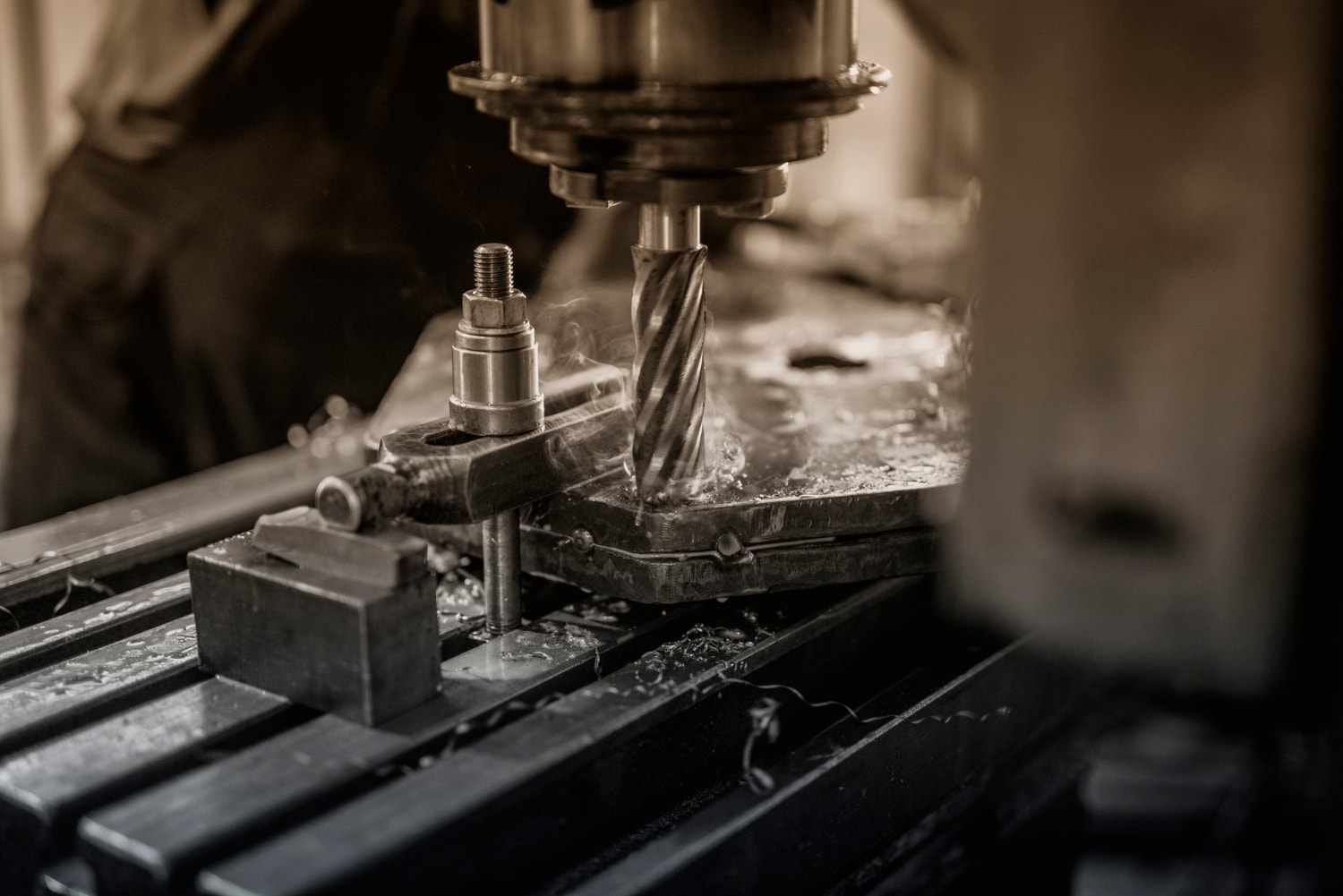
Precision Micro CNC Machining Solutions in United States
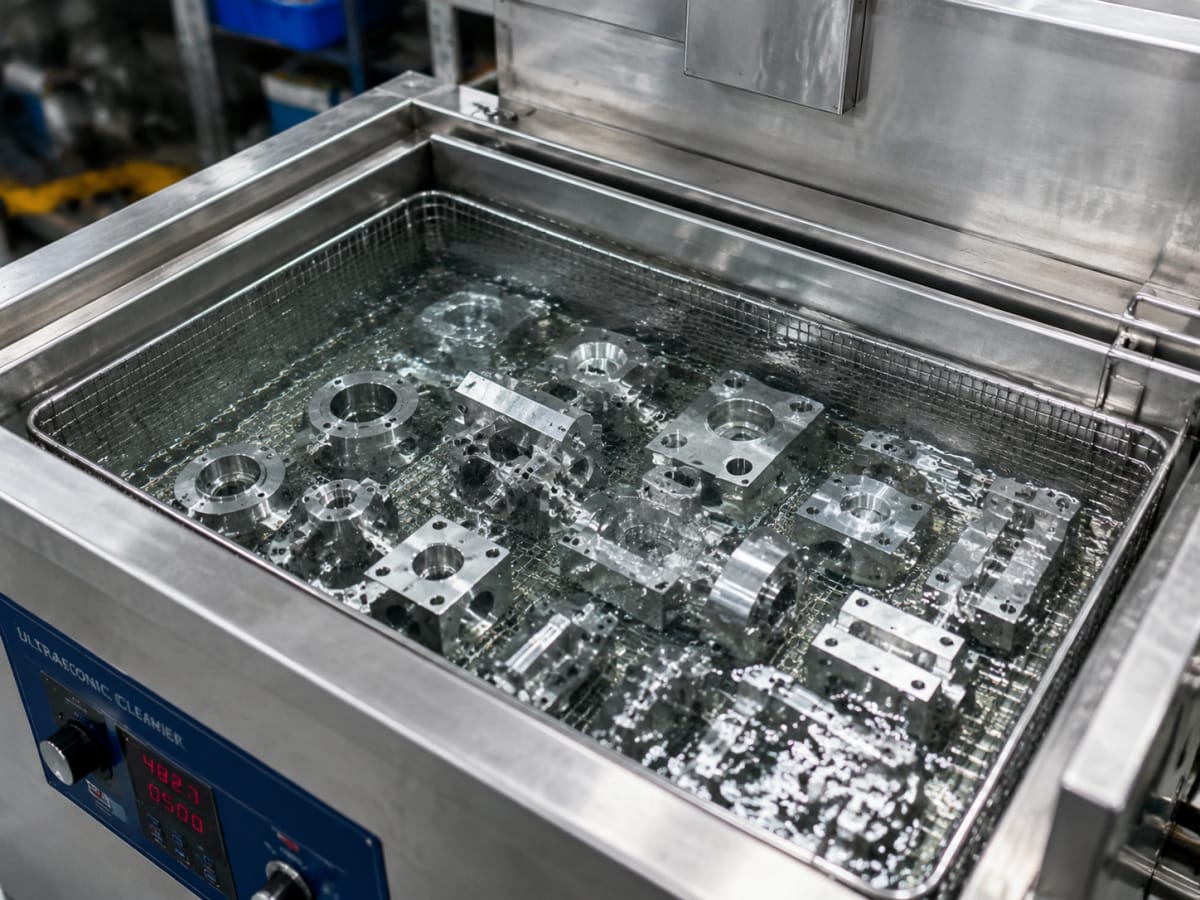
Precision Micro CNC Machining Solutions in United States
Quick Answer

Micro CNC machining in the United States is the best choice when a part is too small, too precise, too material-critical, or too performance-sensitive for standard machining, molding, stamping, or additive manufacturing alone. It is commonly used for miniature medical device parts, aerospace sensor housings, microfluidic components, electronic connectors, defense hardware, optical mounts, robotics parts, and high-value prototypes that require repeatable tolerances, sharp features, clean finishes, and controlled material properties.
For buyers in the United States, the most practical approach is to shortlist suppliers by tolerance capability, micro-tooling experience, inspection equipment, material traceability, industry certification, and engineering response speed. Strong local choices include Owens Industries in Wisconsin, Swissomation in Massachusetts, Micron Manufacturing in Michigan, Cox Manufacturing in Texas, Protolabs in Minnesota, Xometry in Maryland, Fictiv with U.S. manufacturing coverage, and specialized Swiss screw machine shops serving medical, aerospace, and electronics clusters around Minneapolis, Boston, Chicago, Cleveland, Los Angeles, San Diego, Phoenix, Dallas, and the Bay Area.
If cost pressure is high or the project requires rapid iteration, qualified international suppliers can also be considered. Chinese companies with relevant quality systems, export experience, DFM support, responsive pre-sales and after-sales communication, and strong cost-performance advantages may be suitable, especially for prototypes, low-volume production, and bridge manufacturing before U.S. scale-up.
Market Overview

The United States micro CNC machining market is shaped by three forces: miniaturization, regulated manufacturing, and reshoring of critical supply chains. Medical device companies need smaller surgical tools, dental parts, implants, catheter components, endoscopic accessories, diagnostic cartridges, and wearable health device hardware. Aerospace and defense manufacturers need compact high-reliability parts for sensors, UAV systems, satellite payloads, avionics, and thermal control assemblies. Electronics and semiconductor equipment builders need precision micro-milled, micro-turned, and EDM-machined components for connectors, test fixtures, microfluidic cooling, probe systems, and optical alignment.
Unlike general CNC machining, micro machining is not only about reducing part size. It requires a full process strategy for tool runout, spindle stability, burr control, thermal growth, workholding pressure, toolpath planning, coolant delivery, inspection magnification, and surface integrity. A feature that looks simple on a drawing, such as a 0.010 inch slot, a 0.2 mm hole, or a thin wall under 0.5 mm, can become difficult if the material is titanium, stainless steel, PEEK, Ultem, beryllium copper, ceramic-filled polymer, or hardened tool steel.
U.S. demand is concentrated around manufacturing corridors with strong engineering ecosystems. The Minneapolis area is important for medical devices, Boston and Cambridge for life sciences and robotics, the Bay Area for electronics and advanced hardware, Southern California for aerospace and medical technology, Phoenix and Tucson for optics and semiconductor systems, Texas for defense, energy, and electronics, and the Midwest for precision manufacturing depth. Ports and logistics hubs such as Los Angeles-Long Beach, New York-New Jersey, Savannah, Houston, Seattle-Tacoma, and Chicago rail corridors also matter when buyers combine domestic machining with imported materials, tooling, or international prototype support.
Micro CNC machining buyers in the United States typically evaluate suppliers based on lead time, tolerance, documentation, inspection reporting, and ability to support revisions. In early product development, fast DFM feedback can be more valuable than the lowest unit price. In regulated production, repeatability, lot control, and quality records become more important than speed. In high-mix low-volume programs, flexible scheduling and fixture strategy determine whether a supplier can support ongoing engineering changes without restarting the entire project.
United States Market Growth Outlook
The following line chart presents a realistic growth pattern for U.S. demand in micro CNC machining services, with demand driven by medical devices, aerospace electronics, robotics, semiconductor equipment, and miniaturized industrial systems. The values represent indexed demand rather than exact revenue.
Product Types

Micro CNC machining covers several process types, and each one solves a different problem. Buyers should not treat micro milling, micro turning, Swiss machining, wire EDM, sinker EDM, laser-assisted machining, and precision grinding as interchangeable. The right process depends on feature size, geometry, material, tolerance, surface finish, annual volume, and downstream assembly requirements.
| Process Type | Typical Part Size | Best Materials | Core Strength | Common U.S. Applications | Buying Note |
|---|---|---|---|---|---|
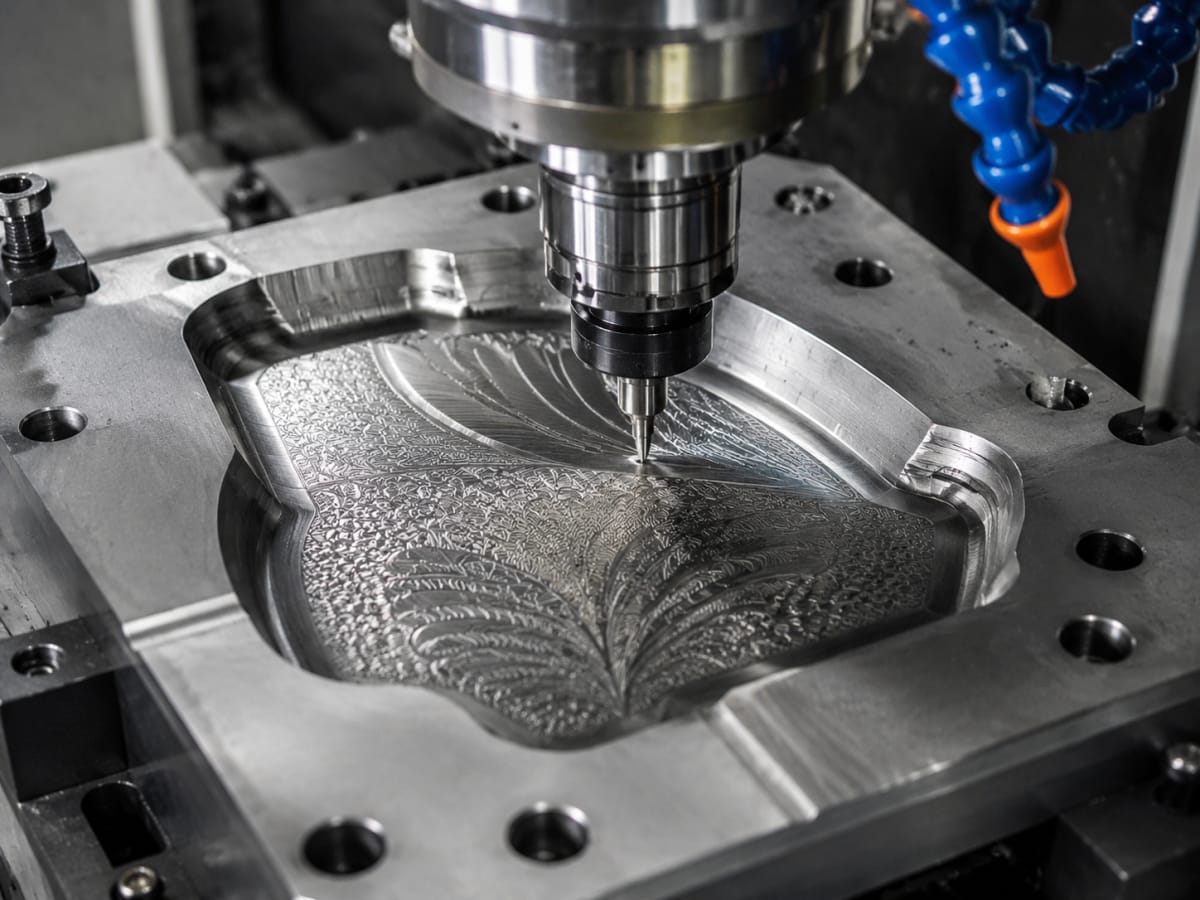
| Micro CNC milling | 1 mm to 100 mm | Aluminum, stainless steel, titanium, brass, PEEK | Small pockets, slots, channels, profiles, and 3D surfaces | Medical housings, optical mounts, microfluidic plates, sensor brackets | Ask about spindle speed, tool runout, minimum cutter diameter, and burr control. |
| Micro CNC turning | 0.5 mm to 50 mm diameter | Stainless steel, brass, titanium, copper alloys, plastics | Round miniature shafts, pins, nozzles, bushings, and fittings | Dental parts, miniature connectors, valve parts, surgical instrument parts | Check concentricity, surface finish, and tool access for very small grooves. |
| Swiss CNC machining | 0.3 mm to 32 mm diameter | Stainless steel, titanium, nitinol, brass, aluminum, plastics | Long slender parts with excellent concentricity and high repeatability | Medical screws, bone pins, electrical contacts, aerospace fasteners | Best for production runs or recurring orders where setup can be optimized. |
| Wire EDM | Small flat or prismatic parts | Conductive metals, hardened steel, carbide, titanium | Fine slots, sharp internal corners, hard material cutting, low cutting force | Micro tooling, stamped part inserts, medical blades, mold inserts | Useful when mechanical cutting would distort thin or hardened components. |
| Sinker EDM | Small cavities and complex recesses | Tool steel, stainless steel, titanium, conductive alloys | Micro cavities, ribs, blind features, and details difficult to mill | Micro mold inserts, connector tooling, medical device tooling | Confirm electrode accuracy and surface texture requirements before quoting. |
| Precision micro grinding | Sub-millimeter to small precision parts | Ceramics, carbide, hardened steel, stainless steel | Tight surface finish, diameter control, and hard material finishing | Needles, pins, punches, miniature shafts, wear components | Often used as a secondary process after turning or EDM. |
This table shows why process selection must happen early. A U.S. medical device startup in Boston may need Swiss machining for a miniature shaft, EDM for a micro slot, and passivation after machining. A California robotics company may need micro milling for aluminum sensor mounts and anodizing for wear resistance. A Texas defense contractor may require titanium micro-turned parts with traceable material certificates and first article inspection.
Buying Advice
Buyers should start with function, not only drawings. Micro parts fail for different reasons than large parts. A thin wall may bend during clamping. A tiny hole may trap chips. A small burr may block fluid flow. A sharp edge may damage tissue in a medical device. A cosmetic scratch may be unacceptable on a visible consumer electronics part. Because of this, the request for quotation should include drawings, 3D CAD files, material grade, annual volume, surface finish requirements, inspection points, regulatory requirements, and a clear explanation of how the component will be used.
For U.S. buyers, supplier selection should also account for geography. A local supplier near Minneapolis, Boston, or San Diego may be valuable for face-to-face engineering reviews and urgent prototype changes. A national platform can be useful when capacity and speed matter. An international supplier can be useful when the project needs cost reduction, flexible low-volume production, or a one-stop route from prototype to tooling and molding.
| Buying Criterion | Why It Matters | What to Ask | Strong Evidence | Risk if Ignored | Best Fit Scenario |
|---|---|---|---|---|---|
| Tolerance capability | Micro components often depend on microns of clearance or alignment. | What tolerances are routine, and which require special review? | Inspection reports, CMM data, optical inspection records, process capability data | Parts may assemble poorly or fail functional testing. | Medical, aerospace, optics, and microfluidics |
| Micro-tooling experience | Small cutters break easily and create burrs if feeds and speeds are wrong. | What is the smallest tool used regularly in production? | Sample parts, tool life data, machine spindle specifications | Lead times extend because parts require rework or remaking. | Fine slots, micro holes, miniature pockets |
| Material expertise | Titanium, PEEK, Ultem, copper, and stainless steel behave differently at small scale. | Which grades have you machined for similar parts? | Material certificates, traceability, supplier history | Warping, poor finish, tool wear, or contamination can occur. | Regulated or high-performance components |
| Burr management | A burr that looks minor can block flow, cut insulation, or change fit. | How are micro burrs prevented, detected, and removed? | Microscope images, deburring standards, edge break specifications | Hidden defects may appear during assembly or use. | Medical, electronics, fluidic, and optical parts |
| Inspection equipment | Many micro features cannot be verified with standard calipers. | Do you use optical comparators, microscopes, CMM, or vision systems? | Measurement system details and sample reports | Supplier may ship parts that cannot be objectively verified. | Critical-to-function dimensions |
| Engineering communication | Fast DFM saves cost before tooling, fixtures, or production lots are locked. | Can you review manufacturability before quoting final production? | DFM reports, tolerance recommendations, design change records | Unnecessary tight tolerances increase cost and delay delivery. | Startups, new product development, bridge production |
The table highlights a practical truth: the cheapest quote is rarely the safest choice for micro CNC machining. A supplier that explains which dimensions are difficult, which tolerances drive cost, and which design changes reduce risk is usually more valuable than a supplier that simply accepts every requirement without technical review.
Industries
Micro CNC machining demand in the United States is broad, but the highest-value work comes from industries where failure is expensive. In medical devices, a small burr or dimensional error can affect patient safety. In aerospace, a small weight reduction can improve system performance, but a material or tolerance issue can create unacceptable risk. In semiconductor equipment, small alignment features influence yield. In defense, miniature connectors, sensor parts, and ruggedized electronics must perform in harsh environments.
Consumer electronics, robotics, automation, and laboratory instruments are also expanding. These sectors often need rapid iteration. A product team in San Jose may revise an aluminum micro enclosure three times in two weeks. A robotics company in Pittsburgh may need custom miniature brackets for a new actuator. A lab equipment developer in Raleigh may need PEEK manifolds with tiny channels for chemical resistance. These projects benefit from suppliers who can machine, finish, inspect, and ship quickly without requiring excessive minimum order quantities.
Industry Demand Comparison
The bar chart below compares estimated U.S. demand intensity by industry. Medical devices and aerospace remain the largest drivers, while semiconductor equipment and robotics show fast growth because of precision automation and miniaturized systems.
Applications
Micro CNC machining is used when geometry, precision, and material properties must work together. The process can create miniature fluid channels, ultra-small threaded features, fine slots, thin walls, needle-like turned features, precision datum faces, and complex 3D surfaces. It is particularly useful when additive manufacturing cannot meet surface finish, tolerance, or material requirements, and when injection molding tooling is not yet justified by production volume.
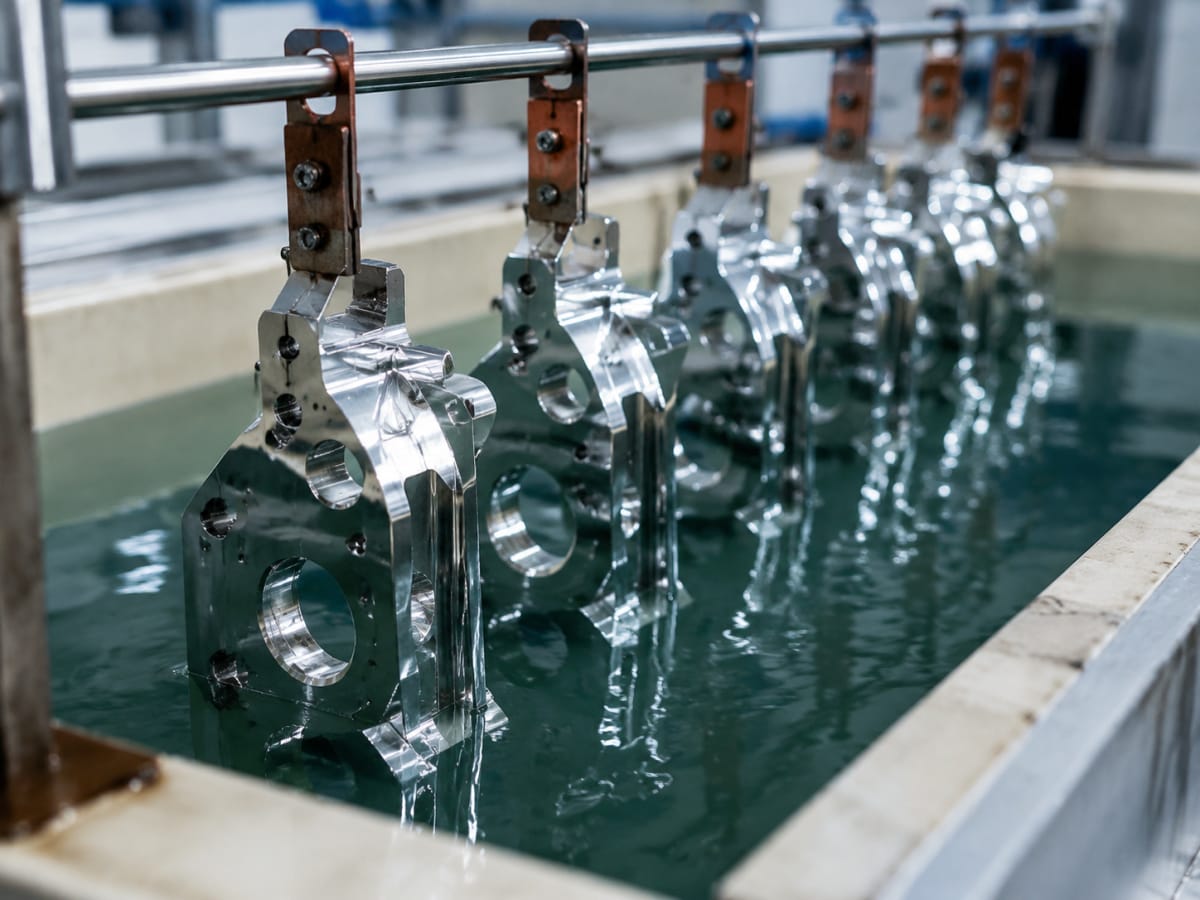
Typical applications include microfluidic manifolds, miniature valve bodies, implant trial components, dental abutments, surgical tool parts, catheter tips, micro gear components, optical alignment mounts, sensor housings, contact pins, test sockets, RF components, UAV hardware, watch and wearable parts, laboratory instrument fittings, and precision mold inserts. Many projects combine micro CNC machining with finishing processes such as anodizing, passivation, electropolishing, plating, bead blasting, polishing, laser marking, ultrasonic cleaning, and assembly.
| Application | Common Material | Typical Feature Challenge | Recommended Process | Inspection Focus | U.S. Buyer Priority |
|---|---|---|---|---|---|
| Microfluidic manifold | PEEK, PMMA, stainless steel, aluminum | Tiny channels, sealing surfaces, cross-hole alignment | Micro milling and drilling | Channel width, flatness, leak path, surface finish | Clean machining and fast prototype iteration |
| Medical screw or pin | Titanium, stainless steel, nitinol | Small threads, concentricity, surface integrity | Swiss CNC machining | Thread form, diameter, runout, passivation | Traceability and repeatability |
| Optical mount | Aluminum, stainless steel, brass | Datum control and vibration resistance | Micro milling | Position tolerance, flatness, perpendicularity | Stable alignment and clean anodizing |
| Electrical contact | Beryllium copper, brass, copper alloys | Fine geometry and plating preparation | Micro turning or Swiss machining | Contact surface, burrs, plating thickness | Conductivity and consistent spring behavior |
| Micro mold insert | Tool steel, stainless steel, carbide | Sharp details, fine cavities, hard material | EDM and precision milling | Cavity detail, surface texture, edge definition | Tool life and molded part accuracy |
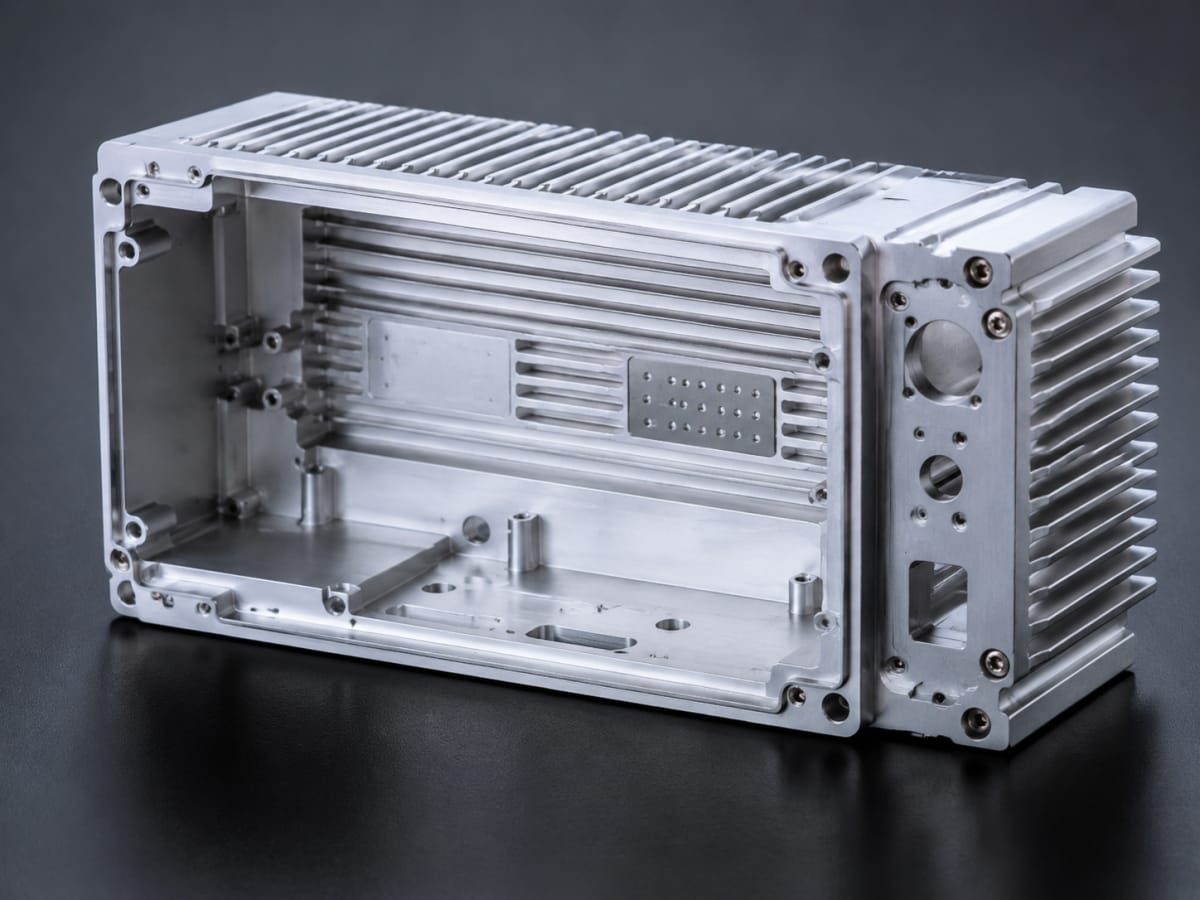
| Sensor enclosure | Aluminum, titanium, stainless steel | Thin walls, connector openings, sealing features | Micro milling and finishing | Wall thickness, O-ring grooves, coating thickness | Durability and environmental sealing |
These examples show that micro CNC machining is not a single service category. It is a group of precision methods that must be matched to the part’s function. A microfluidic component depends on clean channels and sealing faces. A contact pin depends on conductivity and burr-free edges. A mold insert depends on surface texture and durability. The most reliable suppliers ask application questions before recommending a process.
Case Studies
Medical Device Prototype in Minnesota
A medical device engineering team near Minneapolis needed a small stainless steel component for a handheld surgical instrument. The component included a thin wall, a fine slot, and a small alignment boss. The first drawing used unnecessarily tight tolerances on every surface, which would have increased cost and inspection time. A micro CNC supplier reviewed the functional requirements, identified three critical dimensions, relaxed nonfunctional tolerances, and recommended passivation after machining. The result was a prototype batch delivered faster, with inspection focused on the dimensions that mattered for assembly and device testing.
Microfluidic Plate for a Boston Life Science Company
A life science startup in the Boston-Cambridge corridor needed a PEEK plate with small channels, threaded ports, and a flat sealing surface. The initial design had deep narrow channels that were difficult to machine without tool deflection. The supplier proposed slight radius changes, adjusted channel depth, and recommended a staged inspection process using optical measurement. The revised design reduced machining risk while preserving fluid performance. The company used the parts for bench testing before committing to higher-volume manufacturing.
Aerospace Sensor Housing in Southern California
An aerospace supplier in Southern California needed a lightweight aluminum micro housing with close-tolerance connector features and black anodizing. The challenge was maintaining dimensional accuracy after finishing. The machine shop adjusted pre-anodize dimensions, masked critical areas, and inspected the parts after coating. This prevented assembly issues and reduced rework. The project demonstrated why finishing knowledge is important for micro CNC machining, because coating thickness can become significant when features are extremely small.
Electronics Connector Component in Texas
A Texas electronics manufacturer needed small brass contact parts with clean edges and consistent plating preparation. The supplier used Swiss CNC machining for repeatability and controlled deburring under magnification. The buyer approved a first article lot before moving to recurring production. By stabilizing material, tooling, and inspection standards, the company reduced variation in connector assembly and improved production reliability.
Local Suppliers
The United States has a deep base of precision machining companies, but not every CNC shop is suitable for micro work. The following suppliers are practical starting points for buyers comparing micro CNC machining, Swiss machining, prototype machining, and precision production services. Capabilities change over time, so buyers should verify current equipment, certifications, tolerances, and material experience before placing orders.
| Company | Service Region | Core Strength | Key Offerings | Best For | Practical Buyer Note |
|---|---|---|---|---|---|
| Owens Industries | Wisconsin and nationwide U.S. customers | Ultra-precision CNC machining and micro machining experience | 5-axis machining, EDM, micromachining, tight tolerance components | Aerospace, medical, defense, and complex precision parts | Strong candidate when tolerances are difficult and documentation is important. |
| Swissomation | Massachusetts and nationwide U.S. customers | Precision micro Swiss machining and small turned parts | Swiss screw machining, micro components, prototype and production runs | Medical device, electronics, miniature mechanical parts | Useful for small cylindrical components requiring repeatability. |
| Micron Manufacturing | Michigan and U.S. industrial markets | Precision production machining and lean manufacturing | CNC turning, milling, small precision components, production support | Automotive, industrial, defense, and precision assemblies | Good option for recurring production after design stabilizes. |
| Cox Manufacturing | Texas and nationwide U.S. customers | High-volume precision screw machining and CNC turning | Swiss machining, CNC turning, custom metal parts, production machining | Electronics, medical, defense, aerospace, industrial parts | Best when annual volume justifies optimized production setup. |
| Protolabs | Minnesota base with broad U.S. coverage | Fast digital manufacturing and quick-turn CNC prototypes | CNC machining, 3D printing, injection molding, sheet metal | Rapid prototypes and early product development | Useful when speed, online quoting, and design iteration are priorities. |
| Xometry | Maryland base with distributed U.S. manufacturing network | Large manufacturing marketplace and capacity access | CNC machining, sheet metal, additive manufacturing, injection molding | Startups, engineering teams, low-volume custom parts | Good for comparing process options and accessing broad supplier capacity. |
| Fictiv | U.S. engineering support with global manufacturing network | Managed digital manufacturing for complex hardware teams | CNC machining, injection molding, urethane casting, additive manufacturing | Hardware startups, robotics, electronics, medical device development | Helpful when project management and manufacturing coordination matter. |
| Makino | U.S. technical centers and machine tool support | High-precision machining technology and EDM platforms | Machining centers, EDM systems, automation support | Manufacturers building in-house micro machining capacity | Relevant for companies purchasing equipment rather than outsourcing parts. |
This supplier table is not a ranking; it is a practical comparison. A medical startup needing ten prototype parts may prefer a quick-turn provider. A defense contractor needing controlled production may prefer a specialized precision shop. A hardware company planning long-term production may use a U.S. supplier for critical pilot builds and an international partner for cost-optimized low-volume manufacturing after validation.
Supplier Capability Comparison
The comparison chart scores common supplier models by practical buyer criteria. Scores are illustrative and should be validated against the exact supplier, drawing, material, and quality requirements.
Our Company
TEAM Rapid supports U.S. customers that need micro CNC machining, rapid prototypes, low-volume manufacturing, and scalable production through an engineering-led manufacturing model built on ISO 9001:2015 quality management, in-house machining and tooling capability, integrated manufacturing resources across China, and experience delivering more than 6000 projects for over 500 customers in more than 25 countries. For precision parts, the company provides CNC milling, turning, wire EDM, EDM, polishing, anodizing, painting, plating, and related finishing options for plastic and metal components from one piece to 500 plus pieces, with tight tolerance capability down to 0.01 mm and material options suitable for functional prototypes, cases, enclosures, housings, trays, covers, fillers, and complex engineered components; buyers can review the company background through its manufacturing company profile and explore precision CNC machining services for custom parts. TEAM Rapid works with end users, product designers, engineers, startups, brand owners, distributors, dealers, and established manufacturers through flexible OEM/ODM, wholesale, retail, regional distribution, prototype, bridge production, and volume production cooperation models, while also supporting injection molding, rapid tooling, die casting, aluminum extrusion, sheet metal fabrication, assembly, packaging, procurement, limited warehousing, and direct shipping as EPC/Turnkey / Customer-owned plant solutions, NOT BOO / On-site bulk supply services. For U.S. buyers, the company’s local assurance comes from practical experience serving customers launching products in the USA and other Western markets, fast one-to-one engineering communication within a few hours, DFM reports before tooling, manufacturability analysis that reduces design risk, and online/offline pre-sale and after-sale support covering quotation review, design optimization, production updates, inspection coordination, packaging, and shipping, so customers are not treated as remote one-time importers but as long-term manufacturing partners with cost-performance advantages and responsive technical support.
TEAM Rapid is especially relevant when a project needs more than micro CNC machining alone. A buyer may start with a machined prototype, move to vacuum casting for design validation, use rapid tooling for trial molding, and then transition to custom injection molding services when volume increases. This connected pathway helps companies avoid the common problem of managing separate prototype, tooling, molding, finishing, and assembly suppliers. For teams that need direct project discussion, the engineering contact channel is useful for sharing CAD files, drawings, materials, target quantities, tolerances, and delivery expectations.
Technology Trends
Micro CNC machining in 2026 will be influenced by automation, digital inspection, sustainability, and supply chain policy. U.S. buyers are asking for faster quoting, more transparent quality records, and suppliers that can support both domestic production and global cost optimization. At the same time, medical, aerospace, semiconductor, and defense customers are paying closer attention to traceability, cybersecurity, export controls, and material origin.
Technically, high-speed spindles, improved micro end mills, better tool coatings, in-machine probing, optical inspection, automated deburring, hybrid additive-subtractive workflows, and AI-assisted toolpath optimization will continue to improve consistency. Shops that can combine machining data, inspection data, and production records will have an advantage, especially for regulated industries. Digital twins and simulation will help reduce trial cuts when tools are extremely small and fragile.
Sustainability is also becoming more practical rather than symbolic. Buyers are asking how suppliers reduce scrap, choose recyclable metals, optimize cycle time, control coolant use, and consolidate shipments. Lightweight micro components can reduce energy consumption in aerospace, robotics, and portable medical devices, but the machining process itself must also become more efficient. Suppliers that can explain material yield, packaging reduction, and production planning will be more competitive.
Trend Shift Toward Integrated Manufacturing
The area chart shows a realistic shift from single-process outsourcing toward integrated manufacturing support, where buyers want machining, finishing, inspection, assembly, and logistics from fewer qualified partners.
Cost Factors
Micro CNC machining cost depends on more than part size. Smaller parts are not automatically cheaper because the setup, inspection, tooling, and handling can be more demanding than for larger components. A tiny titanium part may cost more than a larger aluminum bracket because tool wear is higher, cycle time is slower, inspection is more detailed, and scrap risk is greater.
The main cost drivers include material grade, tolerance, minimum feature size, surface finish, burr requirements, workholding complexity, machine time, tool life, inspection method, finishing, cleaning, documentation, and order quantity. Tight tolerances should be applied only to functional dimensions. If every dimension is marked with an unnecessarily tight tolerance, the supplier must inspect and control more features, which increases cost and lead time.
Buyers can reduce cost by sharing the real function of the part, allowing reasonable radii, avoiding deep narrow features when possible, choosing machinable materials, consolidating setups, planning inspection points, and ordering pilot quantities that support process learning. For production, blanket orders or recurring release schedules can help suppliers optimize material purchasing and machine planning.
In the United States, domestic labor, inspection, and overhead costs are higher than in many offshore markets, but domestic suppliers may offer faster communication, easier site visits, and simplified compliance for sensitive programs. International suppliers can offer strong cost-performance when the project allows overseas production, particularly for prototypes, low-volume parts, and manufacturing packages that combine machining with tooling, molding, finishing, and assembly.
Quality and Compliance
Quality in micro CNC machining should be defined before production. A drawing that only says “tight tolerance” is not enough. Buyers should specify critical dimensions, inspection methods, acceptable burr conditions, surface roughness, material certification requirements, finishing standards, packaging expectations, and any industry-specific requirements. For medical and aerospace components, suppliers may need first article inspection, lot traceability, certificate of conformance, material certificates, and process records.
Inspection for micro parts often requires optical systems, microscopes, high-resolution cameras, CMMs with appropriate probes, surface roughness testers, pin gauges, thread gauges, and custom fixtures. Measurement uncertainty becomes important because the inspection tool must be accurate enough for the tolerance being checked. If a tolerance is ±0.01 mm, the supplier must have equipment and methods that can reliably measure at that scale.
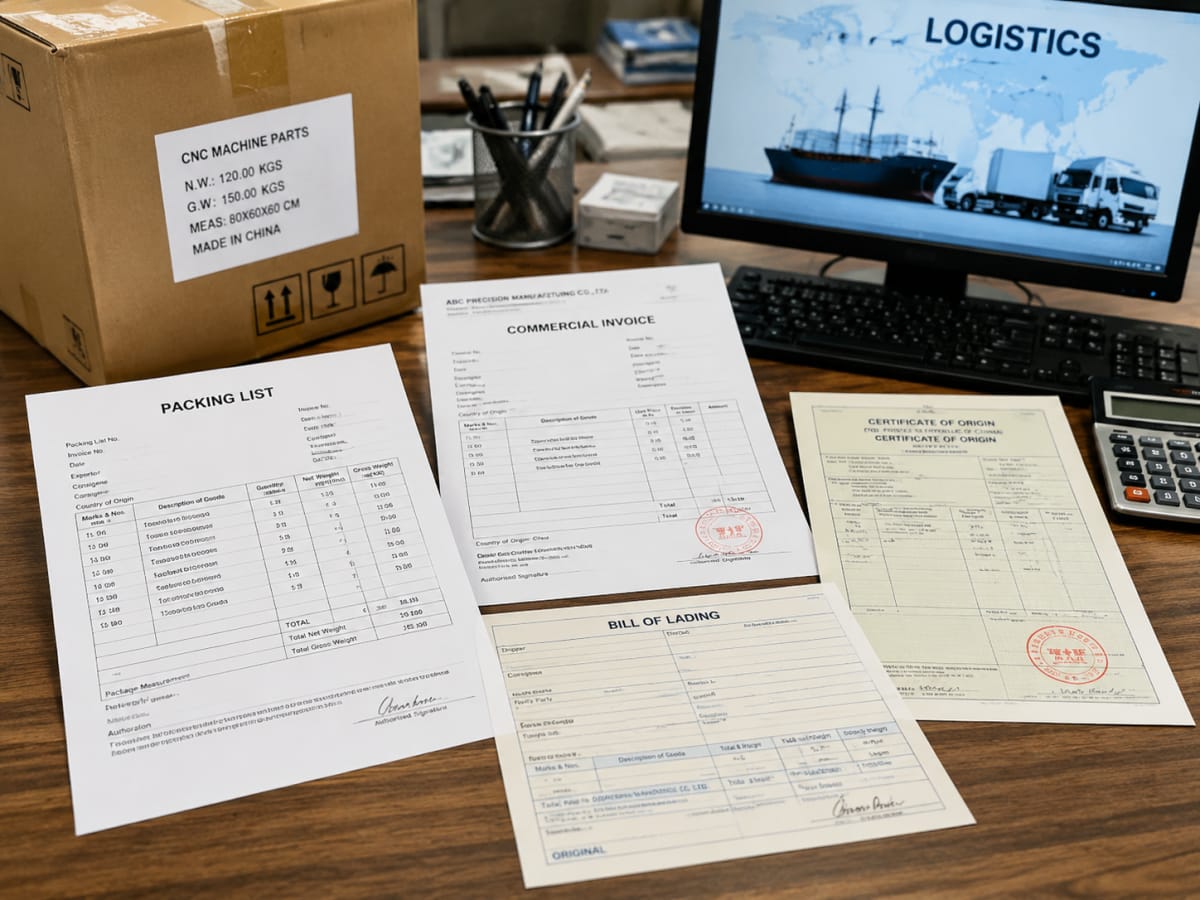
Packaging also matters. A precision micro part can be damaged after passing inspection if it is allowed to rub against other parts in a bag. Clean trays, individual cavities, protective caps, anti-static packaging, corrosion protection, and clear labeling can prevent avoidable damage. For U.S. buyers receiving parts through ports, air freight hubs, or domestic parcel networks, packaging should be designed for the full logistics path, not only the supplier’s shipping dock.
How to Request a Quote
A strong RFQ helps suppliers respond accurately and prevents delays. Buyers should include a 3D CAD file, 2D drawing, material specification, quantity range, target lead time, surface finish, post-processing, inspection requirements, and application notes. If the part is still in development, it is useful to ask for DFM feedback instead of demanding an exact quote immediately.
The best RFQ packages explain what can change and what cannot. For example, a sealing surface may be critical, but an external cosmetic radius may be flexible. A hole location may be functional, but a pocket depth may allow more tolerance. This information lets the supplier protect performance while reducing cost. For micro CNC machining, a small design adjustment can make the difference between a difficult, expensive part and a stable, repeatable process.
Buyers should also ask suppliers to identify risks. A professional supplier should be comfortable saying that a wall is too thin, a slot is too deep, a material is difficult, or a tolerance requires special inspection. This is not a weakness. It is a sign of experience. Suppliers that provide clear DFM feedback help buyers avoid failed builds, late-stage redesign, and expensive tooling mistakes.
FAQ
What is micro CNC machining?
Micro CNC machining is the precision machining of very small parts or very small features using computer-controlled milling, turning, Swiss machining, EDM, drilling, grinding, and finishing processes. It is used when miniature geometry, tight tolerance, material performance, and repeatability are all important.
What tolerances are realistic for micro CNC machining?
Realistic tolerances depend on material, feature size, geometry, machine capability, inspection method, and production quantity. Some suppliers can hold tolerances around 0.01 mm on suitable features, but not every dimension on every part should be specified that tightly. Functional tolerance review is essential.
Which materials are common for micro CNC machining?
Common materials include aluminum, stainless steel, titanium, brass, copper alloys, beryllium copper, PEEK, Ultem, Delrin, PMMA, tool steel, carbide, and specialty alloys. The best material depends on strength, weight, conductivity, biocompatibility, chemical resistance, thermal behavior, and regulatory needs.
Is micro CNC machining better than 3D printing?
Micro CNC machining is usually better when the part requires tight tolerance, smooth functional surfaces, true engineering materials, threaded features, sharp datum control, or production-like performance. 3D printing is often better for complex shapes, fast concept models, and geometries that cannot be cut easily. Many projects use both processes during development.
How do I choose between a U.S. supplier and an international supplier?
Choose a U.S. supplier when compliance, sensitive intellectual property, site visits, urgent delivery, or domestic sourcing requirements are critical. Consider a qualified international supplier when cost-performance, flexible low-volume production, integrated manufacturing, and rapid scaling are important. The best choice depends on risk, timeline, budget, and documentation needs.
What information should I send for a quote?
Send a 3D CAD file, 2D drawing, material, quantity, tolerance requirements, surface finish, finishing process, inspection needs, target delivery date, and application notes. If you are unsure about manufacturability, ask for DFM feedback before finalizing the design.
Can micro CNC machining support production, not just prototypes?
Yes. Micro CNC machining can support prototypes, pilot builds, bridge production, and recurring production. Swiss machining and optimized fixtures are especially useful when small precision parts move from prototype quantities into repeatable production.
What are the biggest risks in micro CNC machining?
The biggest risks are tool breakage, burrs, workpiece distortion, unclear tolerances, inadequate inspection, poor material selection, finishing distortion, and packaging damage. These risks can be reduced through DFM review, process planning, suitable inspection, and supplier experience with miniature features.

About the Author : Team Rapid Manufacturing Co., Ltd.
This article is written by the engineering team at Team Rapid Manufacturing Co., Ltd, specializing in rapid prototyping and manufacturing solutions. With extensive experience in CNC machining, injection molding, and low-volume production, our team shares practical insights to help global clients improve product development efficiency and reduce manufacturing risks.
Share
Post Category
Related Insights
-
Fast CNC Prototype Machining Guide for the United States
CNC prototype machining is one of the fastest ways to turn a CAD model into a functional part that can be measured, assembled, tested, and improved. For engineers and purchasing teams in the United States, it is especially valuable when a prototype must behave like the final production component rather than just look like it. That is why CNC-machined prototypes are widely used in medical devices, automotive systems, industrial equipment, robotics, aerospace support hardware, consumer electronics housings, and startup hardware launches.
The direct answer is simple: if your part needs real material performance, accurate dimensions, good surface finish, threaded features, or reliable fit with other components, CNC prototype machining is often the best choice. Compared with many additive processes, it provides stronger material integrity, tighter dimensional control, and more predictable behavior for functional validation. It also helps teams move from concept to low-volume production with fewer design surprises.
Across the United States, demand for fast CNC prototypes continues to grow in hubs such as Detroit, Austin, San Jose, Boston, Minneapolis, Chicago, and Seattle. Product developers in these regions often need short runs of aluminum, steel, brass, ABS, POM, nylon, and other engineering materials for pilot builds and pre-production testing. Logistics also matter. Teams shipping through Los Angeles/Long Beach, Houston, Savannah, New York/New Jersey, and Chicago air freight corridors often care as much about response speed and manufacturability feedback as they do about the machining itself.
For buyers, the smartest approach is to balance speed, cost, geometry, tolerance, and downstream risk. A part that is quoted cheaply but requires multiple reworks can cost far more than a slightly higher-priced prototype that arrives right the first time. That is why a strong prototype supplier should not only machine parts fast, but also review the design, highlight risk areas, recommend practical tolerances, suggest better materials if needed, and support the shift from prototype to repeatable production.
In the current U.S. market, companies also want supplier flexibility. Many projects begin with one-off CNC parts, then move to small production batches, molded parts, sheet metal assemblies, or die-cast housings. A manufacturing partner that supports this progression can reduce project friction and shorten launch cycles. For teams evaluating options, CNC prototyping services are often most valuable when combined with engineering review, multiple process options, finishing support, and clear lead-time communication.
CNC prototype machining is the process of producing prototype parts with computer-controlled mills, lathes, EDM equipment, and related tools based on digital design files. The goal is not just to create a shape, but to make a part from a real production-like material with enough precision for engineering evaluation. A machined prototype may be used for fit checks, performance testing, load testing, thermal assessment, sealing validation, electronics enclosure review, or customer demos.
Unlike visual mockups, CNC prototypes are usually built to answer engineering questions. Will a shaft align correctly with its bearing? Can a housing hold a seal under pressure? Will the latch geometry survive repeated use? Does the material remain stable near heat sources? These are the kinds of issues CNC prototype machining helps uncover before larger investment decisions are made.
Common CNC prototype operations include 3-axis and 5-axis milling, turning, tapping, drilling, reaming, wire EDM, sinker EDM, and secondary finishing such as anodizing, bead blasting, polishing, painting, plating, and laser marking. The best process mix depends on part geometry, critical features, tolerance stack-ups, volume, and cosmetic requirements.
Prototype machining is used for many product types in the United States:
Product TypeTypical CNC FeaturesMain GoalCommon MaterialVolume RangeTypical U.S. UsersElectronic enclosuresPockets, bosses, threaded holesFit and assembly test6061 aluminum, ABS, PC1-50Consumer tech, telecomMechanical bracketsSlots, datum faces, counterboresLoad verification6061, 7075, steel1-100Industrial equipmentFluid componentsPorts, sealing faces, channelsLeak and pressure testAluminum, stainless steel1-30Medical, automotiveRobotics partsComplex profiles, tapped holesMotion and durabilityAluminum, POM1-75Automation startupsOptical mountsFlatness, alignment boresPrecision alignmentBlack anodized aluminum1-20Labs, defense supportTest fixturesLocating surfaces, insertsManufacturing validationAluminum, tooling board, steel1-40OEMs, contract manufacturersThis table shows that CNC prototyping is not limited to one industry. It serves any project where real geometry and real material behavior matter. In practice, many U.S. developers use it as the bridge between concept and production decision-making.
From a technology standpoint, advanced prototype suppliers combine in-house machining capability with process planning, fixture design, inspection methods, and CAD/CAM programming that supports quick iteration. This technological capability becomes important when a part includes difficult pockets, thin walls, deep cavities, delicate fillets, or compound surfaces that must be machined quickly without sacrificing functional accuracy.
var ctx1 = document.getElementById(‘lineChart’).getContext(‘2d’);var lineChart = new Chart(ctx1, { type: ‘line’, data: { labels: [‘2021’, ‘2022’, ‘2023’, ‘2024’, ‘2025’, ‘2026’], datasets: [{ label: ‘U.S. CNC Prototype Demand Index’, data: [72, 78, 85, 91, 98, 106], borderColor: ‘rgb(75, 192, 192)’, backgroundColor: ‘rgba(75, 192, 192, 0.15)’, fill: false, tension: 0.25 }] }, options: { responsive: true, maintainAspectRatio: false }});Functional testing requires more than shape confirmation. A test part must often survive torque, vibration, repeated handling, thermal cycling, chemical exposure, impact, or assembly stress. CNC prototypes are useful because they closely represent the final part in material, mechanical behavior, and dimensional fit. That makes test results more meaningful.
For example, an automotive supplier in Detroit evaluating a sensor bracket needs to know whether the part will hold alignment under vibration. A medical device developer in Minneapolis may need to test whether a machined housing can maintain screw retention without cracking. A robotics company in Austin may need to confirm whether a gearbox plate stays stable under dynamic loading. Printed prototypes can help early visualization, but machined parts usually give more reliable functional answers when actual service conditions matter.
CNC prototypes also help reduce hidden risk in assemblies. If one component is slightly off, the issue may only appear when it mates with seals, bearings, shafts, cables, fasteners, or molded parts. That is why many buyers request multiple prototype revisions before freezing a design for tooling or low-volume production.
Functional Test TypeWhy CNC HelpsWhat It VerifiesCommon Feature FocusPreferred MaterialsTypical OutcomeFit testStable dimensionsMating accuracyHoles, slots, bossesABS, POM, aluminumAssembly confirmationLoad testReal material strengthDeflection and failure pointWall thickness, ribs7075, steel, nylonStructural refinementThermal testProduction-like conductivityHeat spread or distortionMounting faces, ventsAluminum, PC, PEEKCooling redesignSeal testControlled flatness and groovesLeak resistanceO-ring glands, portsAluminum, stainlessPressure validationWear testMachined surface consistencyCycle lifeSliding faces, pivotsPOM, bronze, steelMaterial selectionTorque testAccurate threads and engagementFastener retentionTapped holes, insertsAluminum, stainless, ABSThread improvementThe value of the table above is that it ties prototype machining directly to engineering decisions. CNC is not just a manufacturing method; it is a testing tool that helps teams avoid expensive downstream redesign.
Functional prototypes are also important for regulated and high-reliability industries. In medical, aerospace support systems, industrial controls, and communications equipment, product teams often need a stronger evidence trail before moving forward. CNC parts support this because they are measurable, inspectable, and easier to compare against design intent.
Manufacturing capability matters here too. A supplier that can machine, inspect, finish, and even provide low-volume follow-on parts from the same workflow reduces variation between the prototype stage and the pilot stage. That continuity is often more valuable than a one-time fast part from a shop that cannot support the next step.
Material choice has a major impact on test value, machining speed, cost, and lead time. The right choice depends on whether the prototype is intended for appearance, structure, thermal performance, wear, chemical resistance, or electrical insulation. In the United States, the most common CNC prototype materials are aluminum alloys, stainless steels, carbon steels, brass, copper, ABS, POM, nylon, polycarbonate, acrylic, PTFE, and sometimes high-performance plastics such as PEEK.
Aluminum 6061 is a frequent first choice because it machines quickly, holds tolerances well, offers a good strength-to-weight ratio, and can be anodized. Stainless steel is popular when corrosion resistance matters. POM is valued for precision plastic parts with good wear properties. ABS and PC are common for housings and enclosure tests. Brass is selected for fittings, electrical parts, and decorative machining. If the final production process will be injection molding, a CNC plastic prototype can still be helpful for functional checks before tooling starts.
MaterialKey BenefitMachinabilityBest Prototype UseCost LevelTypical U.S. Industry Use6061 aluminumBalanced strength and speedExcellentGeneral functional partsMediumElectronics, industrial7075 aluminumHigher strengthGoodLoad-bearing componentsMedium-highAerospace support, robotics304 stainless steelCorrosion resistanceModerateWet or harsh environmentsHighMedical, food equipmentPOM/DelrinDimensional stabilityExcellentPrecision plastic mechanismsMediumAutomation, fixturesABSEasy to prototypeGoodEnclosures and coversLow-mediumConsumer productsPolycarbonateToughnessModerateImpact-resistant housingsMediumMedical devices, electronicsBrassElectrical and cosmetic valueExcellentConnectors and fittingsMedium-highElectrical productsThis comparison helps buyers narrow down material options based on performance and lead-time impact. Faster-machining materials often reduce cost and shorten delivery, while harder or more abrasive materials may require more setup time and tool wear management.
One useful buying strategy is to separate prototype intent from final production intent. If the first prototype only needs to confirm fit, a lower-cost plastic or aluminum may be enough. If the purpose is final-use mechanical validation, matching the production-grade material is usually smarter. This is especially true for parts used in high-temperature, vibration-heavy, or chemically exposed conditions.
Technological capability also shows up in material handling. Suppliers with broad process knowledge can recommend where a machined plastic prototype is sufficient, where a metal prototype is necessary, and where hybrid development makes sense. For example, a housing may be machined in ABS for fit checks first, then remade in aluminum for heat testing, and later transitioned to injection molding for production.
Accuracy and tolerance planning are often the difference between a useful prototype and an expensive delay. Many buyers make the mistake of placing ultra-tight tolerances everywhere, even where they are not needed. That raises cost, slows machining, and can extend inspection time without improving functional results. Effective tolerance planning means identifying which dimensions are truly critical and relaxing the rest where possible.
In prototype work, tolerances should match the purpose of the part. A cosmetic cover does not need the same control as a bearing bore or sealing surface. A datum structure should be clear, and all critical relationships should be tied to how the part will actually function in assembly.
Feature TypeTypical Tolerance NeedRisk If Too LooseRisk If Too TightPlanning AdvicePrototype PriorityGeneral profileModerateAppearance or fit driftHigher machining costUse standard machining limitsMediumBearing boreHighMisalignment or playExtra finishing operationsTolerance only mating diameterVery highThreaded holesModeratePoor fastener engagementUnnecessary inspection burdenSpecify thread class clearlyHighSealing faceHighLeak path formationLonger surface finishing timeCall out flatness and finish only where neededVery highSlot widthModerate-highAssembly interferenceTool limitation issuesAllow realistic cutter accessHighExterior non-critical faceLowMinimalCost increase onlyLeave as standard toleranceLowThe key point in this table is that tolerance should follow function. When every feature is treated as critical, prototype speed drops and cost rises. Good engineering judgment separates must-hold dimensions from standard machinable surfaces.
TEAM Rapid supports tight tolerance machining down to 0.01 mm where required, but the most effective projects are those where critical dimensions are clearly prioritized. In practical terms, that means using precision where it affects performance and not overengineering the rest. This engineering-led method saves time while maintaining test value.
Inspection planning should also be discussed early. If a prototype needs CMM reporting, thread gauge checks, surface finish confirmation, or first article dimensional records, those steps should be included in the quote. Buyers in industries such as medical devices or industrial controls often require this level of documentation for validation builds.
var ctx2 = document.getElementById(‘barChart’).getContext(‘2d’);var barChart = new Chart(ctx2, { type: ‘bar’, data: { labels: [‘Medical’, ‘Automotive’, ‘Robotics’, ‘Electronics’, ‘Industrial’, ‘Aerospace Support’], datasets: [{ label: ‘U.S. Functional Prototype Demand (%)’, data: [68, 82, 74, 71, 79, 63], backgroundColor: [ ‘rgb(255, 99, 132)’, ‘rgb(54, 162, 235)’, ‘rgb(255, 206, 86)’, ‘rgb(75, 192, 192)’, ‘rgb(153, 102, 255)’, ‘rgb(255, 159, 64)’ ] }] }, options: { responsive: true, maintainAspectRatio: false }});If speed matters, design for machinability from the start. The fastest prototype is usually not the one with the most aggressive geometry, but the one with the clearest machining plan. Many design delays come from deep pockets, inaccessible internal corners, unnecessary thin walls, obscure thread requirements, and overcomplicated surfacing that adds setup time without improving the part.
Simple changes can make a major difference. Increasing internal corner radii allows larger tools and shorter cycle times. Reducing deep narrow cavities improves cutter access. Standardizing hole sizes reduces tool changes. Avoiding unusually thin walls lowers the risk of chatter or deformation. Splitting a part into two machined pieces instead of forcing an impossible one-piece geometry can sometimes save days.
Design DecisionImpact on Lead TimeImpact on CostMachining EffectRecommended PracticeBest ForLarger internal radiiFasterLowerAllows larger cuttersUse the biggest acceptable radiusMilled pocketsModerate pocket depthFasterLowerImproves rigidityAvoid extreme depth-to-width ratiosElectronic housingsStandard hole sizesFasterLowerFewer tool changesUse common drill sizesFixture plates, bracketsThicker wallsFasterLower scrap riskMore stable cuttingAvoid thin unsupported sectionsPlastic and aluminum partsReduced setup orientationsFasterLowerLess fixturing complexityDesign for fewer part flipsGeneral prototypesRealistic surface finish calloutsFasterLowerReduces polishing timeSpecify finish only where neededFunctional test partsThis table is useful because it turns abstract DFM advice into concrete decisions. For U.S. product teams facing aggressive development schedules, these changes can compress days out of a quote and build cycle.
Case studies often show that small DFM improvements have outsized value. A Chicago industrial device company may shave two days from a fixture plate prototype by converting sharp internal corners to radiused corners and relaxing non-functional cosmetic finish. A San Jose electronics startup may cut cost by redesigning a one-piece enclosure into a two-part assembly with simpler milling paths. A Houston energy equipment supplier may reduce inspection risk by using standardized port details rather than custom dimensions.
This is where service capability matters. Suppliers that provide one-to-one engineering support, quick manufacturability analysis, and rapid DFM response help customers make better decisions before metal or plastic is cut. Strong communication can be just as important as spindle speed.
CNC prototyping and 3D printing are both valuable, but they solve different problems. 3D printing is often better for very early design reviews, organic geometry, low-cost concept checks, and parts that do not need full material performance. CNC machining is usually stronger for functional testing, tighter tolerances, real engineering materials, cleaner threads, better machined surfaces, and more production-like behavior.
In reality, many successful U.S. development programs use both. A startup in Boston may print an enclosure over the weekend for ergonomic review, then machine it in ABS or aluminum for thermal and drop testing. An automotive supplier may print duct studies first, then machine final fixture components. The question is not which process is always better, but which process fits the current development milestone.
CriteriaCNC Prototyping3D PrintingBest Choice WhenMain LimitationBuyer NoteMaterial realismHighMediumFunction mattersPrinted properties varyChoose CNC for final-like behaviorDimensional accuracyHighMedium-highFit is criticalPost-processing may shift dimensionsCNC is safer for mating partsComplex freeform geometryModerateExcellentShape is hard to machineCNC may need multiple setupsPrint first if geometry is exploratorySurface finishGood to excellentVariesCosmetic or sealing surfaces matterPrinted layers may showCNC reduces post-workSpeed for simple partsFastFastBlock-like geometryDepends on queue and finishCompare total turnaround, not machine time aloneCost for one visual modelMediumLow-mediumNon-functional mockupMachining may be unnecessaryPrint if only appearance is neededThe explanation from this comparison is clear: CNC prototyping is usually the better route for engineering confidence, while 3D printing is often the better route for concept speed. Combining them can create the most efficient development path.
TEAM Rapid is well positioned here because it supports both CNC machining and multiple rapid prototyping methods, including SLA, SLS, and vacuum casting. That process range helps customers choose the right path rather than forcing every problem into one manufacturing method.
var ctx3 = document.getElementById(‘areaChart’).getContext(‘2d’);var areaChart = new Chart(ctx3, { type: ‘line’, data: { labels: [‘2021’, ‘2022’, ‘2023’, ‘2024’, ‘2025’, ‘2026’], datasets: [{ label: ‘Shift Toward Functional CNC Prototypes’, data: [38, 43, 49, 56, 62, 69], fill: true, backgroundColor: ‘rgba(75, 192, 192, 0.25)’, borderColor: ‘rgb(75, 192, 192)’, tension: 0.3 }] }, options: { responsive: true, maintainAspectRatio: false }});Reducing lead time begins before the RFQ is sent. Buyers who submit complete files, clear revision control, material preference, quantity, finish requirements, and critical dimensions generally get faster quotes and faster builds. Missing information slows everything down.
There are several practical ways to shorten CNC prototype lead time in the United States market. First, simplify the design for manufacturability. Second, use standard materials and finishes when possible. Third, separate urgent features from non-critical details. Fourth, ask for supplier DFM feedback before finalizing. Fifth, avoid changing geometry after production starts unless absolutely necessary. Sixth, consider whether cosmetic finishing can happen after fit testing rather than before it.
Logistics planning matters too. For projects serving U.S. teams on tight schedules, transit through major freight channels such as Los Angeles, Chicago, Dallas, Atlanta, and Newark can affect delivery predictability. If the project is highly time-sensitive, buyers should discuss shipping options at the quoting stage, not after parts are finished.
Manufacturing capability has a strong influence on lead time. Suppliers with in-house machining, finishing access, inspection planning, and an integrated supply network can often respond faster than shops that outsource half the process. TEAM Rapid supports prototype and low-volume programs with flexible capacity, broad secondary operations, and lead times that can be as short as 2 to 8 days, with some custom prototype situations shipped in as little as 1 day depending on complexity and project requirements.
For local suppliers in the United States, the evaluation criteria should include response speed, tooling availability, material stock access, programming efficiency, and willingness to challenge inefficient design choices. A nearby machine shop may reduce shipping time, but not necessarily total project time if engineering feedback is weak. By contrast, an experienced global manufacturing partner may offset transit with faster quoting, stronger DFM, and better process integration.
Below is a practical comparison of lead-time reduction tactics:
Lead-Time TacticExpected Time SavingsCost EffectWhen to UseMain TradeoffBuyer RecommendationUse standard stock sizesLow to mediumLowerSimple prismatic partsMay limit ideal blank sizeGood default choiceRelax non-critical tolerancesMediumLowerFunctional prototypesNeeds engineering reviewVery effectiveDelay cosmetic finishingMediumLowerEarly fit checksAppearance not finalUse on early revisionsReduce setup complexityHighLowerMulti-face partsMay require design changesStrong DFM payoffSelect easy-machining materialMediumLower-mediumEarly prototype stageMay not match final specGood for first pass validationProvide complete RFQ packageHighNeutralAll projectsNo real downsideEssential best practiceThis table shows that the biggest time savings often come from engineering clarity, not just shop floor speed. The cleaner the decision-making, the faster the prototype arrives.
A good CNC prototype quote should be more than a price. It should confirm what will be made, from what material, to what level of accuracy, with what finish, in what quantity, under what lead time, and with what assumptions. If those details are not clearly stated, quote comparisons become misleading.
When requesting a quote, include the 3D CAD file, 2D drawing if needed, quantity, material, finish, tolerance notes, thread callouts, assembly function, and target delivery date. If there are critical dimensions, identify them. If the part is for pressure testing, thermal evaluation, or a mating assembly, say so. That information helps the supplier quote smarter and may also lead to better process recommendations.
U.S. buyers should also compare the broader service package. Does the supplier offer DFM analysis? Can it support low-volume production after prototype approval? Are finishing and assembly available? Will there be a dedicated engineering contact? Can quality documents be supplied? A lower unit price is not always a better value if communication is slow or revision handling is weak.
TEAM Rapid stands out in this area because its service capabilities go beyond quoting. The company supports one-to-one engineering communication, fast responses within hours, DFM-based risk reduction, broad process coverage, and a practical path from one prototype to 100,000-plus parts. Its capabilities include CNC machining, 3D printing, vacuum casting, rapid tooling, injection molding, die casting, sheet metal fabrication, finishing, assembly, packaging, and shipping support. For customers who want fewer suppliers and a smoother launch path, this integrated model can be a significant advantage.
For buying advice, focus on these five quote questions:
These questions improve decision quality for startups, OEM engineering teams, and procurement managers alike.
var ctx4 = document.getElementById(‘comparisonChart’).getContext(‘2d’);var comparisonChart = new Chart(ctx4, { type: ‘bar’, data: { labels: [‘Engineering Support’, ‘Process Range’, ‘Prototype Speed’, ‘Low-Volume Scaling’, ‘Finishing Options’, ‘Global Shipping’], datasets: [{ label: ‘Integrated Manufacturing Partner Score’, data: [92, 95, 89, 93, 90, 88], backgroundColor: ‘rgb(153, 102, 255)’ }, { label: ‘Typical Single-Process Shop Score’, data: [64, 42, 76, 51, 58, 40], backgroundColor: ‘rgb(201, 203, 207)’ }] }, options: { responsive: true, maintainAspectRatio: false }});The United States remains one of the strongest markets for CNC-machined prototype parts because it combines advanced product development with short commercialization windows. Startups need investor-ready hardware. Mid-sized manufacturers need pilot builds for customer approvals. Large OEMs need rapid test iterations before production release. This creates steady demand across many sectors.
Major industries include automotive in Michigan and Ohio, medtech in Minnesota and Massachusetts, consumer electronics in California and Texas, industrial automation in Illinois and Wisconsin, aerospace support hardware in Washington and Arizona, and energy equipment in Texas. Applications range from housings, mounts, and brackets to manifolds, couplers, inspection fixtures, machine guards, heat sinks, and interface components.
In practical applications, CNC prototypes are often used for:
For buyers comparing local suppliers, the decision should not be based only on geography. A local machine shop in Cleveland or Phoenix may offer quick pickup, while a global partner may offer better process breadth, lower total cost, and stronger engineering support. The best choice depends on timeline sensitivity, revision frequency, complexity, and whether the program may later require molding, casting, or assembly.
Consider a few realistic scenarios. A Boston medical startup needs 12 machined PC housings and 8 aluminum fixtures for a verification build. The housings must show good toughness, while the fixtures need higher stiffness. In this case, prototype machining can support both needs in a short timeframe while preserving dimensional consistency for assembly. A supplier with machining plus finishing support will reduce management complexity.
A Detroit automotive Tier supplier needs 20 aluminum bracket revisions over six weeks to tune a sensor mounting position. Here, repeatable tolerances and reliable revision control are more important than cosmetic finish. A shop that provides quick feedback on datum strategy and fixture planning will add more value than one offering the lowest piece price.
An Austin robotics company needs a mix of POM gears, aluminum plates, and stainless shafts for a field test. Because the parts span multiple materials and require assembly understanding, a manufacturing partner with broad in-house and networked capability can consolidate the build and cut communication time.
These examples show that prototype success depends on engineering coordination as much as machining speed. The strongest suppliers think like launch partners, not just parts vendors.
When evaluating suppliers, it helps to separate three capability areas. First is technological capability: advanced CAD/CAM programming, milling and turning expertise, EDM support, surface finishing knowledge, and tight-tolerance process control. Second is manufacturing capability: the ability to produce from one prototype to hundreds of parts, across plastic and metal materials, with stable quality and flexible routing. Third is service capability: fast quoting, DFM feedback, project communication, packaging, shipping, and support for next-stage production.
TEAM Rapid combines these three areas well. On the technology side, it supports CNC milling, turning, EDM, wire EDM, polishing, anodizing, painting, plating, and other finishes for both metal and plastic prototype parts. On the manufacturing side, it can support quantities from one piece to 500-plus machined parts and scale into larger programs through broader tooling and production services. On the service side, it offers responsive engineering support, manufacturability review, integrated production resources, and a pathway from prototype to low-volume or volume production.
That combination is useful for U.S. companies that want to reduce supplier handoffs. Instead of validating a prototype with one company, tooling with another, and production with a third, they can work with a partner that understands the full path.
Looking ahead to 2026, CNC prototype machining in the United States will be shaped by three forces: smarter digital manufacturing, supply-chain policy shifts, and sustainability expectations. On the technology side, buyers will see more AI-assisted quoting, better automated DFM screening, and wider use of digital inspection data. This should improve quote speed and reduce preventable design errors before production begins.
On the policy side, many U.S. manufacturers are diversifying sourcing strategies to improve resilience. That does not always mean only domestic sourcing; often it means building a balanced supplier network that includes qualified international partners with strong communication, quality systems, and dependable logistics. Ports such as Los Angeles/Long Beach, Savannah, Houston, and New York/New Jersey will continue to play an important role in lead-time planning.
On sustainability, prototype buyers are increasingly asking about material efficiency, reduced scrap, smarter batching, recyclable packaging, and process choices that minimize unnecessary rework. CNC machining will remain energy- and material-intensive compared with some alternatives, but better fixture planning, reduced over-tolerancing, and process integration can lower waste. In 2026, the most competitive suppliers will likely be those that combine speed, engineering discipline, and more transparent manufacturing practices.
How fast can CNC prototype parts be made?Simple parts can sometimes be completed in a few days, while more complex components with tight tolerances or finishing needs may take longer. Lead time depends on geometry, material, quantity, and inspection requirements.
Is CNC better than 3D printing for prototypes?For functional testing, CNC is often better because it uses real engineering materials and can deliver tighter dimensions and better mechanical performance. For early concept models, 3D printing may be faster or less expensive.
What is the best material for a first CNC prototype?There is no single best choice. 6061 aluminum and POM are common first-pass options because they balance machinability and performance well. The right answer depends on the test objective.
How should I choose tolerances?Apply tight tolerances only to critical functional features such as bores, sealing faces, and precise mating surfaces. Use standard tolerances elsewhere to save time and cost.
What should I send for a quote?Send the 3D model, drawing if available, material, finish, quantity, critical dimensions, and target delivery date. Add context about how the part will be tested so the supplier can recommend the best process.
Can a prototype supplier also support low-volume production?Yes, and this is often a major advantage. A supplier with machining, tooling, molding, finishing, and assembly capability can help reduce delays when the prototype is approved.
In summary, CNC prototype machining remains one of the most practical ways for U.S. companies to build functional test parts fast. It supports real material performance, dependable dimensional control, useful engineering feedback, and a smoother path into production. Whether your project is in Detroit, Austin, San Jose, Chicago, or anywhere else in the United States, choosing the right supplier means looking beyond machine time and focusing on engineering value, manufacturability insight, and long-term production readiness.
-
United States Guide to Precision CNC Part Sourcing
Custom CNC machining services give United States buyers a practical way to source accurate, repeatable, and application-specific components in both metal and plastic. Whether you need one prototype for validation, 50 bridge-production parts for pilot builds, or a few hundred precision pieces for ongoing supply, CNC machining remains one of the most dependable manufacturing methods for speed, dimensional control, and material flexibility. For engineers, purchasing managers, startup founders, OEM teams, and product developers, the value is simple: digital CAD data is converted into real parts with predictable quality, shorter development cycles, and lower tooling risk than many alternative processes.
In the United States market, demand for custom CNC machined parts is shaped by aerospace clusters in Seattle, automotive programs across Detroit and the Midwest, medical device development around Minneapolis and Boston, electronics and robotics growth in Austin and Silicon Valley, and industrial equipment production throughout states such as Ohio, Indiana, and North Carolina. Many buyers also depend on international manufacturing partners connected to major trade routes through Los Angeles, Long Beach, Savannah, Houston, Newark, and Chicago. That means supplier selection is no longer only about local machine capacity. It is about speed, engineering support, manufacturability review, finishing options, inspection discipline, and the ability to move from prototype to low-volume and then repeat production without disruption.
For buyers comparing options, the strongest CNC programs usually combine machining expertise with broader manufacturing support. That includes part design review, tolerance feedback, finishing, assembly, packaging, logistics coordination, and access to multiple related processes. A supplier that can support CNC milling, CNC turning, EDM, polishing, anodizing, painting, plating, and complementary manufacturing methods can often reduce lead time, simplify vendor management, and lower total project cost.
One example is custom CNC machining services from TEAM Rapid, which supports both metal and plastic parts for prototype and low-volume production. For United States buyers seeking speed, responsive engineering communication, and competitive pricing, this type of partner can be valuable when product designs still evolve and launch schedules remain tight.
Custom CNC machining services are contract manufacturing services that use computer-controlled machine tools to produce parts based on a customer’s 3D model, 2D drawing, material requirement, and performance specification. “Custom” means the part is not a standard catalog item. It is made specifically for your geometry, your tolerance requirements, your finish needs, and your intended end use. Common processes include CNC milling for prismatic shapes, CNC turning for round components, drilling, tapping, boring, reaming, wire EDM for intricate profiles, and sinker EDM for sharp internal details.
From a buyer’s perspective, CNC machining is ideal when a part must be dimensionally precise, mechanically functional, and ready for testing or use without investing in expensive hard tooling. Unlike injection molding or die casting, CNC machining does not require a mold to begin production. That makes it especially attractive for early-stage product development, design verification, pilot production, repair parts, and specialty industrial applications.
Most custom CNC orders in the United States fall into several broad categories: functional prototypes, fit-and-assembly parts, end-use low-volume production, spare components, fixtures, jigs, housings, brackets, manifolds, shafts, optical mounts, heat sinks, gears, and custom consumer product components. Parts can be produced from aluminum, stainless steel, brass, copper, titanium, POM, ABS, nylon, acrylic, PEEK, PTFE, and many other engineering materials.
The biggest advantage is control. Buyers can choose the material grade, the tolerances, the machining strategy, the surface finish, the inspection criteria, and the quantity. A well-run CNC project can also provide better predictability than less precise fabrication methods because material behavior, tool paths, and inspection checkpoints are easier to define in advance.
Service ElementWhat It MeansWhy Buyers Use ItTypical OutputCNC MillingMulti-axis cutting of block or plate stockComplex faces, pockets, slots, and contoursHousings, brackets, fixturesCNC TurningRotational machining of round stockFast production of cylindrical partsShafts, pins, bushingsWire EDMElectrical discharge cutting with wireFine detail and hard materialsPrecision inserts, profilesSinker EDMElectrical discharge cavity formingSharp internal geometryTooling details, deep featuresSecondary FinishingPost-machining surface treatmentAppearance, corrosion resistance, wear controlAnodized, polished, plated partsInspection and QADimensional verification and process checksSpecification confidenceReports, first article checksThe table above shows that CNC machining is not one single service but a group of process capabilities. Buyers get the best results when they define not only the geometry, but also the reason the part exists: load bearing, cosmetic exposure, sealing fit, thermal transfer, electrical insulation, chemical resistance, or regulatory use.
var ctxLine = document.getElementById(‘lineChartMarket’).getContext(‘2d’);var chartLine = new Chart(ctxLine, {type: ‘line’,data: {labels: [‘2021′,’2022′,’2023′,’2024′,’2025′,’2026’],datasets: [{label: ‘U.S. demand index for custom CNC parts’,data: [72, 78, 84, 91, 97, 105],borderColor: ‘rgb(54, 162, 235)’,backgroundColor: ‘rgba(54, 162, 235, 0.15)’,fill: false,tension: 0.25}]},options: {responsive: true,maintainAspectRatio: false}});The market growth trend above reflects how United States demand keeps expanding as product teams require faster iteration, resilient supply chains, and more localized or flexible production planning. It also supports the case for selecting machining partners that can scale beyond one-off prototyping.
Choosing between metal and plastic CNC machined parts depends on function, environment, cost, weight, chemical exposure, and expected production volume. United States buyers often begin with the application question: does the part need structural strength, conductivity, high heat resistance, or premium surface durability? If yes, metal may be the better choice. Does the part need low weight, electrical insulation, lower cost, faster machining in some geometries, or chemical compatibility? Then engineering plastic may be more appropriate.
Metals such as aluminum 6061, aluminum 7075, stainless steel 303 or 304, brass, copper, and titanium are popular because they offer strong mechanical performance and stable dimensional behavior. Aluminum is widely used for prototypes and production components due to machinability, corrosion resistance, and good strength-to-weight ratio. Stainless steel is common in medical, food-contact, and industrial environments. Brass remains excellent for fittings and electrical applications. Titanium is selected when high strength, low weight, and corrosion resistance are required, though it is more expensive to machine.
Plastics such as ABS, acetal/POM, nylon, polycarbonate, PMMA, PTFE, UHMW, and PEEK are favored when a design needs lower mass, electrical isolation, transparency, low friction, impact resistance, or lower machining cost for certain use cases. POM is excellent for gears and sliding components. Nylon performs well in wear applications. Polycarbonate is useful where toughness matters. PEEK serves high-end medical, aerospace, and chemical applications where temperature and chemical resistance are critical.
FactorMetal PartsPlastic PartsBest Buyer Use CaseStrengthHigh to very highLow to moderate, some high-performance grades availableStructural loads favor metalWeightModerate to heavyLightweightPortable products favor plasticHeat ResistanceGenerally betterMaterial dependent, often lowerHigh-heat environments favor metal or PEEKCorrosion/Chemical BehaviorCan require finishing or alloy choiceOften strong chemical resistanceFluid handling may favor plasticSurface AppearanceCan be anodized, brushed, platedCan be polished or textured but differs by resinPremium visible products favor aluminumMachining CostVaries by alloy, often higher for hard metalsOften lower for simple parts, higher for specialty plasticsPrototype economics depend on designDimensional StabilityTypically strongCan be affected by moisture or heatTight fit parts often favor metal or stable plasticsThe comparison above helps buyers narrow material choices quickly. In practice, many United States product teams use both: metal for brackets, shafts, thermal parts, or enclosures; plastic for insulators, covers, wear pads, guides, or lightweight handles. During early development, buyers also machine parts in aluminum or plastic to simulate the final form before moving to injection molding, die casting, or sheet metal production.
A useful purchasing rule is to separate prototype material from production material only when there is a clear engineering reason. If the test goal involves mechanical load, thermal behavior, or assembly fit, the prototype material should usually match or closely approximate the production intent.
Custom CNC machining is best for applications where precision, repeatability, and material performance matter more than the lowest possible piece price at very high volumes. It shines when geometry must be controlled closely, when tooling lead time would slow a project, or when quantities are too low to justify molding or casting.
Typical applications in the United States include aerospace brackets, robotic end effectors, medical housings, test fixtures, communication equipment enclosures, automotive prototype parts, industrial manifolds, custom connectors, electronic heat sinks, laboratory hardware, sensor mounts, control knobs, pump components, and short-run replacement parts. CNC machining is also ideal for products sold into specialized sectors where annual demand may remain in the dozens or hundreds rather than tens of thousands.
For startups and innovation teams, CNC machining often supports several milestones in sequence: alpha prototype, beta prototype, investor demo hardware, pilot manufacturing, field testing, regulatory test hardware, and low-volume launch parts. This progression is common in product ecosystems around San Jose, Austin, Boston, Denver, and Raleigh, where hardware development cycles move fast and design changes remain frequent.
Application TypeWhy CNC Works WellTypical MaterialCommon Quantity RangeFunctional PrototypesNo tooling delay, fast iterationAluminum, ABS, POM1 to 20Bridge ProductionSupports launch before hard toolingAluminum, stainless, nylon20 to 500Custom Fixtures and JigsPrecision improves process consistencyAluminum, steel, POM1 to 50Medical Device ComponentsTight fit and material controlStainless, titanium, PEEK5 to 500Industrial Spare PartsFast replacement without toolingSteel, brass, UHMW1 to 100Electronics EnclosuresAccurate pockets and visible finishesAluminum, polycarbonate5 to 300The table shows how CNC machining supports several project stages and industries, not just prototype work. Buyers should especially consider CNC machining when lead time risk is more damaging than material removal cost. For many industrial and launch-critical projects, getting correct parts in days matters more than saving a small amount on unit price weeks later.
var ctxBar = document.getElementById(‘barChartIndustry’).getContext(‘2d’);var chartBar = new Chart(ctxBar, {type: ‘bar’,data: {labels: [‘Medical’,’Automotive’,’Aerospace’,’Industrial Equipment’,’Electronics’,’Robotics’,’Consumer Products’],datasets: [{label: ‘Relative CNC demand in U.S. sectors’,data: [78, 88, 82, 91, 76, 84, 69],backgroundColor: [‘rgba(255, 99, 132, 0.7)’,’rgba(54, 162, 235, 0.7)’,’rgba(255, 206, 86, 0.7)’,’rgba(75, 192, 192, 0.7)’,’rgba(153, 102, 255, 0.7)’,’rgba(255, 159, 64, 0.7)’,’rgba(99, 255, 132, 0.7)’]}]},options: {responsive: true,maintainAspectRatio: false}});The industry demand chart highlights why custom machining remains resilient. Medical, industrial equipment, automotive development, aerospace, and robotics all depend on high-mix, lower-volume components where specification control is critical.
Tolerance is one of the most important and most misunderstood parts of CNC procurement. A tolerance defines how much a dimension is allowed to vary from its nominal value. If a feature is specified as 10.00 mm +/- 0.05 mm, the acceptable range is 9.95 mm to 10.05 mm. In buying terms, tighter tolerances generally increase machining time, inspection effort, and cost. They may also reduce supplier options if the part requires advanced capability or environmental process control.
Part fit depends on how multiple dimensions interact in assembly. A machined housing, a mating cover, a shaft, and a bushing may all be individually “in tolerance” but still create an undesirable stack-up if the tolerance scheme was not engineered properly. This is why buyers should avoid placing unnecessarily tight tolerances on every dimension and instead focus precision where it functionally matters: sealing surfaces, bearing fits, alignment bores, optical datums, or threaded interfaces.
For United States buyers, especially in medical devices, automation, electronics, and aerospace support hardware, realistic tolerance communication can lower cost and improve delivery reliability. A machining supplier may hold general tolerances adequately on most features while applying tighter control only to critical dimensions. That approach often produces a better commercial result than using blanket tight requirements everywhere.
Tolerance RangeTypical UseCost ImpactFit Implication+/-0.50 mmRough covers, non-critical spacingLowLoose fit, cosmetic geometry+/-0.20 mmGeneral industrial partsLow to moderateGood for non-mating features+/-0.10 mmCommon prototype precisionModerateSuitable for many assemblies+/-0.05 mmControlled mating featuresModerate to highBetter repeatability in fit+/-0.02 mmPrecision alignment or sliding fitHighRequires stronger process control+/-0.01 mmVery high precision featuresVery highUsed only where clearly necessaryThe table above shows why tolerance should be treated as a design tool, not a default demand. When buyers ask for extreme accuracy without function-based justification, they usually pay more for little real benefit. A good machining partner will review drawings and identify dimensions that can be opened up safely.
TEAM Rapid’s machining program is relevant here because it supports tight tolerance capability down to 0.01 mm where needed, while also offering DFM-based feedback to help buyers avoid excessive cost on non-critical features. That balance matters when a project needs both precision and practical sourcing discipline.
Helpful buying advice includes defining datum strategy clearly, tolerancing hole locations rather than only edge distances when assembly matters, specifying surface flatness where sealing is important, and noting press fit or slip fit intent whenever shafts, bearings, or inserts are involved. If your engineering team is in Chicago and your contract manufacturer ships through Shenzhen to Long Beach, clear tolerance communication can prevent weeks of unnecessary back-and-forth.
Surface finish affects appearance, corrosion resistance, wear, friction, conductivity, and even regulatory acceptance in some industries. Many buyers first think of finish as cosmetic, but for custom CNC machined parts it is often functional. For example, anodizing can improve corrosion resistance on aluminum housings, bead blasting can create a matte consumer-product look, electropolishing can help stainless steel cleanliness, and PTFE-based coatings can reduce friction on motion components.
Machined parts may be delivered as-machined, bead blasted, brushed, polished, anodized, painted, plated, powder coated, passivated, or specially treated according to material and end use. Plastics can also be polished, vapor smoothed in some contexts, bead blasted carefully, or left with a machined finish depending on the resin and feature sensitivity.
Finish TypeSuitable MaterialsMain BenefitCommon UseAs-MachinedMetal and plasticFastest delivery, no extra processInternal prototypes, fixturesBead BlastingMostly metals, some plasticsUniform matte appearanceVisible housings, coversAnodizingAluminumCorrosion resistance and color optionsElectronics, consumer devicesPolishingMetals, acrylic, some plasticsSmoother surface, improved optics or appearanceDisplay parts, medical surfacesPlatingSteel, brass, copper alloysConductivity, protection, appearanceConnectors, hardwarePainting/Powder CoatingMetals primarilyBrand color, exterior protectionIndustrial equipment panelsPassivationStainless steelImproved corrosion performanceMedical and industrial partsFinishes should be selected based on service environment and inspection expectations. A cosmetic enclosure sent to customers in New York or Los Angeles may need color consistency and surface appearance standards. A bracket hidden inside industrial equipment in Houston may only need burr removal and basic protection. Over-specifying finish can quickly raise project cost, especially when masking, secondary handling, or class-A visual requirements are involved.
Buyers should also remember that finishes can affect dimensions. Anodizing, plating, and coating may change feature thickness or thread behavior. Critical fits should be reviewed before finalizing the finish stack.
Prototype and low-volume CNC production occupy the space between concept validation and full-scale manufacturing. This is where many United States companies spend the most time, especially when products change frequently or launch forecasts remain uncertain. Prototype work usually emphasizes speed, iteration, and test readiness. Low-volume production focuses more on repeatability, process consistency, inspection planning, and cost stabilization.
Common quantity bands are 1 to 5 parts for concept verification, 5 to 20 for engineering prototypes, 20 to 100 for pilot or pre-production builds, and 100 to 500 for low-volume commercial supply. Beyond that level, buyers often compare CNC with tooling-based alternatives such as injection molding, die casting, extrusion, or sheet metal processes.
The smart buying question is not only “How much does each part cost?” but “What production stage am I in?” If your design is still changing, CNC is often the least risky option. If the design is stable and demand is rising, a supplier that supports both machining and downstream tooling processes can create a smoother transition.
Production StageQuantity RangePrimary GoalBest Sourcing FocusConcept Sample1 to 3Physical reviewFast turnaroundFunctional Prototype3 to 20Testing and revisionMaterial match and accuracyEngineering Validation10 to 50Assembly and performance checksRepeatability and reportingPilot Build20 to 100Process proof and field useStable lead time and QABridge Production50 to 500Market entry before toolingUnit cost optimizationOngoing Low Volume100 to 1000+Regular replenishmentCapacity planning and supply continuityThe table above shows how production expectations shift over time. Prototype buyers care most about speed and design flexibility. Low-volume buyers care more about batch consistency, reordering simplicity, and total delivered cost.
TEAM Rapid is well positioned in this space because its manufacturing model covers one-off prototypes through larger low-volume runs, while also connecting customers to processes such as rapid tooling, injection molding, die casting, aluminum extrusion, sheet metal fabrication, finishing, and assembly. For United States customers, this broad process coverage can reduce supplier changes between development stages.
var ctxArea = document.getElementById(‘areaChartTrend’).getContext(‘2d’);var chartArea = new Chart(ctxArea, {type: ‘line’,data: {labels: [‘2021′,’2022′,’2023′,’2024′,’2025′,’2026’],datasets: [{label: ‘Shift from pure prototyping to bridge production’,data: [35, 41, 48, 57, 64, 72],borderColor: ‘rgb(75, 192, 192)’,backgroundColor: ‘rgba(75, 192, 192, 0.25)’,fill: true,tension: 0.3}]},options: {responsive: true,maintainAspectRatio: false}});The area chart illustrates a practical market shift: more buyers now want machining partners that do more than just prototype work. They want a launch pathway that extends into low-volume production and scale-up support.
Preparing files correctly for a CNC quote improves response speed, pricing accuracy, and manufacturability feedback. The minimum package should include a 3D CAD file in a common neutral format such as STEP or IGES, a 2D drawing for critical dimensions and tolerances, the required material grade, quantity, finish, and any assembly or cosmetic notes. If there are threaded features, insert requirements, reference datums, or fit conditions, those should be stated clearly.
In the United States market, many quote delays happen because buyers send only a screenshot, only a PDF without 3D data, or a model without material and finish information. Another common issue is failing to distinguish between “nice to have” and “critical to function” requirements. When a supplier does not know which dimensions truly matter, the quote may become either artificially high or insufficiently controlled.
Good quoting packages also identify the use case. Is the part for visual review, functional test, electrical trial, sterilization validation, field service, or end-use shipment? Is appearance critical on all faces or only one side? Will the part be anodized black, clear, or left raw? Does it need serialized marking? Should sharp edges be broken? These details reduce ambiguity.
Quote File ItemRecommended FormatWhy It MattersBuyer Tip3D ModelSTEP, IGES, X_TDefines geometry accuratelyExport latest revision only2D DrawingPDFShows tolerances and notesFlag critical dimensions clearlyMaterial SpecificationNamed alloy or resin gradeAffects machining, cost, and performanceAvoid generic terms like “metal”Surface Finish RequirementWritten note or drawing calloutChanges lead time and process flowSpecify visible surfaces if cosmeticQuantity and ForecastLot size and annual estimateImproves pricing strategyMention repeat order potentialInspection NeedsFirst article, CMM, report requestSets QA expectationsRequest only what the project needsTarget DeliveryDate and ship-to locationSupports scheduling and logisticsInclude destination in the United StatesWhen sending a quote request to a partner such as TEAM Rapid, buyers benefit from including not only geometry but also decision context: prototype versus low-volume production, future process plans, approval steps, and destination market. A team that offers quick engineering responses and DFM review can then highlight undercuts, deep pockets, fragile walls, unnecessary tolerances, or finish conflicts before cost and time are locked in.
Choosing a custom CNC machining partner is not just about comparing piece prices. The strongest suppliers reduce risk across engineering, quality, logistics, and communication. A low quote from an underqualified shop can quickly become expensive if the first parts arrive late, critical dimensions drift, or project revisions are handled poorly. Buyers in the United States should evaluate suppliers through a broader lens that includes technical capability, process range, responsiveness, documentation, capacity, and commercial fit.
Technological capabilities matter first. Can the supplier machine both metal and plastic? Does it support milling, turning, EDM, and post-processing in-house or through a controlled network? Can it hold the required tolerances? Does it provide DFM analysis before machining begins? TEAM Rapid stands out here because it combines in-house machining and tooling know-how with a wider integrated manufacturing network, which is useful when a project may later transition into molding, die casting, or sheet metal fabrication.
Manufacturing capabilities matter next. Buyers should ask whether the supplier can support one part, 50 parts, and several hundred parts without changing vendors. Can it perform anodizing, painting, plating, polishing, or assembly support? Can it manage low-volume recurring orders? TEAM Rapid’s scope is attractive because it supports CNC machining from single prototypes to 500-plus pieces, along with complementary processes that help customers avoid fragmented sourcing.
Service capabilities are equally important. Fast quoting, clear engineering feedback, DFM reports, responsive communication, packaging coordination, material management, and direct shipping can save more time than a small per-part discount. TEAM Rapid’s model of one-to-one engineering support, ISO 9001:2015 quality management, and experience working with both Western and Asian business expectations is especially relevant for United States customers who need straightforward communication and commercially efficient execution.
Supplier Evaluation PointWhat to CheckWarning SignStrong Partner SignalEngineering ReviewDFM feedback before productionNo manufacturability commentsClear risk and cost suggestionsTolerance CapabilityAbility to hold critical featuresVague answers on precisionDefined tolerance ranges and inspection planMaterial RangeMetal and plastic optionsLimited stock and substitutesBroad engineering material supportFinishing SupportAnodizing, polishing, plating, paintingOutsourced blindly without controlManaged secondary process flowScalabilityPrototype to low-volume continuityPrototype-only focus with no next stepBridge-production and repeat-order planningCommunication SpeedQuote and answer turnaroundSlow or unclear responsesReplies within hours and documented follow-upQuality SystemInspection process and certificationNo traceable QA frameworkISO-certified controls and reportingThe comparison above is especially useful when weighing local machine shops against broader international manufacturing partners. Local suppliers near Dallas, Cleveland, Phoenix, or Atlanta may offer proximity and easier in-person visits. Overseas partners may offer stronger price performance and multi-process integration. The right choice depends on your risk tolerance, timeline, part complexity, and reorder pattern.
var ctxComp = document.getElementById(‘comparisonChartSupplier’).getContext(‘2d’);var chartComp = new Chart(ctxComp, {type: ‘bar’,data: {labels: [‘Price Competitiveness’,’Prototype Speed’,’Process Range’,’Engineering Feedback’,’Scale Flexibility’,’Finishing Support’],datasets: [{label: ‘Integrated machining partner score’,data: [91, 89, 94, 92, 90, 88],backgroundColor: ‘rgba(153, 102, 255, 0.75)’},{label: ‘Single-process job shop score’,data: [72, 80, 58, 66, 61, 54],backgroundColor: ‘rgba(201, 203, 207, 0.75)’}]},options: {responsive: true,maintainAspectRatio: false}});The chart demonstrates a real buying trend: integrated partners are often more competitive when a project needs engineering feedback, process breadth, and flexibility across product stages, even if a small job shop may suit certain simple local jobs.
United States buyers face a changing procurement environment shaped by lead time volatility, trade policy shifts, freight cost fluctuations, and pressure to launch products faster with less inventory risk. This is why many procurement teams now prefer suppliers that can support smaller, more frequent orders rather than forcing large batch commitments. CNC machining fits this model well.
In practical terms, trade hubs influence cost and timing. Parts moving through Los Angeles and Long Beach may differ in transit profile from shipments routed to Savannah, Houston, or Newark. Buyers should ask suppliers about shipping methods, packaging standards, customs documentation quality, and ability to support urgent air freight when engineering deadlines tighten.
Another market factor is reshoring versus hybrid sourcing. Some United States companies machine critical first articles locally, then move validated low-volume parts to a trusted international partner for cost control. Others use global suppliers throughout development but keep final qualification and inventory buffering closer to assembly plants in the Midwest or Southeast. A flexible CNC partner should be able to fit either model.
Custom CNC machining covers a wide range of part types, and understanding the category helps determine the right manufacturing approach. Buyers typically source structural parts such as brackets, plates, arms, and mounts; rotational parts such as shafts, bushings, fittings, and spacers; cosmetic and electronic housings; fluid and pneumatic manifolds; custom tooling components; and precision inserts or subassemblies.
Each category has different cost drivers. Brackets may be driven by setup and material thickness. Shafts may be optimized through turning instead of milling. Housings often involve internal cavities, threading, and visible finishes. Manifolds require leak-sensitive surfaces and often benefit from careful tolerance allocation. Tooling components may need hard materials and EDM operations. Asking your supplier how the part will be made is one of the best ways to uncover savings before production starts.
First, define the true purpose of the part. A cosmetic prototype, a fit-check sample, and an end-use component should not be quoted the same way. Second, specify only critical tolerances tightly. Third, match material to function, not habit. Fourth, send complete quote packages. Fifth, choose suppliers that offer DFM feedback instead of simply accepting files silently.
Sixth, evaluate total landed cost, not only unit price. Freight, duty exposure, scrap risk, communication delays, and supplier management time all matter. Seventh, ask about repeat-order consistency. Eighth, review finishing options early, especially if color, corrosion resistance, or electrical behavior matters. Ninth, confirm inspection expectations before order placement. Tenth, look for a supplier that can support the next step after machining, whether that is low-volume production, molding, casting, or assembly.
Custom machining supports many industries in the United States. Automotive teams use it for prototype components, under-hood hardware, interior assemblies, and EV development parts. Medical device companies use it for housings, fixtures, instrument components, and validation hardware. Aerospace and defense-adjacent manufacturers use it for lightweight brackets, mounts, and specialty precision hardware. Electronics firms use CNC machining for thermal parts, enclosure components, and test fixtures. Industrial equipment builders rely on it for manifolds, replacement parts, machine details, and low-volume custom systems.
Consumer and commercial products also benefit when launch quantities are uncertain or premium materials are desired. Machined aluminum consumer products, for example, remain common in accessories, audio equipment, and high-end device enclosures.
A Boston medical startup may need 15 anodized aluminum housings and 10 PEEK internal guides for a benchtop diagnostic device. Here, CNC machining enables fast functional testing without waiting for molds. A Detroit mobility supplier might need 80 aluminum brackets for EV subsystem validation, followed by a process review to decide whether to remain with machining or transition to die casting. A San Jose robotics firm may require stainless steel shafts, acetal guides, and custom assembly fixtures in parallel so that software and hardware teams can proceed together. An industrial OEM in Houston may urgently need replacement manifold blocks and turned fittings to reduce equipment downtime. In each scenario, speed, accuracy, and material choice are more important than ultra-low mass-production unit pricing.
These are exactly the kinds of mixed, real-world programs that benefit from an engineering-led manufacturing partner. Where design changes are frequent, a supplier that can quickly update tool paths, verify fit risk, and provide multiple processes under one commercial relationship creates operational value beyond machining alone.
Local suppliers in the United States can offer proximity, easier onsite reviews, and simpler domestic shipping. They are often ideal for highly confidential development, immediate troubleshooting, or projects requiring face-to-face collaboration. However, not every local shop has broad material range, finishing access, or cost efficiency for recurring low-volume orders.
Global manufacturing partners can offer strong price performance, broader process menus, and faster scale-up for mixed manufacturing programs. The tradeoff is that buyers must pay closer attention to communication quality, document clarity, shipping planning, and supplier qualification. This is where a company with strong engineering support, ISO-certified quality systems, and experience serving international customers becomes more attractive.
TEAM Rapid serves United States buyers who need a practical route from digital design to finished parts without managing multiple disconnected vendors. Its technological capabilities include CNC milling, turning, wire EDM, EDM, polishing, anodizing, painting, plating, and tight tolerance machining suitable for both metal and plastic components. For customers working through complex geometries or revision-heavy development, this technical range supports better manufacturability alignment early in the process.
Its manufacturing capabilities extend beyond one-off samples. TEAM Rapid can support fast prototypes, repeatable low-volume CNC production, and transition paths into rapid tooling, injection molding, die casting, sheet metal fabrication, vacuum casting, aluminum extrusion, and more. This matters when a product begins as a machined prototype but later needs scalable production economics. Quantities can range from a single part to much larger production volumes depending on the process selected.
Its service capabilities are equally relevant to buyers. The company provides DFM review, manufacturability analysis, quick response times, quality-focused controls under ISO 9001:2015, finishing and assembly support, packaging, procurement coordination, limited warehousing, and direct shipping. For United States customers balancing speed, cost, and communication clarity, that combination can simplify program execution from prototype through commercial launch.
Looking toward 2026, several trends will shape CNC sourcing decisions. First, digital quoting and AI-assisted manufacturability analysis will become more common, helping buyers receive faster feedback on tolerance risks, material substitutions, and cost drivers. Second, hybrid manufacturing strategies will expand, with CNC machining increasingly paired with additive manufacturing, rapid tooling, and low-volume molding to shorten product cycles.
Third, sustainability will matter more. Buyers will ask about material utilization, recycling of chips and scrap, energy efficiency, optimized freight planning, and process choices that reduce waste. Fourth, policy and trade conditions may push more United States companies toward dual-source models that combine domestic qualification with overseas production flexibility. Fifth, demand for traceability and documentation will rise, especially in medical, electronics, transportation, and regulated industrial sectors.
Finally, the market will reward suppliers that offer not only machining capacity but launch-path thinking: prototype support, engineering feedback, finish control, production scaling, and logistics coordination. In other words, machining will remain essential, but buyer expectations around service depth will keep increasing.
What is the best material for custom CNC machined parts?The best material depends on load, heat, wear, appearance, and budget. Aluminum 6061 is a common all-around choice; stainless steel works well for corrosion resistance; POM and nylon are strong plastic options for wear parts.
How fast can CNC prototypes be delivered?Lead time depends on complexity, quantity, material, and finish. Simple prototype parts may ship in a few days, while tighter tolerances and multiple surface treatments increase time. Some rapid programs can move very quickly when files are complete.
Are CNC machined parts good for low-volume production?Yes. CNC machining is often ideal for low-volume production when tooling investment is not justified, designs may still change, or demand is too variable for molding or casting.
How tight should my tolerances be?Only as tight as the function requires. Overly tight tolerances increase cost and may extend lead time. Focus precision on mating, sealing, alignment, and performance-critical features.
Can one supplier handle machining and later production methods?Yes, and that can be a major advantage. A partner with machining, tooling, molding, die casting, finishing, and assembly support can reduce handoff risk as your product matures.
Is overseas CNC sourcing practical for United States companies?Yes, when the supplier offers clear communication, reliable quality systems, strong engineering review, and well-managed shipping. Total value often depends on more than unit price alone.
For United States buyers, custom CNC machining services remain one of the most versatile and commercially sensible ways to produce metal and plastic parts with speed, precision, and flexibility. The best outcomes come from matching the process to the project stage, specifying only what matters, and choosing a partner that can support both today’s prototype needs and tomorrow’s production goals.
-
Precision CNC Machining Standards in the United States
Precision CNC machining is the process of producing parts with very small dimensional variation, stable repeatability, and reliable surface quality through computer-controlled cutting operations. In the United States, buyers in aerospace, medical devices, robotics, electronics, energy, and industrial equipment often define precision not only by a tight tolerance on a drawing, but also by process control, material traceability, inspection records, and delivery consistency. A part that measures correctly once is not enough. True precision means the supplier can make that part accurately again and again.
For U.S. companies sourcing prototypes or production parts, precision machining is especially important when assemblies depend on exact fits, thermal stability, leak resistance, bearing alignment, or smooth motion. A shaft for a motor in Detroit, a surgical housing in Minneapolis, a semiconductor fixture in Austin, or a valve component moving through the Port of Los Angeles all require more than standard cutting. They require process discipline from setup to final verification.
This guide explains how tight-tolerance CNC machining works, what tolerances are realistic, how materials affect outcomes, how machine setup and toolpaths influence results, and how inspection systems such as CMMs confirm compliance. It also covers market demand in the United States, practical buying advice, common product categories, and what customers should ask before placing an order with a machine shop.
When buyers need a manufacturing partner that can support fast prototypes as well as repeatable low-volume or scalable production, a service provider with broad process coverage offers a practical advantage. TEAM Rapid supports CNC machining for plastic and metal parts along with secondary processes such as EDM, wire EDM, polishing, anodizing, painting, and plating. For readers comparing suppliers, their precision machining services page gives a useful overview of capability, lead time, and finishing support for custom components.
Precision CNC machining refers to subtractive manufacturing performed under controlled conditions to achieve dimensions that closely match engineering drawings. In practical terms, it means the machine, tooling, fixturing, cutting strategy, and inspection method all work together to minimize variation. The goal is not only to cut material, but to do so with predictable geometric accuracy, position control, and surface integrity.
In the U.S. market, precision machining usually applies to features such as bearing bores, sealing faces, optical mounts, medical interfaces, threaded connections, dowel locations, and mating surfaces. These are the features that control function. A cosmetic outer wall may allow a looser tolerance, while an internal bore for a press fit may require much tighter control. Understanding this difference is one of the most important steps in successful sourcing.
High-accuracy machining often includes 3-axis, 4-axis, or 5-axis milling, CNC turning, Swiss machining, EDM, and grinding when needed. Precision is not defined by one machine alone. It is defined by the process capability of the whole system. Shops that consistently hold close tolerances usually have stable spindle performance, thermal compensation, calibrated inspection tools, trained operators, and disciplined workflow from incoming material to packaged shipment.
For many buyers, precision CNC machining starts during design review. A capable supplier will look at feature stack-up, unsupported walls, long slender tools, hole depth-to-diameter ratio, datum strategy, and material stability before production begins. This engineering review is often where cost and quality are balanced. Tightening every dimension may sound safe, but it can dramatically increase cycle time, scrap rate, and inspection burden without improving performance.
Common characteristics of precision CNC machining Characteristic What it means Why it matters Dimensional accuracy Part size matches the drawing within the stated limit Ensures proper fit and assembly Repeatability Multiple parts are made consistently over a batch Reduces rejection and assembly variation Geometric control Flatness, perpendicularity, true position, and concentricity are managed Critical for motion, sealing, and alignment Surface quality Finish meets roughness and appearance requirements Impacts wear, friction, and aesthetics Process stability Machine, tool, and setup remain controlled during production Improves batch-to-batch reliability Inspection traceability Results are verified and documented Supports regulated and quality-sensitive industriesThe table above shows that precision is broader than a single dimension. Buyers in cities such as Boston, San Diego, and Houston often evaluate a supplier by how well these factors are managed together, not by advertised tolerance alone.
Typical CNC machining tolerances vary by material, feature type, part size, and process. In general U.S. commercial machining, a default tolerance around ±0.005 inch may be acceptable for non-critical dimensions. For tighter work, many suppliers can hold ±0.002 inch or ±0.001 inch on selected features with proper setup. Precision work may go tighter still, but only when the geometry, material, and inspection plan support it.
It is important to distinguish between standard shop capability and true critical-feature control. A large aluminum plate with many open features can often be machined quickly, but the same part may become much more difficult if it includes a positional tolerance on several dowel holes relative to a datum scheme. Likewise, a turned stainless shaft may hold diameter tolerance well but challenge straightness if the part is slender and heat builds during cutting.
Designers should assign tight tolerances only where function demands it. This helps reduce cost, simplify inspection, and shorten lead time. A good sourcing strategy is to classify dimensions as critical, important, and general. That allows the machining supplier to focus resources where performance depends on them.
Typical tolerance ranges by machining situation Machining situation Typical tolerance Common use General milled non-critical dimension ±0.005 in Covers, brackets, outer profiles Controlled milled feature ±0.002 in Mounting faces, slot widths, interface locations High-precision bore or turned diameter ±0.001 in Bearings, shafts, locating features Very tight critical feature with special setup ±0.0005 in Medical, aerospace, and precision instrumentation Wire EDM feature ±0.0002 in to ±0.0005 in Fine profiles, hardened materials, intricate slots Plastic machined component Often looser than metal due to movement Fixtures, housings, functional prototypesThis table should be read as a planning guide, not a universal promise. Actual capability depends on part geometry, machine condition, feature accessibility, and inspection method. Many buyers in Chicago and Charlotte ask for blanket tolerances on every dimension, but experienced machinists know that realistic tolerance planning saves both time and money.
var ctxLine = document.getElementById(‘lineChartGrowth’).getContext(‘2d’);var lineChartGrowth = new Chart(ctxLine, { type: ‘line’, data: { labels: [‘2021’, ‘2022’, ‘2023’, ‘2024’, ‘2025’, ‘2026’], datasets: [{ label: ‘U.S. Precision CNC Demand Index’, data: [72, 78, 85, 91, 97, 104], borderColor: ‘rgb(54, 162, 235)’, backgroundColor: ‘rgba(54, 162, 235, 0.12)’, fill: false, tension: 0.25 }] }, options: { responsive: true, maintainAspectRatio: false }});The line chart above illustrates a realistic growth pattern for U.S. precision CNC demand. Rising reshoring activity, defense spending, semiconductor investment, and medical device innovation continue to support strong demand through 2026.
Material selection directly influences machinability, thermal behavior, burr formation, tool wear, dimensional stability, and final inspection results. Engineers sometimes specify a material for strength or corrosion resistance without considering how it behaves during machining. That can make tight tolerances harder to hold and increase cost.
Aluminum is widely used because it machines efficiently, supports good finishes, and works well for housings, brackets, and lightweight structural parts. Stainless steel offers corrosion resistance and strength, but it tends to generate more heat and can work-harden, making process control more important. Titanium is valuable in aerospace and medical applications but is more demanding because it holds heat near the cutting zone. Plastics introduce a different challenge: they can deflect, absorb moisture, and expand or contract more than metals.
Material condition also matters. Stress-relieved stock, cast plate versus rolled plate, annealed versus hardened steel, and virgin versus filled engineering plastic can all affect distortion. If a part requires precision after anodizing, heat treatment, or plating, the supplier should account for finishing growth and post-process movement during planning.
Material effects on machining precision Material Precision advantage Precision risk 6061 aluminum Fast machining and stable general performance Thin walls can move after material removal 7075 aluminum Higher strength with good machinability Stress release can affect flatness on thin parts 304 stainless steel Good corrosion resistance for functional parts Heat and work-hardening can affect tool life 17-4 PH stainless Strong and suitable for precision components Heat treatment stage must be controlled carefully Titanium Excellent strength-to-weight ratio Difficult heat management and slower cutting speeds Acetal or POM Good dimensional stability among plastics Still more temperature-sensitive than metal Nylon Tough and useful for wear parts Moisture absorption can shift dimensionsThe material table helps buyers connect performance needs to manufacturing reality. For example, a robotics customer near San Jose may prioritize lightweight aluminum for moving assemblies, while a customer in Cleveland making fluid-system components may need stainless steel for chemical resistance. In both cases, design for precision starts with selecting a material that is compatible with the tolerance strategy.
Technological capability plays a large role here. TEAM Rapid supports both metal and plastic machining and can combine CNC milling, turning, EDM processes, and finishing methods to match the material and feature requirement. That matters when a buyer needs a prototype in machined ABS-like plastic for testing, then later moves to aluminum, stainless, or zinc or aluminum die cast production after validation.
Machine setup is one of the most overlooked drivers of precision CNC results. Even a highly capable machine cannot produce consistent parts if fixturing is weak, datums are poorly chosen, tools are overextended, or the workholding induces distortion. Precision begins before the first cut. The setup plan should define how the part is referenced, how forces will be managed, and how the process will maintain consistency through each operation.
Good toolpath control is equally important. CAM programming affects chip load, heat generation, tool deflection, step-over marks, corner behavior, and final surface finish. Advanced strategies such as trochoidal milling, rest machining, high-speed finishing, and balanced roughing can reduce stress and improve repeatability. On complex parts, using fewer re-clamps and consolidating operations with 4-axis or 5-axis machining often improves positional accuracy.
Precision shops also pay close attention to tool condition. A worn tool can change size, leave burrs, increase vibration, and create inconsistent finish. For critical dimensions, shops may use in-process probing, tool length measurement, sister tools, or scheduled tool replacement to avoid drift during a run.
Setup and programming factors that affect part accuracy Factor Positive practice Impact on precision Fixturing Rigid support with minimal distortion Improves repeatability and location control Datum selection Reference from functional features Reduces stack-up error Tool length Shortest practical stick-out Lowers deflection and chatter Cutting parameters Balanced speed, feed, and depth of cut Controls heat and tool wear Operation sequence Rough, relieve, then finish strategically Reduces distortion after stock removal Machine probing Use in-process verification where needed Supports correction before scrap occursThe explanation above is especially useful for buyers sourcing from outside their own region. Whether a part is machined near Seattle, sourced from a supplier serving Newark and the Port of New York and New Jersey, or ordered from an overseas partner shipping into Long Beach, the quality of setup planning often matters more than the distance.
On the manufacturing side, TEAM Rapid is positioned as a one-stop manufacturing partner rather than a single-process shop. That means customers can move from rapid CNC prototypes to tooling, molding, casting, finishing, and assembly without rebuilding the supply chain from scratch. This flexibility is valuable when a precision-machined prototype becomes a bridge to low-volume production or a hybrid program with multiple manufacturing methods.
A coordinate measuring machine, or CMM, is one of the most reliable tools for verifying precision machined parts. CMM inspection allows a supplier to measure coordinates in three-dimensional space and compare the physical part against the CAD model or drawing. This is especially useful for true position, profile, flatness, perpendicularity, concentricity, and complex geometry that cannot be checked efficiently with handheld tools alone.
Quality verification in precision machining typically combines several inspection layers. Calipers and micrometers are useful for basic dimensions. Bore gauges, height gauges, thread gauges, optical comparators, and surface roughness testers are used for specialized checks. CMM inspection becomes most valuable when tolerance zones are tight, GD&T is involved, or full reporting is required for regulated or high-value assemblies.
Inspection strategy should be tied to risk. Not every dimension requires a CMM report, but every critical feature should have a defined verification method. For first articles, pilot runs, and medical or aerospace components, formal inspection records are often expected. Good shops also maintain gauge calibration and documented quality procedures to support repeatability.
Inspection methods used in precision CNC machining Inspection method Best for Limitation Caliper Fast checks on general dimensions Not ideal for very tight tolerance work Micrometer External diameters and thickness Limited to accessible features Bore gauge Internal diameters Requires proper setup and standardization Height gauge on surface plate Step heights and layout dimensions Less suitable for complex 3D geometry Surface roughness tester Ra and finish verification Measures finish, not full geometry CMM GD&T, complex coordinates, formal reports Higher time and inspection costThe chart below shows relative inspection use across common U.S. precision projects.
var ctxBar = document.getElementById(‘barChartInspection’).getContext(‘2d’);var barChartInspection = new Chart(ctxBar, { type: ‘bar’, data: { labels: [‘General Industrial’, ‘Medical’, ‘Aerospace’, ‘Electronics’, ‘Automation’, ‘Energy’], datasets: [{ label: ‘Share of Projects Requiring Advanced Inspection (%)’, data: [28, 71, 83, 46, 39, 52], backgroundColor: [ ‘rgb(255, 99, 132)’, ‘rgb(255, 159, 64)’, ‘rgb(255, 205, 86)’, ‘rgb(75, 192, 192)’, ‘rgb(54, 162, 235)’, ‘rgb(153, 102, 255)’ ] }] }, options: { responsive: true, maintainAspectRatio: false }});Quality verification is also part of service capability. TEAM Rapid emphasizes engineering support, DFM feedback, and quality-oriented workflow supported by ISO 9001:2015 certification. For U.S. buyers, that combination matters because it reduces the risk of receiving parts that technically match a quotation but fail in real assembly conditions.
Surface roughness and geometric accuracy are closely related, but they are not the same. A part can measure correctly and still fail if the surface is too rough for sealing, sliding, optical contact, or cosmetic expectations. In precision CNC machining, finish requirements should be specified where they matter. Common roughness values are expressed as Ra. Lower Ra values generally indicate smoother surfaces, though the right target depends on the application.
Critical features are the dimensions or surfaces that directly affect function. These often include sealing lands, bearing seats, threaded starts, locating pins, press-fit diameters, o-ring grooves, optical mounting faces, and mating interfaces. Shops that understand precision work separate these features from non-critical geometry and build the process around them. That may include leaving finish stock, controlling cutter direction, polishing selected areas, or using secondary operations such as honing or EDM.
Over-specifying finish on every surface is a common cost mistake. A hidden pocket inside an enclosure usually does not need the same finish as an external visible face or a sealing surface. Clear communication on feature priority helps suppliers quote accurately and produce efficiently.
Typical finish expectations by feature type Feature type Typical roughness target Reason Visible cosmetic face Ra 32-63 µin Improves appearance and touch feel General machined face Ra 63-125 µin Suitable for many industrial parts Bearing seat Ra 16-32 µin Supports fit and controlled motion Sealing surface Ra 8-32 µin Helps prevent leakage Medical contact component Application-specific, often tighter May require cleanliness and polish Prototype internal pocket Ra 125 µin or as-machined Controls cost where finish is not functionalThe explanation here is practical: finish should follow function. Buyers in industries moving through Phoenix, Atlanta, and Columbus distribution hubs increasingly request documented critical-feature plans because they want fast sourcing without sacrificing reliability.
Precision machined parts are used in nearly every advanced manufacturing sector in the United States, but some industries depend on them more heavily because product performance is directly tied to dimensional integrity. Aerospace requires complex geometry, lightweight metals, and documented quality. Medical devices demand tight control, reliable fit, and clean finishing. Semiconductor and electronics equipment need stable fixtures, heat-management components, and exact mounting geometry. Industrial automation relies on shafts, plates, housings, and end-of-arm tooling that assemble without variation.
Automotive programs also use precision machining, particularly for EV systems, battery fixtures, sensor housings, powertrain prototypes, and low-volume specialty parts. Energy, defense, communications, laboratory equipment, and commercial products add further demand. In many of these sectors, the part itself may look simple, but its tolerance importance is high because it enables a larger system to work.
var ctxArea = document.getElementById(‘areaChartTrend’).getContext(‘2d’);var areaChartTrend = new Chart(ctxArea, { type: ‘line’, data: { labels: [‘2021’, ‘2022’, ‘2023’, ‘2024’, ‘2025’, ‘2026’], datasets: [{ label: ‘Shift Toward High-Accuracy, Low-Volume Programs (%)’, data: [34, 38, 43, 49, 55, 62], fill: true, backgroundColor: ‘rgba(75, 192, 192, 0.25)’, borderColor: ‘rgb(75, 192, 192)’, tension: 0.25 }] }, options: { responsive: true, maintainAspectRatio: false }});The area chart shows a continued trend toward high-mix, low-volume, high-accuracy work through 2026. This reflects shorter product cycles, faster engineering changes, and more localized validation before full-scale production.
Applications vary widely. Examples include surgical handles, robotic grippers, aluminum electronics enclosures, aerospace brackets, optical mounts, pump bodies, inspection fixtures, telecom heat sinks, and sensor mounts. Precision machining is also a common bridge process: a company may start with a fast CNC prototype, validate design and function, then transition selected parts to molding, casting, extrusion, or sheet metal depending on volume economics.
Case studies in the U.S. market often follow this path. A startup in Austin may need ten machined enclosure prototypes in a week for investor demos. A medical device firm in Irvine may need fifty precision housings with CMM reports for pilot builds. An industrial OEM near Pittsburgh may order recurring batches of stainless components with inspection documentation for field replacement inventory. The common requirement is not just machining, but dependable execution.
var ctxComp = document.getElementById(‘comparisonChartSuppliers’).getContext(‘2d’);var comparisonChartSuppliers = new Chart(ctxComp, { type: ‘bar’, data: { labels: [‘Speed to Prototype’, ‘Tolerance Capability’, ‘Process Range’, ‘Finishing Options’, ‘Engineering Support’, ‘Scalable Production’], datasets: [ { label: ‘Basic Local Shop’, data: [72, 68, 41, 38, 45, 36], backgroundColor: ‘rgba(153, 102, 255, 0.7)’ }, { label: ‘Integrated Manufacturing Partner’, data: [88, 84, 92, 85, 90, 89], backgroundColor: ‘rgba(255, 159, 64, 0.7)’ } ] }, options: { responsive: true, maintainAspectRatio: false }});The comparison chart highlights a recurring sourcing reality in the United States: a basic local shop may be a good fit for straightforward work, while an integrated manufacturing partner is often better suited to programs that need engineering review, finishing, repeat supply, and a transition path from prototype to production.
Improving precision CNC results starts with better decisions upstream. The first step is to align design intent with manufacturing capability. Use tolerances that reflect function, define datums clearly, and identify truly critical features. This immediately reduces confusion, inspection waste, and quote inconsistency across suppliers.
The second step is to choose the right process for the geometry. Milling is excellent for many features, but turning, EDM, grinding, or even a hybrid approach may be better for selected dimensions. Buyers should not assume one process can do everything equally well. Asking the supplier how they plan to produce the critical feature often reveals whether they understand the job.
Third, match material to application and tolerance needs. If a plastic housing must maintain location across temperature change, consider dimensional stability early. If a stainless part is difficult to hold after heat treatment, discuss machining state and sequence before release. Fourth, require a quality plan for first articles or tight-tolerance features. This may include CMM checks, in-process probing, or sample approval before the full run proceeds.
Fifth, work with suppliers that offer engineering communication rather than only transactional quoting. Rapid feedback on wall thickness, corner radii, reach issues, or finish requirements often prevents delays. That is where service capability creates measurable value. TEAM Rapid, for example, supports one-to-one engineering response, DFM guidance, and flexible production quantities from prototypes to larger recurring batches. For U.S. buyers balancing speed, cost, and quality, this kind of communication is often more important than a low initial piece price.
Local supplier evaluation also matters. A buyer comparing machine shops in Ohio, California, Texas, or North Carolina should ask the same core questions: What is your standard tolerance? What features are truly critical on this part? How will you inspect them? Do you control finishing in-house or through approved partners? Can you support follow-on production if demand increases? The best supplier is not always the nearest one. It is the one whose process matches the project risk.
For product types, the most common precision CNC categories in the U.S. market include aluminum housings, stainless fittings, brass connectors, titanium medical parts, engineering plastic fixtures, tooling inserts, custom brackets, manifolds, sensor mounts, and prototype assemblies. Each category benefits from a different combination of tolerance strategy, material planning, and finish control.
Buying advice for 2026 and beyond should also include future trends. Automation and digital inspection are expanding, especially in lights-out machining and process monitoring. AI-assisted CAM optimization is improving cycle time and toolpath stability. Policy trends in the United States continue to encourage domestic and near-market supply resilience in sectors such as semiconductors, defense, and medical manufacturing. Sustainability is becoming more visible too, with customers asking about material utilization, coolant management, scrap recycling, and process efficiency. Precision suppliers that can document quality while reducing waste will be in a stronger competitive position.
From a practical sourcing standpoint, that means buyers should look for partners with modern technical capability, flexible manufacturing capacity, and responsive service. TEAM Rapid combines in-house machining, tooling and molding knowledge, and a wider manufacturing resource network to support projects from one prototype to more substantial production quantities. This gives customers a path to scale without having to rebuild process knowledge at each stage. It is particularly useful when a program begins with rapid validation and later expands into low-volume manufacturing, finishing, assembly, packaging, and direct shipment.
What is considered a tight tolerance in CNC machining?In many U.S. applications, ±0.001 inch is considered tight for common CNC work, while ±0.0005 inch or better usually requires more specialized process control, especially on critical features.
Can all materials be machined to the same precision?No. Aluminum, stainless steel, titanium, and plastics behave differently under cutting loads and temperature changes. Material choice has a direct effect on achievable tolerance and cost.
Is CMM inspection necessary for every machined part?Not always. It is most valuable for complex geometry, GD&T requirements, and regulated or high-risk components. Many non-critical features can be checked with conventional gauges.
How do I lower machining cost without sacrificing quality?Tighten tolerances only on functional features, avoid unnecessary finish requirements, select machinable materials where possible, and work with a supplier that provides DFM feedback before production.
What industries most often need precision machined parts?Aerospace, medical devices, electronics equipment, robotics, automotive, energy, communications, and industrial automation are among the strongest users of precision CNC components in the United States.
Can a prototype supplier also support production?Yes, if the supplier has broader manufacturing capability. This is one reason integrated partners are attractive, because they can support machining, finishing, tooling, molding, assembly, and follow-on production from the same project base.
Precision CNC machining is ultimately about control: control of dimensions, process, inspection, cost, and communication. For U.S. buyers, the best results come from defining critical requirements clearly and choosing a supplier that understands how to achieve them in real production conditions. Whether the need is a single prototype in Seattle, a pilot medical lot in Minneapolis, or repeat industrial supply moving through Savannah or Los Angeles, the same principle applies: accuracy on paper must become accuracy in the part, every time.
-
United States CNC Machining Cost Guide for Buyers
For buyers in the United States, CNC machining cost is mainly driven by eight variables: material choice, machinability, part geometry, cycle time, tolerances, inspection requirements, finishing steps, and order volume. In practical purchasing terms, the cheapest part is rarely the simplest-looking one. A small aluminum bracket with tight tolerances, multiple setups, and cosmetic anodizing can cost more than a larger steel block with loose tolerances and no finishing. If you want lower custom part prices, the best approach is not only to compare suppliers, but also to reduce machining hours, simplify features, specify only necessary quality controls, and provide complete RFQ data from the start.
That is especially important in U.S. manufacturing and sourcing environments, where buyers often compare domestic machine shops in regions such as Ohio, Michigan, Texas, and California with offshore production routed through major trade hubs like Los Angeles, Long Beach, Savannah, and Houston. Freight, lead time, customs planning, and engineering communication can materially change the total landed cost. A strong quote should therefore be evaluated as a full supply-chain number, not just a machine-hour number.
This guide explains how CNC pricing works, where costs rise unexpectedly, and how design and sourcing decisions can lower total spend without weakening performance. It is written for engineers, procurement teams, startups, OEMs, and product developers who buy custom plastic and metal parts for prototyping, bridge production, and repeat manufacturing.
The main factors that affect CNC machining cost can be grouped into direct manufacturing cost and indirect project cost. Direct cost includes raw material, machine time, tooling wear, labor, setup, inspection, finishing, and scrap risk. Indirect cost includes engineering review, communication cycles, packaging, logistics, and the cost of rework or delayed launch.
In the United States market, CNC quotes vary widely because shops are optimized for different job types. A precision aerospace supplier near Seattle may price very differently from a low-volume prototype shop in Phoenix or a production-oriented partner serving automotive customers around Detroit. Buyers should compare not only unit price, but also process fit.
Cost FactorHow It Affects PriceTypical RiskBest Time to Control ItCommon U.S. Buyer MistakeCost Reduction MethodMaterialHigher raw stock cost and slower cutting can raise total cost sharplyChoosing premium alloy without needConcept and design stageSpecifying aerospace-grade material for general industrial useMatch grade to function and compliance needGeometryComplex pockets, thin walls, deep cavities add machine timeExtra setups and broken toolsCAD reviewOver-designing cosmetic featuresSimplify features and standardize radiiTolerancesTighter limits increase slower machining and inspection timeHigher scrap rateDrawing releaseApplying tight tolerance to all dimensionsUse functional tolerancing only where neededQuantityLow quantity carries setup cost over fewer partsPrototype unit price shockRFQ planningOrdering 1 piece repeatedly instead of 5-10 for iterationBatch similar revisions when possibleFinishingAnodizing, plating, polishing, painting add labor and outside process costColor mismatch or cosmetic rejectsSpecification stageCalling for premium finish on hidden surfacesLimit cosmetic finish zonesInspectionCMM reports, first article inspections, and traceability add overheadLonger lead timeQuality planningRequesting full documentation for low-risk partsScale QA to application riskLogisticsExpedited freight and customs planning can outweigh machining savingsLate launchProcurement planningIgnoring landed costCompare total cost by route and lead timeThe table above shows why CNC cost control starts before cutting begins. Once the drawing has unnecessary complexity built into it, every downstream supplier inherits that cost.
Material cost is not just the price per pound or per kilogram. It also includes machinability, availability, waste from stock size, and whether the material requires special tooling or slower spindle settings. In many cases, a material with a higher raw price can still be cheaper to machine if it cuts quickly and consistently.
For example, 6061 aluminum is one of the most cost-efficient choices in the U.S. for fixtures, housings, enclosures, consumer components, and many industrial parts because it is widely available, easy to cut, and suitable for anodizing. Stainless steel grades such as 304 or 316 offer corrosion resistance, but they generally increase machining time and tool wear. Engineering plastics such as Delrin, nylon, PEEK, or PTFE have their own cost logic: the raw material may be expensive, but machining can be fast when the geometry is simple.
MaterialRelative Raw Material CostMachinabilityCommon U.S. ApplicationsCost ImpactBuyer Advice6061 AluminumLow to moderateExcellentEnclosures, brackets, prototypesUsually lowest total cost for metal partsUse when high strength and corrosion performance are balanced needs7075 AluminumModerate to highGoodAerospace, sporting goods, structural partsHigher stock cost than 6061Choose only when strength gain matters304 Stainless SteelModerateFairFood, medical supports, general corrosion resistanceMore machine time and tool wearAvoid tight deadlines unless essential316 Stainless SteelHighFair to poorMarine, chemical, medical environmentsHigher total cost than 304Use for true corrosion exposure, not by defaultBrassModerateExcellentFittings, valves, electrical partsFast machining offsets material spendGood for turned parts and precision threadsDelrin/AcetalModerateExcellentGears, insulators, sliding partsVery efficient for plastic machiningGreat for low-friction functional prototypesPEEKVery highGoodMedical, aerospace, high-temp applicationsMaterial dominates quoteConfirm performance requirement before specifyingMaterial sourcing in the U.S. can also vary by region. Aerospace-heavy markets in Wichita and Seattle may have better availability of specialty alloys, while industrial Midwest suppliers may offer stronger pricing on standard steels and aluminum grades. If your supplier is manufacturing in China for delivery into the United States, their stock access may differ again. Buyers should ask whether the quoted material is a standard stocked grade or a special procurement item, because this can affect both cost and lead time.
When comparing suppliers, it is also useful to ask whether they can propose alternate materials with similar mechanical performance. Engineering-driven partners often provide cost-saving substitutions during DFM review. TEAM Rapid, for example, supports both plastic and metal part programs and often helps customers compare functional requirements against cost-effective alternatives before production begins.
Machine time is often the largest controllable cost driver in CNC work. Every extra toolpath, setup, tool change, or difficult feature extends spindle time and operator involvement. A part that looks compact on screen may be expensive if it has deep narrow pockets, sharp internal corners, thin ribs, undercuts, or features requiring 5-axis access.
Geometry affects machining cost in five major ways: cycle duration, number of setups, fixturing difficulty, tool wear, and scrap risk. Buyers sometimes focus only on part size, but size is less important than accessibility. A large rectangular plate with through-holes may be cheap. A small complex manifold can be expensive.
Geometry FeatureWhy It Raises CostTypical Process ImpactCommon Use CaseShould It Be Kept?Lower-Cost AlternativeDeep pocketsRequires long tools and slower cuttingLonger cycle timeHousings and cavitiesOnly if function demands itReduce depth or split into assemblyThin wallsRisk of vibration and distortionMultiple light passesElectronics enclosuresKeep only where weight mattersIncrease wall thickness slightlySharp internal cornersStandard end mills leave radiiSecondary EDM or smaller toolsMating componentsRarely necessary everywhereAdd internal corner radiusUndercutsNeeds special tools or extra setupMore programming and timeLocks and retention featuresCase by caseRedesign as open access featureMany threaded holesTapping adds labor and cycle timeExtra operationsAssemblies and coversOften necessaryStandardize thread sizes and depthsMulti-face featuresRequires repositioningMore setups and fixturingValve bodies, manifoldsIf assembly demands itCombine features on fewer facesComplex freeform surfacesLong CAM programming and fine stepoversSlow finishing passesMedical and consumer productsOnly where appearance or flow mattersUse simplified blends where possibleIn product development centers such as San Jose, Austin, and Boston, design teams often prioritize function and speed first, then optimize for manufacturing later. That is normal during early validation. However, if a prototype is likely to become a bridge-production part, geometry simplification should start early. A few hours of DFM feedback can remove dozens of machine hours over the life of a program.
For product categories such as brackets, housings, covers, trays, jigs, fixture plates, handles, and machine blocks, one of the easiest cost wins is reducing unnecessary pocketing. If weight reduction is not critical, removing less material often saves money faster than almost any other design change.
Tight tolerances increase cost not because machinists prefer loose work, but because precision requires slower cutting, thermal control, more frequent in-process checks, better fixtures, and more formal inspection records. If a drawing applies ±0.001 inch to nearly every dimension, the supplier must quote the part as a precision component even when only two critical features actually require that level of control.
Quality cost also rises when traceability, first article inspection, PPAP-style documentation, material certification, or CMM reporting is required. These services add real value in automotive, medical device, aerospace, and industrial control applications, but they should be applied selectively.
Quality RequirementCost EffectLead Time EffectBest Fit IndustriesWhen It Is Worth ItHow to Control CostGeneral shop inspectionLowMinimalConsumer, fixtures, internal toolsDefault for most prototype workUse for non-critical dimensions100% dimensional inspectionModerate to highMediumMedical and precision assembliesWhen every part must fit without adjustmentLimit to critical features if possibleCMM reportModerateMediumAerospace, automotive, complex geometryFor true geometric verificationRequest first article CMM instead of every batchMaterial certsLow to moderateLowRegulated and customer-audited sectorsWhen traceability mattersSpecify cert level clearlySurface roughness verificationModerateLow to mediumSealing and cosmetic applicationsWhere functional finish is importantApply only to sealing or visible areasFirst article inspectionModerateMediumRepeat production programsBefore volume releaseUse once at launch or revision changeSPC/ongoing capability checksHighMediumAutomotive and mature productionHigh-volume recurring ordersReserve for stable production partsFor U.S. buyers, inspection expectations are often influenced by end-use liability. A handheld consumer accessory sold through e-commerce has a different quality documentation profile than a medical instrument part shipped to Minneapolis, a telecom assembly used in Dallas, or an automotive interior component used in Tennessee. Smart cost control means matching quality assurance to product risk, not downgrading quality.
Finishing can represent a major share of final part cost, especially when cosmetic consistency matters. Common secondary operations include deburring, polishing, bead blasting, anodizing, powder coating, painting, plating, heat treatment, laser marking, insert installation, and assembly. These steps can improve corrosion resistance, wear resistance, appearance, and product readiness, but they introduce handling, transport, scheduling, and inspection costs.
A common quote gap appears when a buyer compares a bare-machined part with a finished-ready part. If one supplier includes masking, anodizing, and logo marking while another quotes machining only, the cheaper price is not equivalent. Clear quote comparison is essential.
Secondary OperationMain PurposeRelative CostLead Time ImpactTypical ApplicationsCost Saving TipDeburringRemove sharp edgesLowLowMost machined partsSpecify standard break edges unless criticalBead blastingUniform matte appearanceLow to moderateLowConsumer housings, prototypesUse on visible surfaces only if neededAnodizingCorrosion resistance and colorModerateMediumAluminum enclosures and bracketsChoose standard colors and alloysPowder coatingDurable protective finishModerateMediumIndustrial equipment partsBatch colors to reduce setup costPaintingCosmetic and protective surfaceModerate to highMediumConsumer products, coversLimit custom color variationsPlatingConductivity, corrosion, appearanceHighMedium to highElectronics, fittingsConfirm thickness and spec necessityInsert installationStrengthen threadsLow to moderateLowPlastic housings and repeated assembly partsUse standard insert sizesSecondary operations are also where supplier coordination matters. An integrated manufacturing partner can often lower total cost by managing machining, finishing, inspection, and packing under one quality workflow rather than pushing the part through several disconnected vendors. This reduces transport waste, communication loss, and cosmetic damage risk.
Prototype CNC pricing is usually much higher per part than production pricing, even when the part geometry is identical. That is because setup, CAM programming, tool selection, inspection planning, and fixture preparation are spread across very few parts. In production, those same fixed costs are amortized over a larger quantity.
However, prototype buyers should not focus only on unit price. The real goal is learning speed. A prototype that arrives in five days and prevents a tooling mistake can save far more money than a cheaper part that arrives too late to support testing.
Order ScenarioTypical QuantityMain Cost DriverUnit Cost TrendBest Purchasing StrategyIdeal Supplier TypeSingle proof-of-concept part1Setup and programmingHighestPrioritize speed and DFM feedbackRapid prototype specialistEngineering test batch2-10Setup plus revision riskVery highBundle revisions where practicalFlexible low-volume CNC shopPilot build10-50Machining time and inspectionFallingStabilize drawing and finish specsSupplier with process repeatabilityBridge production50-500Cycle time and secondary operationsModerateOptimize fixtures and tolerance stackPartner with scalable capacityRecurring production500-5,000Throughput and quality systemsLowerNegotiate annual demand and release scheduleProduction-oriented manufacturerTransition to molding/die casting5,000+Tooling economics vs machiningCNC becomes less competitiveReview alternate processesMulti-process manufacturing partnerThe table makes one point clear: quantity changes the economics, but it also changes the best process. For many U.S. buyers, CNC remains the best choice for functional prototypes, fixtures, bridge production, service parts, and specialized low-volume components. Once volumes rise, a supplier that also supports tooling and molded or cast production becomes valuable because it can help determine when to switch processes.
That is one reason many teams prefer partners with broad capabilities rather than stand-alone machining resources. A supplier that can support CNC prototypes, rapid tooling, injection molding, die casting, sheet metal, finishing, and assembly can guide the part to the right process at the right volume stage instead of forcing CNC to do work that another process should own.
Good design for manufacturability does not mean making the part crude. It means preserving function while removing manufacturing friction. Most CNC cost reductions come from a small set of repeatable improvements: widening pockets, increasing corner radii, relaxing non-critical tolerances, reducing setups, standardizing hole sizes, and minimizing purely decorative details.
Below are practical design changes that often lower CNC spend for U.S. OEMs and startups:
For example, a startup in Austin developing an aluminum electronics housing may begin with very thin walls, a decorative contour, multiple pocket depths, and all-over cosmetic anodizing. After DFM review, the design can often be simplified to one internal pocket depth, stronger wall sections, standard fastener sizes, and cosmetic treatment only on external faces. The housing still performs and looks right, but machining time drops significantly.
Similarly, industrial customers in Chicago or Charlotte often save money on fixture plates and machine components by removing unnecessary chamfers, standardizing slot widths, and allowing wider flatness tolerances outside of critical locating surfaces.
An accurate CNC quote depends on complete technical input. Vague RFQs create price padding because suppliers must assume risk. If key details are missing, the quote often includes conservative assumptions on tolerance, finish, and inspection.
For the most accurate quote, provide 3D CAD files, 2D drawings with revision control, material grade, quantity breaks, finish requirements, tolerance notes, inspection expectations, shipping destination, and target lead time. Also state the application, because functional context helps the supplier recommend practical cost reductions.
RFQ ItemWhy It MattersIf MissingImpact on Price AccuracyBuyer TipPriority Level3D CAD modelDefines geometry for programming reviewSupplier estimates from drawing onlyHighSend STEP or equivalent neutral formatCritical2D drawingControls dimensions, tolerances, notesAmbiguity on quality expectationHighHighlight critical dimensionsCriticalMaterial specificationAffects stock, cutting strategy, certsSupplier assumes common gradeHighState grade and allowed substitutesCriticalQuantity breaksChanges setup amortizationOne-price quote onlyHighRequest 1, 10, 50, 100 pricing when relevantCriticalSurface finish detailsDrives secondary operation planningMismatch in quote scopeMedium to highNote cosmetic and non-cosmetic zonesImportantInspection requirementAdds labor and documentationOver- or under-quoted QAMediumAsk for first article if that is enoughImportantShipping destinationAffects freight and customs planningIncomplete landed costMediumSpecify city and urgencyImportantIf you need support on prototype and production RFQs, it helps to work with a supplier that offers true engineering review instead of simple order entry. Buyers looking for CNC machining services for U.S. custom parts should prioritize partners that respond with manufacturability feedback, not just a number.
The U.S. market for CNC machining remains strong because of reshoring efforts, defense and infrastructure spending, medtech growth, EV-related development, and continued demand for low-volume custom components. At the same time, buyers are under pressure to reduce cost, shorten lead time, and diversify supply chains. This has created a more segmented market: local machine shops are often preferred for urgent prototypes and sensitive programs, while global manufacturing partners are often used for cost-sensitive low-volume and repeat work.
Regional buying behavior matters. Southern California remains a major hub for product development, aerospace, and imported component distribution through the ports of Los Angeles and Long Beach. Texas supports energy, electronics, and industrial equipment demand, with Houston acting as a major logistics node. The Midwest, especially Michigan, Ohio, and Indiana, remains strong in automotive and machinery. The Southeast, including Georgia and Tennessee, is increasingly important for industrial and automotive supply programs. Buyers in New York and New Jersey often emphasize lead-time reliability due to tighter launch schedules and distribution timelines around East Coast freight routes.
var ctxLine = document.getElementById(‘lineChartGrowth’).getContext(‘2d’);var lineChartGrowth = new Chart(ctxLine, {type: ‘line’,data: {labels: [‘2022’, ‘2023’, ‘2024’, ‘2025’, ‘2026’],datasets: [{label: ‘U.S. CNC Sourcing Activity Index’,data: [82, 88, 95, 103, 112],borderColor: ‘rgb(75, 192, 192)’,backgroundColor: ‘rgba(75, 192, 192, 0.15)’,fill: false,tension: 0.25}]},options: {responsive: true,maintainAspectRatio: false}});The line chart above illustrates a realistic growth pattern in CNC sourcing activity as buyers expand development programs and dual-source custom components. Growth is not uniform across industries, but the long-term direction remains positive.
CNC machining is used across a broad set of product types in the United States. These include aluminum housings, stainless fittings, shafts, manifolds, fixture plates, covers, trays, brackets, heat sinks, jigs, custom machine components, medical instrument parts, communication device enclosures, office equipment parts, and prototype models for testing. In plastics, buyers frequently source acetal gears, nylon functional parts, PTFE insulators, and PEEK components for specialized environments.
Applications vary by industry:
var ctxBar = document.getElementById(‘barChartDemand’).getContext(‘2d’);var barChartDemand = new Chart(ctxBar, {type: ‘bar’,data: {labels: [‘Automotive’, ‘Medical’, ‘Industrial’, ‘Electronics’, ‘Consumer’, ‘Aerospace’],datasets: [{label: ‘Estimated U.S. Low-Volume CNC Demand’,data: [78, 64, 85, 72, 58, 49],backgroundColor: [‘rgb(255, 99, 132)’,’rgb(54, 162, 235)’,’rgb(255, 206, 86)’,’rgb(75, 192, 192)’,’rgb(153, 102, 255)’,’rgb(255, 159, 64)’]}]},options: {responsive: true,maintainAspectRatio: false}});The bar chart highlights how industrial machinery, automotive, and electronics continue to generate strong demand for custom machined parts, especially in low-volume and rapid-turn environments.
When buying CNC parts in the United States, separate your decision into four questions: Is the part urgent? Is the part high risk? Is the annual volume stable? Is the geometry likely to change soon? These questions determine whether you should prioritize local speed, offshore cost, or a hybrid supply model.
Local suppliers are often best for same-week emergencies, physical design collaboration, and regulated projects requiring close oversight. Global suppliers can be highly competitive for low-volume repeat parts, family-of-parts programs, and projects where engineering review and flexible scaling matter more than same-day shipping.
Buyers should also compare supplier capabilities beyond machining alone. If your program may later require molding, die casting, sheet metal fabrication, assembly, or packaging, a broader manufacturing partner can shorten the path from prototype to market.
var ctxArea = document.getElementById(‘areaChartTrend’).getContext(‘2d’);var areaChartTrend = new Chart(ctxArea, {type: ‘line’,data: {labels: [‘2022’, ‘2023’, ‘2024’, ‘2025’, ‘2026’],datasets: [{label: ‘Share of Buyers Requesting DFM Before Quote’,data: [34, 41, 49, 57, 66],fill: true,backgroundColor: ‘rgba(75, 192, 192, 0.25)’,borderColor: ‘rgb(75, 192, 192)’,tension: 0.3}]},options: {responsive: true,maintainAspectRatio: false}});This trend shift is important. More U.S. buyers are asking for DFM before locking in a quote because design-stage changes are usually the fastest way to reduce CNC cost.
Case 1: A California electronics company needed 25 aluminum enclosures for a pilot run. The original design had four pocket depths, full cosmetic anodizing, and ±0.002 inch applied globally. After DFM review, the internal cavity was simplified to two depths, hidden surfaces were left non-cosmetic, and only connector and cover interfaces kept tight tolerances. Result: unit cost dropped by roughly 22% and lead time improved by several days.
Case 2: A Midwest industrial equipment manufacturer ordered stainless steel brackets in batches of 15. The part was originally specified in 316 stainless due to legacy carryover, but the actual environment did not require marine-level corrosion resistance. Changing to 304 reduced stock cost and machining difficulty, leading to a meaningful total savings without functional compromise.
Case 3: A Texas startup needed bridge production for a plastic functional component. Instead of continuing to machine all units from solid stock, the supplier reviewed expected annual volume and recommended a transition path from CNC prototypes to rapid tooling for molded parts. The buyer avoided overspending on CNC at volumes where another process was more economical.
U.S. buyers should not frame this as a simple domestic versus overseas choice. The smarter comparison is capability fit, communication quality, landed cost, and scalability. Some local suppliers are unmatched for urgent support and in-person collaboration. Some global partners are stronger in engineering response, low-volume flexibility, and total program cost. Many successful procurement teams use both.
var ctxComp = document.getElementById(‘comparisonChartSuppliers’).getContext(‘2d’);var comparisonChartSuppliers = new Chart(ctxComp, {type: ‘bar’,data: {labels: [‘Prototype Speed’, ‘Low-Volume Cost’, ‘Scalability’, ‘Process Range’, ‘Engineering Support’, ‘Turnkey Service’],datasets: [{label: ‘Typical Local Shop’,data: [92, 58, 54, 46, 68, 35],backgroundColor: ‘rgb(153, 102, 255)’},{label: ‘Integrated Global Partner’,data: [80, 88, 91, 94, 86, 89],backgroundColor: ‘rgb(255, 159, 64)’}]},options: {responsive: true,maintainAspectRatio: false}});The comparison chart shows a common market pattern: local shops often excel in immediate prototype speed, while integrated global partners may offer advantages in cost, process breadth, and scaling from prototypes to production.
For buyers seeking an engineering-led partner rather than a quote-only vendor, TEAM Rapid supports a practical path from concept validation to production launch. On the technology side, the company works with CNC milling, turning, wire EDM, EDM, and a broad set of finishing methods for both plastics and metals. Tight tolerance work down to 0.01 mm is supported where the application requires it, and DFM analysis is used to identify design risks early.
On the manufacturing side, TEAM Rapid is structured to support one-off prototypes, low-volume production, and scaling programs through a connected manufacturing model. In addition to CNC machining, the company supports 3D printing, vacuum casting, rapid tooling, injection molding, die casting, aluminum extrusion, sheet metal fabrication, and assembly-related operations. This matters because customers do not always stay in one process. A machined prototype may become a molded housing, a die-cast body, or a hybrid assembly as the product matures.
On the service side, TEAM Rapid emphasizes fast response, one-to-one engineering communication, DFM-based quoting, quality control aligned with ISO 9001:2015 practices, and support for broader operational needs such as packaging, procurement assistance, material management, limited warehousing, and direct shipping. For U.S. customers, this can reduce supplier fragmentation and help shorten the route from digital design to delivered part.
Because the company works across industries such as automotive, medical devices, consumer products, communication products, office equipment, industrial hardware, and sanitary products, its value is not just low price. It is the ability to help customers move from rapid prototype to repeatable production with fewer handoffs and clearer manufacturing decisions.
Looking into 2026, CNC machining cost decisions in the United States will be influenced by three major trends. First, digital manufacturing workflows will continue to improve quoting and process planning. More buyers will expect near-real-time manufacturability feedback, automated feature recognition, and clearer cost drivers at RFQ stage. Second, trade and industrial policy will continue to encourage supply-chain resilience, dual sourcing, and regional diversification. Buyers will increasingly balance local, nearshore, and Asian production instead of relying on a single geography.
Third, sustainability will move from marketing language into purchasing criteria. This includes better material utilization, lower scrap rates, smarter packaging, reduced expedited freight, and selecting the right process at the right volume so energy and waste are not spent on inefficient manufacturing routes. In CNC specifically, sustainability and cost often align. Fewer setups, less removed material, and more stable machining generally reduce both spend and environmental impact.
Companies that can combine engineering review, process flexibility, and transparent communication will be better positioned than suppliers that compete only on headline piece price.
What is the biggest factor in CNC machining cost?For most custom parts, machine time is the biggest controllable factor, but material and tolerance can dominate depending on the design.
Is aluminum always the cheapest material for CNC machining?Not always, but 6061 aluminum is often one of the most cost-efficient choices because it is widely available and machines well.
Why do prototype CNC parts cost so much per piece?Because setup, programming, and inspection planning are spread across very few units. The lower the quantity, the less those fixed costs are absorbed.
Do tight tolerances increase cost even on simple parts?Yes. Tighter tolerances often require slower machining, more measurement, and higher scrap prevention effort.
Can changing the finish lower the quote significantly?Yes. Anodizing, plating, polishing, and cosmetic treatments can add substantial cost, especially if appearance standards are strict.
Should I source CNC parts locally in the United States or globally?It depends on urgency, risk, quantity, and process needs. Many buyers use local shops for urgent prototypes and global partners for cost-sensitive low-volume or scalable programs.
What should I send for an accurate CNC quote?Provide 3D CAD, 2D drawings, material, quantity, finish, tolerance requirements, inspection expectations, destination, and required lead time.
When should I stop using CNC and switch to another process?When annual volume, geometry stability, and per-part cost indicate that molding, die casting, or another process will produce a better total economics.
In summary, lowering CNC machining cost is not about sacrificing quality. It is about understanding the cost structure, aligning design with process capability, and choosing a supplier model that fits your stage of product development. For United States buyers, the best results come from combining complete RFQ data, practical DFM decisions, and a manufacturing partner that can support both current needs and the next production step.