Application Guides
Knowledge Center

Knowledge Center
Gas assist injection molding is one of the most practical molding methods for producing strong, lightweight, hollow or partially hollow plastic parts in the United States, especially when a part needs thick ribs, long flow paths, reduced sink marks, lower clamp force, and better surface appearance than conventional injection molding can deliver. The process injects molten resin into a mold, then uses controlled nitrogen gas pressure to core out selected sections, pack the part from the inside, and improve dimensional stability.
For U.S. buyers, the best approach is to start with a manufacturability review, confirm whether the part geometry is suitable for gas channels, compare domestic molders with proven engineering support, and request sample studies showing sink reduction, weight savings, cycle time, and tooling strategy. Strong local choices include Xcentric Mold & Engineering in Michigan, Protolabs in Minnesota, EVCO Plastics in Wisconsin, Nicolet Plastics in Wisconsin, Mack Molding in Vermont, Crescent Industries in Pennsylvania, The Rodon Group in Pennsylvania, and R&D Molders in Massachusetts. These companies are relevant for product teams in Detroit, Chicago, Minneapolis, Cleveland, Pittsburgh, Boston, Atlanta, Dallas, Los Angeles, and other manufacturing hubs.
Qualified international suppliers can also be considered when they have relevant certifications, strong DFM support, reliable pre-sales and after-sales communication, and a clear ability to serve U.S. buyers. Chinese companies with proven export experience may offer strong cost-performance advantages for rapid tooling, low-volume molding, and production transitions, particularly when projects need fast iteration and controlled tooling investment.
The United States market for gas assist injection molding is shaped by the demand for lighter, stronger, more attractive plastic components across automotive, medical, consumer, appliance, electrical, industrial, and transportation products. The technique is not simply a way to make hollow parts; it is a design and manufacturing strategy for reducing resin use, controlling warpage, improving cosmetic surfaces, and creating structural plastic parts that would otherwise require metal fabrication, foam filling, secondary assembly, or overly heavy solid molding.
U.S. manufacturers continue to focus on reshoring, dual sourcing, supply chain resilience, and shorter development cycles. This creates a practical role for gas assisted molding in both domestic production and globally coordinated sourcing. Product teams in Michigan, Ohio, Indiana, Illinois, Wisconsin, Pennsylvania, North Carolina, Texas, California, and Massachusetts often use this method for handles, frames, housings, brackets, panels, furniture components, appliance parts, recreational products, medical equipment shells, and automotive interior or under-hood components.
The process is especially useful when a part contains thick sections that would create sink marks if molded conventionally. Instead of packing the entire section with plastic, nitrogen gas forms a hollow channel through the melt core. This reduces mass while maintaining stiffness through the outer wall. For large parts, the method may also reduce required injection pressure and clamp tonnage, making the mold more production-friendly. In a U.S. cost environment where press time, resin price, and labor efficiency matter, these benefits can have a measurable impact on total part cost.
The strongest demand is found near transportation and industrial supply chains. Detroit and the wider Great Lakes region remain important for automotive interiors, handles, supports, ducts, seat components, and functional housings. Chicago, Milwaukee, and Minneapolis support appliance, medical, packaging equipment, and industrial product development. Pennsylvania and Ohio provide access to polymers, toolmaking, medical devices, and engineered manufacturing. Los Angeles, San Diego, San Jose, Austin, Dallas, Houston, and Phoenix contribute demand from electronics, aerospace support, consumer products, and hardware startups.
Ports and logistics corridors also influence sourcing strategy. Importers receiving tools or molded components from Asia often use Los Angeles-Long Beach, Seattle-Tacoma, Houston, Savannah, Charleston, New York-New Jersey, and Norfolk. Domestic buyers comparing U.S. and international suppliers should evaluate not only unit price, but also mold ownership terms, resin traceability, dimensional inspection, communication speed, shipping method, tariff exposure, and the supplier’s ability to support engineering change orders.
The following line chart shows a realistic directional view of U.S. demand growth for gas assisted injection molding applications, using an indexed demand model where 2021 equals 100. Growth is supported by lightweighting, part consolidation, improved resin efficiency, and renewed interest in durable domestic supply chains.
var ctx = document.getElementById(‘lineChart’).getContext(‘2d’);var chart = new Chart(ctx, {type: ‘line’,data: {labels: [‘2021’, ‘2022’, ‘2023’, ‘2024’, ‘2025’, ‘2026’, ‘2027’, ‘2028’],datasets: [{label: ‘U.S. Gas Assist Molding Demand Index’,data: [100, 108, 116, 126, 137, 149, 162, 176],borderColor: ‘rgb(28, 115, 190)’,backgroundColor: ‘rgba(28, 115, 190, 0.12)’,fill: false,tension: 0.3}]},options: {responsive: false,plugins: {legend: {display: true}},scales: {y: {beginAtZero: false}}}});Gas assist injection molding begins like standard injection molding. Plastic resin is melted in the barrel, injected into a closed mold, and directed through runners, gates, and cavities. The difference comes when nitrogen gas is introduced through a gas pin, nozzle, or controlled channel. The gas follows the path of least resistance through the still-molten center of the plastic, displacing resin and creating a hollow core. The gas pressure then continues to pack the part from inside while the outer plastic wall cools against the mold steel.
The result is a part with a dense outer skin and a hollow or cored internal section. Properly designed gas channels can reduce sink, lower molded-in stress, improve stiffness-to-weight ratio, and create cleaner surfaces. The gas does not mix chemically with the polymer; nitrogen is used because it is inert, dry, and controllable. The challenge is not the gas itself, but the balance of melt temperature, gas delay time, shot size, gate location, gas pressure, channel geometry, and venting.
There are several common process styles. Short-shot gas assist uses an incomplete resin shot, then gas pushes the melt to fill the cavity. Full-shot gas assist fills the cavity first, then gas cores out thick regions and pushes excess melt into overflow wells. External gas assist applies pressure to the outside surface for improved replication, although it is less common for classic hollow-channel production. Mold designers may also use spillover cavities, gas pins, gas needles, or runner-based gas entry depending on the part.
In practice, successful gas assisted molding depends on early collaboration between the product designer, tooling engineer, molder, and material supplier. A part that looks suitable may fail if gas flow is unstable, if channels race into thin sections, if weld lines appear in critical areas, or if gas traps create burn marks. That is why U.S. buyers should ask for DFM review, Moldflow or simulation support when appropriate, and clear sample validation before committing to production tooling.
Gas assist injection molding can produce many part categories, but it works best when the geometry includes thick structural sections, long handles, large panels, or areas where hollow channels can be hidden inside the part. It is less suitable for very thin precision parts, highly transparent optical components, or parts where internal channel location cannot be tolerated. The buyer should define whether the goal is weight reduction, sink control, surface quality, stiffness, lower press tonnage, or production cost improvement.
Product TypeTypical U.S. UseCommon MaterialsGas Assist BenefitDesign WatchpointBest Buyer FitAutomotive handles and trimDoor handles, seat handles, grab handles, interior supportsPP, ABS, PC/ABS, PAReduces sink and weight while keeping stiffnessGas channel must avoid visible cosmetic surfacesTier suppliers and mobility startupsAppliance housingsWasher, dryer, refrigerator, vacuum, and kitchen equipment partsABS, HIPS, PP, PC/ABSImproves surfaces on large molded shellsWall transitions require smooth flow controlAppliance OEMs and contract manufacturersMedical equipment panelsDevice covers, cart handles, diagnostic equipment shellsPC, ABS, PC/ABS, antimicrobial gradesCreates durable handles and cleanable surfacesMaterial compliance and validation must be documentedMedical device developers and equipment brandsIndustrial machine coversGuards, handles, trays, covers, control housingsPA, PBT, PP, ABSCombines rigidity with lower material usageRibs and bosses must not disrupt gas pathIndustrial equipment buildersFurniture and recreational partsChair arms, table frames, tool handles, sporting goodsPP, HDPE, ABS, glass-filled gradesEnables thick-looking parts without solid massImpact testing is important for field useConsumer durable brands and retailersElectronic enclosuresLarge covers, display frames, equipment housingsABS, PC/ABS, flame-retardant gradesControls warpage in broad plastic structuresUL requirements may affect resin selectionElectronics and communications companiesMaterial handling componentsBins, handles, trays, logistics accessoriesPP, HDPE, PAImproves durability and reduces resin costDrop testing and load testing are neededWarehousing, logistics, and packaging usersThis table shows why the process is not limited to one industry. The common pattern is a part that needs a strong exterior shape but does not need to be solid throughout. Buyers should identify the exact performance target before selecting gas assist, because a design optimized for sink reduction may not be identical to one optimized for maximum weight reduction.
The U.S. demand profile is broad, but automotive, medical equipment, appliance, and industrial applications usually lead because they combine functional requirements with high sensitivity to weight, appearance, and repeatable production cost.
var ctx2 = document.getElementById(‘barChart’).getContext(‘2d’);var chart2 = new Chart(ctx2, {type: ‘bar’,data: {labels: [‘Automotive’, ‘Medical Equipment’, ‘Appliances’, ‘Industrial’, ‘Consumer Goods’, ‘Electronics’, ‘Recreation’],datasets: [{label: ‘Estimated U.S. Demand Share’,data: [28, 17, 16, 15, 10, 8, 6],backgroundColor: [‘rgb(42, 120, 180)’, ‘rgb(70, 160, 120)’, ‘rgb(245, 166, 35)’, ‘rgb(140, 95, 190)’, ‘rgb(230, 90, 90)’, ‘rgb(90, 150, 210)’, ‘rgb(120, 120, 120)’]}]},options: {responsive: false,plugins: {legend: {display: true}},scales: {y: {beginAtZero: true, ticks: {callback: function(value){return value + ‘%’;}}}}}});Buying gas assist injection molding services is different from buying standard molded parts. The lowest unit quote may not be the best value if the supplier has limited gas channel experience, weak tooling review, or no ability to tune the process during sampling. A good supplier should explain where gas will enter, how it will travel, whether overflow wells are needed, how gas pressure will be controlled, and how the finished part will be inspected.
Start by sharing 3D CAD files, 2D drawings, annual volume estimates, target resin, cosmetic requirements, load requirements, regulatory needs, and production location preferences. If you do not know whether gas assist is the right process, ask the supplier to compare conventional molding, structural foam molding, water assist molding, extrusion blow molding, rotational molding, and assembly-based alternatives. For example, a hollow handle may be best made with gas assist, while a large hollow tank may be better suited to blow molding or rotational molding.
For domestic U.S. sourcing, check the supplier’s press range, toolroom access, gas assist equipment, quality system, resin purchasing capability, and location relative to your assembly operation. For cross-border or international sourcing, pay close attention to communication speed, export packing, shipping lanes, inspection reports, tool maintenance terms, and whether the supplier can support engineering changes without excessive delay. A supplier serving customers through Los Angeles-Long Beach, Savannah, New York-New Jersey, Houston, or Chicago rail corridors should understand U.S. documentation and packaging expectations.
Cost evaluation should include mold cost, engineering cost, resin cost, cycle time, scrap rate, secondary operations, freight, duties, inventory, and future design changes. Gas assist may reduce resin consumption but increase tooling complexity. The correct decision is based on total landed cost and project risk, not just quoted price per part. For early-stage product teams, a rapid tooling path can be useful because it allows real molded parts to be tested before committing to hardened production tooling.
Buying FactorWhat to AskWhy It MattersPreferred EvidenceRisk if IgnoredAction for BuyerPart suitabilityWhere will the gas channel run?Determines whether the process can be stableDFM report, flow simulation, marked CAD screenshotsGas fingering, short shots, burn marksRequest gas path review before toolingTooling strategyWill the mold use gas pins, overflow wells, or nozzle entry?Controls repeatability and maintenanceTool concept, gate plan, maintenance notesHigh scrap and difficult samplingApprove tool design milestonesMaterial selectionWhich resin grade has been tested for gas assist?Viscosity and shrinkage influence gas flowMaterial datasheet, UL file, prior molding recordsWeak walls or poor surface appearanceConfirm resin before mold steel is cutQuality controlHow are hollow channels and critical dimensions verified?Internal voids are not always visibleSection cuts, CT scan, weight checks, CMM reportsHidden structural defectsDefine inspection plan in the purchase orderProduction capacityCan the supplier support launch and repeat orders?Gas assist setup may require skilled techniciansPress list, production schedule, staffing planLate deliveries during ramp-upReview capacity before awarding the projectEngineering changesHow are design revisions priced and scheduled?Early designs often change after testingChange order procedure, tooling modification policyCost overruns and launch delaysKeep revision control disciplinedLogisticsWhere will final parts ship from?Freight affects total landed costShipping terms, packaging plan, IncotermsUnexpected costs and inventory gapsCompare domestic and imported landed costThis buying checklist helps U.S. teams move from concept to supplier selection without losing control of engineering risk. It is especially important for startups and brand owners that do not have in-house molding engineers, because the process details strongly influence final part quality.
Automotive is one of the largest U.S. users because the process supports lightweighting and improved interior appearance. Parts such as handles, armrests, seat structures, panels, ducting elements, and brackets often benefit from reduced sink and better stiffness. As electric vehicles grow, lightweight plastic structures continue to be important for range, cost control, and cabin design flexibility.
Medical device and medical equipment manufacturers use gas assist injection molding for equipment housings, carts, handles, diagnostic device covers, therapy equipment panels, and durable assemblies that must be easy to clean. The process can help create smooth surfaces with fewer visible sink marks, but medical buyers must pay close attention to material traceability, biocompatibility requirements where applicable, and validation documentation.
Appliance and consumer durable companies use the process for large parts that need a premium appearance without excessive material usage. Refrigerator handles, washer components, vacuum cleaner bodies, kitchen appliance housings, and floor-care products often contain thick transitions and structural ribs. Gas assist can reduce sink marks that would otherwise be visible on glossy or textured surfaces.
Industrial equipment companies use gas assist molding when metal replacement, ergonomic design, and impact resistance matter. Tool handles, machine guards, control housings, brackets, trays, and protective covers can be molded with integrated features. This can reduce assembly labor and simplify the supply chain compared with machining, welding, or multi-piece plastic assembly.
Consumer and recreational product companies value gas assist because it supports comfortable shapes, lighter weight, and visual quality. Sporting goods, outdoor equipment, furniture components, baby products, and hardware accessories can use thick-looking shapes without creating heavy, expensive, sink-prone plastic parts.
The most successful gas assist applications are planned from the beginning. Designers should avoid abrupt wall thickness changes, uncontrolled thick masses, dead-end gas paths, and cosmetic surfaces that cannot tolerate minor flow variation. The ideal geometry allows gas to travel through a predictable channel while the outer surface freezes against the cavity wall. Rounded transitions, balanced flow, and thoughtful gate placement are essential.
Gas channels should be designed as functional structures, not afterthoughts. They can often be placed inside handles, ribs, frames, and perimeter sections. Designers should use generous radii, maintain consistent outer wall thickness, and keep bosses or inserts away from critical gas flow unless the tooling plan accounts for them. If inserts are needed, insert molding may still be compatible, but the supplier must confirm that gas pressure will not shift the insert or create void instability.
Typical wall thickness depends on resin, part size, and structure. Many gas assist parts have nominal walls in the range of 2.5 mm to 4.0 mm, with thicker gas channel areas designed to allow coring. However, there is no universal rule. Glass-filled nylon behaves differently from ABS, PP, PC/ABS, or PBT. Material viscosity, cooling rate, shrinkage, and fiber orientation can all affect the gas path.
Surface finish should be discussed early. Textured surfaces can hide minor flow marks, while high-gloss surfaces require tighter process control. If the part is painted, plated, pad printed, laser marked, or assembled with other components, the supplier should know this before tool design. Secondary operations may affect gate placement, ejector pin location, and inspection criteria.
For U.S. buyers working under UL, FDA, ISO, automotive, or customer-specific standards, documentation matters. Ask for resin certificates, dimensional reports, first article inspection, process parameters, and packaging specifications. For critical parts, consider section cuts, weight consistency monitoring, pressure curve analysis, or CT scanning during validation.
The area chart below illustrates the shift from traditional solid thick-section molding toward more material-efficient molded structures in the U.S. market. The trend is influenced by resin price volatility, sustainability goals, transportation weight reduction, and pressure to reduce secondary assembly.
var ctx3 = document.getElementById(‘areaChart’).getContext(‘2d’);var chart3 = new Chart(ctx3, {type: ‘line’,data: {labels: [‘2021’, ‘2022’, ‘2023’, ‘2024’, ‘2025’, ‘2026’, ‘2027’, ‘2028’],datasets: [{label: ‘Material-Efficient Molding Adoption Index’,data: [34, 39, 45, 52, 60, 69, 78, 88],borderColor: ‘rgb(33, 150, 83)’,backgroundColor: ‘rgba(33, 150, 83, 0.22)’,fill: true,tension: 0.35}]},options: {responsive: false,plugins: {legend: {display: true}},scales: {y: {beginAtZero: true}}}});A U.S. appliance brand developing a premium refrigerator handle may use gas assist injection molding to eliminate visible sink marks across a thick grip area. In a conventional solid design, the handle would require long cooling time and could show surface depression where ribs meet the outer wall. By adding a controlled gas channel through the grip, the supplier can reduce mass, shorten cooling, and maintain a cleaner surface. The key validation steps would include pull testing, cosmetic inspection under showroom lighting, dimensional checks at mounting points, and packaging tests for long-distance distribution.
An automotive interior supplier in the Detroit region may use gas assisted molding for a seat adjustment handle. The part must feel rigid, withstand repeated pulling, match cabin appearance, and meet cost targets. A gas channel through the handle body can produce a strong outer shell with reduced resin. The tooling plan must avoid gas breakthrough near the cosmetic face and ensure that the gate vestige does not interfere with assembly. Testing may include heat aging, impact testing, cycle testing, and color matching.
A medical equipment company in Massachusetts may need a molded cart handle and monitor support housing. The part must be smooth, durable, cleanable, and dimensionally stable. Gas assist can create rounded ergonomic sections without excessive plastic mass. The buyer should specify cleaning chemical resistance, color requirements, flame rating if needed, and documentation for each production batch. First article inspection should include key mounting dimensions and confirmation that internal channels do not weaken screw boss regions.
An industrial tool company in Ohio may replace a metal welded handle with a glass-filled nylon gas assist molded component. The goal is to reduce assembly time, improve ergonomics, and integrate mounting features. Gas assist enables a thicker grip section while keeping weight reasonable. The validation plan should include torque testing, fatigue testing, drop testing, and environmental exposure. If the tool is used outdoors, UV-stabilized resin or coating may be required.
A consumer product startup in California may use rapid tooling to test a hollow ergonomic product housing before scaling. The team may not yet know annual demand, so a staged approach is useful: prototype for ergonomics, rapid mold for functional testing, then production mold after market validation. In this situation, a supplier offering both prototyping and injection molding can reduce handoff errors and accelerate launch.
Supplier selection should be based on engineering fit, production scale, tooling capability, and communication style. The companies below are real U.S.-relevant providers in injection molding, tooling, engineering, or custom molded parts. Buyers should confirm current gas assist capability directly because equipment, plant focus, and service scope can change.
CompanyService RegionCore StrengthsKey OfferingsBest FitPractical Buyer NoteXcentric Mold & EngineeringMichigan, Midwest, nationwide U.S.Rapid tooling, injection molding, engineering responsivenessPrototype molds, production molds, custom molded plastic partsProduct teams needing fast molded validationUseful for buyers near Detroit, Ann Arbor, and Midwest engineering hubsProtolabsMinnesota, nationwide digital manufacturingFast quoting, digital workflow, rapid injection moldingInjection molding, CNC machining, 3D printing, low-volume partsEarly-stage development and bridge productionStrong for speed, but complex gas assist designs should be reviewed carefullyEVCO PlasticsWisconsin, U.S., Mexico, global supportLarge-scale molding, engineering, global manufacturing footprintInjection molding, tooling, assembly, design supportOEMs needing production capacity and program managementRelevant for appliance, medical, industrial, and consumer programsNicolet PlasticsWisconsin, Midwest, nationwide U.S.Complex low-volume molding and engineering collaborationInjection molding, design support, tooling managementLow-volume complex parts and technical programsGood for buyers needing flexibility and hands-on engineeringMack MoldingVermont, East Coast, nationwide U.S.Large part molding, medical and industrial manufacturingInjection molding, contract manufacturing, assemblyMedical equipment, industrial, and large molded assembliesStrong fit when molded parts are part of a larger assembled productCrescent IndustriesPennsylvania, Mid-Atlantic, nationwide U.S.Medical molding, tooling, quality systemsInjection molding, mold building, assembly, validation supportMedical and regulated plastic componentsAppropriate when documentation and process control are centralThe Rodon GroupPennsylvania, East Coast, nationwide U.S.High-volume custom injection moldingTooling, molding, automated production, custom plastic componentsBrands needing domestic volume productionBest suited to stable designs with repeat demandR&D MoldersMassachusetts, New England, nationwide U.S.Custom injection molding and technical manufacturingPlastic molding, tooling support, secondary servicesNew England medical, industrial, and electronics buyersUseful for buyers wanting regional communication and project accessThis supplier table is a starting point, not a final vendor approval list. Buyers should request project-specific evidence such as sample photos, gas assist case experience, inspection reports, press capacity, mold maintenance practices, and production references. For highly cosmetic or safety-related components, a site visit or technical video review is worthwhile.
The comparison chart scores typical sourcing priorities on a 100-point scale. It compares domestic U.S. molding, qualified China-based rapid manufacturing, and hybrid sourcing where tooling, samples, or production stages are split by risk and volume. Scores are directional and should be adjusted to the exact project.
var ctx4 = document.getElementById(‘comparisonChart’).getContext(‘2d’);var chart4 = new Chart(ctx4, {type: ‘bar’,data: {labels: [‘Speed’, ‘Tooling Cost’, ‘Engineering Support’, ‘Local Access’, ‘Volume Scalability’, ‘Landed Cost’],datasets: [{label: ‘U.S. Domestic Supplier’,data: [82, 62, 84, 95, 80, 68],backgroundColor: ‘rgba(28, 115, 190, 0.75)’},{label: ‘Qualified China Supplier’,data: [78, 88, 82, 58, 86, 90],backgroundColor: ‘rgba(33, 150, 83, 0.75)’},{label: ‘Hybrid Sourcing Model’,data: [86, 82, 86, 78, 88, 84],backgroundColor: ‘rgba(245, 166, 35, 0.75)’}]},options: {responsive: false,plugins: {legend: {display: true}},scales: {y: {beginAtZero: true, max: 100}}}});TEAM Rapid is a practical option for U.S. buyers considering gas assist injection molding support as part of a broader rapid manufacturing and production launch pathway. The company brings more than 10 years of industry experience, has served customers in more than 25 countries, supported over 500 customers, and delivered more than 6000 projects, which gives it useful authority for international product development programs. Its strengths include in-house machining, tooling manufacturing, molding capability, and an integrated manufacturing resource network across China, supporting orders from one prototype to 100000 plus parts. For U.S. customers comparing domestic and qualified international suppliers, TEAM Rapid’s ISO 9001 2015 quality management, DFM reports, manufacturability analysis, material management, finishing, assembly, packaging, procurement support, limited warehousing, and direct shipping provide evidence-based safeguards rather than vague promises. Its service model fits end users, distributors, dealers, brand owners, startups, engineers, and individual innovators through flexible project structures such as OEM/ODM support, custom production, wholesale-style batch supply, retail-scale prototype orders, and regional distribution cooperation. TEAM Rapid provides EPC/Turnkey and customer-owned plant solutions for manufacturing programs, not BOO or on-site bulk supply services. For local service assurance in the United States, the company profile does not claim a U.S. subsidiary or U.S. warehouse; instead, it demonstrates a market-facing operating model through experience with Western business culture, established service to U.S. and other international customers, quick one-to-one engineering responses within a few hours, direct shipping, contract packaging, kitting, assembly, and ongoing pre-sale and after-sale technical communication that protect U.S. buyers from the risks of working with a distant order taker. Buyers can learn more about the company background through its manufacturing company profile, review related custom injection molding services, evaluate supporting CNC machining services, or request project feedback through the engineering contact page.
For gas assist injection molding and related molded plastic parts, a good project workflow begins with design review. TEAM Rapid’s DFM process can help identify thick sections, gas channel opportunities, sink risks, gate location issues, resin concerns, tolerance conflicts, and tooling constraints before steel is cut. This is particularly valuable for hollow handles, plastic enclosures, trays, fillers, covers, housings, and complex functional components where the product must look clean and perform reliably.
The company’s one-stop service model can support the entire launch process. A U.S. buyer may begin with SLA, SLS, CNC prototypes, or vacuum casting for ergonomic and visual testing. If the design passes early review, rapid tooling can be used for low-volume molded parts. After validation, the same project can move toward production tooling, injection molding, finishing, assembly, packaging, and shipping. This reduces the complexity of managing separate prototype shops, toolmakers, molders, finishers, and logistics contacts.
For projects that require tight tolerance features, CNC machining and EDM can support mold inserts, fixtures, or related metal parts. For assemblies that combine plastic and metal, TEAM Rapid can also support die casting, sheet metal fabrication, aluminum extrusion, finishing, and component assembly. This matters when a gas assisted molded housing must be delivered with brackets, inserts, screws, labels, gaskets, or packaging.
Lead time can be a major advantage. The company profile indicates rapid prototyping lead times as short as 2 to 8 days, with some custom prototypes shipped in as little as 1 day depending on requirements. Rapid tooling and molded part production can be supported in approximately 5 to 25 days. For U.S. teams racing toward investor demos, pilot builds, trade shows, retail line reviews, or engineering validation, this speed can be valuable when paired with clear specifications and prompt design feedback.
Cost-performance is another reason U.S. buyers evaluate qualified Chinese suppliers. Domestic production may be ideal for close technical access, regulated programs, or urgent local supply. International production may be attractive for tooling cost control, flexible low-volume manufacturing, or recurring parts with stable designs. The right choice may also be hybrid: prototype locally, build tooling internationally, mold first articles under close review, then decide whether production should remain offshore or move closer to final assembly.
Gas assist injection molding cost is affected by part size, material, gas control system, mold complexity, expected annual volume, surface finish, tolerances, validation requirements, and secondary operations. A simple handle may need a modest tool modification compared with standard molding, while a large cosmetic panel with multiple gas channels may require advanced tooling, simulation, and extensive sampling.
Material cost is often lower per part because the gas channel removes plastic from thick sections. However, the savings depend on the percentage of resin displaced and the effect on cycle time. If gas assist allows a lower clamp force or shorter cooling time, savings may be greater. If the part requires expensive tooling, complex validation, or high scrap during tuning, the economics may favor conventional molding unless the performance benefits are important.
Tooling cost should be viewed over the life of the product. For low-volume U.S. market testing, aluminum or rapid tooling may be enough. For high-volume production, hardened steel tooling with reliable gas hardware and maintenance access may be required. Buyers should ask whether the tool is customer-owned, where it will be stored, how it will be maintained, and how future revisions will be handled.
Cost DriverLow Impact ScenarioHigh Impact ScenarioTypical Buyer QuestionCost Control MethodQuality ImpactPart sizeSmall handle or compact housingLarge appliance panel or industrial coverWhat press size is required?Optimize wall thickness and flow lengthLarge parts increase warpage riskMaterial gradeCommodity PP or ABSGlass-filled, flame-retardant, medical, or specialty resinIs the resin proven in gas assist molding?Use validated grades when possibleWrong resin can destabilize gas flowGas channel designSingle predictable channelMultiple channels with complex flow balanceHow will gas paths be controlled?Use DFM and simulation before toolingPoor channels cause void defectsSurface finishMatte or textured industrial surfaceGlossy, painted, or Class A cosmetic surfaceWhere will flow marks appear?Adjust gate, texture, and gas timingCosmetic rejects can raise scrapAnnual volumeHundreds to a few thousand piecesTens or hundreds of thousands of piecesShould the tool be rapid or production grade?Match mold steel to real demandUnderspecified tools wear earlyInspection levelBasic dimensional and visual checksFirst article, CT scan, validation, traceabilityWhat documentation is required?Define inspection earlyLate quality requirements delay launchSecondary operationsNo finishing or simple assemblyPainting, plating, inserts, labels, packaging, kittingWho manages post-molding work?Use integrated manufacturing supportSecondary defects can hide molding gainsThis cost table shows that the best quotation is the one that explains assumptions. A supplier that simply gives a part price without reviewing gas path, resin, tooling, inspection, and logistics is leaving too much risk with the buyer.
By 2026, gas assist injection molding in the United States is expected to benefit from smarter process monitoring, more simulation-driven design, and broader interest in material-efficient manufacturing. Sensors in molds and presses can track cavity pressure, gas pressure, melt temperature, and cycle consistency. This data helps molders detect drift before parts go out of specification. For buyers in automotive, medical, and industrial markets, process data can become as important as dimensional inspection.
Sustainability will continue to influence design choices. Gas assist can reduce resin usage, but buyers will also ask about recycled content, bio-based polymers, lower-carbon materials, and design for disassembly. U.S. brands facing retailer sustainability scorecards or state-level packaging and material policies may prefer suppliers who can document resin usage reduction and scrap control. The process will not solve every environmental challenge, but it can support lightweighting and material efficiency when applied correctly.
Policy and supply chain strategy will also matter. Tariffs, port congestion, reshoring incentives, Buy America preferences, and customer-specific country-of-origin requirements can affect sourcing decisions. Some U.S. buyers will choose domestic molding for speed and compliance. Others will use qualified international suppliers to control tooling cost and maintain flexible production. The most resilient approach may be dual sourcing or staged sourcing, where prototype, tooling, sampling, and production locations are chosen based on risk and volume.
Technology will also expand design possibilities. Better Moldflow analysis, digital twins, automated gas pressure control, improved nitrogen delivery systems, and additive-manufactured conformal cooling inserts can make complex parts easier to mold. For product designers, this means gas assist should be considered earlier in the concept phase rather than after a conventional design fails. Early process planning can reduce expensive tool changes.
Material development will continue as well. High-flow engineering resins, reinforced polymers, flame-retardant grades, and recyclable compounds may improve the range of parts suitable for gas assisted molding. However, each new material must be tested because gas flow behavior depends heavily on melt characteristics. Buyers should avoid assuming that a resin used successfully in standard molding will automatically perform well in a gas assist process.
Gas assist injection molding is a plastic molding process that uses pressurized nitrogen gas to form hollow channels inside molded parts. It helps reduce sink marks, lower weight, improve stiffness, and control shrinkage in thick-section plastic components.
Yes. Many U.S. injection molders and toolmakers support gas assist molding or related engineering services. Strong supplier regions include Michigan, Wisconsin, Minnesota, Pennsylvania, Ohio, Massachusetts, North Carolina, Texas, and California.
The best parts include handles, frames, housings, panels, covers, appliance components, medical equipment shells, industrial guards, and automotive interior parts. The process is most useful when the design has thick sections that need strength without solid plastic mass.
Common materials include PP, ABS, PC/ABS, PA, PBT, HDPE, and selected glass-filled or flame-retardant grades. The right choice depends on strength, appearance, chemical resistance, heat resistance, regulatory requirements, and gas flow behavior.
Not always. It can reduce resin consumption and sometimes cycle time, but tooling is more complex. The process is most cost-effective when material savings, cosmetic improvement, structural performance, or lower reject rates justify the added engineering.
Compare total landed cost, tooling quality, engineering support, communication speed, inspection documents, shipping time, mold ownership, and after-sales support. A qualified Chinese supplier with ISO certification, DFM capability, and strong U.S. communication can be competitive for rapid tooling and low-to-volume production.
Sometimes, but not always. Gas assist is ideal for partially hollow structural injection molded parts. Blow molding is usually better for fully enclosed bottles, tanks, ducts, and containers. The correct process depends on geometry and performance requirements.
Send 3D CAD, 2D drawings, target material, annual volume, surface finish, color, tolerance requirements, load requirements, assembly details, regulatory needs, and photos or sketches showing cosmetic surfaces. Include your target launch location and shipping expectations.
Lead time depends on part complexity and supplier workload. Rapid tooling can sometimes support molded parts within weeks, while complex production tools take longer. TEAM Rapid’s profile indicates rapid tooling and molded part production can often be supported in approximately 5 to 25 days depending on the project.
The biggest risk is uncontrolled gas flow. If the gas path is poorly designed, the part may show fingering, blow-through, weak sections, short shots, or cosmetic defects. Early DFM and process planning are essential.
Startups should use gas assist when the part geometry and business case justify it. If the design needs a strong hollow handle, thick cosmetic structure, or reduced weight, it can be valuable. If the part is simple and thin-walled, standard injection molding may be more economical.
Begin with a design review and supplier discussion. Ask whether the part is suitable for gas channels, whether rapid tooling is practical, what material is recommended, and how the supplier will verify internal hollow sections. For international cost-performance options, contact a qualified supplier with DFM experience and documented export support.
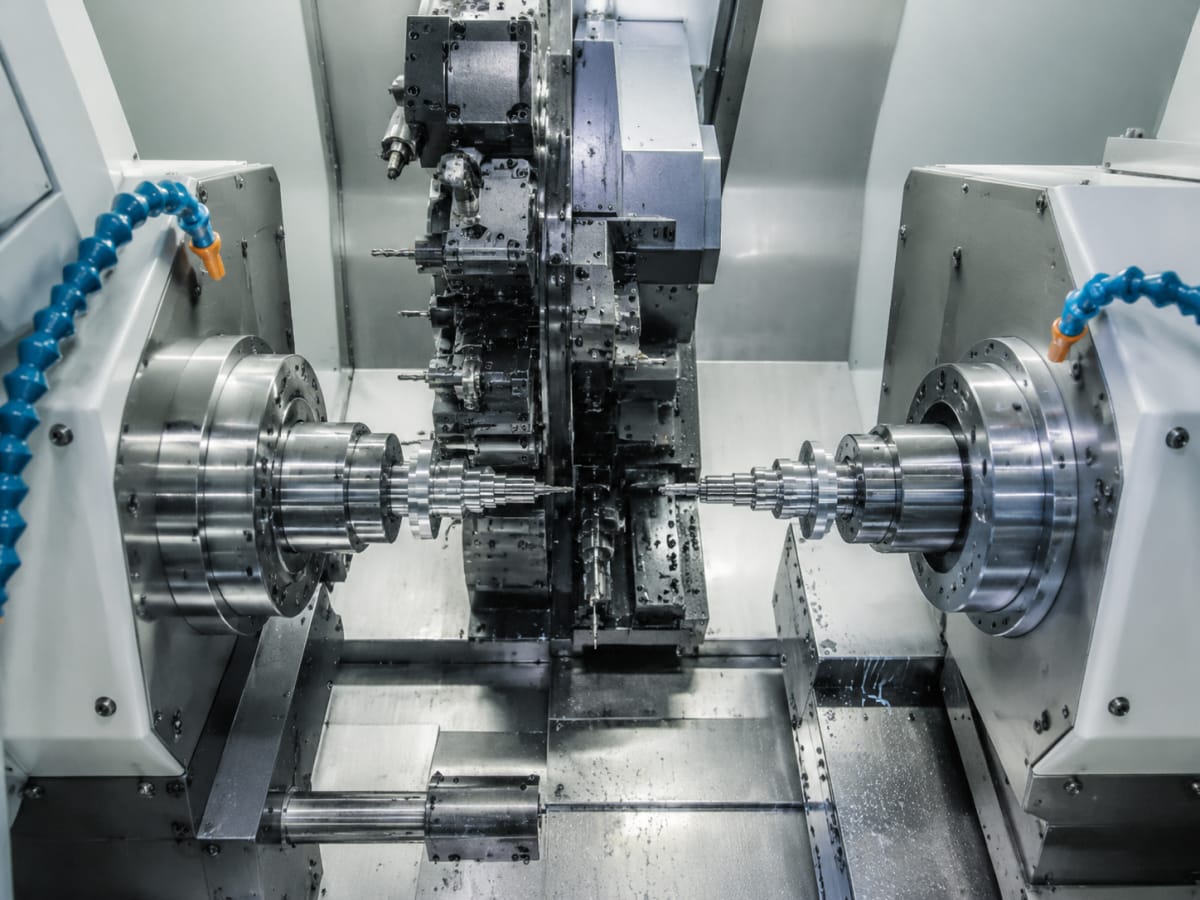
Micro CNC machining in the United States is the best choice when a part is too small, too precise, too material-critical, or too performance-sensitive for standard machining, molding, stamping, or additive manufacturing alone. It is commonly used for miniature medical device parts, aerospace sensor housings, microfluidic components, electronic connectors, defense hardware, optical mounts, robotics parts, and high-value prototypes that require repeatable tolerances, sharp features, clean finishes, and controlled material properties.
For buyers in the United States, the most practical approach is to shortlist suppliers by tolerance capability, micro-tooling experience, inspection equipment, material traceability, industry certification, and engineering response speed. Strong local choices include Owens Industries in Wisconsin, Swissomation in Massachusetts, Micron Manufacturing in Michigan, Cox Manufacturing in Texas, Protolabs in Minnesota, Xometry in Maryland, Fictiv with U.S. manufacturing coverage, and specialized Swiss screw machine shops serving medical, aerospace, and electronics clusters around Minneapolis, Boston, Chicago, Cleveland, Los Angeles, San Diego, Phoenix, Dallas, and the Bay Area.
If cost pressure is high or the project requires rapid iteration, qualified international suppliers can also be considered. Chinese companies with relevant quality systems, export experience, DFM support, responsive pre-sales and after-sales communication, and strong cost-performance advantages may be suitable, especially for prototypes, low-volume production, and bridge manufacturing before U.S. scale-up.
The United States micro CNC machining market is shaped by three forces: miniaturization, regulated manufacturing, and reshoring of critical supply chains. Medical device companies need smaller surgical tools, dental parts, implants, catheter components, endoscopic accessories, diagnostic cartridges, and wearable health device hardware. Aerospace and defense manufacturers need compact high-reliability parts for sensors, UAV systems, satellite payloads, avionics, and thermal control assemblies. Electronics and semiconductor equipment builders need precision micro-milled, micro-turned, and EDM-machined components for connectors, test fixtures, microfluidic cooling, probe systems, and optical alignment.
Unlike general CNC machining, micro machining is not only about reducing part size. It requires a full process strategy for tool runout, spindle stability, burr control, thermal growth, workholding pressure, toolpath planning, coolant delivery, inspection magnification, and surface integrity. A feature that looks simple on a drawing, such as a 0.010 inch slot, a 0.2 mm hole, or a thin wall under 0.5 mm, can become difficult if the material is titanium, stainless steel, PEEK, Ultem, beryllium copper, ceramic-filled polymer, or hardened tool steel.
U.S. demand is concentrated around manufacturing corridors with strong engineering ecosystems. The Minneapolis area is important for medical devices, Boston and Cambridge for life sciences and robotics, the Bay Area for electronics and advanced hardware, Southern California for aerospace and medical technology, Phoenix and Tucson for optics and semiconductor systems, Texas for defense, energy, and electronics, and the Midwest for precision manufacturing depth. Ports and logistics hubs such as Los Angeles-Long Beach, New York-New Jersey, Savannah, Houston, Seattle-Tacoma, and Chicago rail corridors also matter when buyers combine domestic machining with imported materials, tooling, or international prototype support.
Micro CNC machining buyers in the United States typically evaluate suppliers based on lead time, tolerance, documentation, inspection reporting, and ability to support revisions. In early product development, fast DFM feedback can be more valuable than the lowest unit price. In regulated production, repeatability, lot control, and quality records become more important than speed. In high-mix low-volume programs, flexible scheduling and fixture strategy determine whether a supplier can support ongoing engineering changes without restarting the entire project.
The following line chart presents a realistic growth pattern for U.S. demand in micro CNC machining services, with demand driven by medical devices, aerospace electronics, robotics, semiconductor equipment, and miniaturized industrial systems. The values represent indexed demand rather than exact revenue.
var ctx = document.getElementById(‘lineChart’).getContext(‘2d’);var chart = new Chart(ctx, {type: ‘line’,data: {labels: [‘2021’, ‘2022’, ‘2023’, ‘2024’, ‘2025’, ‘2026’, ‘2027’, ‘2028’],datasets: [{label: ‘U.S. Micro CNC Machining Demand Index’,data: [100, 108, 119, 131, 145, 160, 177, 195],borderColor: ‘rgb(38, 99, 235)’,backgroundColor: ‘rgba(38, 99, 235, 0.12)’,fill: false,tension: 0.25}]},options: {responsive: true,maintainAspectRatio: false,scales: {y: { beginAtZero: false }}}});Micro CNC machining covers several process types, and each one solves a different problem. Buyers should not treat micro milling, micro turning, Swiss machining, wire EDM, sinker EDM, laser-assisted machining, and precision grinding as interchangeable. The right process depends on feature size, geometry, material, tolerance, surface finish, annual volume, and downstream assembly requirements.
Process TypeTypical Part SizeBest MaterialsCore StrengthCommon U.S. ApplicationsBuying NoteMicro CNC milling1 mm to 100 mmAluminum, stainless steel, titanium, brass, PEEKSmall pockets, slots, channels, profiles, and 3D surfacesMedical housings, optical mounts, microfluidic plates, sensor bracketsAsk about spindle speed, tool runout, minimum cutter diameter, and burr control.Micro CNC turning0.5 mm to 50 mm diameterStainless steel, brass, titanium, copper alloys, plasticsRound miniature shafts, pins, nozzles, bushings, and fittingsDental parts, miniature connectors, valve parts, surgical instrument partsCheck concentricity, surface finish, and tool access for very small grooves.Swiss CNC machining0.3 mm to 32 mm diameterStainless steel, titanium, nitinol, brass, aluminum, plasticsLong slender parts with excellent concentricity and high repeatabilityMedical screws, bone pins, electrical contacts, aerospace fastenersBest for production runs or recurring orders where setup can be optimized.Wire EDMSmall flat or prismatic partsConductive metals, hardened steel, carbide, titaniumFine slots, sharp internal corners, hard material cutting, low cutting forceMicro tooling, stamped part inserts, medical blades, mold insertsUseful when mechanical cutting would distort thin or hardened components.Sinker EDMSmall cavities and complex recessesTool steel, stainless steel, titanium, conductive alloysMicro cavities, ribs, blind features, and details difficult to millMicro mold inserts, connector tooling, medical device toolingConfirm electrode accuracy and surface texture requirements before quoting.Precision micro grindingSub-millimeter to small precision partsCeramics, carbide, hardened steel, stainless steelTight surface finish, diameter control, and hard material finishingNeedles, pins, punches, miniature shafts, wear componentsOften used as a secondary process after turning or EDM.This table shows why process selection must happen early. A U.S. medical device startup in Boston may need Swiss machining for a miniature shaft, EDM for a micro slot, and passivation after machining. A California robotics company may need micro milling for aluminum sensor mounts and anodizing for wear resistance. A Texas defense contractor may require titanium micro-turned parts with traceable material certificates and first article inspection.
Buyers should start with function, not only drawings. Micro parts fail for different reasons than large parts. A thin wall may bend during clamping. A tiny hole may trap chips. A small burr may block fluid flow. A sharp edge may damage tissue in a medical device. A cosmetic scratch may be unacceptable on a visible consumer electronics part. Because of this, the request for quotation should include drawings, 3D CAD files, material grade, annual volume, surface finish requirements, inspection points, regulatory requirements, and a clear explanation of how the component will be used.
For U.S. buyers, supplier selection should also account for geography. A local supplier near Minneapolis, Boston, or San Diego may be valuable for face-to-face engineering reviews and urgent prototype changes. A national platform can be useful when capacity and speed matter. An international supplier can be useful when the project needs cost reduction, flexible low-volume production, or a one-stop route from prototype to tooling and molding.
Buying CriterionWhy It MattersWhat to AskStrong EvidenceRisk if IgnoredBest Fit ScenarioTolerance capabilityMicro components often depend on microns of clearance or alignment.What tolerances are routine, and which require special review?Inspection reports, CMM data, optical inspection records, process capability dataParts may assemble poorly or fail functional testing.Medical, aerospace, optics, and microfluidicsMicro-tooling experienceSmall cutters break easily and create burrs if feeds and speeds are wrong.What is the smallest tool used regularly in production?Sample parts, tool life data, machine spindle specificationsLead times extend because parts require rework or remaking.Fine slots, micro holes, miniature pocketsMaterial expertiseTitanium, PEEK, Ultem, copper, and stainless steel behave differently at small scale.Which grades have you machined for similar parts?Material certificates, traceability, supplier historyWarping, poor finish, tool wear, or contamination can occur.Regulated or high-performance componentsBurr managementA burr that looks minor can block flow, cut insulation, or change fit.How are micro burrs prevented, detected, and removed?Microscope images, deburring standards, edge break specificationsHidden defects may appear during assembly or use.Medical, electronics, fluidic, and optical partsInspection equipmentMany micro features cannot be verified with standard calipers.Do you use optical comparators, microscopes, CMM, or vision systems?Measurement system details and sample reportsSupplier may ship parts that cannot be objectively verified.Critical-to-function dimensionsEngineering communicationFast DFM saves cost before tooling, fixtures, or production lots are locked.Can you review manufacturability before quoting final production?DFM reports, tolerance recommendations, design change recordsUnnecessary tight tolerances increase cost and delay delivery.Startups, new product development, bridge productionThe table highlights a practical truth: the cheapest quote is rarely the safest choice for micro CNC machining. A supplier that explains which dimensions are difficult, which tolerances drive cost, and which design changes reduce risk is usually more valuable than a supplier that simply accepts every requirement without technical review.
Micro CNC machining demand in the United States is broad, but the highest-value work comes from industries where failure is expensive. In medical devices, a small burr or dimensional error can affect patient safety. In aerospace, a small weight reduction can improve system performance, but a material or tolerance issue can create unacceptable risk. In semiconductor equipment, small alignment features influence yield. In defense, miniature connectors, sensor parts, and ruggedized electronics must perform in harsh environments.
Consumer electronics, robotics, automation, and laboratory instruments are also expanding. These sectors often need rapid iteration. A product team in San Jose may revise an aluminum micro enclosure three times in two weeks. A robotics company in Pittsburgh may need custom miniature brackets for a new actuator. A lab equipment developer in Raleigh may need PEEK manifolds with tiny channels for chemical resistance. These projects benefit from suppliers who can machine, finish, inspect, and ship quickly without requiring excessive minimum order quantities.
The bar chart below compares estimated U.S. demand intensity by industry. Medical devices and aerospace remain the largest drivers, while semiconductor equipment and robotics show fast growth because of precision automation and miniaturized systems.
var ctx2 = document.getElementById(‘barChart’).getContext(‘2d’);var chart2 = new Chart(ctx2, {type: ‘bar’,data: {labels: [‘Medical Devices’, ‘Aerospace’, ‘Semiconductor Equipment’, ‘Electronics’, ‘Robotics’, ‘Defense’, ‘Lab Instruments’],datasets: [{label: ‘Demand Intensity Index’,data: [92, 84, 78, 70, 66, 74, 61],backgroundColor: ‘rgb(16, 185, 129)’}]},options: {responsive: true,maintainAspectRatio: false,scales: {y: { beginAtZero: true, max: 100 }}}});Micro CNC machining is used when geometry, precision, and material properties must work together. The process can create miniature fluid channels, ultra-small threaded features, fine slots, thin walls, needle-like turned features, precision datum faces, and complex 3D surfaces. It is particularly useful when additive manufacturing cannot meet surface finish, tolerance, or material requirements, and when injection molding tooling is not yet justified by production volume.
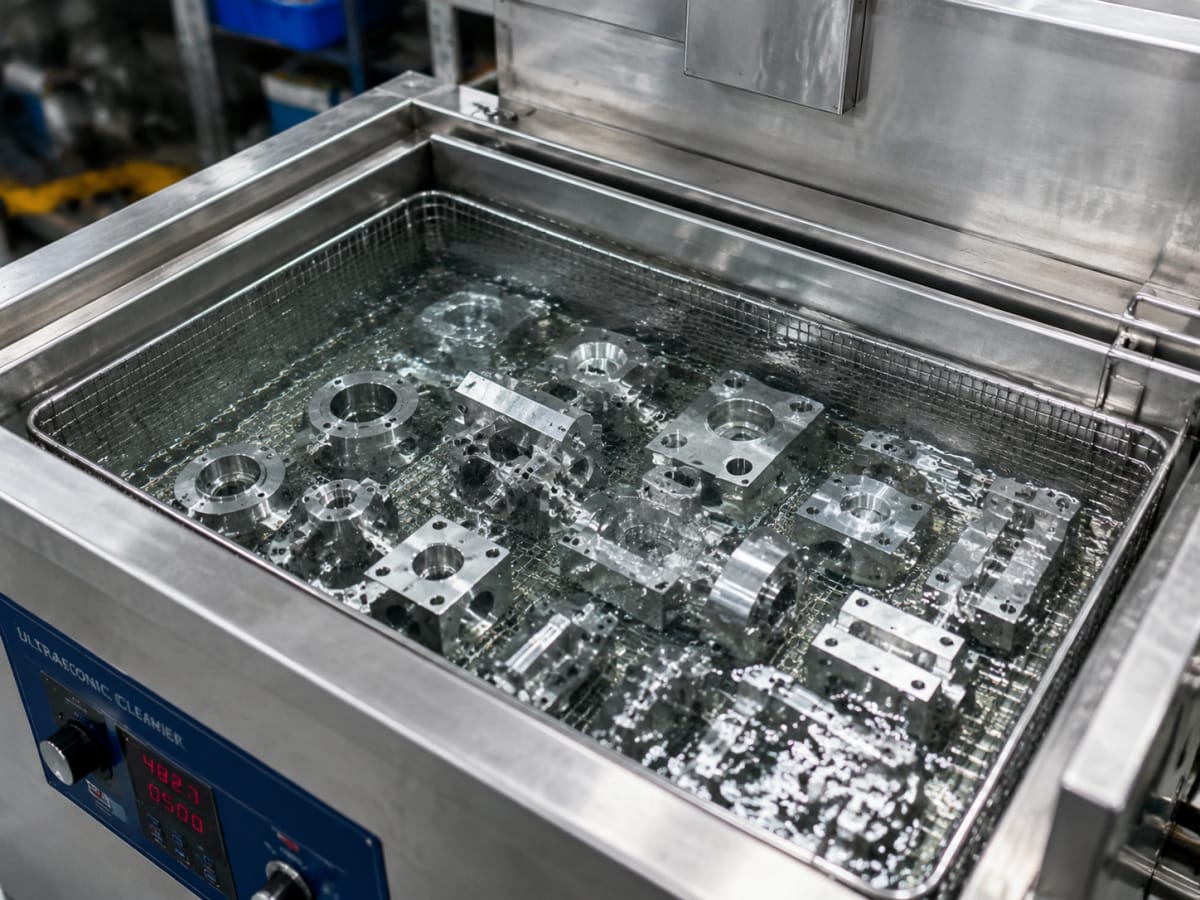
Typical applications include microfluidic manifolds, miniature valve bodies, implant trial components, dental abutments, surgical tool parts, catheter tips, micro gear components, optical alignment mounts, sensor housings, contact pins, test sockets, RF components, UAV hardware, watch and wearable parts, laboratory instrument fittings, and precision mold inserts. Many projects combine micro CNC machining with finishing processes such as anodizing, passivation, electropolishing, plating, bead blasting, polishing, laser marking, ultrasonic cleaning, and assembly.
ApplicationCommon MaterialTypical Feature ChallengeRecommended ProcessInspection FocusU.S. Buyer PriorityMicrofluidic manifoldPEEK, PMMA, stainless steel, aluminumTiny channels, sealing surfaces, cross-hole alignmentMicro milling and drillingChannel width, flatness, leak path, surface finishClean machining and fast prototype iterationMedical screw or pinTitanium, stainless steel, nitinolSmall threads, concentricity, surface integritySwiss CNC machiningThread form, diameter, runout, passivationTraceability and repeatabilityOptical mountAluminum, stainless steel, brassDatum control and vibration resistanceMicro millingPosition tolerance, flatness, perpendicularityStable alignment and clean anodizingElectrical contactBeryllium copper, brass, copper alloysFine geometry and plating preparationMicro turning or Swiss machiningContact surface, burrs, plating thicknessConductivity and consistent spring behaviorMicro mold insertTool steel, stainless steel, carbideSharp details, fine cavities, hard materialEDM and precision millingCavity detail, surface texture, edge definitionTool life and molded part accuracySensor enclosureAluminum, titanium, stainless steelThin walls, connector openings, sealing featuresMicro milling and finishingWall thickness, O-ring grooves, coating thicknessDurability and environmental sealingThese examples show that micro CNC machining is not a single service category. It is a group of precision methods that must be matched to the part’s function. A microfluidic component depends on clean channels and sealing faces. A contact pin depends on conductivity and burr-free edges. A mold insert depends on surface texture and durability. The most reliable suppliers ask application questions before recommending a process.
A medical device engineering team near Minneapolis needed a small stainless steel component for a handheld surgical instrument. The component included a thin wall, a fine slot, and a small alignment boss. The first drawing used unnecessarily tight tolerances on every surface, which would have increased cost and inspection time. A micro CNC supplier reviewed the functional requirements, identified three critical dimensions, relaxed nonfunctional tolerances, and recommended passivation after machining. The result was a prototype batch delivered faster, with inspection focused on the dimensions that mattered for assembly and device testing.
A life science startup in the Boston-Cambridge corridor needed a PEEK plate with small channels, threaded ports, and a flat sealing surface. The initial design had deep narrow channels that were difficult to machine without tool deflection. The supplier proposed slight radius changes, adjusted channel depth, and recommended a staged inspection process using optical measurement. The revised design reduced machining risk while preserving fluid performance. The company used the parts for bench testing before committing to higher-volume manufacturing.
An aerospace supplier in Southern California needed a lightweight aluminum micro housing with close-tolerance connector features and black anodizing. The challenge was maintaining dimensional accuracy after finishing. The machine shop adjusted pre-anodize dimensions, masked critical areas, and inspected the parts after coating. This prevented assembly issues and reduced rework. The project demonstrated why finishing knowledge is important for micro CNC machining, because coating thickness can become significant when features are extremely small.
A Texas electronics manufacturer needed small brass contact parts with clean edges and consistent plating preparation. The supplier used Swiss CNC machining for repeatability and controlled deburring under magnification. The buyer approved a first article lot before moving to recurring production. By stabilizing material, tooling, and inspection standards, the company reduced variation in connector assembly and improved production reliability.
The United States has a deep base of precision machining companies, but not every CNC shop is suitable for micro work. The following suppliers are practical starting points for buyers comparing micro CNC machining, Swiss machining, prototype machining, and precision production services. Capabilities change over time, so buyers should verify current equipment, certifications, tolerances, and material experience before placing orders.
CompanyService RegionCore StrengthKey OfferingsBest ForPractical Buyer NoteOwens IndustriesWisconsin and nationwide U.S. customersUltra-precision CNC machining and micro machining experience5-axis machining, EDM, micromachining, tight tolerance componentsAerospace, medical, defense, and complex precision partsStrong candidate when tolerances are difficult and documentation is important.SwissomationMassachusetts and nationwide U.S. customersPrecision micro Swiss machining and small turned partsSwiss screw machining, micro components, prototype and production runsMedical device, electronics, miniature mechanical partsUseful for small cylindrical components requiring repeatability.Micron ManufacturingMichigan and U.S. industrial marketsPrecision production machining and lean manufacturingCNC turning, milling, small precision components, production supportAutomotive, industrial, defense, and precision assembliesGood option for recurring production after design stabilizes.Cox ManufacturingTexas and nationwide U.S. customersHigh-volume precision screw machining and CNC turningSwiss machining, CNC turning, custom metal parts, production machiningElectronics, medical, defense, aerospace, industrial partsBest when annual volume justifies optimized production setup.ProtolabsMinnesota base with broad U.S. coverageFast digital manufacturing and quick-turn CNC prototypesCNC machining, 3D printing, injection molding, sheet metalRapid prototypes and early product developmentUseful when speed, online quoting, and design iteration are priorities.XometryMaryland base with distributed U.S. manufacturing networkLarge manufacturing marketplace and capacity accessCNC machining, sheet metal, additive manufacturing, injection moldingStartups, engineering teams, low-volume custom partsGood for comparing process options and accessing broad supplier capacity.FictivU.S. engineering support with global manufacturing networkManaged digital manufacturing for complex hardware teamsCNC machining, injection molding, urethane casting, additive manufacturingHardware startups, robotics, electronics, medical device developmentHelpful when project management and manufacturing coordination matter.MakinoU.S. technical centers and machine tool supportHigh-precision machining technology and EDM platformsMachining centers, EDM systems, automation supportManufacturers building in-house micro machining capacityRelevant for companies purchasing equipment rather than outsourcing parts.This supplier table is not a ranking; it is a practical comparison. A medical startup needing ten prototype parts may prefer a quick-turn provider. A defense contractor needing controlled production may prefer a specialized precision shop. A hardware company planning long-term production may use a U.S. supplier for critical pilot builds and an international partner for cost-optimized low-volume manufacturing after validation.
The comparison chart scores common supplier models by practical buyer criteria. Scores are illustrative and should be validated against the exact supplier, drawing, material, and quality requirements.
var ctx4 = document.getElementById(‘comparisonChart’).getContext(‘2d’);var chart4 = new Chart(ctx4, {type: ‘bar’,data: {labels: [‘Local Precision Shop’, ‘Digital Platform’, ‘Swiss Specialist’, ‘International Partner’],datasets: [{label: ‘Speed’,data: [78, 90, 72, 70],backgroundColor: ‘rgba(59, 130, 246, 0.75)’},{label: ‘Cost Performance’,data: [62, 68, 66, 88],backgroundColor: ‘rgba(245, 158, 11, 0.75)’},{label: ‘Micro Expertise’,data: [84, 70, 92, 78],backgroundColor: ‘rgba(139, 92, 246, 0.75)’}]},options: {responsive: true,maintainAspectRatio: false,scales: {y: { beginAtZero: true, max: 100 }}}});TEAM Rapid supports U.S. customers that need micro CNC machining, rapid prototypes, low-volume manufacturing, and scalable production through an engineering-led manufacturing model built on ISO 9001:2015 quality management, in-house machining and tooling capability, integrated manufacturing resources across China, and experience delivering more than 6000 projects for over 500 customers in more than 25 countries. For precision parts, the company provides CNC milling, turning, wire EDM, EDM, polishing, anodizing, painting, plating, and related finishing options for plastic and metal components from one piece to 500 plus pieces, with tight tolerance capability down to 0.01 mm and material options suitable for functional prototypes, cases, enclosures, housings, trays, covers, fillers, and complex engineered components; buyers can review the company background through its manufacturing company profile and explore precision CNC machining services for custom parts. TEAM Rapid works with end users, product designers, engineers, startups, brand owners, distributors, dealers, and established manufacturers through flexible OEM/ODM, wholesale, retail, regional distribution, prototype, bridge production, and volume production cooperation models, while also supporting injection molding, rapid tooling, die casting, aluminum extrusion, sheet metal fabrication, assembly, packaging, procurement, limited warehousing, and direct shipping as EPC/Turnkey / Customer-owned plant solutions, NOT BOO / On-site bulk supply services. For U.S. buyers, the company’s local assurance comes from practical experience serving customers launching products in the USA and other Western markets, fast one-to-one engineering communication within a few hours, DFM reports before tooling, manufacturability analysis that reduces design risk, and online/offline pre-sale and after-sale support covering quotation review, design optimization, production updates, inspection coordination, packaging, and shipping, so customers are not treated as remote one-time importers but as long-term manufacturing partners with cost-performance advantages and responsive technical support.
TEAM Rapid is especially relevant when a project needs more than micro CNC machining alone. A buyer may start with a machined prototype, move to vacuum casting for design validation, use rapid tooling for trial molding, and then transition to custom injection molding services when volume increases. This connected pathway helps companies avoid the common problem of managing separate prototype, tooling, molding, finishing, and assembly suppliers. For teams that need direct project discussion, the engineering contact channel is useful for sharing CAD files, drawings, materials, target quantities, tolerances, and delivery expectations.
Micro CNC machining in 2026 will be influenced by automation, digital inspection, sustainability, and supply chain policy. U.S. buyers are asking for faster quoting, more transparent quality records, and suppliers that can support both domestic production and global cost optimization. At the same time, medical, aerospace, semiconductor, and defense customers are paying closer attention to traceability, cybersecurity, export controls, and material origin.
Technically, high-speed spindles, improved micro end mills, better tool coatings, in-machine probing, optical inspection, automated deburring, hybrid additive-subtractive workflows, and AI-assisted toolpath optimization will continue to improve consistency. Shops that can combine machining data, inspection data, and production records will have an advantage, especially for regulated industries. Digital twins and simulation will help reduce trial cuts when tools are extremely small and fragile.
Sustainability is also becoming more practical rather than symbolic. Buyers are asking how suppliers reduce scrap, choose recyclable metals, optimize cycle time, control coolant use, and consolidate shipments. Lightweight micro components can reduce energy consumption in aerospace, robotics, and portable medical devices, but the machining process itself must also become more efficient. Suppliers that can explain material yield, packaging reduction, and production planning will be more competitive.
The area chart shows a realistic shift from single-process outsourcing toward integrated manufacturing support, where buyers want machining, finishing, inspection, assembly, and logistics from fewer qualified partners.
var ctx3 = document.getElementById(‘areaChart’).getContext(‘2d’);var chart3 = new Chart(ctx3, {type: ‘line’,data: {labels: [‘2021’, ‘2022’, ‘2023’, ‘2024’, ‘2025’, ‘2026’, ‘2027’, ‘2028’],datasets: [{label: ‘Integrated Manufacturing Preference Index’,data: [42, 48, 55, 63, 71, 79, 86, 92],borderColor: ‘rgb(220, 38, 38)’,backgroundColor: ‘rgba(220, 38, 38, 0.20)’,fill: true,tension: 0.3}]},options: {responsive: true,maintainAspectRatio: false,scales: {y: { beginAtZero: true, max: 100 }}}});Micro CNC machining cost depends on more than part size. Smaller parts are not automatically cheaper because the setup, inspection, tooling, and handling can be more demanding than for larger components. A tiny titanium part may cost more than a larger aluminum bracket because tool wear is higher, cycle time is slower, inspection is more detailed, and scrap risk is greater.
The main cost drivers include material grade, tolerance, minimum feature size, surface finish, burr requirements, workholding complexity, machine time, tool life, inspection method, finishing, cleaning, documentation, and order quantity. Tight tolerances should be applied only to functional dimensions. If every dimension is marked with an unnecessarily tight tolerance, the supplier must inspect and control more features, which increases cost and lead time.
Buyers can reduce cost by sharing the real function of the part, allowing reasonable radii, avoiding deep narrow features when possible, choosing machinable materials, consolidating setups, planning inspection points, and ordering pilot quantities that support process learning. For production, blanket orders or recurring release schedules can help suppliers optimize material purchasing and machine planning.
In the United States, domestic labor, inspection, and overhead costs are higher than in many offshore markets, but domestic suppliers may offer faster communication, easier site visits, and simplified compliance for sensitive programs. International suppliers can offer strong cost-performance when the project allows overseas production, particularly for prototypes, low-volume parts, and manufacturing packages that combine machining with tooling, molding, finishing, and assembly.
Quality in micro CNC machining should be defined before production. A drawing that only says “tight tolerance” is not enough. Buyers should specify critical dimensions, inspection methods, acceptable burr conditions, surface roughness, material certification requirements, finishing standards, packaging expectations, and any industry-specific requirements. For medical and aerospace components, suppliers may need first article inspection, lot traceability, certificate of conformance, material certificates, and process records.
Inspection for micro parts often requires optical systems, microscopes, high-resolution cameras, CMMs with appropriate probes, surface roughness testers, pin gauges, thread gauges, and custom fixtures. Measurement uncertainty becomes important because the inspection tool must be accurate enough for the tolerance being checked. If a tolerance is ±0.01 mm, the supplier must have equipment and methods that can reliably measure at that scale.
Packaging also matters. A precision micro part can be damaged after passing inspection if it is allowed to rub against other parts in a bag. Clean trays, individual cavities, protective caps, anti-static packaging, corrosion protection, and clear labeling can prevent avoidable damage. For U.S. buyers receiving parts through ports, air freight hubs, or domestic parcel networks, packaging should be designed for the full logistics path, not only the supplier’s shipping dock.
A strong RFQ helps suppliers respond accurately and prevents delays. Buyers should include a 3D CAD file, 2D drawing, material specification, quantity range, target lead time, surface finish, post-processing, inspection requirements, and application notes. If the part is still in development, it is useful to ask for DFM feedback instead of demanding an exact quote immediately.
The best RFQ packages explain what can change and what cannot. For example, a sealing surface may be critical, but an external cosmetic radius may be flexible. A hole location may be functional, but a pocket depth may allow more tolerance. This information lets the supplier protect performance while reducing cost. For micro CNC machining, a small design adjustment can make the difference between a difficult, expensive part and a stable, repeatable process.
Buyers should also ask suppliers to identify risks. A professional supplier should be comfortable saying that a wall is too thin, a slot is too deep, a material is difficult, or a tolerance requires special inspection. This is not a weakness. It is a sign of experience. Suppliers that provide clear DFM feedback help buyers avoid failed builds, late-stage redesign, and expensive tooling mistakes.
Micro CNC machining is the precision machining of very small parts or very small features using computer-controlled milling, turning, Swiss machining, EDM, drilling, grinding, and finishing processes. It is used when miniature geometry, tight tolerance, material performance, and repeatability are all important.
Realistic tolerances depend on material, feature size, geometry, machine capability, inspection method, and production quantity. Some suppliers can hold tolerances around 0.01 mm on suitable features, but not every dimension on every part should be specified that tightly. Functional tolerance review is essential.
Common materials include aluminum, stainless steel, titanium, brass, copper alloys, beryllium copper, PEEK, Ultem, Delrin, PMMA, tool steel, carbide, and specialty alloys. The best material depends on strength, weight, conductivity, biocompatibility, chemical resistance, thermal behavior, and regulatory needs.
Micro CNC machining is usually better when the part requires tight tolerance, smooth functional surfaces, true engineering materials, threaded features, sharp datum control, or production-like performance. 3D printing is often better for complex shapes, fast concept models, and geometries that cannot be cut easily. Many projects use both processes during development.
Choose a U.S. supplier when compliance, sensitive intellectual property, site visits, urgent delivery, or domestic sourcing requirements are critical. Consider a qualified international supplier when cost-performance, flexible low-volume production, integrated manufacturing, and rapid scaling are important. The best choice depends on risk, timeline, budget, and documentation needs.
Send a 3D CAD file, 2D drawing, material, quantity, tolerance requirements, surface finish, finishing process, inspection needs, target delivery date, and application notes. If you are unsure about manufacturability, ask for DFM feedback before finalizing the design.
Yes. Micro CNC machining can support prototypes, pilot builds, bridge production, and recurring production. Swiss machining and optimized fixtures are especially useful when small precision parts move from prototype quantities into repeatable production.
The biggest risks are tool breakage, burrs, workpiece distortion, unclear tolerances, inadequate inspection, poor material selection, finishing distortion, and packaging damage. These risks can be reduced through DFM review, process planning, suitable inspection, and supplier experience with miniature features.
For buyers seeking higher part output, lower unit cost at scale, and repeatable quality, multi cavity injection molding is one of the most practical production methods in the United States. The best fit depends on annual volume, resin selection, tolerance requirements, tooling budget, automation level, and whether you need medical, consumer, automotive, or industrial compliance. In the U.S. market, proven names worth shortlisting include EVCO Plastics, Nicolet Plastics, PTI Engineered Plastics, Mack Molding, The Rodon Group, and Fathom for projects that require robust mold design, validation, and production support. Buyers in hubs such as Chicago, Detroit, Charlotte, Dallas, and Southern California often prioritize suppliers with in-house tooling coordination, scientific molding, strong PPAP or IQ/OQ/PQ discipline, and dependable logistics near major ports and distribution corridors.
For immediate action, start by requesting a DFM review, cavity recommendation, cycle-time estimate, resin advice, tooling steel suggestion, and sampling plan from at least three suppliers. If the project involves cost pressure or a phased launch, qualified international partners can also be a smart option. Suppliers such as TEAM Rapid can be considered when they combine engineering review, ISO-backed quality systems, rapid tooling, flexible low-to-mid volume support, and responsive pre-sales and after-sales communication for U.S. customers. That cost-performance balance is especially useful when moving from prototype validation to bridge production and then to larger multi cavity programs.
Multi cavity injection molding refers to a mold configuration that produces multiple identical parts in a single machine cycle. Instead of making one component per shot, a mold may create 2, 4, 8, 16, 32, or even more parts at once, depending on part geometry, machine tonnage, resin flow behavior, cooling design, and quality requirements. In the United States, this approach remains central to high-throughput production for packaging, caps and closures, medical disposables, appliance components, connectors, housings, and numerous consumer products.
The core business case is straightforward. As output per cycle increases, manufacturers can spread molding machine time, labor, and overhead across more finished parts. When the tool is properly balanced and the process is well controlled, the cost per part typically falls as the cavity count rises. However, the strategy only works well when the part design, material, runner system, venting, cooling channels, and ejection system are engineered for uniform filling and consistent part quality. A poorly designed high-cavity mold can increase scrap, extend debug time, and create costly dimensional variation that outweighs any theoretical productivity gain.
Across the United States, demand for multi cavity molding is strongest in regions with established product development and distribution ecosystems. The Midwest remains important because of automotive and industrial manufacturing around Detroit, Grand Rapids, Milwaukee, and Chicago. The Southeast continues to expand due to medical, appliance, and consumer manufacturing growth in North Carolina, South Carolina, Tennessee, and Georgia. The Northeast remains highly active in medical devices and precision molding, especially around Massachusetts, Pennsylvania, and upstate New York. Texas and California also stand out because of electronics, industrial equipment, and startup hardware development supported by ports, freight infrastructure, and fast design iteration cycles.
Several trends shape the market today. First, labor and energy costs continue to push processors toward automation, faster hot runner systems, cavity pressure monitoring, and advanced cooling. Second, nearshoring and supplier diversification remain active themes as American buyers seek resilient supply chains. Third, sustainability expectations are influencing resin choice, lightweighting, mold efficiency, regrind strategies, and packaging design. Finally, launch speed matters more than ever, which is why buyers increasingly value suppliers that can bridge from prototype tools to production molds without handing projects between multiple disconnected vendors.
var ctxLine = document.getElementById(‘lineChartMarket’).getContext(‘2d’);var chartLine = new Chart(ctxLine, {type: ‘line’,data: {labels: [‘2021’, ‘2022’, ‘2023’, ‘2024’, ‘2025’, ‘2026’],datasets: [{label: ‘Estimated U.S. demand index for multi cavity molding’,data: [72, 77, 83, 89, 96, 104],borderColor: ‘rgb(54, 162, 235)’,backgroundColor: ‘rgba(54, 162, 235, 0.15)’,fill: false,tension: 0.25}]},options: {responsive: true,maintainAspectRatio: false}});The line chart above illustrates a realistic demand index trend for the U.S. market. The pattern reflects continued adoption of multi cavity tools as companies pursue lower piece-part cost, faster replenishment, and more stable domestic or hybrid sourcing. The 2026 outlook also reflects broader use of digital process monitoring and sustainability-driven redesigns that favor efficient production.
Not every part should be molded in the same cavity layout. Buyers need to match product geometry, cosmetic requirements, annual demand, material sensitivity, and validation burden to the right mold concept. The most common product categories made with multi cavity injection molding in the United States range from small medical and packaging parts to electrical connectors, clips, fittings, and enclosures.
Product TypeTypical Cavity RangeCommon MaterialsBest-Fit IndustriesMain AdvantageKey WatchoutCaps and closures8 to 64+PP, HDPEPackaging, food, personal careVery high throughputGate balance and cooling uniformityMedical disposable components4 to 32PP, PE, PC, medical-grade resinsMedical devices, diagnosticsHigh volume repeatabilityValidation and contamination controlElectrical connectors4 to 32Nylon, PBT, LCPElectronics, automotiveTight feature replicationWarp and glass-fiber orientationConsumer housings and covers2 to 16ABS, PC/ABS, PPConsumer goods, office productsLower piece-part costCosmetic consistency across cavitiesIndustrial clips and fasteners8 to 48Nylon, acetal, PPIndustrial, automotive, appliancesExcellent economics at scaleFlash control and tool wearLabware and small trays2 to 16PS, PP, PETGMedical, laboratory, packagingRepeatable dimensional outputPart ejection and nesting behaviorThis table shows why product type matters. High-cavity packaging tools can justify aggressive cavity counts because the parts are small, demand is large, and the geometry is often optimized for automation. Medical parts may also use many cavities, but process validation, clean manufacturing, and traceability usually make supplier selection more stringent. Consumer housings and cosmetic covers often require lower cavity counts because appearance, dimensional control, and larger projected area can limit how many parts a mold can produce per shot.
Choosing a multi cavity injection molding supplier in the United States should begin with a technical and commercial reality check, not simply a price comparison. Many programs fail because buyers assume that more cavities always mean lower cost. In reality, the best cavity count depends on annual volume, amortization period, press availability, acceptable scrap rate, expected engineering changes, and maintenance strategy.
Start with annual demand. If a product only needs 20,000 pieces per year, a 16-cavity production mold may be excessive. A 2- or 4-cavity tool may achieve the best overall economics when you factor in tooling investment, maintenance, and future revisions. On the other hand, if annual demand is 1 million parts, a small cavity tool can create bottlenecks, labor inefficiency, and lost margin.
Resin selection is equally important. Materials such as PP and HDPE are often forgiving in high-cavity systems, while glass-filled nylons, LCP, and engineering resins require tighter process control, more careful gate design, and close attention to mold wear. For FDA-related, medical, or regulated applications, the supplier should document resin lot traceability, process windows, inspection plans, and change control procedures.
Tooling design should be discussed in detail before issuing the purchase order. Ask whether the supplier recommends a cold runner or hot runner system, what steel grades are planned for the cavities and core, whether spare inserts are included, how cooling circuits are laid out, what venting strategy will be used, and how cavity balance will be verified during mold trials. For larger programs, cavity pressure sensing and automated part handling can dramatically improve consistency.
Location and logistics also matter. A mold that runs near final assembly can reduce lead time and freight exposure. U.S. buyers who distribute through New Jersey, Savannah, Los Angeles, Houston, or Chicago should evaluate shipping lanes, warehouse support, safety stock strategy, and contingency planning. If the supplier is overseas, responsiveness, engineering communication, and after-sales discipline become even more important.
Buying CriterionWhy It MattersWhat to Ask the SupplierRisk if IgnoredBest ForDecision ImpactAnnual volumeSets optimal cavity countWhat cavity layout gives lowest total cost?Overspending on toolingAll buyersVery highMaterial behaviorAffects fill, shrink, wearHas this resin run in similar molds?Scrap and instabilityEngineering-grade partsVery highTool steel and hot runnerImpacts mold life and uptimeWhich steel and manifold brand are specified?Frequent downtimeLong-run programsHighValidation and documentationNeeded for regulated sectorsCan you support PPAP or IQ/OQ/PQ?Compliance delaysMedical, automotiveHighAutomation levelImproves repeatabilityIs robotic part handling included?Higher labor and damageHigh-volume programsMedium to highAfter-sales supportReduces downtime riskHow fast do you respond to tool issues?Production interruptionAll buyersHighThe table above can be used as a practical buyer checklist. In many sourcing situations, the winning supplier is not the one with the lowest mold quote, but the one that provides the most credible path to stable output, measurable quality, and manageable long-term maintenance.
Multi cavity injection molding supports a wide range of U.S. industries because many products depend on repeatable, high-volume plastic parts. Automotive uses include clips, fasteners, connectors, small housings, and under-hood components. Medical uses include single-use housings, cartridges, handles, closures, and lab consumables. Consumer applications range from appliance features to personal care packaging, storage products, and electronics accessories. Industrial and commercial sectors rely on multi cavity molding for cable management, fittings, protective caps, and product assembly features.
var ctxBar = document.getElementById(‘barChartIndustry’).getContext(‘2d’);var chartBar = new Chart(ctxBar, {type: ‘bar’,data: {labels: [‘Medical’, ‘Packaging’, ‘Consumer Goods’, ‘Automotive’, ‘Electronics’, ‘Industrial’],datasets: [{label: ‘Relative U.S. demand for multi cavity tooling’,data: [88, 95, 76, 72, 69, 74],backgroundColor: [‘rgb(75, 192, 192)’,’rgb(255, 159, 64)’,’rgb(153, 102, 255)’,’rgb(255, 99, 132)’,’rgb(54, 162, 235)’,’rgb(201, 203, 207)’]}]},options: {responsive: true,maintainAspectRatio: false}});The bar chart indicates how demand is distributed across major sectors. Packaging and medical tend to lead because they combine large order quantities with repeatable geometries that benefit strongly from higher cavity counts. Automotive and industrial demand remains substantial, although design validation, material performance, and quality documentation often make tooling decisions more complex.
The application range for multi cavity tooling is broader than many buyers expect. Beyond classic packaging and closures, the method is widely used for consumer device internals, office equipment components, appliance subassemblies, instrument housings, automotive retainers, electrical insulators, sanitary product parts, and communication-device plastics. When the geometry is small to medium size and the part repeats in high quantities, the economics become compelling.
For product teams, the biggest application advantage is not just output. It is also consistency. When a mold is carefully balanced, each cavity can produce parts within a tightly controlled range, which supports downstream automation, assembly efficiency, and lower inspection burden. This becomes especially valuable in connector bodies, clips, snap-fit features, fluid management parts, and medical device components where dimensional drift can cause field problems.
There is also strong overlap between multi cavity molding and product lifecycle strategy. Early development may start with CNC prototypes or printed models, move to bridge tooling for pilot builds, then scale into hardened multi cavity production molds. Companies that understand this pathway can reduce launch delays and avoid redesigning parts at the last minute because the production mold concept was never considered during prototyping. Buyers looking for related development support can review practical options such as precision CNC machining services for early validation and injection molding services for scaled production planning.
A common U.S. case involves a consumer appliance brand transitioning from a single cavity prototype tool to a 4-cavity production mold. The original part was an ABS front cover produced in moderate annual volume. During DFM review, the supplier identified non-uniform wall thickness and a snap-fit area likely to warp in a higher-cavity environment. By adjusting rib geometry and gate location before hard tooling, the team reduced cycle instability and improved cosmetic consistency. The final result was a lower unit cost and better assembly yield than the first concept could have delivered.
Another case is a medical consumable component molded in polypropylene for a regional U.S. diagnostics program. The buyer needed stricter documentation, controlled material handling, and repeatable output over multiple batches. The selected supplier used a validated 8-cavity tool with documented process windows, cavity-by-cavity inspection, and disciplined change control. The gain was not just volume. The real value came from lower risk during customer audits and faster production release.
A third case involves an industrial electronics customer serving distribution channels across Texas, Illinois, and the Southeast. The part was a small glass-filled nylon retainer. A domestic supplier proposed a 4-cavity tool, while another recommended 8 cavities. After comparing machine tonnage, fiber orientation risks, maintenance burden, and annual demand, the customer selected the 4-cavity option because it delivered a better balance of quality, lead time, and tooling payback. This kind of analysis shows why cavity count should always be chosen by total program economics, not by headline output alone.
The United States has a deep bench of molding suppliers, but buyers should still screen for real alignment with part geometry, validation needs, and service expectations. The following companies are relevant names for multi cavity injection molding projects, particularly when production scale, quality systems, and engineering support are critical. These examples help buyers build a shortlist rather than serve as a one-size-fits-all ranking.
CompanyPrimary Service RegionCore StrengthsKey OfferingsTypical FitBuyer NoteEVCO PlasticsMidwest and nationwideHigh-volume molding, automation, global supportCustom injection molding, tooling coordination, assemblyConsumer, industrial, medicalStrong for repeat production with automationNicolet PlasticsMidwest, national programsEngineering support, custom molding, design collaborationMold design input, production molding, secondary operationsComplex custom partsUseful for technical DFM collaborationPTI Engineered PlasticsMichigan and U.S. marketMedical and high-spec programsInjection molding, validation, cleanroom-related supportMedical, diagnostics, device housingsGood for regulated environmentsMack MoldingNortheast and nationwideContract manufacturing, molding, assembly integrationMolding, EMS integration, product build supportIndustrial, medical, electronicsHelpful when assemblies are involvedThe Rodon GroupEast Coast, national distributionHigh cavitation, automation, custom plastic productionLarge-scale molding, packaging and consumer componentsHigh-volume small partsStrong for throughput-focused programsFathomNational U.S. coveragePrototype-to-production pathwayTooling, molding, digital manufacturing supportProduct development teamsUseful for staged product launchesThis supplier table is most useful during the early shortlist phase. Buyers should compare each company based on evidence such as similar part history, engineering response speed, sampling process, metrology capability, mold maintenance plan, and how well the supplier handles design changes without derailing launch schedules.
CompanyService RegionsMaterials CapabilityValidation SupportSecondary ServicesBest Use CaseEVCO PlasticsU.S., cross-border supportCommodity and engineering resinsStrong production disciplineAssembly, decorationScaled production with automationNicolet PlasticsU.S. Midwest and nationalCustom resin selection supportProject-based quality planningDesign collaboration, finishingCustom technical plastic partsPTI Engineered PlasticsNational medical-focused supplyMedical and engineering-grade materialsHigh documentation supportTesting and assembly coordinationMedical and regulated productsMack MoldingU.S. East and nationwideBroad material rangeProgram-level quality systemsContract manufacturing integrationComplex molded assembliesThe Rodon GroupNational distribution channelsHigh-volume production resinsProduction quality systemsPackaging supportSmall parts in large quantitiesFathomU.S. design and production networkPrototype and production resin pathwaysDevelopment-to-production supportRapid prototyping, toolingFast launch and iteration programsThe second table focuses on practical supplier fit rather than general reputation. It helps U.S. buyers decide whether they need a high-volume molder, a medical-focused partner, a broader contract manufacturer, or a company that can support a prototype-to-production transition within one coordinated workflow.
var ctxCompare = document.getElementById(‘comparisonChartSupplier’).getContext(‘2d’);var chartCompare = new Chart(ctxCompare, {type: ‘bar’,data: {labels: [‘EVCO Plastics’, ‘Nicolet Plastics’, ‘PTI Engineered Plastics’, ‘Mack Molding’, ‘The Rodon Group’, ‘Fathom’],datasets: [{label: ‘Relative suitability score for multi cavity programs’,data: [90, 82, 88, 84, 91, 79],backgroundColor: [‘rgb(54, 162, 235)’,’rgb(255, 206, 86)’,’rgb(75, 192, 192)’,’rgb(255, 99, 132)’,’rgb(153, 102, 255)’,’rgb(201, 203, 207)’]}]},options: {responsive: true,maintainAspectRatio: false}});This comparison chart gives a directional view of supplier fit for multi cavity programs, based on factors such as production orientation, engineering support, quality discipline, and suitability for repeat volume. It is not a universal ranking. Buyers should recalibrate according to their own part size, annual volume, resin, validation requirements, and supply chain geography.
By 2026, multi cavity injection molding in the United States is expected to advance on three fronts: technology, policy, and sustainability. On the technology side, more processors are adopting cavity pressure sensors, automated vision inspection, mold flow simulation earlier in design, conformal cooling strategies where feasible, and machine connectivity for real-time process control. These investments help reduce variation across cavities and improve OEE in high-output production environments.
From a policy perspective, U.S. buyers continue to pay closer attention to domestic resilience, medical and product compliance, and regionalized sourcing. While not every program will move fully onshore, dual-source and hybrid sourcing models are becoming more common. This creates opportunities for both U.S. molders and internationally based suppliers that can prove reliable logistics, engineering transparency, and consistent quality documentation.
Sustainability is no longer limited to marketing language. Customers increasingly ask about recycled content compatibility, lightweight redesigns, resin yield optimization, runner waste reduction, energy-efficient molding cells, and packaging simplification. In multi cavity tools, sustainability often aligns with economics because efficient cooling, balanced filling, lower scrap, and optimized cycle times reduce both cost and resource consumption.
var ctxArea = document.getElementById(‘areaChartTrends’).getContext(‘2d’);var chartArea = new Chart(ctxArea, {type: ‘line’,data: {labels: [‘2021’, ‘2022’, ‘2023’, ‘2024’, ‘2025’, ‘2026’],datasets: [{label: ‘Shift toward automation, validation, and sustainable production’,data: [40, 48, 57, 66, 76, 87],borderColor: ‘rgb(75, 192, 192)’,backgroundColor: ‘rgba(75, 192, 192, 0.25)’,fill: true,tension: 0.25}]},options: {responsive: true,maintainAspectRatio: false}});The area chart shows a realistic trend shift in buyer priorities. Programs that once focused mainly on mold price now place more weight on process data, qualification support, resin efficiency, and long-term continuity. This is especially visible in medical devices, electronics, and branded consumer goods where quality escapes and delivery delays are expensive.
For U.S. buyers seeking a cost-effective partner beyond purely domestic options, TEAM Rapid offers a practical manufacturing model built around rapid prototyping, tooling, injection molding, CNC machining, die casting, sheet metal fabrication, finishing, assembly, packaging, procurement support, and direct shipping, with the company explicitly supporting EPC-style turnkey and customer-owned production solutions rather than BOO or on-site bulk supply models. Its credibility comes from concrete operating evidence: more than 10 years of manufacturing experience, service to customers in over 25 countries, more than 500 satisfied customers, over 6000 delivered projects, and ISO 9001:2015 certification that supports disciplined quality control and specification compliance. On the product side, the company emphasizes engineering-led DFM, manufacturability analysis, rapid tooling, insert molding, over molding, precision mold production, and custom molded parts, while also supporting tight CNC tolerances down to 0.01 mm and broad plastic and metal material options backed by in-house machining, tooling manufacture, molding capability, and a coordinated China-based manufacturing resource network. On cooperation models, it serves innovators, product designers, engineers, startups, end users, distributors, dealers, brand owners, and individuals through flexible OEM, ODM, prototype, low-volume, repeat-order, and scalable production arrangements from one part to 100000-plus pieces. On local service assurance for the U.S. market, the company already highlights operating experience serving customers in the United States alongside other Western markets, quick one-to-one engineering responses within hours, direct project communication, and integrated support from pre-sales DFM through post-production shipping and supply coordination. For American buyers that need a partner invested in long-term project success rather than simple remote exporting, that combination of documented scale, engineering involvement, responsive support, and market familiarity is a meaningful trust signal. Buyers who want to discuss a project directly can use the U.S. project contact page.
For many projects, the real decision is not domestic versus overseas in absolute terms, but which sourcing model best matches the business stage. A regulated medical program with frequent audits and local assembly may favor a U.S.-based production molder. A startup launching a new consumer device may benefit from a hybrid model that uses fast prototyping and bridge tooling with an international supplier, then transitions to larger-scale production once demand stabilizes.
U.S. sourcing often provides easier plant visits, faster domestic shipping, closer timezone alignment, and stronger perception of supply chain control. International sourcing can provide meaningful savings on tooling and piece-part cost, especially when a supplier has strong DFM capability, mature mold manufacturing, and disciplined project management. The best approach is to compare landed cost, lead time, communication speed, validation requirements, maintenance support, and reorder flexibility rather than focusing on quote price alone.
Sourcing ModelMain AdvantageMain LimitationBest ForCost ProfileLead-Time ProfileDomestic U.S. moldingCloser coordination and logisticsHigher operating cost in many casesRegulated or urgent programsHigherStable and short domesticallyInternational direct supplyCompetitive tooling and production costLonger logistics chainCost-sensitive scale programsLower to mediumModerate to longHybrid prototype plus U.S. productionFast learning, local production handoffTwo-stage coordinationNew product launchesMediumBalancedHybrid international tooling and U.S. moldingTool savings with local moldingTransfer complexityMid-to-high volume programsMediumBalancedBridge tooling overseasQuick market entryLimited long-term volume efficiencyPilot and validation demandLower upfrontFast to moderateLong-run global supply partnershipScalable capacity and cost controlNeeds strong supplier governanceEstablished brands and distributorsOptimized over timePlanned and predictableThis sourcing table helps clarify where multi cavity injection molding fits in a broader launch strategy. In many cases, the best outcome is a staged model that protects cash, accelerates learning, and preserves future scale options.
The main benefit is higher output per cycle, which usually lowers unit cost when demand is large enough to justify the tooling investment. It also supports more consistent production planning for repeat orders.
There is no universal answer. The right cavity count depends on annual volume, part size, machine tonnage, material flow, quality targets, budget, and expected design changes. A DFM study and cost model are essential before deciding.
No. More cavities can reduce piece-part cost, but they also increase tool complexity, balancing challenges, maintenance requirements, and upfront investment. For low or uncertain volumes, fewer cavities may produce a better total return.
Packaging, medical devices, consumer goods, electronics, appliances, automotive, and industrial products all use multi cavity injection molding extensively, especially for small to medium plastic parts produced in repeat volume.
Yes, if they have proven engineering communication, quality systems, project management discipline, and reliable shipping support. U.S. buyers should ask for DFM reports, quality documents, timelines, and clear after-sales procedures before placing a tooling order.
Ask for recommended cavity count, mold concept, resin advice, steel specification, hot runner or cold runner recommendation, cycle-time estimate, sample plan, inspection method, mold life estimate, lead time, and commercial terms.
Tooling design and debug can be more complex than single cavity molds, so front-end development may take longer. However, once production is stable, output is much faster and more efficient.
Prepare a 3D model, annual demand estimate, target resin, tolerance notes, cosmetic requirements, and any compliance needs. Then request DFM and quotation feedback from qualified U.S. suppliers and cost-competitive international partners for comparison.
If you need large part injection molding in the United States, the most practical choice is to shortlist suppliers that already run high-tonnage presses, design molds for oversized plastic parts, and support DFM before tooling release. For buyers needing immediate sourcing direction, proven names in the U.S. market include EVCO Plastics, Mack Molding, Nicolet Plastics, The Rodon Group, PTI Engineered Plastics, and Crescent Industries. These companies are relevant for large housings, panels, covers, trays, equipment enclosures, and structural plastic components used in automotive, medical, industrial, and commercial applications.
For many U.S. buyers, the best route is not simply choosing the biggest molder, but matching the supplier to the part size, resin, annual volume, tooling ownership model, quality system, and assembly requirements. Domestic suppliers are usually preferred when projects need fast engineering collaboration, local validation, and lower logistics risk. At the same time, qualified international suppliers can also be a strong option when they offer robust engineering review, responsive pre-sales and after-sales support, and clear quality controls. Cost-performance advantages are often meaningful on larger molded components, especially when tooling, secondary finishing, assembly, and low-to-mid volume production must be combined under one program.
The United States remains one of the most important markets for large part injection molding because it combines high-value end-use industries with strong demand for customized plastic components. Buyers across Michigan, Ohio, Indiana, Illinois, Texas, California, North Carolina, and South Carolina regularly source oversized molded parts for vehicles, medical equipment, utility systems, agricultural machinery, consumer durables, and industrial automation. Large part injection molding is especially relevant where manufacturers want to replace metal assemblies with lighter, corrosion-resistant, design-flexible thermoplastic parts.
In practical terms, large part injection molding usually refers to the production of components that require high clamp tonnage, large shot capacity, specialized mold bases, reinforced cooling control, and careful gate design to manage shrinkage, warpage, and filling balance. Typical examples include automotive interior panels, battery pack covers, machine housings, appliance shells, pallet systems, material handling trays, equipment guards, and outdoor utility enclosures. These are not standard commodity parts. They often require more engineering review, more expensive tooling, and more disciplined process control than smaller molded pieces.
The U.S. market is shaped by several regional advantages. The Midwest remains a core zone due to automotive, industrial equipment, and toolmaking resources. The Southeast benefits from automotive assembly plants, logistics corridors, and growth in appliance and electrical manufacturing. Texas and the Gulf Coast provide access to petrochemical feedstocks, resin distribution, and export channels through hubs such as Houston. West Coast programs often emphasize medical technology, consumer electronics, clean energy, and product innovation. Across these regions, major ports such as Los Angeles, Long Beach, Savannah, Houston, New York/New Jersey, and Charleston influence resin import flows, mold movement, and finished part distribution.
Another defining feature of the market is the growing use of hybrid sourcing models. Some U.S. companies keep validation and final production domestic, while others use overseas rapid tooling or bridge tooling to reduce launch cost and then scale locally if demand rises. This is increasingly common for startup hardware brands, medical device developers, EV component makers, and industrial OEMs testing new platforms. Large molded parts are costly to redesign after tooling release, so DFM quality, mold flow thinking, material selection, and supplier communication often matter more than the nominal piece price.
Cost pressure also shapes supplier selection. Resin volatility, labor cost, electricity rates, mold maintenance requirements, freight cost, and packaging methods all affect the final landed cost of oversized plastic parts. Because large parts consume more resin, longer cycle times, and more storage space, a small process inefficiency can translate into a major annual expense. U.S. buyers therefore increasingly evaluate suppliers based on engineering depth, scrap reduction capability, cavity strategy, secondary operations, and logistics integration rather than molding machine size alone.
var ctxLine = document.getElementById(‘lineChart’).getContext(‘2d’);var lineChart = new Chart(ctxLine, {type: ‘line’,data: {labels: [‘2021’, ‘2022’, ‘2023’, ‘2024’, ‘2025’, ‘2026’],datasets: [{label: ‘U.S. large-part molding market index’,data: [82, 87, 93, 101, 109, 118],borderColor: ‘rgb(75, 192, 192)’,backgroundColor: ‘rgba(75, 192, 192, 0.15)’,fill: false,tension: 0.25}]},options: {responsive: true,maintainAspectRatio: false}});The line chart above illustrates a realistic market growth pattern for large part injection molding in the United States. Demand is driven by lightweighting, electrification, replacement of multi-part metal assemblies, and greater adoption of engineered resins in commercial products. The projected 2026 rise is supported by both reshoring discussions and the continued use of dual-source strategies that mix domestic and international supply for cost and resilience.
Large part injection molding covers a broad range of product categories, but the common factor is that the part geometry, wall thickness, material behavior, and mold complexity create a manufacturing challenge beyond ordinary molding. In the U.S. market, buyers often divide these products into structural, cosmetic, enclosure, transport, and application-specific components.
Structural large molded parts include brackets, support panels, seat structures, battery system components, and reinforced machine elements. These often use glass-filled nylon, PP compounds, PC/ABS, or other engineering materials where dimensional stability and stiffness matter. Cosmetic large molded parts include bezels, front covers, trim shells, and visible housings that require surface quality, texture consistency, and color control. Enclosure parts include cabinets, boxes, control panel housings, and protective covers that may need gaskets, inserts, EMI considerations, or outdoor weather resistance.
Transport and logistics products include pallets, totes, trays, bins, and dunnage systems. These are often high-value applications for large molding because they benefit from repeatability, impact resistance, and long service life. Application-specific products span agricultural equipment shrouds, sanitation units, medical equipment covers, office machine bodies, communication product housings, appliance shells, utility junction housings, and commercial fixtures.
Product TypeTypical U.S. End UseCommon MaterialsCore Manufacturing ConcernWhy It MattersEquipment enclosuresIndustrial automation, medical systemsABS, PC/ABS, flame-retardant blendsWarp control and cosmetic finishVisible parts must fit electronics and present a reliable appearanceAutomotive panelsInterior, under-hood, EV systemsPP, talc-filled PP, PA6 GFWeight reduction and stiffnessOEMs want lighter parts without sacrificing performanceMachine coversFactory equipment, agricultural machineryHDPE, PP, ABSImpact strength and tool durabilityLarge covers often see rough handling and outdoor exposureTrays and palletsLogistics, warehousing, material handlingHDPE, PP recycled blendsCycle time and structural load capacityPer-unit savings multiply quickly in fleet quantitiesConsumer appliance shellsHome and commercial appliancesHIPS, ABS, PC/ABSSurface quality and assembly alignmentFit-and-finish strongly affects retail perceptionUtility housingsElectrical, sanitation, outdoor systemsUV-stabilized PC, ABS, PPWeatherability and sealing designOutdoor installations require stable long-term performanceThis table shows why oversized molded products cannot be treated as a single purchasing category. Each type carries a different balance of cosmetic, structural, regulatory, and cost requirements. Buyers who define the product category clearly at RFQ stage usually receive more accurate tooling concepts and more realistic production pricing.
Buying large part injection molding services in the United States starts with design clarity. Before requesting quotes, buyers should confirm part dimensions, annual volume, resin family, cosmetic requirements, assembly needs, and tolerance priorities. Large plastic parts can become expensive quickly if the design contains avoidable thick sections, undercuts, poorly placed ribs, or unrealistic flatness requirements. An early DFM review is therefore one of the highest-value steps in the sourcing process.
Tooling ownership is another key issue. Some OEMs want customer-owned molds with full transfer rights. Others prefer supplier-managed tooling under production agreements. For U.S. buyers working with launch-sensitive programs, it is important to clarify whether the supplier is offering prototype tooling, bridge tooling, or hardened production tooling. Each option affects up-front cost, mold life, change flexibility, and long-term piece price.
Material choice should also be treated strategically. Large parts amplify resin cost and processing variation. A part that is slightly overbuilt or molded from a more expensive resin than necessary can create major annual overspend. On the other hand, selecting an underperforming material can cause cracking, creep, UV failure, chemical attack, or dimensional instability. Good suppliers help balance these trade-offs with application-based recommendations rather than simply quoting what is specified on the drawing.
Buyers should also assess secondary services. Large part molding programs often require inserts, ultrasonic welding, pad printing, painting, foam seals, metal hardware installation, sub-assembly, kitting, and custom packaging. If these operations are outsourced to multiple vendors, quality escapes and logistics delays become more likely. A supplier with molding plus finishing and assembly support often reduces total project risk.
Buying FactorWhat to AskRisk If IgnoredBest Practice for U.S. BuyersCommercial ImpactMachine capacityWhat clamp tonnage and shot size are available?Part may not run efficiently or at allMatch press capability to current and future part revisionsAvoids retooling and emergency transfersDFM supportWill the supplier review gates, ribs, wall thickness, and draft?Warp, sink, cosmetic defects, tool changesRequest DFM before tool steel releaseReduces launch delays and scrapTooling strategyIs this prototype, bridge, or production tooling?Unexpected maintenance or limited mold lifeAlign tooling class to forecast volumeImproves total cost controlQuality systemWhat certifications and inspection methods are in place?Inconsistent dimensions and audit problemsVerify process documentation and traceabilitySupports compliance and customer confidenceSecondary operationsCan assembly, finishing, and packaging be handled internally?More vendors and more defectsPrefer integrated supply where practicalShortens lead time and simplifies purchasingService regionHow are parts shipped within the United States?High freight cost and poor communicationConfirm warehouse, project support, and response timesProtects delivery performanceThe table above is useful because it converts technical uncertainty into purchasing questions. For large molded parts, the supplier relationship is rarely transactional. It is usually a long-cycle engineering and supply decision with direct impact on product launch timing and warranty risk.
Large part injection molding in the United States serves a wide range of industries because oversized plastic components often help lower weight, consolidate part count, improve corrosion resistance, and support more complex geometries than sheet metal or machined alternatives.
Automotive remains one of the biggest demand centers. Interior trim carriers, battery housing components, fan shrouds, under-hood covers, cargo system parts, and seat-related structural pieces all benefit from engineered large-part molding. In medical manufacturing, buyers use large molded enclosures and covers for treatment units, diagnostic machines, carts, and laboratory systems where appearance, cleanability, and repeatable assembly are essential. Industrial equipment makers rely on molded guards, covers, bins, and housings to protect machinery while reducing fabrication complexity.
Commercial and consumer product sectors also contribute heavily. Office equipment, food service appliances, smart devices, sanitation products, and communication systems increasingly use custom molded housings to combine design freedom with scalable manufacturing. Agriculture and outdoor products need impact resistance and weather durability in body panels, utility boxes, and equipment shells. Warehousing and logistics businesses use large molded pallets, totes, and reusable packaging systems because they are durable, stackable, and easy to clean.
var ctxBar = document.getElementById(‘barChart’).getContext(‘2d’);var barChart = new Chart(ctxBar, {type: ‘bar’,data: {labels: [‘Automotive’, ‘Medical’, ‘Industrial’, ‘Consumer’, ‘Logistics’, ‘Agriculture’],datasets: [{label: ‘Estimated U.S. demand share’,data: [28, 16, 22, 14, 12, 8],backgroundColor: [‘rgb(255, 99, 132)’,’rgb(54, 162, 235)’,’rgb(255, 206, 86)’,’rgb(75, 192, 192)’,’rgb(153, 102, 255)’,’rgb(255, 159, 64)’]}]},options: {responsive: true,maintainAspectRatio: false}});The bar chart highlights how demand is distributed across major application sectors. Automotive and industrial equipment remain dominant because they combine high-volume programs with large functional geometries. Medical demand is smaller in absolute volume but often higher in engineering scrutiny and documentation requirements.
A common U.S. case involves an industrial OEM replacing a multi-piece sheet metal cover with a single molded housing. The initial goal is usually weight reduction and part consolidation, but the larger benefit often comes from shorter assembly time, reduced corrosion issues, and lower handling risk. If the redesign includes proper ribbing, draft, and resin selection, the molded solution can also improve aesthetics and reduce field maintenance.
Another common scenario appears in medical equipment. A device maker may need a large enclosure with strict cosmetic standards, cable routing features, mounting bosses, and service panel access. In this situation, the chosen injection molder must coordinate not only tooling and molding, but also texture control, color matching, insert installation, and post-mold assembly. The project succeeds when engineering and manufacturing teams work together early enough to reduce visible sink, panel mismatch, and latch wear.
EV-related applications are expanding quickly as well. Battery-adjacent molded components, charging equipment housings, thermal management covers, and interior storage systems require a balance of flame performance, structural behavior, and consistent production repeatability. U.S. buyers in this space often prefer suppliers that can support validation parts fast, scale to production, and provide documented process controls.
For warehousing and material handling, large molded trays or pallets are often justified by lifetime economics rather than unit cost alone. The molded design may cost more initially than a simple fabricated alternative, but if it lasts longer, reduces contamination, improves automation compatibility, and lowers return damage, the total cost of ownership becomes more favorable.
The supplier landscape in the United States includes companies with broad custom molding portfolios and others specializing in highly engineered or higher-volume programs. The best fit depends on part size, material, annual volume, industry compliance, assembly scope, and whether the program needs domestic-only execution or a hybrid sourcing model.
CompanyMain U.S. Service RegionCore StrengthKey OfferingsBest FitEVCO PlasticsMidwest and national programsCustom molding scale and multi-industry supportInjection molding, tooling support, engineering, assemblyOEMs needing broad capability and North American reachMack MoldingNortheast and national programsComplex manufacturing and contract assemblyMolding, engineering, EMS integration, system assemblyMedical, industrial, and regulated applicationsNicolet PlasticsMidwest, national custom programsEngineering-driven custom molded partsDesign support, molding, tooling coordination, assemblyCustom oversized components with technical complexityThe Rodon GroupEast Coast and national shippingLarge-volume precision moldingHigh-volume molding, tooling, packaging, automationPrograms needing repeatability and scalePTI Engineered PlasticsMidwest and national OEM supportTechnical molding and product development supportEngineering, molding, validation, regulated-part supportMedical and demanding engineered productsCrescent IndustriesNortheast and eastern U.S.Custom thermoplastic molding and quality systemsInjection molding, finishing, assembly, logistics supportOEM buyers needing full-service molded component supplyTEAM RapidServes U.S. buyers through export programs and market experienceRapid tooling, DFM support, low-volume to production flexibilityRapid tooling, injection molding, CNC machining, finishing, assembly, packagingCost-sensitive launches, bridge production, hybrid sourcing modelsThis supplier table is intended as a sourcing framework rather than a one-size-fits-all ranking. Buyers should validate machine tonnage, resin expertise, mold ownership policy, PPAP or validation support where required, and the supplier’s practical experience with parts of similar size and geometry.
Different suppliers stand out for different reasons. Some are strongest in integrated assembly, others in high-volume molding efficiency, and others in rapid launch flexibility. For large part injection molding, comparing suppliers across engineering, scale, responsiveness, and cost structure usually leads to a better sourcing decision than comparing quoted unit price alone.
var ctxComp = document.getElementById(‘comparisonChart’).getContext(‘2d’);var comparisonChart = new Chart(ctxComp, {type: ‘bar’,data: {labels: [‘Engineering support’, ‘Large-part flexibility’, ‘Production scalability’, ‘Cost efficiency’, ‘Secondary services’],datasets: [{label: ‘Typical U.S. domestic supplier’,data: [88, 84, 86, 68, 80],backgroundColor: ‘rgb(153, 102, 255)’},{label: ‘Hybrid sourcing model’,data: [82, 87, 85, 91, 83],backgroundColor: ‘rgb(54, 162, 235)’}]},options: {responsive: true,maintainAspectRatio: false}});This comparison chart shows a realistic trade-off pattern. Domestic suppliers often score strongly on engineering collaboration and local communication, while hybrid sourcing models can provide stronger cost efficiency on suitable programs. The right choice depends on how sensitive the project is to launch timing, change frequency, logistics complexity, and total annual spend.
The U.S. large part injection molding market is moving toward a more data-driven and sustainability-focused model. By 2026, three themes are likely to dominate: smarter process control, cleaner material strategies, and more resilient regional supply chains.
From a technology standpoint, machine monitoring, cavity pressure analysis, simulation-led gate design, and digital maintenance planning are becoming more important on oversized parts because these jobs carry high resin consumption and expensive tool risk. Better monitoring helps reduce scrap, detect drift early, and protect dimensional consistency. On the policy side, buyers increasingly ask about recycled content, supply chain transparency, and domestic production resilience. Sustainability is also influencing design decisions, with more attention on downgauging, mono-material concepts, regrind policy, and transport-efficient packaging.
Another trend is the shift from traditional offshore-only thinking to regionally balanced sourcing. U.S. companies want supply options that reduce disruption without giving up cost competitiveness. That creates room for domestic molders, Mexico-linked manufacturing chains, and qualified Asian partners that provide stronger engineering communication and dependable service models.
var ctxArea = document.getElementById(‘areaChart’).getContext(‘2d’);var areaChart = new Chart(ctxArea, {type: ‘line’,data: {labels: [‘2021’, ‘2022’, ‘2023’, ‘2024’, ‘2025’, ‘2026’],datasets: [{label: ‘Shift toward smart, sustainable sourcing’,data: [24, 31, 39, 51, 63, 76],fill: true,borderColor: ‘rgb(75, 192, 192)’,backgroundColor: ‘rgba(75, 192, 192, 0.2)’,tension: 0.3}]},options: {responsive: true,maintainAspectRatio: false}});The area chart illustrates how quickly the sourcing conversation is moving beyond simple mold-and-run capacity. By 2026, buyers are expected to weigh carbon impact, material circularity, supply risk, automation readiness, and digital process visibility more heavily when selecting large part molding partners.
For U.S. buyers evaluating alternatives beyond purely domestic molding, TEAM Rapid offers a practical large part injection molding solution built around engineering review, rapid launch support, and flexible production models rather than simple order taking. The company operates under ISO 9001:2015 quality management, supports custom plastic and metal component programs across more than 25 countries, and has delivered over 6000 projects for more than 500 customers, giving it measurable production authority and export experience. Its manufacturing system combines in-house machining, tooling production, molding capability, finishing, assembly, packaging, procurement support, and controlled supplier resources, which helps U.S. customers move from prototype to low-volume and recurring production with tighter process continuity. In product terms, this means DFM-backed control over mold design, resin use, tolerance planning, cavity optimization, and cycle-time efficiency for custom cases, enclosures, trays, covers, housings, and other functional molded parts that must meet international benchmarks. In cooperation terms, the company supports OEM/ODM, wholesale supply, custom project manufacturing, distributor collaboration, dealer partnerships, and direct programs for brand owners, product developers, and individual innovators, while clearly positioning its service as EPC, turnkey, and customer-owned manufacturing solutions rather than BOO or on-site bulk supply models. For local service assurance, the company already works with customers in the United States and other Western markets through fast-response quoting, one-to-one engineering communication, online pre-sale review, production follow-up, after-sales support, direct shipping, and practical coordination aligned with Western business expectations, giving U.S. buyers stronger commercial protection than a distant transactional exporter. Buyers that need a combined route involving custom injection molding services, rapid tooling, finishing, assembly, or complementary CNC machining support can use this model to reduce supplier complexity and improve launch speed, and they can also contact the team directly for DFM discussion on oversized parts.
When comparing U.S. local suppliers with international partners, buyers should focus on what really affects outcome. For a large molded housing used in Chicago, Detroit, Houston, or Los Angeles, the decisive factors are usually engineering risk, tool release quality, logistics predictability, and post-mold execution. Freight distance matters, but tool correction cycles and communication speed often matter more.
Selection FocusLocal U.S. Supplier AdvantageQualified International Supplier AdvantageBest Use CaseDecision NoteLaunch collaborationFaster in-person engineering accessStrong if remote DFM process is disciplinedFrequent design changesChoose the team with the clearest engineering response loopCost structureLower freight and simpler domestic handlingOften lower tooling and production costCost-sensitive low-to-mid volume partsCompare total landed cost, not quote price onlyLead time flexibilityBetter for urgent domestic replenishmentStrong for rapid tooling and bridge buildsFast validation programsAsk for realistic schedules, not ideal schedulesQuality communicationDirect plant visits are easierCan be strong with structured reportingTechnical custom componentsInsist on documented controls and sample approval gatesAssembly integrationUseful for local kitting and final deliveryUseful if assembly is bundled with moldingMulti-step product launchesEvaluate packaging and downstream handling tooScalabilityStable for domestic repeat productionFlexible for growth from prototype to 100000+ partsEvolving demand forecastsChoose suppliers that support stage-by-stage scalingThis table helps buyers see that “local versus overseas” is often the wrong framing. The more useful question is which supply model gives the best balance of launch control, cost, quality, and scale for the specific oversized part.
In the U.S. market, it usually refers to molded components that need larger press tonnage, higher shot capacity, bigger mold platforms, and tighter process control because of their size, resin load, geometry, or end-use requirements.
Automotive, industrial equipment, medical devices, logistics, appliances, agriculture, utility products, and commercial equipment are among the biggest users in the United States.
No. Domestic sourcing can reduce communication and logistics risk, but qualified international suppliers can deliver strong cost-performance, especially for rapid tooling, bridge production, and engineered low-volume programs when they provide responsive support and documented quality control.
Common options include PP, HDPE, ABS, PC/ABS, HIPS, and glass-filled nylons. The right choice depends on structural load, cosmetic goals, temperature, UV exposure, chemical resistance, and regulatory requirements.
Use DFM early, review gate locations and wall thickness carefully, confirm mold class and ownership terms, and validate the supplier’s experience with similar part sizes before steel is cut.
Smarter process monitoring, sustainability requirements, use of recycled or optimized materials, regionalized sourcing strategies, automation, and stronger policy pressure around supply resilience and environmental performance will all shape purchasing decisions.
For buyers in the United States, the best CNC brass machining strategy is to match part criticality, order volume, tolerance requirements, and supply-chain risk with the right supplier model. Electrical connectors, plumbing fittings, valve components, threaded inserts, terminal blocks, sensor housings, bushings, and precision turned brass parts are commonly sourced from CNC shops that can control burrs, threads, sealing surfaces, conductivity, lead-free material requirements, and consistent lot inspection.
For immediate sourcing, a practical shortlist includes Protolabs for fast digital quoting and rapid CNC parts, Xometry for broad U.S. manufacturing network coverage, Fictiv for managed supply-chain programs, Cox Manufacturing for high-volume precision screw machining, eMachineShop for online custom parts, and Owens Industries for tight-tolerance CNC work. Buyers near Detroit, Chicago, Houston, Dallas, Phoenix, Los Angeles, San Jose, Cleveland, and the Northeast industrial corridor usually have access to strong local machining capacity, while import-sensitive programs often benefit from suppliers close to ports such as Los Angeles, Long Beach, Houston, Savannah, Newark, and Seattle-Tacoma.
Qualified international suppliers can also be considered when they have relevant certifications, clear inspection reports, responsive engineering support, reliable logistics, and strong pre-sales and after-sales communication. Chinese companies with ISO-based quality systems and proven export experience may offer strong cost-performance advantages, especially for prototypes, low-volume runs, and recurring production where DFM support, finishing, and assembly are needed.
CNC brass machining in the United States is driven by three practical forces: infrastructure renewal, electrification, and the need for resilient industrial supply chains. Brass remains a preferred material for many engineered components because it machines cleanly, resists corrosion, conducts electricity, seals well in threaded assemblies, and offers attractive dimensional stability for small precision parts. In electrical applications, brass is used for terminals, busbar hardware, contacts, connector shells, grounding parts, fuse holders, and RF components. In plumbing and fluid control, brass is used for valves, nipples, adapters, compression fittings, manifolds, metering parts, and fittings that must withstand water exposure and repeated installation cycles.
U.S. demand is geographically diverse. The Midwest, including Michigan, Ohio, Illinois, Indiana, and Wisconsin, remains important for automotive, industrial equipment, and appliance parts. Texas and the Gulf Coast support oil and gas, water infrastructure, HVAC, energy, and process equipment. California, Arizona, Oregon, and Washington drive demand from electronics, aerospace, semiconductor equipment, and medical technology. The Southeast, including Georgia, North Carolina, South Carolina, Tennessee, and Florida, is growing because of automotive investment, electrical manufacturing, logistics capacity, and port access. The Northeast continues to support medical devices, defense-related manufacturing, instrumentation, and high-precision industrial components.
The brass machining market is also changing because many buyers now want shorter development cycles, more frequent design revisions, and better documentation. Instead of simply asking for a unit price, procurement teams increasingly ask whether a supplier can support CAD review, manufacturability feedback, first article inspection, PPAP-style documentation when needed, plating coordination, packaging, and repeatable lot traceability. For parts used in drinking-water systems, buyers also need to check lead-free brass requirements and relevant compliance expectations. For electrical parts, they may need stable conductivity, plating adhesion, low burr levels, and consistent thread quality.
The following chart illustrates a realistic growth pattern for U.S. demand, based on the combined influence of industrial automation, water infrastructure upgrades, EV charging hardware, building renovation, and reshoring-sensitive procurement.
var ctx = document.getElementById(‘lineMarketGrowth’).getContext(‘2d’);var chart = new Chart(ctx, {type: ‘line’,data: {labels: [‘2021’, ‘2022’, ‘2023’, ‘2024’, ‘2025’, ‘2026’, ‘2027’, ‘2028’],datasets: [{label: ‘U.S. CNC Brass Machining Demand Index’,data: [100, 106, 112, 119, 127, 136, 145, 154],borderColor: ‘rgb(54, 162, 235)’,backgroundColor: ‘rgba(54, 162, 235, 0.12)’,fill: false,tension: 0.25}]},options: {responsive: true,maintainAspectRatio: false,scales: {y: {beginAtZero: false}}}});CNC brass machining covers both milled and turned components. The most common high-volume parts are turned parts because many brass components are round, threaded, or axisymmetric. Swiss turning, multi-spindle turning, live-tool turning, and bar-fed CNC lathes are often used for fittings, pins, inserts, and connectors. CNC milling is used when a brass part requires flats, pockets, slots, cross holes, sealing faces, wrench features, engraved markings, or complex geometry that cannot be completed efficiently on a lathe alone.
Material selection matters. Free-machining brass such as C360 is widely used for precision turned components because it cuts efficiently and can hold good surface finish. Lead-free brasses may be needed for potable water applications, especially when parts are used in plumbing systems, valves, fixtures, or water-contact assemblies. Naval brass, cartridge brass, and specialty copper-zinc alloys may be selected for corrosion resistance, strength, forming behavior, or conductivity. Buyers should avoid choosing a brass grade only by price; the correct grade depends on regulatory exposure, machining strategy, corrosion environment, plating plan, and mechanical loading.
Product TypeCommon Brass GradeTypical CNC ProcessKey Tolerance FocusCommon U.S. UseBuying NoteElectrical terminalsC360, C260, C280Turning, milling, drillingHole position, burr control, plating thicknessSwitchgear, connectors, control panelsConfirm conductivity, tin or nickel plating, and clean edges.Plumbing fittingsLead-free brass, C693, C87850Turning, threading, tappingThread fit, sealing face, concentricityValves, water systems, fixturesVerify lead-free compliance for potable water exposure.Threaded insertsC360, lead-free brassSwiss turning, knurlingOuter diameter, thread quality, knurl depthPlastic housings, electronics, appliancesMatch knurl geometry to insert molding or heat staking process.Valve stemsC377, lead-free brassTurning, milling, slottingSurface finish, shaft diameter, sealing zonesHVAC, water control, industrial valvesSpecify sealing surface roughness, not only dimensional tolerance.RF connector bodiesC360, C353Swiss turning, micro drillingConcentricity, plating, surface finishTelecom, aerospace electronics, test equipmentRequire controlled plating and stable small-feature machining.Bushings and spacersC360, C464Turning, boring, facingID/OD fit, length, perpendicularityIndustrial equipment, pumps, instrumentsClarify whether the part is decorative, load-bearing, or wear-related.This table shows why a brass part should not be quoted only from a drawing screenshot. A complete RFQ should include CAD files, alloy grade, expected annual volume, finish, inspection level, regulatory requirements, packaging method, and any mating part information that affects fit.
The most effective RFQ process starts with a manufacturable drawing and a realistic tolerance plan. Many brass parts can be machined to tight tolerances, but applying tight tolerances everywhere increases cost without improving function. A better approach is to identify critical-to-function features such as sealing diameters, thread engagement, contact surfaces, hole locations, and assembly interfaces. Non-critical surfaces can usually accept wider tolerance bands, which helps reduce cycle time, tool wear, inspection burden, and scrap risk.
Surface finish and post-processing should be discussed early. Brass may be supplied as-machined, polished, passivated where applicable, plated with nickel, tin, silver, or gold, or treated for appearance. Electrical components often need plating for corrosion protection, solderability, conductivity, or wear resistance. Plumbing components may need dezincification-resistant material selection, cleaning, pressure testing, or thread seal compatibility. Cosmetic brass components may require controlled brushing, polishing, or lacquer coating.
Buyers in the United States should also decide whether they need a domestic-only supply chain, a mixed domestic and international supply chain, or an international low-cost production route with U.S.-friendly logistics. Domestic suppliers are often preferred for urgent development, defense-sensitive work, regulated documentation, or parts requiring frequent engineering meetings. International suppliers can be attractive for cost-sensitive production, assembled kits, multi-process work, and programs where the buyer can allow additional transit time. The best model is often hybrid: prototypes and pilot runs are produced quickly, then stable repeat orders are moved to a cost-optimized supplier with strict quality gates.
RFQ ItemWhy It MattersRecommended Buyer ActionRisk If IgnoredBest Fit Supplier TypeTypical Evidence to RequestBrass alloy gradeControls machinability, compliance, corrosion resistance, and costSpecify exact grade or approved alternativesWrong material, compliance failure, premature corrosionCertified CNC shop or material-controlled manufacturerMaterial certificate and lot traceabilityCritical tolerancesDefines inspection effort and machining strategyMark functional dimensions clearlyHigh cost or inconsistent assemblyPrecision machining supplierFAI report and capability dataThread standardEnsures assembly with U.S. mating partsState NPT, NPS, UNC, UNF, BSP, metric, or custom threadLeakage, cross-threading, field failureTurning and threading specialistThread gauge recordFinish or platingAffects conductivity, corrosion, solderability, and appearanceDefine coating type, thickness, and test methodPeeling, poor conductivity, cosmetic rejectionCNC supplier with finishing partnersPlating certificate and adhesion checkBurr controlCritical for electrical safety and sealingDefine deburring standards and edge limitsShort circuits, leaks, assembly injuriesSupplier with automated and manual deburringVisual inspection and sample photosPackagingPrevents dents, thread damage, and plating scratchesSpecify trays, bags, caps, labels, and carton limitsTransit damage and mixed lotsSupplier with export packaging experiencePacking specification and sample labelThe explanation behind this checklist is simple: brass parts often fail because of small overlooked details rather than basic machining inability. Threads, burrs, sealing faces, plating, and packaging can determine whether a part works in real assembly conditions.
Electrical and plumbing markets are the most obvious users of CNC brass machining, but U.S. demand is much broader. Automotive suppliers use brass in sensors, terminals, inserts, and fluid control parts. Medical device manufacturers use brass in instruments, diagnostic equipment, gas fittings, and non-implant hardware where appropriate. Aerospace and defense programs may use brass for connectors, bushings, fittings, and instrument components, although documentation requirements are usually stricter. Consumer product brands use brass for decorative hardware, threaded inserts, knobs, and durable mechanisms. Industrial equipment companies use brass for lubrication systems, pneumatic fittings, metering valves, and machine components.
Industry demand is affected by regional manufacturing clusters. Detroit and the Great Lakes region remain important for automotive and mobility. Houston, Dallas, and Tulsa connect brass machining to energy, water, HVAC, and process industries. Silicon Valley, Phoenix, Austin, and the Pacific Northwest create demand for electronics, semiconductor tooling, and precision assemblies. Boston, Minneapolis, and Southern California are strong medical and instrumentation centers. Atlanta, Charlotte, Nashville, and Greenville benefit from growing appliance, automotive, and industrial manufacturing networks.
This bar chart compares estimated demand intensity across major U.S. application sectors for CNC-machined brass components.
var ctx = document.getElementById(‘barIndustryDemand’).getContext(‘2d’);var chart = new Chart(ctx, {type: ‘bar’,data: {labels: [‘Electrical’, ‘Plumbing’, ‘Automotive’, ‘HVAC’, ‘Medical Devices’, ‘Industrial Equipment’, ‘Telecom’],datasets: [{label: ‘Demand Intensity Index’,data: [92, 88, 76, 70, 58, 81, 63],backgroundColor: [‘rgb(255, 99, 132)’,’rgb(54, 162, 235)’,’rgb(255, 206, 86)’,’rgb(75, 192, 192)’,’rgb(153, 102, 255)’,’rgb(255, 159, 64)’,’rgb(99, 180, 120)’]}]},options: {responsive: true,maintainAspectRatio: false,scales: {y: {beginAtZero: true, max: 100}}}});In electrical assemblies, brass is valued because it combines machinability with stable conductivity and good plating performance. CNC-machined brass connector bodies can hold tight concentricity, while terminal screws and busbar accessories can be produced with reliable threads. For low-voltage control systems, brass parts often need clean edges to prevent wire damage. For RF and telecom components, geometry, plating, and surface finish become more important because small deviations can affect signal performance.
In plumbing applications, machined brass must be considered as part of a sealing system. A fitting is not only a metal part; it interacts with thread sealant, O-rings, compression sleeves, mating pipes, water chemistry, and installation torque. Lead-free brass requirements are especially important for potable water. Buyers should confirm whether the component is exposed to drinking water, industrial fluids, air, gas, or closed-loop systems. This distinction can change material selection and compliance requirements.
For plastic products, brass threaded inserts are widely used in injection-molded housings, electronics enclosures, medical device cases, and appliance assemblies. Insert performance depends on geometry, knurl pattern, installation method, and plastic material. A part designed for heat staking may not perform the same way in ultrasonic insertion or insert molding. When the same supplier can review the plastic part and the brass insert together, assembly risk is reduced.
For product developers who also need plastic housings, overmolded assemblies, or molded enclosures, it can be efficient to connect brass insert design with custom injection molding support so that insert retention, boss geometry, and assembly torque are evaluated before tooling investment.
ApplicationFunctional RequirementCommon Machining FeatureLikely FinishInspection MethodU.S. Buyer PriorityBreaker and switchgear componentsConductivity and mechanical reliabilityTapped holes, milled flats, contact facesTin or nickel platingDimensional report and plating checkStable electrical performance and burr-free edgesWater valve adaptersLeak resistance and corrosion controlNPT threads, sealing faces, hex featuresCleaned or plated as requiredThread gauge and pressure testLead-free compliance and repeatable sealingSensor housingsDimensional stability and clean assemblyBores, shoulders, external threadsNickel plating or as-machinedCMM or optical inspectionConsistent fit with electronics and sealsThreaded insertsPull-out and torque resistanceKnurling, internal threading, chamfersAs-machined or passivated appearanceThread gauge and sample insertion testCompatibility with plastic material and installation processGas fittingsControlled flow and leak preventionPrecision orifices, threads, conesCleaned and protectedLeak test and visual inspectionSafety, traceability, and tight process controlDecorative hardwareAppearance and durabilityEngraving, turning, polishingPolished, brushed, lacquered, platedCosmetic standard and dimension checkConsistent finish across visible surfacesThe table highlights that inspection must match the application. A cosmetic knob, a potable-water fitting, and an electrical terminal may all be brass, but their quality risks are very different.
A U.S. electrical equipment manufacturer in Ohio needed a brass terminal block component for a control-panel product. The original drawing applied tight tolerance to nearly every surface, which pushed quotes higher than expected. After DFM review, the supplier separated functional dimensions from non-critical clearance surfaces. Threaded holes and conductor contact faces remained tightly controlled, while exterior non-contact surfaces were relaxed. The final process used CNC milling, drilling, tapping, deburring, and tin plating. The buyer reduced cost without sacrificing assembly reliability.
A plumbing brand serving distributors in Texas and Florida needed a lead-free brass fitting for a water-control assembly. Early samples passed dimensional inspection but showed inconsistent sealing performance under installation torque. The issue was traced to a combination of surface finish and thread geometry. The corrected design added a clearer sealing-face requirement, better thread gauge control, and improved packaging to prevent small dents during transit. The project demonstrated why plumbing parts should be validated under realistic installation conditions, not only measured on a bench.
A consumer electronics startup in California needed brass inserts for a molded enclosure. The first insert design was copied from a generic catalog part, but pull-out testing showed weak retention in the selected plastic. The machining supplier and molding partner revised the knurl profile, adjusted insert length, and recommended boss geometry changes. The improved insert supported repeated screw assembly during product testing. This case shows why CNC brass machining is often connected to plastic part engineering, especially for housings, covers, and handheld devices.
A medical device equipment company in Massachusetts sourced small brass gas-control components. The project required clean machining, burr control, lot traceability, and careful packaging. Instead of prioritizing the lowest unit price, the buyer selected a supplier with documented inspection and cleaning capability. The decision reduced incoming inspection issues and prevented assembly delays. For regulated or semi-regulated equipment, supplier discipline can be more valuable than a small price reduction.
The United States has many capable CNC brass machining suppliers, but buyers should evaluate them by fit rather than reputation alone. A digital manufacturing platform may be ideal for early prototypes. A screw machine specialist may be better for high-volume turned fittings. A precision machining company may be preferred for aerospace, medical, or RF components. A managed supply-chain partner may be useful when the project includes machining, finishing, inspection, kitting, and recurring releases.
CompanyService RegionCore StrengthKey OfferingsBest Fit ProjectsBuyer ConsiderationProtolabsUnited States, strong digital access nationwideFast quoting and rapid CNC productionCNC milling, CNC turning, prototyping, low-volume productionUrgent prototypes, design validation, short lead timesGood for speed; review material and finish options for brass-specific needs.XometryNationwide U.S. manufacturing networkBroad supplier network and online procurement workflowCNC machining, sheet metal, injection molding, finishingFlexible sourcing, multi-process projects, repeat purchasingConfirm inspection requirements and supplier documentation level.FictivUnited States with managed global manufacturing optionsProgram management and supply-chain coordinationCNC machining, tooling, molding, quality managementEngineering teams needing managed production supportUseful when project coordination matters as much as machining.Cox ManufacturingTexas and nationwide shipmentPrecision screw machining and high-volume turned partsSwiss machining, CNC turning, multi-spindle machiningBrass fittings, inserts, pins, connectors, bushingsStrong fit for repeat turned components and volume programs.eMachineShopU.S. online ordering and custom part supplyAccessible custom machining for engineers and individualsCNC milling, turning, design software, prototypesCustom one-off brass parts and small batchesGood for accessible ordering; specify detailed drawings for critical parts.Owens IndustriesWisconsin and nationwide precision marketsTight-tolerance and complex CNC machining5-axis machining, EDM, micromachining, precision componentsMedical, aerospace, instrumentation, high-precision brass partsBetter for complex or demanding work than commodity fittings.Swiss Precision MachiningIllinois and national industrial customersSwiss-style precision machiningSmall turned components, complex precision parts, quality inspectionConnector parts, medical hardware, small brass componentsStrong choice for small-diameter precision parts.Pioneer Service Inc.Illinois and U.S. customersSwiss machining and CNC turningPrecision turned parts, production machining, secondary operationsElectrical pins, fittings, inserts, small industrial componentsReview volume expectations and documentation needs during RFQ.This supplier table is intended as a practical starting point, not a universal ranking. Buyers should request current capability confirmation, brass alloy availability, lead times, inspection plans, and sample approval before releasing production orders.
This comparison chart shows how different supplier models typically perform across speed, cost control, engineering support, documentation, and scalability.
var ctx = document.getElementById(‘comparisonSupplierModel’).getContext(‘2d’);var chart = new Chart(ctx, {type: ‘bar’,data: {labels: [‘Speed’, ‘Cost Control’, ‘Engineering Support’, ‘Documentation’, ‘Scalability’],datasets: [{label: ‘U.S. Rapid CNC Platform’,data: [92, 70, 72, 75, 78],backgroundColor: ‘rgba(54, 162, 235, 0.75)’},{label: ‘U.S. Precision Machine Shop’,data: [76, 68, 86, 88, 72],backgroundColor: ‘rgba(255, 99, 132, 0.75)’},{label: ‘Qualified China-Based Supplier’,data: [70, 90, 82, 80, 88],backgroundColor: ‘rgba(75, 192, 192, 0.75)’}]},options: {responsive: true,maintainAspectRatio: false,scales: {y: {beginAtZero: true, max: 100}}}});TEAM Rapid supports U.S. buyers that need CNC brass machining as part of a broader product development and production pathway, combining ISO 9001:2015 quality management, in-house machining and tooling capability, and an integrated manufacturing resource network across China to deliver prototypes, precision metal parts, tooling, molded components, finishing, assembly, packaging, procurement support, limited warehousing, and direct shipping for projects ranging from one prototype to 100,000-plus parts; for brass components such as electrical terminals, threaded inserts, fittings, bushings, connector bodies, and valve-related parts, the company’s CNC capability covers milling, turning, EDM, wire EDM, polishing, plating, painting, anodizing where applicable, and inspection with tight tolerance capability down to 0.01 mm, while its DFM reports help U.S. engineers reduce tooling risk, improve part performance, control material consumption, and shorten development cycles. TEAM Rapid works with end users, distributors, dealers, brand owners, startups, established manufacturers, and individual innovators through flexible OEM/ODM, wholesale, retail, regional distribution partnership, prototype, low-volume, and scalable production models, and it provides EPC/Turnkey and customer-owned plant solutions rather than BOO or on-site bulk supply services. Although the company profile emphasizes China-based manufacturing rather than claiming a separate U.S. warehouse or subsidiary, TEAM Rapid has documented experience serving customers in the USA and other Western markets, supports communication across Asian and Western business cultures, responds within a few hours through one-to-one engineering support, and protects overseas buyers with online pre-sale engineering review, after-sale communication, inspection documentation, coordinated packaging, and direct shipping; this combination of more than 10 years of experience, customers in more than 25 countries, over 500 satisfied customers, and more than 6,000 delivered projects gives U.S. buyers a practical cost-performance option when they need reliable brass machining, plastic-and-metal integration, or a fast path from prototype to market-ready production.
For buyers who want to understand the company’s background and operating model, the TEAM Rapid company profile explains its experience in rapid manufacturing, engineering support, and international project delivery. For part-specific RFQs, the CNC machining service page is the most relevant starting point because it covers machining processes, material options, finishing support, and prototype-to-production capability. Buyers with active projects can also contact the engineering team with CAD files, drawings, material requirements, order quantities, and inspection expectations.
Several trends will shape CNC brass machining decisions in 2026 and beyond. The first is design-for-compliance. Lead-free brass requirements, environmental expectations, and customer-specific material restrictions will continue to influence plumbing and water-contact parts. Buyers should expect more material documentation requests and more careful alloy selection for potable-water applications.
The second trend is electrification. EV charging, energy storage, grid equipment, smart buildings, and industrial automation all require conductive components, connectors, grounding hardware, sensor parts, and control-system fittings. Brass will remain relevant because it bridges mechanical strength, machinability, and electrical performance. However, buyers will increasingly compare brass with copper, bronze, aluminum, and plated alternatives depending on conductivity, weight, and cost targets.
The third trend is sustainability and resource efficiency. Brass is recyclable, but machining still creates chips, coolant use, energy consumption, and logistics emissions. Suppliers that segregate chips, improve cycle efficiency, reduce scrap, and consolidate shipments can help customers meet sustainability goals. For large programs, buyers may ask about recycled content, waste handling, packaging reduction, and process yield.
The fourth trend is more digital quality communication. U.S. buyers increasingly expect digital inspection reports, photos, material certificates, shipment tracking, and clear nonconformance response. This is especially important when using international suppliers. The supplier that communicates clearly before production usually prevents more problems than the supplier that only reacts after delivery.
The area chart below shows how procurement attention is shifting from unit price alone toward combined cost, documentation, sustainability, and supply-chain resilience.
var ctx = document.getElementById(‘areaTrendShift’).getContext(‘2d’);var chart = new Chart(ctx, {type: ‘line’,data: {labels: [‘2022’, ‘2023’, ‘2024’, ‘2025’, ‘2026’, ‘2027’, ‘2028’],datasets: [{label: ‘Price-Only Sourcing Focus’,data: [78, 72, 66, 58, 50, 44, 38],borderColor: ‘rgb(255, 99, 132)’,backgroundColor: ‘rgba(255, 99, 132, 0.18)’,fill: true,tension: 0.25},{label: ‘Total-Value Sourcing Focus’,data: [42, 50, 59, 68, 76, 83, 89],borderColor: ‘rgb(75, 192, 192)’,backgroundColor: ‘rgba(75, 192, 192, 0.22)’,fill: true,tension: 0.25}]},options: {responsive: true,maintainAspectRatio: false,scales: {y: {beginAtZero: true, max: 100}}}});Start by classifying the part. If it is a simple spacer, bushing, or decorative item, online quoting may be enough. If it is a sealing component, electrical safety part, medical equipment component, or high-volume insert, treat it as a controlled engineering item. The more the part affects safety, leakage, conductivity, or field reliability, the more documentation and supplier review you need.
Next, evaluate volume. For one to 50 pieces, setup cost and fast lead time matter most. For 100 to 5,000 pieces, process stability, fixture strategy, finishing, and inspection efficiency become more important. For 10,000-plus pieces, bar stock utilization, cycle time, automated loading, tool life, statistical control, and packaging design can dominate total cost. A supplier that is excellent for five prototypes may not be the best supplier for 50,000 turned fittings.
Then review geography. If your engineering team is in the United States and needs daily iteration, a domestic supplier or U.S.-managed platform may be convenient. If your design is stable and the purchase is cost-sensitive, a qualified international supplier can be competitive. If your product launch is time-sensitive, consider splitting the program: use rapid domestic production for validation and a cost-optimized production source for repeat orders. Always protect the transition with sample approval, inspection criteria, and clear revision control.
Finally, evaluate communication. Good suppliers ask questions before cutting metal. They clarify thread standards, surface finish, tolerance stack-ups, plating thickness, packaging, and inspection plans. A supplier that simply accepts every drawing without comment may still produce acceptable parts, but it may not protect you from design or process risks. For CNC brass machining, proactive engineering support is often the difference between a smooth launch and repeated troubleshooting.
CNC brass machining is the use of computer-controlled milling, turning, drilling, tapping, boring, threading, and finishing processes to produce custom brass parts from bar stock, billets, or blanks. It is commonly used for electrical, plumbing, automotive, medical, industrial, and consumer product components.
C360 is widely used because it machines efficiently and produces good surface finish, but it is not always suitable for potable-water applications. Lead-free brass grades or dezincification-resistant materials may be required for plumbing and water-contact parts. The best grade depends on compliance, corrosion exposure, conductivity, strength, and cost.
Yes. Skilled suppliers can hold tight tolerances on brass, especially for turned parts, bores, threads, and precision faces. However, tight tolerances should be applied only to functional features. Over-tolerancing non-critical surfaces increases cost and may slow production without improving performance.
Domestic U.S. machining is often better for urgent prototypes, engineering collaboration, sensitive projects, and short lead times. Qualified international sourcing can be better for cost-performance, recurring production, multi-process programs, and projects that need machining, finishing, assembly, and packaging together. The best choice depends on risk, schedule, volume, and documentation needs.
A strong RFQ should include 3D CAD files, 2D drawings, brass grade, quantity, annual forecast, tolerance requirements, thread standards, surface finish, plating, deburring expectations, inspection level, regulatory requirements, packaging needs, and delivery location. If the part mates with another component, include assembly context.
Use standard brass sizes when possible, avoid unnecessary tight tolerances, simplify deep pockets and small holes, allow practical radii, reduce cosmetic requirements on hidden surfaces, consolidate secondary operations, and ask for DFM feedback before finalizing the drawing. For higher volumes, optimize cycle time and material utilization.
Yes. Brass is commonly used for terminals, connectors, grounding parts, contact hardware, sensor housings, and switchgear components. Buyers should specify conductivity needs, plating type, burr limits, thread quality, and cleanliness requirements to ensure reliable electrical performance.
Yes, but plumbing parts require careful material and compliance review. For potable-water systems in the United States, lead-free requirements may apply. Buyers should also control thread standards, sealing surfaces, pressure testing, dezincification resistance, and packaging that protects sealing areas.
Simple prototypes may be completed in a few days by rapid CNC suppliers, while production orders with plating, inspection, and shipping may require several weeks. International projects can still be fast when files are complete and communication is clear, but transit time and customs planning should be included.
Many brass parts are used inside larger products, especially plastic housings, valves, electrical assemblies, and consumer devices. A supplier with machining, tooling, molding, finishing, and assembly support can identify fit issues earlier, reduce supplier coordination, and help move from prototype to production more smoothly.
If you need plastic injection molding in the United States for custom-made parts, the most practical approach is to compare suppliers by tooling speed, production scale, resin expertise, quality systems, and support for engineering changes. For buyers needing local coordination, strong U.S.-focused options include Protolabs, Xometry, EVCO Plastics, Mack Molding, The Rodon Group, and Nicolet Plastics. These companies are widely recognized for prototype-to-production support, material options, and dependable quality control.
For projects where cost-performance matters, qualified international suppliers can also be a smart option. Companies with mature tooling, molding, DFM support, ISO-certified quality management, and responsive pre-sale and after-sale service can help U.S. buyers reduce tooling and unit costs while still meeting technical requirements and delivery expectations. This is especially relevant for startups, OEMs, and product teams moving from prototype validation to low-volume or mid-volume production.
The United States remains one of the world’s most important markets for plastic injection molding because it combines strong demand from automotive, medical devices, consumer goods, electrical products, industrial equipment, packaging, and defense-related manufacturing. Demand clusters are especially visible in manufacturing corridors such as the Midwest, the Southeast, Texas, Southern California, and the Northeast. Buyers in cities and regions like Detroit, Chicago, Columbus, Dallas, Houston, Atlanta, Charlotte, Phoenix, San Diego, Boston, and Philadelphia often seek molding partners that can shorten lead times while maintaining strict dimensional and regulatory requirements.
U.S. sourcing decisions are also shaped by logistics realities. Domestic programs benefit from easier engineering communication, reduced transit uncertainty, and less customs complexity, while global sourcing often benefits from lower tooling prices and broader process flexibility. Trade gateways such as the Port of Los Angeles, Port of Long Beach, Port of Savannah, Port of Houston, Port of New York and New Jersey, and air freight hubs around Chicago and Memphis all influence how companies manage inventory, safety stock, and launch schedules.
In recent years, the market has shifted from simple price competition toward total project value. Buyers increasingly ask whether a supplier can deliver DFM reviews, mold flow input, insert molding, overmolding, texture control, secondary machining, pad printing, ultrasonic welding, assembly, packaging, and direct fulfillment. As labor costs, resin pricing, and freight volatility continue to affect project economics, engineering-led suppliers tend to outperform purely transactional molders.
Another major trend is the growing need for bridge manufacturing. Many U.S. companies no longer move directly from concept to mass production. Instead, they use rapid prototyping, aluminum tooling, short-run molding, and staged qualification to reduce risk. This is especially common in medical devices, EV-related products, electronics housings, smart home devices, and industrial enclosures, where frequent design revisions are normal before full commercialization.
The chart below illustrates a realistic growth pattern for the U.S. plastic injection molding market, reflecting continued demand from reshoring, medical innovation, EV platforms, and custom product launches.
var ctx1 = document.getElementById(‘lineChartGrowth’).getContext(‘2d’);var chart1 = new Chart(ctx1, {type: ‘line’,data: {labels: [‘2021’, ‘2022’, ‘2023’, ‘2024’, ‘2025’, ‘2026’],datasets: [{label: ‘U.S. market index’,data: [82, 86, 91, 97, 104, 112],borderColor: ‘rgb(54, 162, 235)’,backgroundColor: ‘rgba(54, 162, 235, 0.15)’,fill: false,tension: 0.25}]},options: {responsive: true,maintainAspectRatio: false}});Plastic injection molding services in the United States cover a wide range of part types, from simple commodity components to highly engineered housings with cosmetic, structural, and thermal requirements. Buyers should evaluate suppliers not just by machine tonnage, but by how well they handle the specific geometry, resin family, finishing needs, and annual volume profile of the part.
Common molded products include housings, covers, trays, enclosures, retainers, clips, brackets, electrical insulating components, transparent lenses, medical device shells, hand-held product bodies, automotive interior components, under-hood clips, fluid-system parts, and custom inserts or overmolded assemblies. Many custom programs also require threaded inserts, EMI shielding compatibility, gasket interfaces, sealing surfaces, and snap-fit reliability.
Product TypeTypical MaterialsBest Volume RangeCommon U.S. IndustriesKey RequirementTypical Secondary OperationsConsumer housingsABS, PC/ABS, PP500 to 100,000+Consumer electronicsCosmetic finishPainting, texture, pad printingMedical shellsPC, ABS, PEEK, medical-grade resins1,000 to 50,000Medical devicesTraceability and consistencyAssembly, packagingAutomotive clips and coversPA, PP, PBT10,000 to 500,000+AutomotiveDurability and dimensional repeatabilityInspection, labelingIndustrial enclosuresPC, nylon, glass-filled materials500 to 50,000Industrial equipmentImpact and heat resistanceMachining, insert installationPackaging componentsPP, PE50,000 to 1,000,000+PackagingCycle-time efficiencyAssembly, bulk packingOvermolded handlesTPE over PP or nylon1,000 to 100,000Tools and appliancesBond quality and grip feelAssembly, brandingThis comparison shows why product category matters when selecting a molder. A supplier optimized for consumer housings may not be the best fit for high-cavitation packaging or medical components with validation demands. Matching the supplier’s tooling style, process controls, and post-molding capabilities to the part family improves both quality and total cost.
For U.S. buyers, the smartest procurement strategy is to start with manufacturability, not price alone. A lower initial quote can become expensive if the mold requires rework, the resin recommendation is wrong, or the cycle time assumptions are unrealistic. Before committing, ask for a DFM package that covers draft angles, wall thickness, gate location, sink risk, ejector strategy, shut-off feasibility, tolerance stack-up, and cosmetic risk zones.
It is also important to clarify whether the supplier is quoting prototype tooling, bridge tooling, or hardened production tooling. These are not interchangeable. Prototype tools may be sufficient for initial fit tests or pilot runs, while a full production mold may be required for annual demand above tens of thousands of parts or for engineering resins with abrasive fillers. Buyers should also ask whether the quote includes texture, mold maintenance, spare inserts, dimensional reports, first-article inspection, and packaging requirements.
Lead time should be evaluated in context. A short tooling lead time is useful only if the supplier can also support mold trials, corrective actions, process validation, and repeat deliveries. Communication speed matters as much as machine capacity. U.S. teams often prefer suppliers that can respond quickly to design changes, hold engineering calls across time zones, and document changes clearly.
Another practical consideration is ownership and transferability of tooling. Buyers should confirm where the mold is stored, who owns it, how maintenance is documented, and what happens if production needs to shift between low-volume and high-volume programs. This is especially important when products are launched in stages across multiple U.S. regions or through distributor channels.
Demand for molded parts is not evenly distributed across industries. Medical, automotive, and consumer products remain particularly influential, while industrial equipment and electronics continue to generate steady demand for custom housings, structural parts, and functional assemblies.
var ctx2 = document.getElementById(‘barChartDemand’).getContext(‘2d’);var chart2 = new Chart(ctx2, {type: ‘bar’,data: {labels: [‘Medical’, ‘Automotive’, ‘Consumer’, ‘Industrial’, ‘Electronics’, ‘Packaging’],datasets: [{label: ‘Estimated demand index’,data: [88, 94, 85, 76, 81, 73],backgroundColor: [‘rgb(75, 192, 192)’,’rgb(255, 159, 64)’,’rgb(153, 102, 255)’,’rgb(255, 205, 86)’,’rgb(54, 162, 235)’,’rgb(201, 203, 207)’]}]},options: {responsive: true,maintainAspectRatio: false}});U.S. injection molding demand comes from a diverse set of sectors, each with different regulatory, cosmetic, and mechanical requirements. Automotive buyers typically prioritize consistency, documentation, and cost-down opportunities at scale. Medical device makers focus on controlled processes, traceability, material compliance, and packaging discipline. Consumer and commercial products often balance appearance, speed to market, and price sensitivity. Industrial OEMs need robust materials, stable dimensions, and long-term repeatability for replacement and service parts.
IndustryTypical PartsCommon Resin NeedsPriority CriteriaValidation LevelRegional Demand HotspotsAutomotiveClips, bezels, covers, connectorsPP, PA, PBT, glass-filled polymersRepeatability and cost at volumeHighDetroit, Ohio, Tennessee, TexasMedicalDevice housings, trays, handlesPC, ABS, PEEK, medical-grade materialsCleanliness and traceabilityVery highMinnesota, Massachusetts, CaliforniaConsumer productsCases, covers, accessoriesABS, PC/ABS, TPEAppearance and launch speedMediumCalifornia, New York, IllinoisIndustrial equipmentEnclosures, guards, bracketsNylon, PC, filled engineering resinsStrength and dimensional stabilityMedium to highMidwest, Texas, CarolinasElectronicsInsulators, frames, housingsPC, PBT, flame-retardant gradesPrecision and thermal performanceHighCalifornia, Arizona, TexasPackagingCaps, closures, dispensersPP, PECycle time and cavity efficiencyMediumNew Jersey, Georgia, IllinoisThis table highlights how supplier fit depends on market segment. Medical and electronics projects may require more documentation and validation than consumer accessories, while packaging and automotive often place greater emphasis on cycle optimization and long-term production economics.
Plastic injection molding is used wherever a buyer needs repeatable parts with controlled geometry, stable cost at scale, and compatibility with secondary operations. In the United States, common applications include rugged handheld device housings, smart appliance covers, battery system components, automotive trim, fluid-system parts, medical trays, patient-contact device shells, cable management parts, industrial operator interfaces, sanitation product bodies, and retail product packaging.
One reason the process remains dominant is its flexibility. Parts can be optimized for weight reduction, snap-fit assembly, integrated bosses, living hinges, branding surfaces, or transparent windows. This allows design teams to combine structural, cosmetic, and assembly functions into a single molded component. For U.S. manufacturers facing labor pressure, that kind of part consolidation can significantly reduce downstream assembly cost.
Insert molding and overmolding also expand the application range. Metal inserts can improve load-bearing or fastening performance, while soft-touch overmolding improves grip, comfort, and vibration control. These capabilities are widely used in tools, medical handles, electronic wearables, and consumer appliances.
The U.S. market is moving away from one-dimensional sourcing decisions and toward blended models that combine domestic responsiveness with international cost efficiency. At the same time, there is increasing interest in recycled content, material traceability, and resin substitution for sustainability or supply resilience.
var ctx3 = document.getElementById(‘areaChartShift’).getContext(‘2d’);var chart3 = new Chart(ctx3, {type: ‘line’,data: {labels: [‘2021’, ‘2022’, ‘2023’, ‘2024’, ‘2025’, ‘2026’],datasets: [{label: ‘Engineering-led sourcing adoption’,data: [34, 39, 45, 53, 61, 69],borderColor: ‘rgb(255, 99, 132)’,backgroundColor: ‘rgba(255, 99, 132, 0.25)’,fill: true,tension: 0.25}]},options: {responsive: true,maintainAspectRatio: false}});A consumer electronics startup in Austin needed a custom enclosure with tight cosmetic requirements, internal bosses for PCB mounting, and a short runway to investor demos. The team first used rapid prototyping to confirm ergonomics, then moved into bridge tooling for a pilot run. By resolving gate blush risk and sink marks early through DFM feedback, the company avoided expensive production mold modifications later and entered low-volume sales faster.
A medical device company in Minneapolis required molded shells and trays for a hand-held system. The main challenge was balancing appearance, assembly alignment, and traceability. A supplier with inspection discipline, packaging support, and change-control responsiveness proved more valuable than the lowest mold price. The project succeeded because the molder participated in design reviews rather than simply quoting geometry as-is.
An industrial equipment manufacturer serving customers across Texas and the Southeast needed durable housings and protective covers for field environments. Material selection shifted from standard ABS to a stronger engineering resin to improve heat resistance and reduce cracking. Although material cost rose slightly, the longer service life reduced warranty exposure and improved customer satisfaction.
In another example, an automotive-adjacent supplier near Detroit used a dual-sourcing strategy: domestic support for launch coordination and engineering communication, combined with cost-competitive offshore tooling and production for selected programs. This blended approach helped the company manage both launch risk and price pressure from downstream customers.
The U.S. market includes a wide range of molders, from rapid-turn digital manufacturers to large-scale production specialists. The best supplier depends on annual volume, resin needs, regulatory requirements, secondary operations, and whether the program is still changing. The table below compares well-known providers that U.S. buyers frequently evaluate for custom plastic parts.
CompanyPrimary Service RegionCore StrengthsKey OfferingsBest FitNotesProtolabsUnited States nationwideFast quoting and quick-turn moldingPrototype tooling, bridge production, DFM toolsRapid validation programsVery strong for speed-sensitive launchesXometryUnited States nationwideLarge manufacturing networkCustom molding, CNC, sourcing flexibilityBuyers needing multiple process optionsUseful for broad procurement coverageEVCO PlasticsMidwest and national programsMulti-industry molding and engineering supportCustom molding, tooling, assemblyMedical and industrial applicationsGood fit for long-term productionMack MoldingNortheast and national OEMsComplex manufacturing integrationMolding, contract manufacturing, assemblyElectromechanical productsStrong for higher-complexity programsThe Rodon GroupEast Coast and national supplyHigh-volume custom plastic partsInjection molding, tooling, warehousingLarge recurring ordersKnown for scale-oriented productionNicolet PlasticsMidwest and national customersEngineering-heavy custom moldingMold design support, molding, assemblyTechnical parts with design iterationStrong collaborative development modelThis supplier snapshot is practical for shortlisting. Protolabs and Xometry are often preferred for speed and sourcing convenience, while EVCO Plastics, Mack Molding, The Rodon Group, and Nicolet Plastics are more relevant when a buyer needs deeper production continuity, assembly support, or long-term program management.
To make the shortlist easier to visualize, the comparison chart below scores typical supplier fit across speed, engineering support, production scalability, and custom-program flexibility. The values are directional and intended to help buyers frame supplier conversations.
var ctx4 = document.getElementById(‘comparisonChartSuppliers’).getContext(‘2d’);var chart4 = new Chart(ctx4, {type: ‘bar’,data: {labels: [‘Protolabs’, ‘Xometry’, ‘EVCO’, ‘Mack’, ‘Rodon’, ‘Nicolet’],datasets: [{label: ‘Overall fit score’,data: [91, 87, 85, 84, 82, 83],backgroundColor: ‘rgb(153, 102, 255)’}]},options: {responsive: true,maintainAspectRatio: false}});When comparing suppliers, U.S. buyers should weigh more than quoted part price. The most successful programs usually come from suppliers that balance engineering feedback, realistic tooling plans, repeatable process control, and reliable logistics.
Evaluation FactorWhy It MattersWhat to AskRisk If IgnoredBest ForTypical Impact on CostDFM capabilityReduces redesign and mold changesWill you provide a full manufacturability review?Late-stage tooling correctionsAll custom partsLower total costTooling typeMatches mold life to demandIs this prototype, bridge, or production tooling?Premature tool wear or overspendingScaling programsMedium to high impactMaterial expertiseAffects strength, heat, and appearanceWhat resin alternatives do you recommend?Performance failuresTechnical componentsMedium impactQuality documentationSupports approvals and traceabilityCan you provide FAI and inspection data?Qualification delaysMedical, electronics, automotiveLow to medium impactSecondary operationsReduces supplier fragmentationDo you support assembly and finishing?Longer lead times and handoff errorsTurnkey programsLower project management costLogistics responsivenessProtects launch schedulesHow do you handle urgent replenishment?Stockouts and shipping disruptionRecurring productionVariable impactThis framework helps procurement teams align technical, financial, and operational priorities. It is especially useful when choosing between a fast domestic source, a scale-oriented U.S. production molder, or a qualified international manufacturing partner.
For U.S. customers that want a practical blend of engineering support, flexible production, and cost control, TEAM Rapid operates as a one-stop manufacturing partner rather than a single-process vendor. The company supports rapid prototyping, custom CNC machining, rapid tooling, and plastic injection molding services for custom parts ranging from one prototype to more than 100,000 pieces, and its ISO 9001:2015 certification, tight machining tolerance capability down to 0.01 mm, in-house tooling and molding resources, and detailed DFM-based manufacturability analysis provide concrete evidence of process discipline that aligns with international benchmarks. For cooperation models, the company serves end users, OEM product teams, distributors, brand owners, dealers, and entrepreneurial developers through flexible OEM/ODM, prototype-to-production, wholesale, recurring manufacturing, and regional supply arrangements, while also offering EPC-style turnkey and customer-owned plant support pathways rather than BOO or on-site bulk supply models. For local service assurance, the business already has a long track record serving customers across the United States and other Western markets, with responsive one-to-one engineering communication, quoting responses within hours, coordinated pre-sales review, post-sales follow-up, packaging and shipping support, and integrated services such as assembly, procurement, warehousing, and direct shipment that show ongoing commitment to U.S. buyers seeking long-term, dependable supply rather than a remote order-taking exporter. Customers who want to discuss a project can contact the team directly for design review and production planning.
By 2026, the United States plastic injection molding market is expected to become more engineering-driven, more digital, and more sustainability-focused. One clear technology trend is greater use of simulation before tooling, including mold flow analysis, cooling optimization, and digital DFM workflows that reduce launch risk and help suppliers quote more accurately. Automation will continue to expand, particularly in part handling, in-line inspection, packaging, and traceability capture for regulated sectors.
Policy and supply-chain strategy will also influence sourcing. Many U.S. manufacturers are reevaluating domestic versus global production footprints in response to trade uncertainty, freight variability, and resilience concerns. This does not mean offshore sourcing disappears. Instead, many buyers will adopt hybrid models: local engineering and launch support combined with cost-efficient tooling or production where appropriate. Suppliers that can document process control, maintain strong communication, and support predictable logistics will gain share.
Sustainability will become more practical and less symbolic. Buyers increasingly ask about recycled resins, regrind policies, resin-use efficiency, lightweighting, cavity optimization, and packaging reduction. For some product categories, material transparency and carbon-related reporting will move from optional to expected. Molders that help customers reduce resin consumption without compromising part function will be especially competitive.
Medical technology, electrification, smart devices, and industrial automation are likely to remain key growth engines. These categories favor suppliers that can move quickly from prototype to validated production while preserving dimensional stability, cosmetic control, and repeatability across recurring orders.
The main advantage is repeatable production of complex parts at a lower per-unit cost once tooling is built. It is ideal when the design is stable and production volumes justify mold investment.
Choose based on total project value. U.S. suppliers often provide easier communication and faster logistics, while qualified overseas partners may offer stronger cost-performance, especially for tooling and low-to-mid volume production. The best choice depends on timeline, complexity, and risk tolerance.
Common materials include ABS, polypropylene, nylon, polycarbonate, PC/ABS, PBT, TPE, and specialty engineering resins. The best material depends on mechanical loads, heat exposure, appearance, and regulatory needs.
Lead time varies by tool complexity, size, material, and validation needs. Prototype and bridge tools are generally faster than hardened production tooling. Projects that include robust DFM review often avoid downstream delays.
Yes. Low-volume production is common using rapid tooling or bridge tooling, especially for pilot launches, market testing, and controlled rollouts before scaling.
Review tooling type, cavity count, resin assumptions, tolerances, cosmetic expectations, inspection scope, mold ownership, maintenance, secondary operations, packaging, and shipping terms. This helps prevent hidden cost and schedule risk.
Yes, but those industries require stronger process control, documentation, and validation than many consumer projects. Supplier experience in those sectors matters.
Look for documented quality systems, clear DFM feedback, relevant industry experience, transparent communication, realistic lead times, and a history of supporting design changes through production.

Talk to our engineering team about design optimization, material selection, cost reduction, and production planning. We support global customers from prototype to production with fast, reliable manufacturing solutions.