Technical Insights
Knowledge Center

Knowledge Center
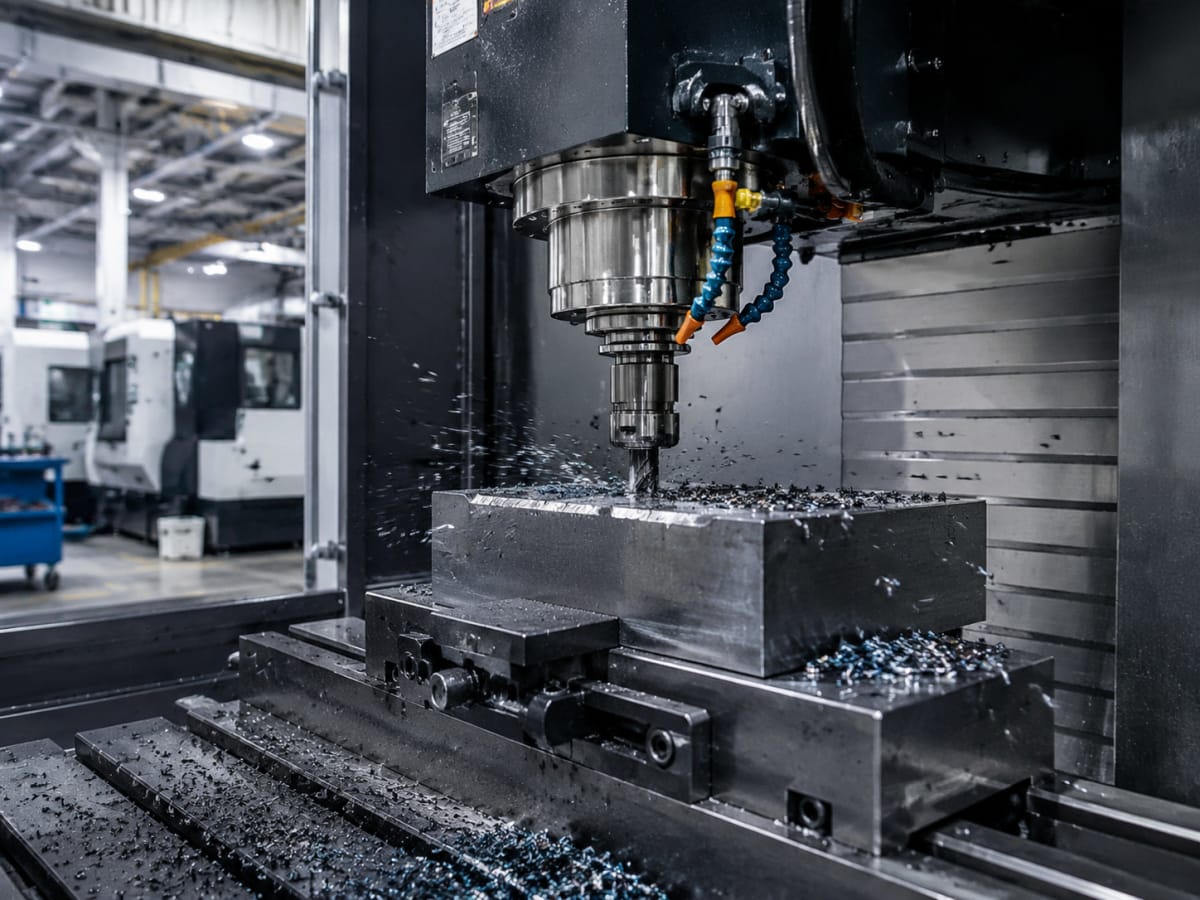
Micro CNC machining in the United States is the best choice when a part is too small, too precise, too material-critical, or too performance-sensitive for standard machining, molding, stamping, or additive manufacturing alone. It is commonly used for miniature medical device parts, aerospace sensor housings, microfluidic components, electronic connectors, defense hardware, optical mounts, robotics parts, and high-value prototypes that require repeatable tolerances, sharp features, clean finishes, and controlled material properties.
For buyers in the United States, the most practical approach is to shortlist suppliers by tolerance capability, micro-tooling experience, inspection equipment, material traceability, industry certification, and engineering response speed. Strong local choices include Owens Industries in Wisconsin, Swissomation in Massachusetts, Micron Manufacturing in Michigan, Cox Manufacturing in Texas, Protolabs in Minnesota, Xometry in Maryland, Fictiv with U.S. manufacturing coverage, and specialized Swiss screw machine shops serving medical, aerospace, and electronics clusters around Minneapolis, Boston, Chicago, Cleveland, Los Angeles, San Diego, Phoenix, Dallas, and the Bay Area.
If cost pressure is high or the project requires rapid iteration, qualified international suppliers can also be considered. Chinese companies with relevant quality systems, export experience, DFM support, responsive pre-sales and after-sales communication, and strong cost-performance advantages may be suitable, especially for prototypes, low-volume production, and bridge manufacturing before U.S. scale-up.
The United States micro CNC machining market is shaped by three forces: miniaturization, regulated manufacturing, and reshoring of critical supply chains. Medical device companies need smaller surgical tools, dental parts, implants, catheter components, endoscopic accessories, diagnostic cartridges, and wearable health device hardware. Aerospace and defense manufacturers need compact high-reliability parts for sensors, UAV systems, satellite payloads, avionics, and thermal control assemblies. Electronics and semiconductor equipment builders need precision micro-milled, micro-turned, and EDM-machined components for connectors, test fixtures, microfluidic cooling, probe systems, and optical alignment.
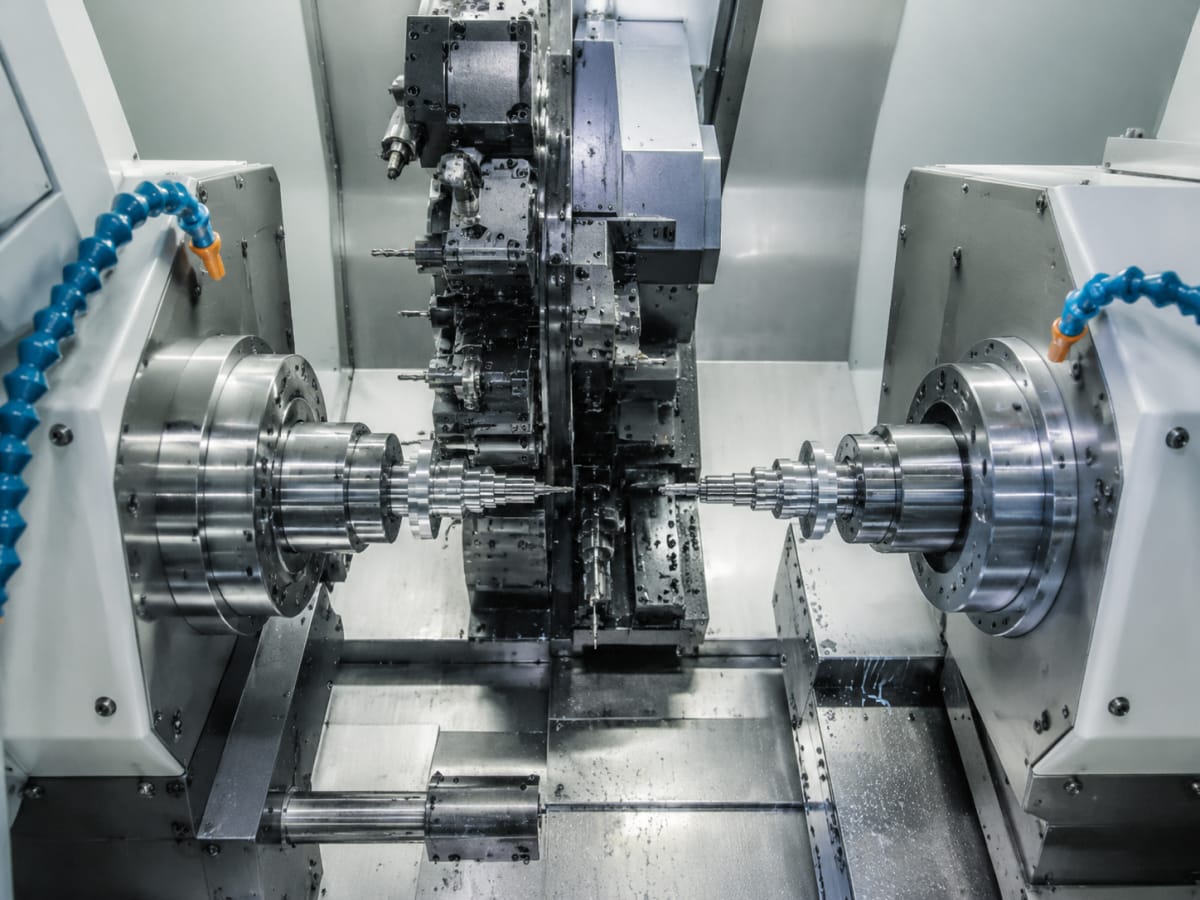
Unlike general CNC machining, micro machining is not only about reducing part size. It requires a full process strategy for tool runout, spindle stability, burr control, thermal growth, workholding pressure, toolpath planning, coolant delivery, inspection magnification, and surface integrity. A feature that looks simple on a drawing, such as a 0.010 inch slot, a 0.2 mm hole, or a thin wall under 0.5 mm, can become difficult if the material is titanium, stainless steel, PEEK, Ultem, beryllium copper, ceramic-filled polymer, or hardened tool steel.
U.S. demand is concentrated around manufacturing corridors with strong engineering ecosystems. The Minneapolis area is important for medical devices, Boston and Cambridge for life sciences and robotics, the Bay Area for electronics and advanced hardware, Southern California for aerospace and medical technology, Phoenix and Tucson for optics and semiconductor systems, Texas for defense, energy, and electronics, and the Midwest for precision manufacturing depth. Ports and logistics hubs such as Los Angeles-Long Beach, New York-New Jersey, Savannah, Houston, Seattle-Tacoma, and Chicago rail corridors also matter when buyers combine domestic machining with imported materials, tooling, or international prototype support.
Micro CNC machining buyers in the United States typically evaluate suppliers based on lead time, tolerance, documentation, inspection reporting, and ability to support revisions. In early product development, fast DFM feedback can be more valuable than the lowest unit price. In regulated production, repeatability, lot control, and quality records become more important than speed. In high-mix low-volume programs, flexible scheduling and fixture strategy determine whether a supplier can support ongoing engineering changes without restarting the entire project.
The following line chart presents a realistic growth pattern for U.S. demand in micro CNC machining services, with demand driven by medical devices, aerospace electronics, robotics, semiconductor equipment, and miniaturized industrial systems. The values represent indexed demand rather than exact revenue.
var ctx = document.getElementById(‘lineChart’).getContext(‘2d’);var chart = new Chart(ctx, {type: ‘line’,data: {labels: [‘2021’, ‘2022’, ‘2023’, ‘2024’, ‘2025’, ‘2026’, ‘2027’, ‘2028’],datasets: [{label: ‘U.S. Micro CNC Machining Demand Index’,data: [100, 108, 119, 131, 145, 160, 177, 195],borderColor: ‘rgb(38, 99, 235)’,backgroundColor: ‘rgba(38, 99, 235, 0.12)’,fill: false,tension: 0.25}]},options: {responsive: true,maintainAspectRatio: false,scales: {y: { beginAtZero: false }}}});Micro CNC machining covers several process types, and each one solves a different problem. Buyers should not treat micro milling, micro turning, Swiss machining, wire EDM, sinker EDM, laser-assisted machining, and precision grinding as interchangeable. The right process depends on feature size, geometry, material, tolerance, surface finish, annual volume, and downstream assembly requirements.
Process TypeTypical Part SizeBest MaterialsCore StrengthCommon U.S. ApplicationsBuying NoteMicro CNC milling1 mm to 100 mmAluminum, stainless steel, titanium, brass, PEEKSmall pockets, slots, channels, profiles, and 3D surfacesMedical housings, optical mounts, microfluidic plates, sensor bracketsAsk about spindle speed, tool runout, minimum cutter diameter, and burr control.Micro CNC turning0.5 mm to 50 mm diameterStainless steel, brass, titanium, copper alloys, plasticsRound miniature shafts, pins, nozzles, bushings, and fittingsDental parts, miniature connectors, valve parts, surgical instrument partsCheck concentricity, surface finish, and tool access for very small grooves.Swiss CNC machining0.3 mm to 32 mm diameterStainless steel, titanium, nitinol, brass, aluminum, plasticsLong slender parts with excellent concentricity and high repeatabilityMedical screws, bone pins, electrical contacts, aerospace fastenersBest for production runs or recurring orders where setup can be optimized.Wire EDMSmall flat or prismatic partsConductive metals, hardened steel, carbide, titaniumFine slots, sharp internal corners, hard material cutting, low cutting forceMicro tooling, stamped part inserts, medical blades, mold insertsUseful when mechanical cutting would distort thin or hardened components.Sinker EDMSmall cavities and complex recessesTool steel, stainless steel, titanium, conductive alloysMicro cavities, ribs, blind features, and details difficult to millMicro mold inserts, connector tooling, medical device toolingConfirm electrode accuracy and surface texture requirements before quoting.Precision micro grindingSub-millimeter to small precision partsCeramics, carbide, hardened steel, stainless steelTight surface finish, diameter control, and hard material finishingNeedles, pins, punches, miniature shafts, wear componentsOften used as a secondary process after turning or EDM.This table shows why process selection must happen early. A U.S. medical device startup in Boston may need Swiss machining for a miniature shaft, EDM for a micro slot, and passivation after machining. A California robotics company may need micro milling for aluminum sensor mounts and anodizing for wear resistance. A Texas defense contractor may require titanium micro-turned parts with traceable material certificates and first article inspection.
Buyers should start with function, not only drawings. Micro parts fail for different reasons than large parts. A thin wall may bend during clamping. A tiny hole may trap chips. A small burr may block fluid flow. A sharp edge may damage tissue in a medical device. A cosmetic scratch may be unacceptable on a visible consumer electronics part. Because of this, the request for quotation should include drawings, 3D CAD files, material grade, annual volume, surface finish requirements, inspection points, regulatory requirements, and a clear explanation of how the component will be used.
For U.S. buyers, supplier selection should also account for geography. A local supplier near Minneapolis, Boston, or San Diego may be valuable for face-to-face engineering reviews and urgent prototype changes. A national platform can be useful when capacity and speed matter. An international supplier can be useful when the project needs cost reduction, flexible low-volume production, or a one-stop route from prototype to tooling and molding.
Buying CriterionWhy It MattersWhat to AskStrong EvidenceRisk if IgnoredBest Fit ScenarioTolerance capabilityMicro components often depend on microns of clearance or alignment.What tolerances are routine, and which require special review?Inspection reports, CMM data, optical inspection records, process capability dataParts may assemble poorly or fail functional testing.Medical, aerospace, optics, and microfluidicsMicro-tooling experienceSmall cutters break easily and create burrs if feeds and speeds are wrong.What is the smallest tool used regularly in production?Sample parts, tool life data, machine spindle specificationsLead times extend because parts require rework or remaking.Fine slots, micro holes, miniature pocketsMaterial expertiseTitanium, PEEK, Ultem, copper, and stainless steel behave differently at small scale.Which grades have you machined for similar parts?Material certificates, traceability, supplier historyWarping, poor finish, tool wear, or contamination can occur.Regulated or high-performance componentsBurr managementA burr that looks minor can block flow, cut insulation, or change fit.How are micro burrs prevented, detected, and removed?Microscope images, deburring standards, edge break specificationsHidden defects may appear during assembly or use.Medical, electronics, fluidic, and optical partsInspection equipmentMany micro features cannot be verified with standard calipers.Do you use optical comparators, microscopes, CMM, or vision systems?Measurement system details and sample reportsSupplier may ship parts that cannot be objectively verified.Critical-to-function dimensionsEngineering communicationFast DFM saves cost before tooling, fixtures, or production lots are locked.Can you review manufacturability before quoting final production?DFM reports, tolerance recommendations, design change recordsUnnecessary tight tolerances increase cost and delay delivery.Startups, new product development, bridge productionThe table highlights a practical truth: the cheapest quote is rarely the safest choice for micro CNC machining. A supplier that explains which dimensions are difficult, which tolerances drive cost, and which design changes reduce risk is usually more valuable than a supplier that simply accepts every requirement without technical review.
Micro CNC machining demand in the United States is broad, but the highest-value work comes from industries where failure is expensive. In medical devices, a small burr or dimensional error can affect patient safety. In aerospace, a small weight reduction can improve system performance, but a material or tolerance issue can create unacceptable risk. In semiconductor equipment, small alignment features influence yield. In defense, miniature connectors, sensor parts, and ruggedized electronics must perform in harsh environments.
Consumer electronics, robotics, automation, and laboratory instruments are also expanding. These sectors often need rapid iteration. A product team in San Jose may revise an aluminum micro enclosure three times in two weeks. A robotics company in Pittsburgh may need custom miniature brackets for a new actuator. A lab equipment developer in Raleigh may need PEEK manifolds with tiny channels for chemical resistance. These projects benefit from suppliers who can machine, finish, inspect, and ship quickly without requiring excessive minimum order quantities.
The bar chart below compares estimated U.S. demand intensity by industry. Medical devices and aerospace remain the largest drivers, while semiconductor equipment and robotics show fast growth because of precision automation and miniaturized systems.
var ctx2 = document.getElementById(‘barChart’).getContext(‘2d’);var chart2 = new Chart(ctx2, {type: ‘bar’,data: {labels: [‘Medical Devices’, ‘Aerospace’, ‘Semiconductor Equipment’, ‘Electronics’, ‘Robotics’, ‘Defense’, ‘Lab Instruments’],datasets: [{label: ‘Demand Intensity Index’,data: [92, 84, 78, 70, 66, 74, 61],backgroundColor: ‘rgb(16, 185, 129)’}]},options: {responsive: true,maintainAspectRatio: false,scales: {y: { beginAtZero: true, max: 100 }}}});Micro CNC machining is used when geometry, precision, and material properties must work together. The process can create miniature fluid channels, ultra-small threaded features, fine slots, thin walls, needle-like turned features, precision datum faces, and complex 3D surfaces. It is particularly useful when additive manufacturing cannot meet surface finish, tolerance, or material requirements, and when injection molding tooling is not yet justified by production volume.
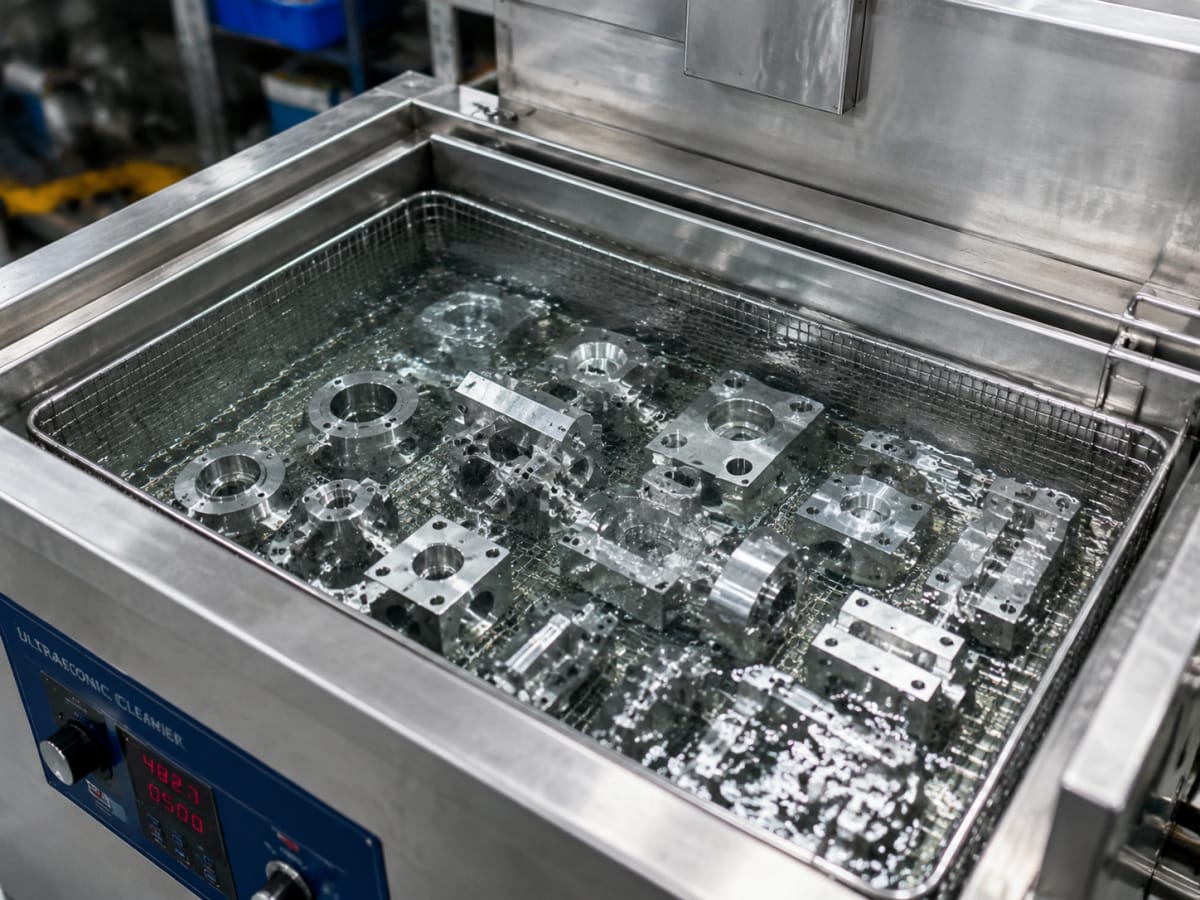
Typical applications include microfluidic manifolds, miniature valve bodies, implant trial components, dental abutments, surgical tool parts, catheter tips, micro gear components, optical alignment mounts, sensor housings, contact pins, test sockets, RF components, UAV hardware, watch and wearable parts, laboratory instrument fittings, and precision mold inserts. Many projects combine micro CNC machining with finishing processes such as anodizing, passivation, electropolishing, plating, bead blasting, polishing, laser marking, ultrasonic cleaning, and assembly.
ApplicationCommon MaterialTypical Feature ChallengeRecommended ProcessInspection FocusU.S. Buyer PriorityMicrofluidic manifoldPEEK, PMMA, stainless steel, aluminumTiny channels, sealing surfaces, cross-hole alignmentMicro milling and drillingChannel width, flatness, leak path, surface finishClean machining and fast prototype iterationMedical screw or pinTitanium, stainless steel, nitinolSmall threads, concentricity, surface integritySwiss CNC machiningThread form, diameter, runout, passivationTraceability and repeatabilityOptical mountAluminum, stainless steel, brassDatum control and vibration resistanceMicro millingPosition tolerance, flatness, perpendicularityStable alignment and clean anodizingElectrical contactBeryllium copper, brass, copper alloysFine geometry and plating preparationMicro turning or Swiss machiningContact surface, burrs, plating thicknessConductivity and consistent spring behaviorMicro mold insertTool steel, stainless steel, carbideSharp details, fine cavities, hard materialEDM and precision millingCavity detail, surface texture, edge definitionTool life and molded part accuracySensor enclosureAluminum, titanium, stainless steelThin walls, connector openings, sealing featuresMicro milling and finishingWall thickness, O-ring grooves, coating thicknessDurability and environmental sealingThese examples show that micro CNC machining is not a single service category. It is a group of precision methods that must be matched to the part’s function. A microfluidic component depends on clean channels and sealing faces. A contact pin depends on conductivity and burr-free edges. A mold insert depends on surface texture and durability. The most reliable suppliers ask application questions before recommending a process.
A medical device engineering team near Minneapolis needed a small stainless steel component for a handheld surgical instrument. The component included a thin wall, a fine slot, and a small alignment boss. The first drawing used unnecessarily tight tolerances on every surface, which would have increased cost and inspection time. A micro CNC supplier reviewed the functional requirements, identified three critical dimensions, relaxed nonfunctional tolerances, and recommended passivation after machining. The result was a prototype batch delivered faster, with inspection focused on the dimensions that mattered for assembly and device testing.
A life science startup in the Boston-Cambridge corridor needed a PEEK plate with small channels, threaded ports, and a flat sealing surface. The initial design had deep narrow channels that were difficult to machine without tool deflection. The supplier proposed slight radius changes, adjusted channel depth, and recommended a staged inspection process using optical measurement. The revised design reduced machining risk while preserving fluid performance. The company used the parts for bench testing before committing to higher-volume manufacturing.
An aerospace supplier in Southern California needed a lightweight aluminum micro housing with close-tolerance connector features and black anodizing. The challenge was maintaining dimensional accuracy after finishing. The machine shop adjusted pre-anodize dimensions, masked critical areas, and inspected the parts after coating. This prevented assembly issues and reduced rework. The project demonstrated why finishing knowledge is important for micro CNC machining, because coating thickness can become significant when features are extremely small.
A Texas electronics manufacturer needed small brass contact parts with clean edges and consistent plating preparation. The supplier used Swiss CNC machining for repeatability and controlled deburring under magnification. The buyer approved a first article lot before moving to recurring production. By stabilizing material, tooling, and inspection standards, the company reduced variation in connector assembly and improved production reliability.
The United States has a deep base of precision machining companies, but not every CNC shop is suitable for micro work. The following suppliers are practical starting points for buyers comparing micro CNC machining, Swiss machining, prototype machining, and precision production services. Capabilities change over time, so buyers should verify current equipment, certifications, tolerances, and material experience before placing orders.
CompanyService RegionCore StrengthKey OfferingsBest ForPractical Buyer NoteOwens IndustriesWisconsin and nationwide U.S. customersUltra-precision CNC machining and micro machining experience5-axis machining, EDM, micromachining, tight tolerance componentsAerospace, medical, defense, and complex precision partsStrong candidate when tolerances are difficult and documentation is important.SwissomationMassachusetts and nationwide U.S. customersPrecision micro Swiss machining and small turned partsSwiss screw machining, micro components, prototype and production runsMedical device, electronics, miniature mechanical partsUseful for small cylindrical components requiring repeatability.Micron ManufacturingMichigan and U.S. industrial marketsPrecision production machining and lean manufacturingCNC turning, milling, small precision components, production supportAutomotive, industrial, defense, and precision assembliesGood option for recurring production after design stabilizes.Cox ManufacturingTexas and nationwide U.S. customersHigh-volume precision screw machining and CNC turningSwiss machining, CNC turning, custom metal parts, production machiningElectronics, medical, defense, aerospace, industrial partsBest when annual volume justifies optimized production setup.ProtolabsMinnesota base with broad U.S. coverageFast digital manufacturing and quick-turn CNC prototypesCNC machining, 3D printing, injection molding, sheet metalRapid prototypes and early product developmentUseful when speed, online quoting, and design iteration are priorities.XometryMaryland base with distributed U.S. manufacturing networkLarge manufacturing marketplace and capacity accessCNC machining, sheet metal, additive manufacturing, injection moldingStartups, engineering teams, low-volume custom partsGood for comparing process options and accessing broad supplier capacity.FictivU.S. engineering support with global manufacturing networkManaged digital manufacturing for complex hardware teamsCNC machining, injection molding, urethane casting, additive manufacturingHardware startups, robotics, electronics, medical device developmentHelpful when project management and manufacturing coordination matter.MakinoU.S. technical centers and machine tool supportHigh-precision machining technology and EDM platformsMachining centers, EDM systems, automation supportManufacturers building in-house micro machining capacityRelevant for companies purchasing equipment rather than outsourcing parts.This supplier table is not a ranking; it is a practical comparison. A medical startup needing ten prototype parts may prefer a quick-turn provider. A defense contractor needing controlled production may prefer a specialized precision shop. A hardware company planning long-term production may use a U.S. supplier for critical pilot builds and an international partner for cost-optimized low-volume manufacturing after validation.
The comparison chart scores common supplier models by practical buyer criteria. Scores are illustrative and should be validated against the exact supplier, drawing, material, and quality requirements.
var ctx4 = document.getElementById(‘comparisonChart’).getContext(‘2d’);var chart4 = new Chart(ctx4, {type: ‘bar’,data: {labels: [‘Local Precision Shop’, ‘Digital Platform’, ‘Swiss Specialist’, ‘International Partner’],datasets: [{label: ‘Speed’,data: [78, 90, 72, 70],backgroundColor: ‘rgba(59, 130, 246, 0.75)’},{label: ‘Cost Performance’,data: [62, 68, 66, 88],backgroundColor: ‘rgba(245, 158, 11, 0.75)’},{label: ‘Micro Expertise’,data: [84, 70, 92, 78],backgroundColor: ‘rgba(139, 92, 246, 0.75)’}]},options: {responsive: true,maintainAspectRatio: false,scales: {y: { beginAtZero: true, max: 100 }}}});TEAM Rapid supports U.S. customers that need micro CNC machining, rapid prototypes, low-volume manufacturing, and scalable production through an engineering-led manufacturing model built on ISO 9001:2015 quality management, in-house machining and tooling capability, integrated manufacturing resources across China, and experience delivering more than 6000 projects for over 500 customers in more than 25 countries. For precision parts, the company provides CNC milling, turning, wire EDM, EDM, polishing, anodizing, painting, plating, and related finishing options for plastic and metal components from one piece to 500 plus pieces, with tight tolerance capability down to 0.01 mm and material options suitable for functional prototypes, cases, enclosures, housings, trays, covers, fillers, and complex engineered components; buyers can review the company background through its manufacturing company profile and explore precision CNC machining services for custom parts. TEAM Rapid works with end users, product designers, engineers, startups, brand owners, distributors, dealers, and established manufacturers through flexible OEM/ODM, wholesale, retail, regional distribution, prototype, bridge production, and volume production cooperation models, while also supporting injection molding, rapid tooling, die casting, aluminum extrusion, sheet metal fabrication, assembly, packaging, procurement, limited warehousing, and direct shipping as EPC/Turnkey / Customer-owned plant solutions, NOT BOO / On-site bulk supply services. For U.S. buyers, the company’s local assurance comes from practical experience serving customers launching products in the USA and other Western markets, fast one-to-one engineering communication within a few hours, DFM reports before tooling, manufacturability analysis that reduces design risk, and online/offline pre-sale and after-sale support covering quotation review, design optimization, production updates, inspection coordination, packaging, and shipping, so customers are not treated as remote one-time importers but as long-term manufacturing partners with cost-performance advantages and responsive technical support.
TEAM Rapid is especially relevant when a project needs more than micro CNC machining alone. A buyer may start with a machined prototype, move to vacuum casting for design validation, use rapid tooling for trial molding, and then transition to custom injection molding services when volume increases. This connected pathway helps companies avoid the common problem of managing separate prototype, tooling, molding, finishing, and assembly suppliers. For teams that need direct project discussion, the engineering contact channel is useful for sharing CAD files, drawings, materials, target quantities, tolerances, and delivery expectations.
Micro CNC machining in 2026 will be influenced by automation, digital inspection, sustainability, and supply chain policy. U.S. buyers are asking for faster quoting, more transparent quality records, and suppliers that can support both domestic production and global cost optimization. At the same time, medical, aerospace, semiconductor, and defense customers are paying closer attention to traceability, cybersecurity, export controls, and material origin.
Technically, high-speed spindles, improved micro end mills, better tool coatings, in-machine probing, optical inspection, automated deburring, hybrid additive-subtractive workflows, and AI-assisted toolpath optimization will continue to improve consistency. Shops that can combine machining data, inspection data, and production records will have an advantage, especially for regulated industries. Digital twins and simulation will help reduce trial cuts when tools are extremely small and fragile.
Sustainability is also becoming more practical rather than symbolic. Buyers are asking how suppliers reduce scrap, choose recyclable metals, optimize cycle time, control coolant use, and consolidate shipments. Lightweight micro components can reduce energy consumption in aerospace, robotics, and portable medical devices, but the machining process itself must also become more efficient. Suppliers that can explain material yield, packaging reduction, and production planning will be more competitive.
The area chart shows a realistic shift from single-process outsourcing toward integrated manufacturing support, where buyers want machining, finishing, inspection, assembly, and logistics from fewer qualified partners.
var ctx3 = document.getElementById(‘areaChart’).getContext(‘2d’);var chart3 = new Chart(ctx3, {type: ‘line’,data: {labels: [‘2021’, ‘2022’, ‘2023’, ‘2024’, ‘2025’, ‘2026’, ‘2027’, ‘2028’],datasets: [{label: ‘Integrated Manufacturing Preference Index’,data: [42, 48, 55, 63, 71, 79, 86, 92],borderColor: ‘rgb(220, 38, 38)’,backgroundColor: ‘rgba(220, 38, 38, 0.20)’,fill: true,tension: 0.3}]},options: {responsive: true,maintainAspectRatio: false,scales: {y: { beginAtZero: true, max: 100 }}}});Micro CNC machining cost depends on more than part size. Smaller parts are not automatically cheaper because the setup, inspection, tooling, and handling can be more demanding than for larger components. A tiny titanium part may cost more than a larger aluminum bracket because tool wear is higher, cycle time is slower, inspection is more detailed, and scrap risk is greater.
The main cost drivers include material grade, tolerance, minimum feature size, surface finish, burr requirements, workholding complexity, machine time, tool life, inspection method, finishing, cleaning, documentation, and order quantity. Tight tolerances should be applied only to functional dimensions. If every dimension is marked with an unnecessarily tight tolerance, the supplier must inspect and control more features, which increases cost and lead time.
Buyers can reduce cost by sharing the real function of the part, allowing reasonable radii, avoiding deep narrow features when possible, choosing machinable materials, consolidating setups, planning inspection points, and ordering pilot quantities that support process learning. For production, blanket orders or recurring release schedules can help suppliers optimize material purchasing and machine planning.
In the United States, domestic labor, inspection, and overhead costs are higher than in many offshore markets, but domestic suppliers may offer faster communication, easier site visits, and simplified compliance for sensitive programs. International suppliers can offer strong cost-performance when the project allows overseas production, particularly for prototypes, low-volume parts, and manufacturing packages that combine machining with tooling, molding, finishing, and assembly.
Quality in micro CNC machining should be defined before production. A drawing that only says “tight tolerance” is not enough. Buyers should specify critical dimensions, inspection methods, acceptable burr conditions, surface roughness, material certification requirements, finishing standards, packaging expectations, and any industry-specific requirements. For medical and aerospace components, suppliers may need first article inspection, lot traceability, certificate of conformance, material certificates, and process records.
Inspection for micro parts often requires optical systems, microscopes, high-resolution cameras, CMMs with appropriate probes, surface roughness testers, pin gauges, thread gauges, and custom fixtures. Measurement uncertainty becomes important because the inspection tool must be accurate enough for the tolerance being checked. If a tolerance is ±0.01 mm, the supplier must have equipment and methods that can reliably measure at that scale.
Packaging also matters. A precision micro part can be damaged after passing inspection if it is allowed to rub against other parts in a bag. Clean trays, individual cavities, protective caps, anti-static packaging, corrosion protection, and clear labeling can prevent avoidable damage. For U.S. buyers receiving parts through ports, air freight hubs, or domestic parcel networks, packaging should be designed for the full logistics path, not only the supplier’s shipping dock.
A strong RFQ helps suppliers respond accurately and prevents delays. Buyers should include a 3D CAD file, 2D drawing, material specification, quantity range, target lead time, surface finish, post-processing, inspection requirements, and application notes. If the part is still in development, it is useful to ask for DFM feedback instead of demanding an exact quote immediately.
The best RFQ packages explain what can change and what cannot. For example, a sealing surface may be critical, but an external cosmetic radius may be flexible. A hole location may be functional, but a pocket depth may allow more tolerance. This information lets the supplier protect performance while reducing cost. For micro CNC machining, a small design adjustment can make the difference between a difficult, expensive part and a stable, repeatable process.
Buyers should also ask suppliers to identify risks. A professional supplier should be comfortable saying that a wall is too thin, a slot is too deep, a material is difficult, or a tolerance requires special inspection. This is not a weakness. It is a sign of experience. Suppliers that provide clear DFM feedback help buyers avoid failed builds, late-stage redesign, and expensive tooling mistakes.
Micro CNC machining is the precision machining of very small parts or very small features using computer-controlled milling, turning, Swiss machining, EDM, drilling, grinding, and finishing processes. It is used when miniature geometry, tight tolerance, material performance, and repeatability are all important.
Realistic tolerances depend on material, feature size, geometry, machine capability, inspection method, and production quantity. Some suppliers can hold tolerances around 0.01 mm on suitable features, but not every dimension on every part should be specified that tightly. Functional tolerance review is essential.
Common materials include aluminum, stainless steel, titanium, brass, copper alloys, beryllium copper, PEEK, Ultem, Delrin, PMMA, tool steel, carbide, and specialty alloys. The best material depends on strength, weight, conductivity, biocompatibility, chemical resistance, thermal behavior, and regulatory needs.
Micro CNC machining is usually better when the part requires tight tolerance, smooth functional surfaces, true engineering materials, threaded features, sharp datum control, or production-like performance. 3D printing is often better for complex shapes, fast concept models, and geometries that cannot be cut easily. Many projects use both processes during development.
Choose a U.S. supplier when compliance, sensitive intellectual property, site visits, urgent delivery, or domestic sourcing requirements are critical. Consider a qualified international supplier when cost-performance, flexible low-volume production, integrated manufacturing, and rapid scaling are important. The best choice depends on risk, timeline, budget, and documentation needs.
Send a 3D CAD file, 2D drawing, material, quantity, tolerance requirements, surface finish, finishing process, inspection needs, target delivery date, and application notes. If you are unsure about manufacturability, ask for DFM feedback before finalizing the design.
Yes. Micro CNC machining can support prototypes, pilot builds, bridge production, and recurring production. Swiss machining and optimized fixtures are especially useful when small precision parts move from prototype quantities into repeatable production.
The biggest risks are tool breakage, burrs, workpiece distortion, unclear tolerances, inadequate inspection, poor material selection, finishing distortion, and packaging damage. These risks can be reduced through DFM review, process planning, suitable inspection, and supplier experience with miniature features.
For buyers seeking higher part output, lower unit cost at scale, and repeatable quality, multi cavity injection molding is one of the most practical production methods in the United States. The best fit depends on annual volume, resin selection, tolerance requirements, tooling budget, automation level, and whether you need medical, consumer, automotive, or industrial compliance. In the U.S. market, proven names worth shortlisting include EVCO Plastics, Nicolet Plastics, PTI Engineered Plastics, Mack Molding, The Rodon Group, and Fathom for projects that require robust mold design, validation, and production support. Buyers in hubs such as Chicago, Detroit, Charlotte, Dallas, and Southern California often prioritize suppliers with in-house tooling coordination, scientific molding, strong PPAP or IQ/OQ/PQ discipline, and dependable logistics near major ports and distribution corridors.
For immediate action, start by requesting a DFM review, cavity recommendation, cycle-time estimate, resin advice, tooling steel suggestion, and sampling plan from at least three suppliers. If the project involves cost pressure or a phased launch, qualified international partners can also be a smart option. Suppliers such as TEAM Rapid can be considered when they combine engineering review, ISO-backed quality systems, rapid tooling, flexible low-to-mid volume support, and responsive pre-sales and after-sales communication for U.S. customers. That cost-performance balance is especially useful when moving from prototype validation to bridge production and then to larger multi cavity programs.
Multi cavity injection molding refers to a mold configuration that produces multiple identical parts in a single machine cycle. Instead of making one component per shot, a mold may create 2, 4, 8, 16, 32, or even more parts at once, depending on part geometry, machine tonnage, resin flow behavior, cooling design, and quality requirements. In the United States, this approach remains central to high-throughput production for packaging, caps and closures, medical disposables, appliance components, connectors, housings, and numerous consumer products.
The core business case is straightforward. As output per cycle increases, manufacturers can spread molding machine time, labor, and overhead across more finished parts. When the tool is properly balanced and the process is well controlled, the cost per part typically falls as the cavity count rises. However, the strategy only works well when the part design, material, runner system, venting, cooling channels, and ejection system are engineered for uniform filling and consistent part quality. A poorly designed high-cavity mold can increase scrap, extend debug time, and create costly dimensional variation that outweighs any theoretical productivity gain.
Across the United States, demand for multi cavity molding is strongest in regions with established product development and distribution ecosystems. The Midwest remains important because of automotive and industrial manufacturing around Detroit, Grand Rapids, Milwaukee, and Chicago. The Southeast continues to expand due to medical, appliance, and consumer manufacturing growth in North Carolina, South Carolina, Tennessee, and Georgia. The Northeast remains highly active in medical devices and precision molding, especially around Massachusetts, Pennsylvania, and upstate New York. Texas and California also stand out because of electronics, industrial equipment, and startup hardware development supported by ports, freight infrastructure, and fast design iteration cycles.
Several trends shape the market today. First, labor and energy costs continue to push processors toward automation, faster hot runner systems, cavity pressure monitoring, and advanced cooling. Second, nearshoring and supplier diversification remain active themes as American buyers seek resilient supply chains. Third, sustainability expectations are influencing resin choice, lightweighting, mold efficiency, regrind strategies, and packaging design. Finally, launch speed matters more than ever, which is why buyers increasingly value suppliers that can bridge from prototype tools to production molds without handing projects between multiple disconnected vendors.
var ctxLine = document.getElementById(‘lineChartMarket’).getContext(‘2d’);var chartLine = new Chart(ctxLine, {type: ‘line’,data: {labels: [‘2021’, ‘2022’, ‘2023’, ‘2024’, ‘2025’, ‘2026’],datasets: [{label: ‘Estimated U.S. demand index for multi cavity molding’,data: [72, 77, 83, 89, 96, 104],borderColor: ‘rgb(54, 162, 235)’,backgroundColor: ‘rgba(54, 162, 235, 0.15)’,fill: false,tension: 0.25}]},options: {responsive: true,maintainAspectRatio: false}});The line chart above illustrates a realistic demand index trend for the U.S. market. The pattern reflects continued adoption of multi cavity tools as companies pursue lower piece-part cost, faster replenishment, and more stable domestic or hybrid sourcing. The 2026 outlook also reflects broader use of digital process monitoring and sustainability-driven redesigns that favor efficient production.
Not every part should be molded in the same cavity layout. Buyers need to match product geometry, cosmetic requirements, annual demand, material sensitivity, and validation burden to the right mold concept. The most common product categories made with multi cavity injection molding in the United States range from small medical and packaging parts to electrical connectors, clips, fittings, and enclosures.
Product TypeTypical Cavity RangeCommon MaterialsBest-Fit IndustriesMain AdvantageKey WatchoutCaps and closures8 to 64+PP, HDPEPackaging, food, personal careVery high throughputGate balance and cooling uniformityMedical disposable components4 to 32PP, PE, PC, medical-grade resinsMedical devices, diagnosticsHigh volume repeatabilityValidation and contamination controlElectrical connectors4 to 32Nylon, PBT, LCPElectronics, automotiveTight feature replicationWarp and glass-fiber orientationConsumer housings and covers2 to 16ABS, PC/ABS, PPConsumer goods, office productsLower piece-part costCosmetic consistency across cavitiesIndustrial clips and fasteners8 to 48Nylon, acetal, PPIndustrial, automotive, appliancesExcellent economics at scaleFlash control and tool wearLabware and small trays2 to 16PS, PP, PETGMedical, laboratory, packagingRepeatable dimensional outputPart ejection and nesting behaviorThis table shows why product type matters. High-cavity packaging tools can justify aggressive cavity counts because the parts are small, demand is large, and the geometry is often optimized for automation. Medical parts may also use many cavities, but process validation, clean manufacturing, and traceability usually make supplier selection more stringent. Consumer housings and cosmetic covers often require lower cavity counts because appearance, dimensional control, and larger projected area can limit how many parts a mold can produce per shot.
Choosing a multi cavity injection molding supplier in the United States should begin with a technical and commercial reality check, not simply a price comparison. Many programs fail because buyers assume that more cavities always mean lower cost. In reality, the best cavity count depends on annual volume, amortization period, press availability, acceptable scrap rate, expected engineering changes, and maintenance strategy.
Start with annual demand. If a product only needs 20,000 pieces per year, a 16-cavity production mold may be excessive. A 2- or 4-cavity tool may achieve the best overall economics when you factor in tooling investment, maintenance, and future revisions. On the other hand, if annual demand is 1 million parts, a small cavity tool can create bottlenecks, labor inefficiency, and lost margin.
Resin selection is equally important. Materials such as PP and HDPE are often forgiving in high-cavity systems, while glass-filled nylons, LCP, and engineering resins require tighter process control, more careful gate design, and close attention to mold wear. For FDA-related, medical, or regulated applications, the supplier should document resin lot traceability, process windows, inspection plans, and change control procedures.
Tooling design should be discussed in detail before issuing the purchase order. Ask whether the supplier recommends a cold runner or hot runner system, what steel grades are planned for the cavities and core, whether spare inserts are included, how cooling circuits are laid out, what venting strategy will be used, and how cavity balance will be verified during mold trials. For larger programs, cavity pressure sensing and automated part handling can dramatically improve consistency.
Location and logistics also matter. A mold that runs near final assembly can reduce lead time and freight exposure. U.S. buyers who distribute through New Jersey, Savannah, Los Angeles, Houston, or Chicago should evaluate shipping lanes, warehouse support, safety stock strategy, and contingency planning. If the supplier is overseas, responsiveness, engineering communication, and after-sales discipline become even more important.
Buying CriterionWhy It MattersWhat to Ask the SupplierRisk if IgnoredBest ForDecision ImpactAnnual volumeSets optimal cavity countWhat cavity layout gives lowest total cost?Overspending on toolingAll buyersVery highMaterial behaviorAffects fill, shrink, wearHas this resin run in similar molds?Scrap and instabilityEngineering-grade partsVery highTool steel and hot runnerImpacts mold life and uptimeWhich steel and manifold brand are specified?Frequent downtimeLong-run programsHighValidation and documentationNeeded for regulated sectorsCan you support PPAP or IQ/OQ/PQ?Compliance delaysMedical, automotiveHighAutomation levelImproves repeatabilityIs robotic part handling included?Higher labor and damageHigh-volume programsMedium to highAfter-sales supportReduces downtime riskHow fast do you respond to tool issues?Production interruptionAll buyersHighThe table above can be used as a practical buyer checklist. In many sourcing situations, the winning supplier is not the one with the lowest mold quote, but the one that provides the most credible path to stable output, measurable quality, and manageable long-term maintenance.
Multi cavity injection molding supports a wide range of U.S. industries because many products depend on repeatable, high-volume plastic parts. Automotive uses include clips, fasteners, connectors, small housings, and under-hood components. Medical uses include single-use housings, cartridges, handles, closures, and lab consumables. Consumer applications range from appliance features to personal care packaging, storage products, and electronics accessories. Industrial and commercial sectors rely on multi cavity molding for cable management, fittings, protective caps, and product assembly features.
var ctxBar = document.getElementById(‘barChartIndustry’).getContext(‘2d’);var chartBar = new Chart(ctxBar, {type: ‘bar’,data: {labels: [‘Medical’, ‘Packaging’, ‘Consumer Goods’, ‘Automotive’, ‘Electronics’, ‘Industrial’],datasets: [{label: ‘Relative U.S. demand for multi cavity tooling’,data: [88, 95, 76, 72, 69, 74],backgroundColor: [‘rgb(75, 192, 192)’,’rgb(255, 159, 64)’,’rgb(153, 102, 255)’,’rgb(255, 99, 132)’,’rgb(54, 162, 235)’,’rgb(201, 203, 207)’]}]},options: {responsive: true,maintainAspectRatio: false}});The bar chart indicates how demand is distributed across major sectors. Packaging and medical tend to lead because they combine large order quantities with repeatable geometries that benefit strongly from higher cavity counts. Automotive and industrial demand remains substantial, although design validation, material performance, and quality documentation often make tooling decisions more complex.
The application range for multi cavity tooling is broader than many buyers expect. Beyond classic packaging and closures, the method is widely used for consumer device internals, office equipment components, appliance subassemblies, instrument housings, automotive retainers, electrical insulators, sanitary product parts, and communication-device plastics. When the geometry is small to medium size and the part repeats in high quantities, the economics become compelling.
For product teams, the biggest application advantage is not just output. It is also consistency. When a mold is carefully balanced, each cavity can produce parts within a tightly controlled range, which supports downstream automation, assembly efficiency, and lower inspection burden. This becomes especially valuable in connector bodies, clips, snap-fit features, fluid management parts, and medical device components where dimensional drift can cause field problems.
There is also strong overlap between multi cavity molding and product lifecycle strategy. Early development may start with CNC prototypes or printed models, move to bridge tooling for pilot builds, then scale into hardened multi cavity production molds. Companies that understand this pathway can reduce launch delays and avoid redesigning parts at the last minute because the production mold concept was never considered during prototyping. Buyers looking for related development support can review practical options such as precision CNC machining services for early validation and injection molding services for scaled production planning.
A common U.S. case involves a consumer appliance brand transitioning from a single cavity prototype tool to a 4-cavity production mold. The original part was an ABS front cover produced in moderate annual volume. During DFM review, the supplier identified non-uniform wall thickness and a snap-fit area likely to warp in a higher-cavity environment. By adjusting rib geometry and gate location before hard tooling, the team reduced cycle instability and improved cosmetic consistency. The final result was a lower unit cost and better assembly yield than the first concept could have delivered.
Another case is a medical consumable component molded in polypropylene for a regional U.S. diagnostics program. The buyer needed stricter documentation, controlled material handling, and repeatable output over multiple batches. The selected supplier used a validated 8-cavity tool with documented process windows, cavity-by-cavity inspection, and disciplined change control. The gain was not just volume. The real value came from lower risk during customer audits and faster production release.
A third case involves an industrial electronics customer serving distribution channels across Texas, Illinois, and the Southeast. The part was a small glass-filled nylon retainer. A domestic supplier proposed a 4-cavity tool, while another recommended 8 cavities. After comparing machine tonnage, fiber orientation risks, maintenance burden, and annual demand, the customer selected the 4-cavity option because it delivered a better balance of quality, lead time, and tooling payback. This kind of analysis shows why cavity count should always be chosen by total program economics, not by headline output alone.
The United States has a deep bench of molding suppliers, but buyers should still screen for real alignment with part geometry, validation needs, and service expectations. The following companies are relevant names for multi cavity injection molding projects, particularly when production scale, quality systems, and engineering support are critical. These examples help buyers build a shortlist rather than serve as a one-size-fits-all ranking.
CompanyPrimary Service RegionCore StrengthsKey OfferingsTypical FitBuyer NoteEVCO PlasticsMidwest and nationwideHigh-volume molding, automation, global supportCustom injection molding, tooling coordination, assemblyConsumer, industrial, medicalStrong for repeat production with automationNicolet PlasticsMidwest, national programsEngineering support, custom molding, design collaborationMold design input, production molding, secondary operationsComplex custom partsUseful for technical DFM collaborationPTI Engineered PlasticsMichigan and U.S. marketMedical and high-spec programsInjection molding, validation, cleanroom-related supportMedical, diagnostics, device housingsGood for regulated environmentsMack MoldingNortheast and nationwideContract manufacturing, molding, assembly integrationMolding, EMS integration, product build supportIndustrial, medical, electronicsHelpful when assemblies are involvedThe Rodon GroupEast Coast, national distributionHigh cavitation, automation, custom plastic productionLarge-scale molding, packaging and consumer componentsHigh-volume small partsStrong for throughput-focused programsFathomNational U.S. coveragePrototype-to-production pathwayTooling, molding, digital manufacturing supportProduct development teamsUseful for staged product launchesThis supplier table is most useful during the early shortlist phase. Buyers should compare each company based on evidence such as similar part history, engineering response speed, sampling process, metrology capability, mold maintenance plan, and how well the supplier handles design changes without derailing launch schedules.
CompanyService RegionsMaterials CapabilityValidation SupportSecondary ServicesBest Use CaseEVCO PlasticsU.S., cross-border supportCommodity and engineering resinsStrong production disciplineAssembly, decorationScaled production with automationNicolet PlasticsU.S. Midwest and nationalCustom resin selection supportProject-based quality planningDesign collaboration, finishingCustom technical plastic partsPTI Engineered PlasticsNational medical-focused supplyMedical and engineering-grade materialsHigh documentation supportTesting and assembly coordinationMedical and regulated productsMack MoldingU.S. East and nationwideBroad material rangeProgram-level quality systemsContract manufacturing integrationComplex molded assembliesThe Rodon GroupNational distribution channelsHigh-volume production resinsProduction quality systemsPackaging supportSmall parts in large quantitiesFathomU.S. design and production networkPrototype and production resin pathwaysDevelopment-to-production supportRapid prototyping, toolingFast launch and iteration programsThe second table focuses on practical supplier fit rather than general reputation. It helps U.S. buyers decide whether they need a high-volume molder, a medical-focused partner, a broader contract manufacturer, or a company that can support a prototype-to-production transition within one coordinated workflow.
var ctxCompare = document.getElementById(‘comparisonChartSupplier’).getContext(‘2d’);var chartCompare = new Chart(ctxCompare, {type: ‘bar’,data: {labels: [‘EVCO Plastics’, ‘Nicolet Plastics’, ‘PTI Engineered Plastics’, ‘Mack Molding’, ‘The Rodon Group’, ‘Fathom’],datasets: [{label: ‘Relative suitability score for multi cavity programs’,data: [90, 82, 88, 84, 91, 79],backgroundColor: [‘rgb(54, 162, 235)’,’rgb(255, 206, 86)’,’rgb(75, 192, 192)’,’rgb(255, 99, 132)’,’rgb(153, 102, 255)’,’rgb(201, 203, 207)’]}]},options: {responsive: true,maintainAspectRatio: false}});This comparison chart gives a directional view of supplier fit for multi cavity programs, based on factors such as production orientation, engineering support, quality discipline, and suitability for repeat volume. It is not a universal ranking. Buyers should recalibrate according to their own part size, annual volume, resin, validation requirements, and supply chain geography.
By 2026, multi cavity injection molding in the United States is expected to advance on three fronts: technology, policy, and sustainability. On the technology side, more processors are adopting cavity pressure sensors, automated vision inspection, mold flow simulation earlier in design, conformal cooling strategies where feasible, and machine connectivity for real-time process control. These investments help reduce variation across cavities and improve OEE in high-output production environments.
From a policy perspective, U.S. buyers continue to pay closer attention to domestic resilience, medical and product compliance, and regionalized sourcing. While not every program will move fully onshore, dual-source and hybrid sourcing models are becoming more common. This creates opportunities for both U.S. molders and internationally based suppliers that can prove reliable logistics, engineering transparency, and consistent quality documentation.
Sustainability is no longer limited to marketing language. Customers increasingly ask about recycled content compatibility, lightweight redesigns, resin yield optimization, runner waste reduction, energy-efficient molding cells, and packaging simplification. In multi cavity tools, sustainability often aligns with economics because efficient cooling, balanced filling, lower scrap, and optimized cycle times reduce both cost and resource consumption.
var ctxArea = document.getElementById(‘areaChartTrends’).getContext(‘2d’);var chartArea = new Chart(ctxArea, {type: ‘line’,data: {labels: [‘2021’, ‘2022’, ‘2023’, ‘2024’, ‘2025’, ‘2026’],datasets: [{label: ‘Shift toward automation, validation, and sustainable production’,data: [40, 48, 57, 66, 76, 87],borderColor: ‘rgb(75, 192, 192)’,backgroundColor: ‘rgba(75, 192, 192, 0.25)’,fill: true,tension: 0.25}]},options: {responsive: true,maintainAspectRatio: false}});The area chart shows a realistic trend shift in buyer priorities. Programs that once focused mainly on mold price now place more weight on process data, qualification support, resin efficiency, and long-term continuity. This is especially visible in medical devices, electronics, and branded consumer goods where quality escapes and delivery delays are expensive.
For U.S. buyers seeking a cost-effective partner beyond purely domestic options, TEAM Rapid offers a practical manufacturing model built around rapid prototyping, tooling, injection molding, CNC machining, die casting, sheet metal fabrication, finishing, assembly, packaging, procurement support, and direct shipping, with the company explicitly supporting EPC-style turnkey and customer-owned production solutions rather than BOO or on-site bulk supply models. Its credibility comes from concrete operating evidence: more than 10 years of manufacturing experience, service to customers in over 25 countries, more than 500 satisfied customers, over 6000 delivered projects, and ISO 9001:2015 certification that supports disciplined quality control and specification compliance. On the product side, the company emphasizes engineering-led DFM, manufacturability analysis, rapid tooling, insert molding, over molding, precision mold production, and custom molded parts, while also supporting tight CNC tolerances down to 0.01 mm and broad plastic and metal material options backed by in-house machining, tooling manufacture, molding capability, and a coordinated China-based manufacturing resource network. On cooperation models, it serves innovators, product designers, engineers, startups, end users, distributors, dealers, brand owners, and individuals through flexible OEM, ODM, prototype, low-volume, repeat-order, and scalable production arrangements from one part to 100000-plus pieces. On local service assurance for the U.S. market, the company already highlights operating experience serving customers in the United States alongside other Western markets, quick one-to-one engineering responses within hours, direct project communication, and integrated support from pre-sales DFM through post-production shipping and supply coordination. For American buyers that need a partner invested in long-term project success rather than simple remote exporting, that combination of documented scale, engineering involvement, responsive support, and market familiarity is a meaningful trust signal. Buyers who want to discuss a project directly can use the U.S. project contact page.
For many projects, the real decision is not domestic versus overseas in absolute terms, but which sourcing model best matches the business stage. A regulated medical program with frequent audits and local assembly may favor a U.S.-based production molder. A startup launching a new consumer device may benefit from a hybrid model that uses fast prototyping and bridge tooling with an international supplier, then transitions to larger-scale production once demand stabilizes.
U.S. sourcing often provides easier plant visits, faster domestic shipping, closer timezone alignment, and stronger perception of supply chain control. International sourcing can provide meaningful savings on tooling and piece-part cost, especially when a supplier has strong DFM capability, mature mold manufacturing, and disciplined project management. The best approach is to compare landed cost, lead time, communication speed, validation requirements, maintenance support, and reorder flexibility rather than focusing on quote price alone.
Sourcing ModelMain AdvantageMain LimitationBest ForCost ProfileLead-Time ProfileDomestic U.S. moldingCloser coordination and logisticsHigher operating cost in many casesRegulated or urgent programsHigherStable and short domesticallyInternational direct supplyCompetitive tooling and production costLonger logistics chainCost-sensitive scale programsLower to mediumModerate to longHybrid prototype plus U.S. productionFast learning, local production handoffTwo-stage coordinationNew product launchesMediumBalancedHybrid international tooling and U.S. moldingTool savings with local moldingTransfer complexityMid-to-high volume programsMediumBalancedBridge tooling overseasQuick market entryLimited long-term volume efficiencyPilot and validation demandLower upfrontFast to moderateLong-run global supply partnershipScalable capacity and cost controlNeeds strong supplier governanceEstablished brands and distributorsOptimized over timePlanned and predictableThis sourcing table helps clarify where multi cavity injection molding fits in a broader launch strategy. In many cases, the best outcome is a staged model that protects cash, accelerates learning, and preserves future scale options.
The main benefit is higher output per cycle, which usually lowers unit cost when demand is large enough to justify the tooling investment. It also supports more consistent production planning for repeat orders.
There is no universal answer. The right cavity count depends on annual volume, part size, machine tonnage, material flow, quality targets, budget, and expected design changes. A DFM study and cost model are essential before deciding.
No. More cavities can reduce piece-part cost, but they also increase tool complexity, balancing challenges, maintenance requirements, and upfront investment. For low or uncertain volumes, fewer cavities may produce a better total return.
Packaging, medical devices, consumer goods, electronics, appliances, automotive, and industrial products all use multi cavity injection molding extensively, especially for small to medium plastic parts produced in repeat volume.
Yes, if they have proven engineering communication, quality systems, project management discipline, and reliable shipping support. U.S. buyers should ask for DFM reports, quality documents, timelines, and clear after-sales procedures before placing a tooling order.
Ask for recommended cavity count, mold concept, resin advice, steel specification, hot runner or cold runner recommendation, cycle-time estimate, sample plan, inspection method, mold life estimate, lead time, and commercial terms.
Tooling design and debug can be more complex than single cavity molds, so front-end development may take longer. However, once production is stable, output is much faster and more efficient.
Prepare a 3D model, annual demand estimate, target resin, tolerance notes, cosmetic requirements, and any compliance needs. Then request DFM and quotation feedback from qualified U.S. suppliers and cost-competitive international partners for comparison.
Aerospace injection molding in the United States is best suited for lightweight, repeatable, high-performance plastic components used in aircraft interiors, avionics housings, sensor covers, ducting, wire-management parts, clips, brackets, cabin hardware, UAV systems, and satellite support hardware. Buyers should prioritize suppliers with aerospace quality systems, strong design-for-manufacturing support, documented material traceability, experience with flame-retardant and high-temperature polymers, and the ability to support prototype, low-volume, bridge, and production tooling.
For U.S. aerospace buyers, practical supplier shortlists often include Protolabs for fast prototyping and low-volume molding, Xometry for distributed manufacturing capacity, Fathom for engineering-to-production programs, PTI Engineered Plastics for complex tooling and molding, Mack Molding for larger molded assemblies, EVCO Plastics for engineering-grade injection molding, and Crescent Industries for precision molding and validation support. These companies serve important aerospace and defense corridors around Seattle, Los Angeles, Phoenix, Dallas-Fort Worth, Wichita, Huntsville, Detroit, Boston, and the Space Coast in Florida.
Qualified international suppliers can also be considered when cost-performance, flexible tooling, rapid iteration, and scalable low-volume production matter. Chinese companies with relevant quality systems, documented inspection processes, responsive engineering communication, and strong pre-sales and after-sales support may be useful for non-ITAR, commercially controlled, or early-stage aerospace parts where the buyer can verify compliance, materials, and export controls before purchase.
The U.S. aerospace supply chain is one of the most demanding manufacturing environments in the world. Aircraft OEMs, Tier suppliers, space companies, defense contractors, UAV developers, maintenance organizations, and cabin system integrators all need plastic parts that reduce weight, withstand vibration, meet safety expectations, and remain repeatable over long program lives. Injection molding supports these needs because it can turn engineered polymers into precise components at consistent unit cost once the design, resin, mold, and process window are validated.
Demand is especially strong in regions with dense aerospace infrastructure. Washington state connects commercial aircraft supply around Seattle, Everett, and Renton. Southern California supports commercial space, defense electronics, cabin components, and unmanned aircraft systems near Los Angeles, Long Beach, Irvine, and San Diego. Arizona and Texas provide important defense, rotorcraft, electronics, and space manufacturing capacity around Phoenix, Tucson, Dallas-Fort Worth, Austin, and Houston. Kansas remains important for aircraft structures and interiors through Wichita, while Alabama and Florida connect missile, launch, and space programs around Huntsville, Cape Canaveral, Orlando, and Melbourne. Ports such as Los Angeles, Long Beach, Seattle-Tacoma, Houston, Savannah, and Charleston also matter because aerospace programs often combine domestic production with global tooling, resin, hardware, and assembly flows.
In practical buying terms, aerospace injection molding is not only about part price. It is about risk control. A low-cost quote can become expensive if the supplier cannot maintain resin traceability, process documentation, dimensional control, or consistent communication when design changes occur. A good supplier helps the buyer decide whether to use aluminum bridge tooling, hardened steel tooling, family molds, insert molding, overmolding, cleanroom-compatible molding, or secondary operations such as painting, laser marking, EMI shielding, plating, ultrasonic welding, heat staking, and assembly.
For aircraft interiors, polymer selection often focuses on flame, smoke, and toxicity performance. For avionics and sensor systems, dimensional stability, EMI strategy, heat resistance, and assembly accuracy are critical. For drones and eVTOL platforms, lightweighting, impact strength, low-volume ramp-up, and fast engineering changes are frequent priorities. For space-related applications, outgassing, thermal cycling, vacuum exposure, and documentation requirements can drive material and process choices. The best injection molding partner understands these application-specific concerns before cutting tooling.
The following line chart shows a realistic directional view of U.S. aerospace plastic injection molding demand through 2026. The index reflects combined demand from aircraft interiors, UAV platforms, defense electronics, space hardware support, and low-volume advanced mobility programs. It is not a financial forecast; it is a practical planning model for procurement and supplier-capacity discussions.
var ctx = document.getElementById(‘usAerospaceGrowthLine’).getContext(‘2d’);var usAerospaceGrowthLine = new Chart(ctx, {type: ‘line’,data: {labels: [‘2021’, ‘2022’, ‘2023’, ‘2024’, ‘2025’, ‘2026’],datasets: [{label: ‘U.S. Aerospace Injection Molding Demand Index’,data: [72, 79, 86, 94, 103, 113],borderColor: ‘rgb(31, 119, 180)’,backgroundColor: ‘rgba(31, 119, 180, 0.12)’,fill: false,tension: 0.3}]},options: {responsive: false,maintainAspectRatio: false,plugins: { legend: { display: true } },scales: { y: { beginAtZero: false } }}});The demand curve is supported by aircraft fleet renewal, cabin refurbishment, connected aircraft systems, defense modernization, commercial space activity, unmanned systems, and the pressure to replace machined metal parts with lighter engineered plastics where safety and performance allow. U.S. buyers are also increasing interest in nearshore and domestic capacity for critical programs, while still using international partners for prototypes, non-sensitive tooling, pilot production, and cost-sensitive parts when compliance is clear.
Aerospace injection molded parts range from simple clips to complex, multi-feature housings with inserts, ribs, undercuts, textured surfaces, and tight assembly interfaces. A supplier should not treat all aerospace molded parts the same. The resin, mold steel, gate location, venting, drying control, packing strategy, dimensional inspection, and secondary operation plan can change dramatically depending on the part category.
Product TypeCommon MaterialsTypical Aerospace UseKey Buying CheckAircraft interior trim and coversPC/ABS, PEI, PPSU, flame-retardant nylonCabin panels, access covers, decorative functional trimVerify flammability expectations, surface finish, color stability, and lot traceability.Avionics housingsPEI, PEEK, PPS, LCP, glass-filled nylonElectronics enclosures, sensor bodies, control modulesCheck dimensional stability, EMI strategy, heat resistance, and insert retention.Wire and cable managementPA66, PBT, PPS, flame-retardant polymersClips, clamps, guides, grommets, strain relief partsConfirm vibration resistance, edge condition, clip fatigue, and installation repeatability.Ducting and airflow componentsPEI, PPSU, PC blends, high-temperature nylonCabin airflow guides, low-pressure duct features, ventsReview wall uniformity, warpage risk, weld lines, and thermal exposure.UAV structural support partsCarbon-filled nylon, PEEK, PPS, acetal, polycarbonateDrone brackets, payload mounts, battery supportsBalance stiffness, impact resistance, weight, and field repair requirements.Insert molded componentsPEEK, PEI, PPS, nylon with brass or stainless insertsThreaded mounts, connector bodies, fastening pointsValidate insert pull-out strength, heat history, and galvanic compatibility.Overmolded seals and gripsTPE, TPU, silicone-compatible systems, rigid substratesProtective edges, tactile controls, shock-absorbing featuresTest bond strength, compression set, chemical exposure, and operating temperature.This table shows why early design-for-manufacturing review is essential. A buyer may request a simple molded housing, but if the part requires high-temperature resin, tight flatness, threaded inserts, textured surfaces, flame-retardant performance, and cosmetic acceptance, the project becomes a coordinated engineering program rather than a commodity molding order.
Material choice is one of the highest-impact decisions in aerospace injection molding. Common commercial resins may work for prototypes or non-critical fixtures, but aircraft and space-related applications often need stronger thermal, flame, smoke, chemical, and dimensional performance. Buyers should avoid selecting resin only by brand familiarity or price. Instead, they should define operating temperature, load, stiffness, impact, fire requirements, UV exposure, chemical exposure, electrical needs, weight targets, and inspection standards before requesting a quote.
PEEK is often selected for high-temperature and demanding mechanical applications, but its cost and processing complexity require an experienced molder. PEI is widely valued for flame resistance, heat performance, and dimensional stability. PPS offers chemical resistance and high-temperature capability, especially with glass reinforcement. PPSU can be useful where toughness, heat resistance, and repeated cleaning are relevant. Glass-filled nylon is common in strong brackets and clips, but moisture absorption must be considered. LCP is useful for thin-wall precision electrical components. PC/ABS blends can serve selected interior applications where the specification allows.
In aerospace, the resin purchase record, certificate of analysis, drying conditions, regrind policy, and lot control can matter as much as the polymer name. A supplier should state whether virgin resin is required, whether regrind is prohibited, how material is stored, how resin drying is recorded, and how production lots are segregated. If a part is connected to a regulated aircraft program, the buyer should align supplier documentation with the OEM, Tier supplier, FAA-related, defense, or customer-specific flow-down requirements.
The bar chart below compares relative demand by aerospace segment in the United States. Commercial aircraft interiors and defense electronics remain strong, while UAV and space-related demand are expanding quickly because they often require lightweight, complex, lower-volume molded components with rapid design evolution.
var ctx = document.getElementById(‘industryDemandBar’).getContext(‘2d’);var industryDemandBar = new Chart(ctx, {type: ‘bar’,data: {labels: [‘Commercial Aircraft’, ‘Defense Electronics’, ‘UAV Systems’, ‘Space Hardware’, ‘Cabin MRO’, ‘eVTOL Programs’],datasets: [{label: ‘Relative 2026 Demand Score’,data: [92, 88, 81, 76, 69, 63],backgroundColor: [‘rgb(54, 162, 235)’, ‘rgb(255, 99, 132)’, ‘rgb(255, 159, 64)’, ‘rgb(75, 192, 192)’, ‘rgb(153, 102, 255)’, ‘rgb(46, 204, 113)’]}]},options: {responsive: false,maintainAspectRatio: false,plugins: { legend: { display: true } },scales: { y: { beginAtZero: true, max: 100 } }}});U.S. buyers should start with a manufacturing brief rather than a basic request for quotation. A strong brief includes part drawings, 3D files, annual volume, expected ramp schedule, resin requirements, color, texture, tolerance priorities, assembly requirements, inspection plan, regulatory flow-downs, target tool life, packaging needs, and whether the part is export controlled. If the project is early-stage, buyers should also ask for a DFM report before committing to tooling.
The most common mistake is underestimating tooling risk. Aerospace parts often contain ribs, bosses, clips, snap fits, inserts, and sealing surfaces. These features can create sink marks, knit lines, trapped gas, warpage, short shots, flash, and ejection marks if the mold and process plan are not reviewed carefully. Good molders discuss gate location, parting line, draft, wall transitions, steel-safe dimensions, mold-flow analysis, and inspection datums early.
Buying FactorWhy It MattersWhat to Ask the SupplierPractical Red FlagQuality certificationAerospace customers need repeatable systems and documented controls.Ask for ISO 9001, AS9100 where required, customer approvals, and audit readiness.The supplier claims aerospace experience but cannot describe documentation flow.Material traceabilityResin history affects compliance, performance, and failure investigation.Request resin lot records, certificates, drying logs, and regrind policy.The quote does not specify resin grade or source control.DFM capabilityEarly engineering review reduces tool changes and launch delays.Ask for gate, draft, wall, tolerance, and mold construction feedback.The supplier only provides price and lead time without engineering comments.Tooling strategyPrototype, bridge, and production tools have different economics.Compare aluminum tooling, steel tooling, family molds, and multi-cavity molds.The supplier recommends one tool type for every volume scenario.Dimensional inspectionAerospace assemblies often depend on datum discipline and repeatability.Request first article inspection, CMM capability, and critical dimension plans.The supplier cannot explain how critical features are measured.Secondary operationsMany molded parts need inserts, marking, coating, welding, or assembly.Confirm in-house and qualified partner operations before production.Secondary work is quoted separately without process ownership.Export control awarenessDefense and space programs may involve ITAR, EAR, or customer restrictions.Clarify part classification, data handling, and supplier eligibility.The supplier dismisses compliance questions as unnecessary.The table should be used as a screening checklist before releasing files. A buyer does not need every supplier to meet every aerospace standard, but the supplier must match the program risk. A cabin prototype, a commercial UAV bracket, and a defense avionics housing do not carry the same compliance burden.
Aerospace injection molding is used wherever plastic can provide weight reduction, insulation, corrosion resistance, design freedom, and repeatable geometry. Aircraft interiors use molded bezels, light housings, air vent features, seat components, tray elements, access covers, and decorative-functional parts. Avionics programs use molded enclosures, connector bodies, strain relief features, and electronics protection components. Defense and space programs use lightweight brackets, protective caps, battery holders, sensor covers, test fixtures, and mission-support hardware.
In maintenance, repair, and overhaul settings, injection molding can help replace aging interior parts when tooling, documentation, and approved material paths are available. For low-volume aircraft and special mission platforms, rapid tooling can bridge the gap between machined prototypes and full production tools. In UAV programs, molded parts are especially valuable because the design may change frequently while the company moves from prototype flights to pilot fleets and then to production batches.
For eVTOL and advanced air mobility companies, injection molding supports lightweight cabin elements, electronics housings, thermal management features, cable routing, interior trim, and production-intent prototypes. These programs often need suppliers that can support fast design iteration, pilot production, and later cost reduction. Molded polymers are also relevant to ground support equipment, charging infrastructure housings, aircraft servicing tools, and protective transport packaging.
The area chart illustrates the shift from conventional molded plastics toward higher-performance aerospace polymers. The trend is driven by lightweighting, electrification, higher electronics density, thermal management needs, and sustainability targets that encourage part consolidation and reduced material waste.
var ctx = document.getElementById(‘advancedPolymerArea’).getContext(‘2d’);var advancedPolymerArea = new Chart(ctx, {type: ‘line’,data: {labels: [‘2021’, ‘2022’, ‘2023’, ‘2024’, ‘2025’, ‘2026’],datasets: [{label: ‘Advanced Polymer Adoption Index’,data: [41, 48, 56, 65, 73, 82],borderColor: ‘rgb(75, 192, 192)’,backgroundColor: ‘rgba(75, 192, 192, 0.25)’,fill: true,tension: 0.35}]},options: {responsive: false,maintainAspectRatio: false,plugins: { legend: { display: true } },scales: { y: { beginAtZero: true, max: 100 } }}});A realistic cabin hardware project may begin with 3D printed prototypes for fit checks, then move to aluminum tooling for 300 to 1,000 parts, and finally transition to hardened steel tooling after the airline, integrator, or OEM approves the configuration. The key risk is usually not the molding process itself, but late design changes involving clip strength, cosmetic texture, color match, or installation clearance. A supplier with rapid tooling and responsive engineering can reduce redesign time by identifying draft, wall thickness, and sink risks before the first mold is cut.
An avionics enclosure program often starts with CNC-machined plastic or 3D printed parts to validate board fit and connector position. Once the electronics layout stabilizes, injection molding provides better repeatability and lower unit cost. The mold must account for inserts, bosses, shielding features, heat buildup, and tolerance stack-up with seals or covers. The supplier should plan first article inspection around functional datums rather than only external dimensions.
A UAV payload bracket case shows why low-volume molding matters. The buyer may need only 500 parts for field trials, then 3,000 parts after a customer demonstration, and later 25,000 parts if the aircraft enters broader deployment. Aluminum bridge tooling may be the best first step, but the supplier should design the tool and part strategy so the program can transition to multi-cavity steel tooling without redesigning the whole component.
A space-support hardware case may involve non-flight protective covers, battery trays, sensor caps, or assembly aids. Even when the parts are not flight-critical, the buyer may need strong documentation, clean packaging, and controlled materials because the parts are used around sensitive hardware. In this situation, a molding supplier with disciplined inspection, packaging, and communication is more valuable than the lowest piece price.
The following supplier list is designed for practical sourcing in the United States. It includes real companies with visible manufacturing or sourcing capabilities relevant to aerospace injection molding, rapid tooling, engineered plastics, or production manufacturing. Buyers should verify certifications, program eligibility, ITAR or export-control suitability, resin approvals, and capacity before sharing controlled files.
CompanyService RegionsCore StrengthsKey OfferingsProtolabsUnited States, with strong service access for Midwest, West Coast, and national buyersFast digital manufacturing, rapid tooling, prototype and low-volume molded partsInjection molding, CNC machining, 3D printing, quoted design feedback, production partsXometryNationwide U.S. network serving aerospace hubs including California, Texas, Washington, and FloridaDistributed supplier capacity, fast quoting, broad manufacturing process accessInjection molding, CNC machining, sheet metal, additive manufacturing, finishingFathomU.S. manufacturing network with service reach across major aerospace regionsEngineering support, additive-to-molding transition, production manufacturingInjection molding, tooling, CNC machining, 3D printing, urethane casting, assembliesPTI Engineered PlasticsMichigan-based supplier serving national aerospace, medical, and technical marketsComplex tooling, engineering-grade molding, validation and program managementPlastic injection molding, mold design, mold building, engineering support, inspectionMack MoldingVermont and southeastern U.S. operations serving national industrial and aerospace customersLarge-part molding, contract manufacturing, assemblies, long-program supportInjection molding, design support, tooling management, assembly, supply chain servicesEVCO PlasticsU.S. and international operations serving North American technical manufacturing marketsEngineering resin experience, large and complex molded parts, global program supportInjection molding, tooling, design assistance, automation, secondary operationsCrescent IndustriesPennsylvania-based supplier serving East Coast and national precision molding buyersPrecision molding, tooling, validation, medical and technical component disciplineInjection molding, mold building, clean manufacturing options, assembly, inspectionRex PlasticsPacific Northwest supplier relevant to Washington and West Coast manufacturing buyersCustom plastic injection molding, tooling guidance, regional responsivenessPrototype molds, production molding, resin selection support, part design assistanceThis supplier table should be treated as a starting point, not a final approved vendor list. Aerospace buyers should run a formal supplier qualification process that includes quality review, facility capability, documentation samples, inspection examples, data security practices, and references from similar technical programs.
The comparison chart below scores representative supplier categories by practical aerospace sourcing factors. The values reflect typical strengths rather than guaranteed performance from any single company. A buyer should use the chart to structure sourcing discussions and then confirm each point through audits, sample runs, and documentation review.
var ctx = document.getElementById(‘supplierComparisonChart’).getContext(‘2d’);var supplierComparisonChart = new Chart(ctx, {type: ‘bar’,data: {labels: [‘Speed’, ‘Aerospace Documentation’, ‘Cost Performance’, ‘Low-Volume Flexibility’, ‘Engineering Support’, ‘Production Scale’],datasets: [{label: ‘U.S. Digital Manufacturer’,data: [92, 72, 68, 88, 76, 70],backgroundColor: ‘rgba(54, 162, 235, 0.75)’}, {label: ‘Specialized U.S. Molder’,data: [70, 88, 72, 76, 90, 84],backgroundColor: ‘rgba(255, 99, 132, 0.75)’}, {label: ‘Qualified International Supplier’,data: [78, 70, 91, 86, 82, 88],backgroundColor: ‘rgba(75, 192, 192, 0.75)’}]},options: {responsive: false,maintainAspectRatio: false,plugins: { legend: { display: true } },scales: { y: { beginAtZero: true, max: 100 } }}});TEAM Rapid supports aerospace-related buyers that need fast prototypes, rapid tooling, injection molded parts, CNC machined components, finishing, assembly, packaging, material management, procurement support, limited warehousing, and direct shipping through a practical EPC/Turnkey and customer-owned plant solution model rather than BOO or on-site bulk supply services. The company has more than 10 years of manufacturing experience, customers in more than 25 countries, over 500 satisfied customers, and more than 6,000 delivered projects, with ISO 9001:2015 certification, in-house machining, tooling manufacturing, molding capability, and an integrated manufacturing resource network across China. For product strength, TEAM Rapid combines DFM reports, manufacturability analysis, rapid tooling, precision mold production, insert molding, overmolding, custom injection molded parts, CNC tolerance capability down to 0.01 mm, and material and finishing options that help buyers verify performance before committing to larger production. For cooperation models, the company can support end users, product designers, engineers, startups, brand owners, distributors, dealers, and established manufacturers through OEM/ODM-style custom manufacturing, low-volume production, recurring production, wholesale-style batch supply, retail-like one-off prototype orders, and regional distribution partnerships where appropriate. For local service assurance in the United States, the company profile demonstrates established experience serving U.S. customers and other Western markets, fast one-to-one engineering responses within a few hours, direct shipping, limited warehousing support, and practical online pre-sale and after-sale communication that protects buyers from operating with an anonymous remote exporter; its role is to help U.S. customers move from digital concept to prototype, tooling, molded production, assembly, packaging, and delivery with documented engineering support and cost-performance advantages.
U.S. buyers can review TEAM Rapid’s background through the company overview, evaluate plastic part support through its injection molding services, and compare hybrid plastic-metal programs through its CNC machining services. For aerospace-related projects that are not restricted by ITAR, EAR, customer export controls, or domestic-source requirements, buyers can use TEAM Rapid as a rapid prototype, tooling, low-volume molding, and flexible production partner. Project teams should share drawings, 3D files, target resin, expected annual volume, functional requirements, surface finish, inspection needs, and compliance restrictions before requesting a quote through the project contact page.
Aerospace injection molding connects with several adjacent industries. Defense electronics companies need rugged enclosures, connector protection, and lightweight internal supports. Commercial aircraft programs need durable interior components and repeatable replacement parts. Space companies need development hardware, protective parts, and production-intent components for support systems. UAV developers need fast iterations and lightweight structural plastic features. Medical and industrial companies also influence aerospace molding because many precision molding practices, validation methods, and clean handling procedures transfer across technical sectors.
Industry SegmentTypical Molded PartsImportant U.S. RegionsProcurement PriorityCommercial aircraftInterior trim, vents, covers, seat-related parts, access panelsSeattle, Wichita, Los Angeles, Dallas-Fort Worth, CharlestonFlame performance, cosmetic consistency, repeatable supply, approved materialsDefense electronicsAvionics housings, connector bodies, cable guides, sensor coversHuntsville, Phoenix, San Diego, Boston, Dallas-Fort WorthDocumentation, data security, ruggedness, export-control complianceUAV and roboticsPayload mounts, battery trays, brackets, lightweight coversSan Diego, Austin, Denver, Phoenix, Northern VirginiaFast iteration, low-volume flexibility, impact strength, weight reductionSpace and launch supportProtective caps, equipment covers, assembly aids, sensor supportsCape Canaveral, Houston, Los Angeles, Mojave, HuntsvilleClean handling, documentation, thermal review, material controlCabin refurbishment and MROReplacement covers, clips, latches, trim, hardware supportsMiami, Atlanta, Dallas-Fort Worth, Phoenix, IndianapolisReverse engineering, small batches, color match, installation fitAdvanced air mobilityInterior modules, electronics housings, cable management, control featuresCalifornia, Ohio, Texas, Washington, FloridaPrototype-to-production transition, lightweighting, design changes, scalabilityThe industry table shows that the same manufacturing process can serve very different sourcing environments. A defense electronics buyer may care most about controlled data and documentation, while a cabin refurbishment buyer may care most about fast fit validation and color match. A good supplier adapts the quote, inspection plan, and production route to the industry segment.
Aerospace quality expectations depend on the end use of the part. Not every molded plastic component requires AS9100 production, but many aerospace buyers expect a supplier to understand first article inspection, drawing revision control, nonconforming material handling, corrective action, certificate management, calibration, and lot traceability. For some programs, ISO 9001 may be sufficient; for others, AS9100, customer approval, domestic production, ITAR registration, or special process controls may be mandatory.
Buyers should define quality expectations before the supplier quotes tooling. If first article inspection is required, the supplier needs to understand the drawing ballooning method, sampling plan, measurement equipment, and reporting format. If the part has critical dimensions, those should be identified before mold design so the supplier can plan steel-safe conditions, measurement access, and process capability studies. If cosmetic quality matters, the buyer should define viewing distance, lighting, texture standard, color tolerance, gate vestige limits, and acceptable parting-line evidence.
Packaging is another overlooked issue. Aerospace plastic parts may be damaged by scratches, dust, deformation, static, moisture, or mixed lots. The supplier should provide packaging that protects surfaces, separates cavities or lots when needed, and labels shipments clearly. For international shipments, customs documents, harmonized codes, country-of-origin records, and delivery responsibilities should be agreed before production release.
The cost of aerospace injection molding is driven by resin price, part size, complexity, tolerance, tool construction, cavity count, annual volume, cycle time, scrap risk, inspection level, secondary operations, packaging, and logistics. High-performance resins such as PEEK, PEI, PPS, and LCP can dominate the piece price, especially when drying, processing temperature, and scrap control are difficult. Tooling cost rises with slides, lifters, inserts, hot runners, tight shutoffs, polished surfaces, texturing, and multi-cavity construction.
For low-volume aerospace parts, the lowest total cost may come from rapid tooling rather than full production tooling. Aluminum tooling can be fast and economical for prototypes and bridge production, but it may not be appropriate for abrasive glass-filled resins or long production life. Steel tooling costs more upfront but can reduce unit cost and improve durability for recurring programs. Buyers should compare total program cost, not only initial tooling cost.
International tooling can reduce upfront cost, but it requires disciplined communication. U.S. buyers should clarify file control, drawing revision, inspection standards, material sources, shipping method, tariff exposure, and who owns the mold. For sensitive aerospace programs, domestic tooling and production may be required. For commercial, non-sensitive, or early-stage parts, a qualified international supplier can provide attractive cost-performance if the buyer verifies quality and compliance.
By 2026, aerospace injection molding in the United States is expected to be shaped by advanced polymers, digital manufacturing, supply-chain resilience, sustainability, and stricter documentation. High-temperature polymers and reinforced materials will continue replacing selected metal parts where mechanical loads, fire requirements, and certification pathways allow. Additive manufacturing will not replace injection molding for repeatable production, but it will accelerate design validation, fixture creation, conformal cooling concepts, and early functional testing.
Policy and procurement trends will also influence supplier selection. Defense and space programs will maintain strong controls around ITAR, EAR, cybersecurity, domestic sourcing, and supplier qualification. Commercial aviation buyers will continue to push for traceability, sustainability reporting, and more resilient supply chains after years of disruption. Companies serving both U.S. and international markets will need clearer documentation, better communication, and more transparent quality systems.
Sustainability will become more practical and less slogan-driven. Aerospace buyers will look for part consolidation, lower scrap, optimized cycle time, reduced resin consumption, longer tool life, lighter parts, recyclable packaging, and more efficient logistics. Recycled resins may be limited in certified aerospace applications, but waste reduction and process efficiency will matter. Mold-flow analysis, scientific molding, automated inspection, digital work instructions, and production data collection will become stronger differentiators.
Aerospace injection molding is the production of plastic parts for aircraft, defense, space, UAV, and related aviation systems using precision molds and engineered polymers. It is used when parts need repeatable geometry, low weight, functional strength, insulation, corrosion resistance, or complex shapes that are expensive to machine.
Common materials include PEI, PEEK, PPS, PPSU, LCP, glass-filled nylon, PBT, PC/ABS, and flame-retardant polymer grades. The correct material depends on temperature, flame requirements, strength, dimensional stability, electrical performance, chemical exposure, and customer specifications.
No. Some aerospace-related prototypes, fixtures, commercial UAV parts, or non-flight support components may be produced by ISO 9001 suppliers if the buyer’s requirements allow it. However, many aircraft, defense, and space programs require AS9100, customer approval, ITAR controls, or additional documentation.
Rapid tooling is useful when the design needs molded-part validation before full production tooling, when annual volume is uncertain, or when a program needs bridge production quickly. It is especially useful for startups, UAV programs, cabin hardware changes, and early aerospace product launches.
Yes, qualified international suppliers can support U.S. aerospace buyers when the project is not restricted by ITAR, EAR, domestic-source rules, or customer-specific controls. Buyers should verify certification, material traceability, inspection capability, communication speed, shipping reliability, and after-sales support.
A supplier typically needs 3D CAD files, 2D drawings, resin requirements, annual volume, target tooling life, finish requirements, tolerance priorities, assembly needs, inspection expectations, packaging requirements, and any compliance restrictions. Providing incomplete information often leads to inaccurate pricing and preventable tool changes.
Buyers can reduce risk by requesting DFM review, confirming material and documentation requirements early, identifying critical dimensions, approving prototype samples, using first article inspection, defining cosmetic standards, and choosing a tooling strategy that matches real production volume.
The best supplier depends on the part’s risk level. Fast digital manufacturers are useful for prototypes and low-volume parts, specialized U.S. molders are strong for documented production programs, and qualified international suppliers can provide cost-performance for non-sensitive projects with clear specifications and strong communication.

Talk to our engineering team about design optimization, material selection, cost reduction, and production planning. We support global customers from prototype to production with fast, reliable manufacturing solutions.